Introduction
Tibetan Buddhism, a profound and serene religion practiced by Tibetan monks, offers a unique perspective on life that intertwines spirituality with daily existence. Rooted in the rich tapestry of Tibetan culture, this religion is not just a set of beliefs but an entire way of living that emphasizes compassion, mindfulness, and inner peace. The teachings of Tibetan Buddhism invite us to explore our own inner landscapes and discover tranquility amidst the chaos of modern life.
The Serene Foundation of Tibetan Buddhism
At its core, the religion of Tibetan monks is built on principles that promote harmony and understanding. Fundamental Tibetan Buddhism beliefs such as compassion (karuna) and wisdom (prajna) serve as guiding lights for practitioners seeking to navigate life’s challenges. This serene foundation encourages individuals to cultivate a deep sense of awareness, leading to personal growth and enlightenment.
Exploring the Richness of Tibetan Culture
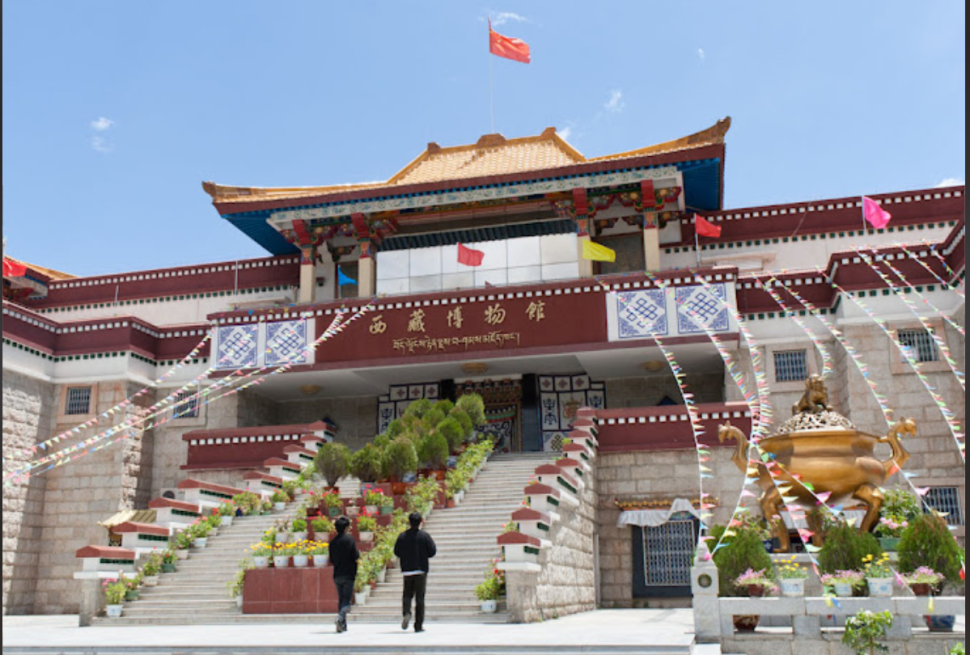
Tibetan culture is a vibrant mosaic woven from centuries of history, art, and spiritual practice that reflects the essence of Tibetan Buddhism. From intricate thangka paintings to colorful festivals celebrating sacred traditions, every aspect showcases the profound connection between art and spirituality in this unique culture. By delving into these cultural treasures, we can better understand how they embody the teachings of the Tibetan religion and enhance our journey toward inner peace.
How Tibetan Monks Guide Us to Inner Peace
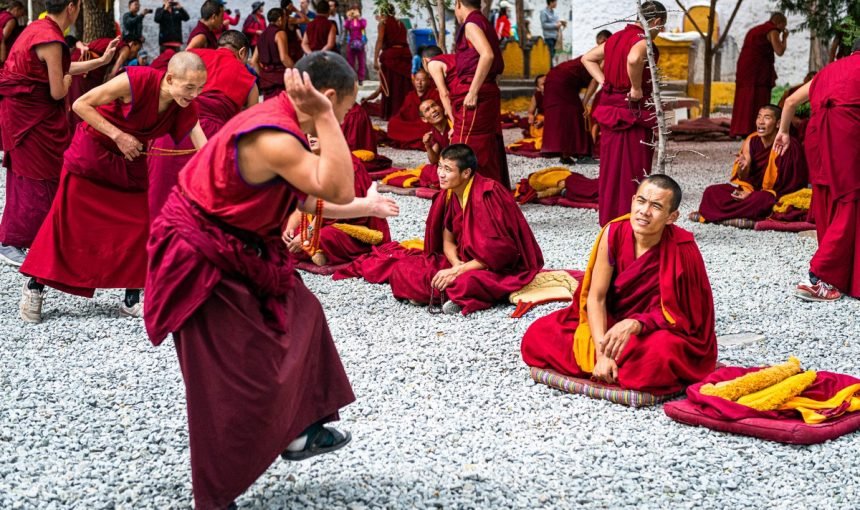
The wisdom imparted by Tibetan monks serves as a beacon for those seeking solace in their lives. Through mindfulness practices rooted in their religious teachings, these monks provide invaluable guidance on achieving tranquility amid life’s turbulence. Whether through meditation or compassionate engagement with others, their approach illustrates how embracing the principles of Tibetan Buddhism can lead us all toward lasting inner peace.
The Philosophy Behind Tibetan Buddhism
Tibetan Buddhism is not just a religion; it’s a way of life that intertwines spirituality with the rich tapestry of Tibetan culture. Rooted in ancient beliefs, this religion of Tibetan monks emphasizes understanding the nature of existence and cultivating inner peace through various practices. At its core, Tibetan Buddhism beliefs advocate for compassion, mindfulness, and the pursuit of enlightenment as essential components to navigate life’s challenges.
Core Beliefs of Tibetan Religion
The core beliefs of Tibetan religion revolve around the principles of impermanence, interconnectedness, and the potential for transformation. Central to these beliefs is the idea that all beings possess Buddha-nature—an inherent capacity for enlightenment that can be realized through dedicated practice. This perspective not only fosters a deep sense of respect for all forms of life but also encourages practitioners to engage actively in their spiritual journey within the framework of Tibetan culture.
In addition to Buddha-nature, Tibetan Buddhism teaches about karma—the law that actions have consequences—reinforcing ethical living as paramount. This belief system provides a moral compass guiding followers toward compassionate actions and thoughts, ultimately leading them closer to inner peace. By understanding these foundational tenets, one can appreciate how they shape the lives and practices of those engaged in this profound tradition.
The Concept of Shunyata and Inner Peace
Shunyata, or emptiness, is a pivotal concept within Tibetan Buddhism that invites practitioners to explore the nature of reality beyond surface appearances. It suggests that nothing possesses inherent existence; rather, everything is interdependent and subject to change—a notion that can liberate individuals from suffering when fully understood. Embracing shunyata allows followers to cultivate inner peace by releasing attachments and expectations tied to transient experiences.
This exploration into emptiness encourages deeper insights into one’s thoughts and emotions while fostering resilience against life’s inevitable ups and downs. When practitioners grasp shunyata’s essence within their daily lives, they begin to experience a profound sense of freedom—a hallmark characteristic celebrated in Tibetan culture’s approach to well-being. Ultimately, shunyata serves as both a philosophical foundation and practical tool for navigating life’s complexities with grace.
Compassion and Loving-Kindness in Practice
At the heart of Tibetan Buddhism lies an unwavering commitment to compassion (karuna) and loving-kindness (metta), which are seen as vital qualities on the path toward enlightenment. These principles guide practitioners in their interactions with others—encouraging empathy over judgment—and serve as powerful antidotes against suffering both personally and collectively within communities steeped in Tibetan culture. Through meditation practices like Tonglen (giving-and-taking), individuals learn how to transform their own pain into compassion for others.
Moreover, compassion manifests not only through individual acts but also through communal efforts aimed at alleviating suffering on larger scales—be it through humanitarian work or environmental stewardship inspired by Buddhist teachings on interconnectedness. By embodying these values consistently throughout daily life, practitioners cultivate an environment conducive to inner peace while contributing positively toward society at large—a hallmark feature distinguishing this vibrant religion from many others worldwide.
In summary, understanding these philosophical underpinnings provides valuable insights into how followers navigate their spiritual paths amid contemporary challenges while remaining rooted deeply within traditional practices passed down over generations by revered figures among Tibetans monks today.
Tibetan Monks and Mindfulness Practices

Tibetan monks are renowned for their profound mindfulness practices, which serve as a cornerstone of Tibetan Buddhism beliefs. These practices are not just rituals; they are pathways to inner peace and stress relief, intricately woven into the fabric of Tibetan culture. By embracing these techniques, individuals can cultivate a deeper understanding of themselves and the world around them.
Meditation Techniques for Stress Relief
Meditation is a vital component of the religion of Tibetan monks, offering various techniques tailored to alleviate stress and foster tranquility. One popular method is the practice of shamatha, or calm abiding, which helps practitioners focus their minds and develop concentration. Through regular meditation sessions, followers can experience the essence of Tibetan Buddhism—finding stillness amidst life’s chaos.
Another effective technique is vipassana, or insight meditation, which encourages self-reflection and awareness of thoughts and emotions. This approach aligns with core Tibetan religion principles that emphasize understanding the nature of suffering and its cessation. Ultimately, these meditation practices not only enhance personal well-being but also deepen one’s connection to Tibetan culture by fostering compassion towards oneself and others.
The Role of Rituals in Daily Life
Rituals play an essential role in the daily lives of those who embrace Tibetan Buddhism beliefs, serving as reminders to stay present and mindful throughout each day. From morning prayers to evening offerings, these rituals create a rhythm that infuses spirituality into everyday activities. Engaging in such practices allows individuals to connect with their inner selves while honoring the teachings passed down through generations.
In addition to individual rituals, communal ceremonies foster a sense of belonging within the community—a hallmark of Tibetan culture. Participating in group rituals strengthens bonds among practitioners while reinforcing shared values rooted in compassion and loving-kindness. Thus, these sacred acts become more than mere traditions; they transform into powerful expressions that embody the essence of the religion of Tibetan monks.
Chanting as a Pathway to Tranquility
Chanting is another significant aspect within the realm of mindfulness practices embraced by Tibetan monks; it serves both as an expression of devotion and a means to cultivate inner peace. The rhythmic recitation of mantras resonates deeply within practitioners’ hearts, creating vibrations that promote relaxation and clarity. This practice aligns beautifully with core beliefs found in Tibetan Buddhism—where sound becomes a tool for transformation.
Moreover, chanting facilitates connection with spiritual energies while fostering unity among those who participate collectively in this sacred act. In this way, chanting transcends mere words; it becomes an immersive experience that enhances one’s understanding of both self and community within the broader context of Tibetan culture. Ultimately, this pathway leads practitioners closer to embodying key tenets found within their rich tradition—the pursuit of enlightenment through mindfulness.
The Impact of Tibetan Culture on Well-Being

Tibetan culture is a tapestry woven with threads of spirituality, art, and tradition, all intricately linked to the religion of Tibetan monks. This culture not only enriches the lives of those within its fold but also offers valuable insights into well-being for outsiders seeking peace and harmony. By exploring festivals, art, and traditional medicine, we can appreciate how Tibetan Buddhism beliefs enhance mental and spiritual health.
Festivals and Their Spiritual Significance
Festivals in Tibetan culture are vibrant celebrations that embody the essence of Tibetan Buddhism. These events often mark important religious occasions, such as Losar (Tibetan New Year) or Saga Dawa (Buddha’s birth), fostering community spirit and collective joy among participants. Engaging in these festivities allows individuals to connect deeply with their heritage while reinforcing the core principles of compassion and mindfulness central to the religion of Tibetan monks.
The spiritual significance behind these festivals goes beyond mere celebration; they serve as reminders of impermanence and the importance of inner peace. Rituals performed during these gatherings often include prayers, offerings, and communal feasts that strengthen social bonds while providing a sense of belonging. Ultimately, participating in such cultural events can be a transformative experience that promotes emotional well-being through shared joy and reflection.
Art and Aesthetics in Tibetan Buddhism
Art plays a crucial role in expressing the profound teachings found within Tibetan Buddhism beliefs. From intricate thangka paintings to elaborate mandalas, each piece serves as a visual representation of spiritual concepts designed to inspire contemplation and meditation. The vibrant colors and meticulous details invite viewers into a world where beauty meets enlightenment—a true testament to the deep connection between art and spirituality in Tibetan culture.
Moreover, this artistic expression is not merely decorative; it serves an educational purpose by depicting stories from Buddhist teachings that resonate with practitioners’ journeys toward inner peace. Engaging with this art can evoke feelings of serenity while encouraging mindfulness practices that align with the principles espoused by the religion of Tibetan monks. In essence, appreciating Tibetan art offers an avenue for self-reflection while enriching one’s understanding of compassion.
The Healing Powers of Traditional Tibetan Medicine
Traditional Tibetan medicine is rooted in centuries-old practices that emphasize holistic healing—addressing not just physical ailments but also mental well-being through a unique blend of herbal remedies, dietary guidelines, and lifestyle adjustments aligned with Buddhist principles. This approach reflects key aspects found within the broader framework of Tibetan religion: balance between mind-body harmony is essential for overall health. Practitioners believe that maintaining equilibrium fosters resilience against stressors inherent in daily life.
The healing methods employed by traditional practitioners often incorporate elements from both nature and spirituality—think herbal infusions crafted with intention or meditative practices designed to alleviate anxiety alongside physical treatments for ailments like chronic pain or digestive issues. As individuals delve deeper into these time-honored techniques rooted in ancient wisdom from Tibet’s monastic traditions, they may find themselves navigating their paths toward improved health holistically rather than merely addressing symptoms.
In conclusion, exploring how festivals celebrate community spirit while intertwining artistic expression enhances our understanding reveals just how impactful these elements are on personal well-being within this rich cultural context steeped deeply in spirituality—the very essence embodied by those who follow the teachings upheld by the religion of Tibetan monks.
The Journey to Enlightenment
Embarking on the journey to enlightenment in Tibetan Buddhism is akin to navigating a vast ocean of wisdom, where the waves of understanding can either uplift or overwhelm. At its core, this journey is structured around foundational teachings that guide practitioners toward inner peace and liberation from suffering. The religion of Tibetan monks provides a roadmap for this voyage, revealing profound insights into the nature of existence and the path towards spiritual awakening.
The Four Noble Truths Explained
The Four Noble Truths are central tenets in Tibetan Buddhism beliefs that illuminate the essence of human experience. First, they assert that suffering (dukkha) is an inherent part of life; it manifests in various forms such as pain, dissatisfaction, and loss. Next, the second truth identifies desire (tanha) as the root cause of this suffering—a realization that compels followers to examine their attachments and cravings more closely.
The third noble truth offers hope: it states that by relinquishing desire, one can achieve Nirvana or ultimate peace. Finally, the fourth truth outlines the path leading out of suffering—the Eightfold Path—which serves as a practical guide for transforming one’s life through ethical living and mental discipline. Understanding these truths is essential for anyone interested in exploring Tibetan culture and its profound insights into human existence.
The Eightfold Path as a Guide
The Eightfold Path acts like a compass for those navigating their spiritual journey within Tibetan Buddhism. This path consists of eight interconnected practices: Right Understanding, Right Intent, Right Speech, Right Action, Right Livelihood, Right Effort, Right Mindfulness, and Right Concentration. Each element serves as a building block toward achieving wisdom and ethical conduct—integral aspects of Tibetan religion that encourage practitioners to live harmoniously with themselves and others.
By following this path diligently, individuals cultivate qualities such as compassion and mindfulness while progressively shedding ignorance and harmful behaviors. This transformative process not only enhances personal well-being but also contributes positively to society at large—a beautiful reflection of how deeply intertwined Tibetan culture is with universal values like kindness and understanding.
Stories of Renowned Tibetan Monks
Tales from the lives of renowned Tibetan monks provide captivating glimpses into how these teachings manifest in real-world experiences. For instance, consider Milarepa—one of Tibet’s most celebrated yogis—whose journey from darkness to enlightenment exemplifies resilience against all odds within Tibetan Buddhism beliefs. After committing grave misdeeds early in life due to misguided ambition, he turned his focus towards rigorous meditation practices under various masters until achieving profound realizations about compassion.
Another inspiring figure is His Holiness the Dalai Lama who embodies modern-day interpretations of traditional teachings while advocating for global harmony through dialogue rooted in Buddhist principles. These stories not only enrich our understanding but also illustrate how deeply personal journeys contribute meaningfully to our collective pursuit toward inner peace—the hallmark aspiration shared across all facets of Tibetan religion.
Experiencing Tibetan Monks Firsthand
To truly grasp the essence of Tibetan Buddhism and the profound wisdom of the religion of Tibetan monks, engaging in firsthand experiences is essential. Retreats offer a unique opportunity to immerse oneself in the tranquil practices that define Tibetan culture. By living alongside monks, participants can witness the daily rituals and meditative practices that shape their spiritual lives, fostering a deeper understanding of Tibetan Buddhism beliefs.
Engaging with Monks in Retreats
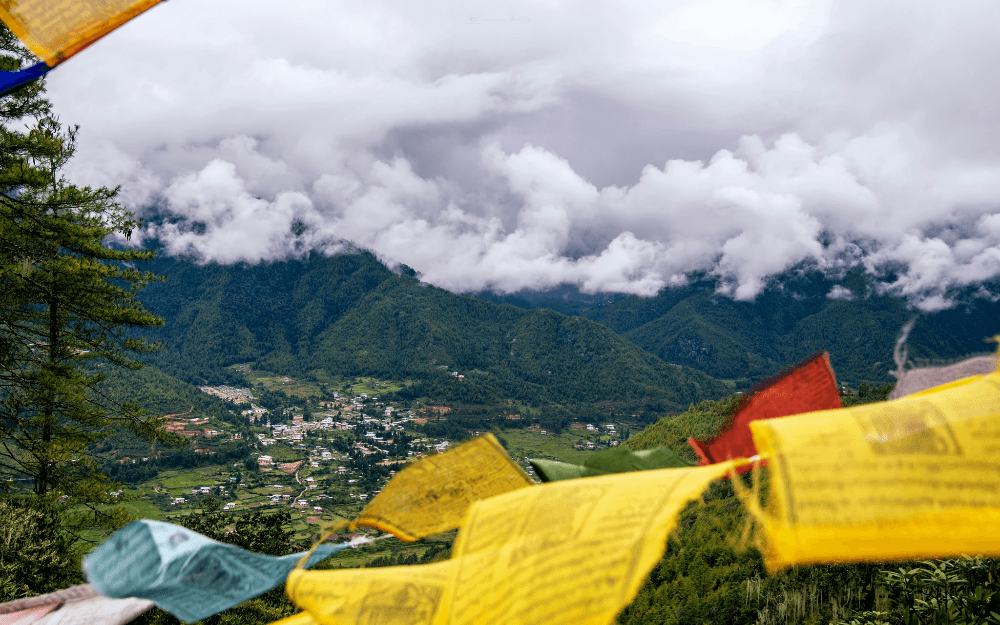
Retreats provide an unparalleled chance to connect with the heart of Tibetan religion and its teachings. During these immersive experiences, participants often find themselves in serene environments, surrounded by breathtaking landscapes that echo the peacefulness promoted by Tibetan Buddhism. The monks lead sessions filled with meditation, mindfulness exercises, and discussions about compassion—key tenets of their beliefs—allowing attendees to explore inner peace while learning directly from those who embody it.
Learning from the Masters: Workshops and Teachings
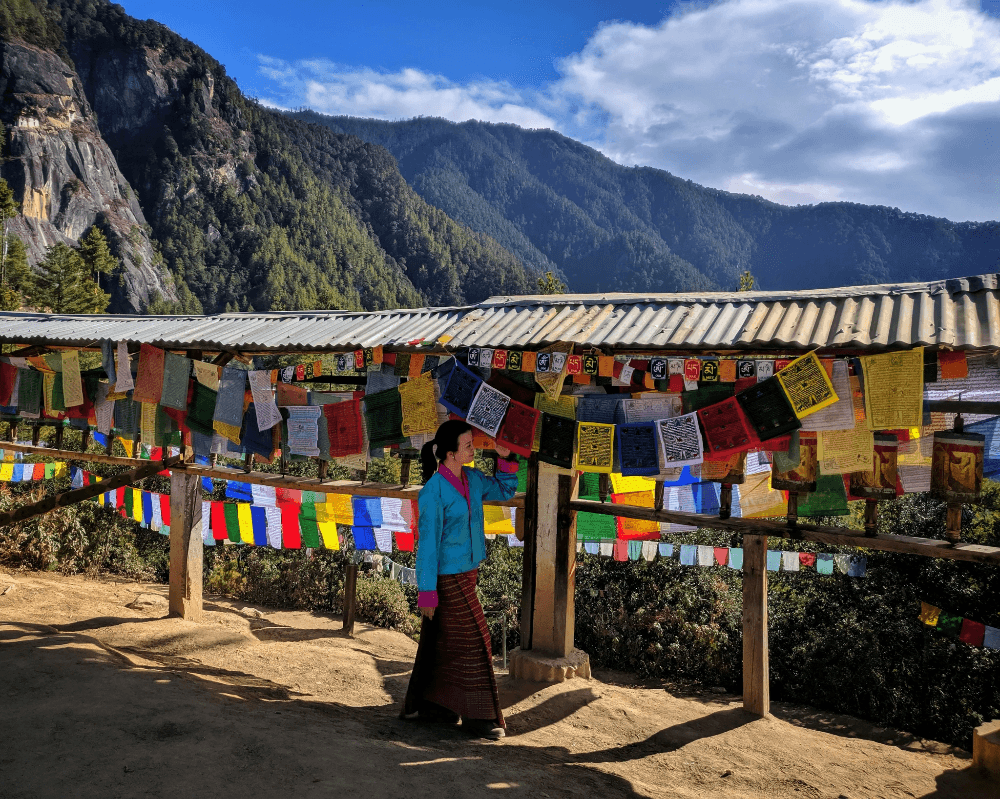
Workshops conducted by seasoned monks are treasure troves of knowledge for anyone interested in deepening their understanding of Tibetan culture and spirituality. Participants engage in hands-on activities such as traditional painting or crafting prayer flags while absorbing teachings on compassion and loving-kindness central to Tibetan Buddhism beliefs. These sessions not only enhance skills but also foster connections with the rich heritage of Tibetan religion through storytelling and shared experiences.
Traveling with GuideTibet for Authentic Experiences
For those eager to explore Tibet’s spiritual landscape more extensively, traveling with GuideTibet offers authentic encounters that are both enlightening and transformative. This organization specializes in creating itineraries that allow travelers to visit monasteries, participate in ceremonies, and interact directly with monks who practice their faith daily. Through these journeys into the heart of Tibetan culture, individuals can gain a profound appreciation for how deeply intertwined daily life is with Buddhist principles—ultimately leading them toward greater inner peace.
Conclusion
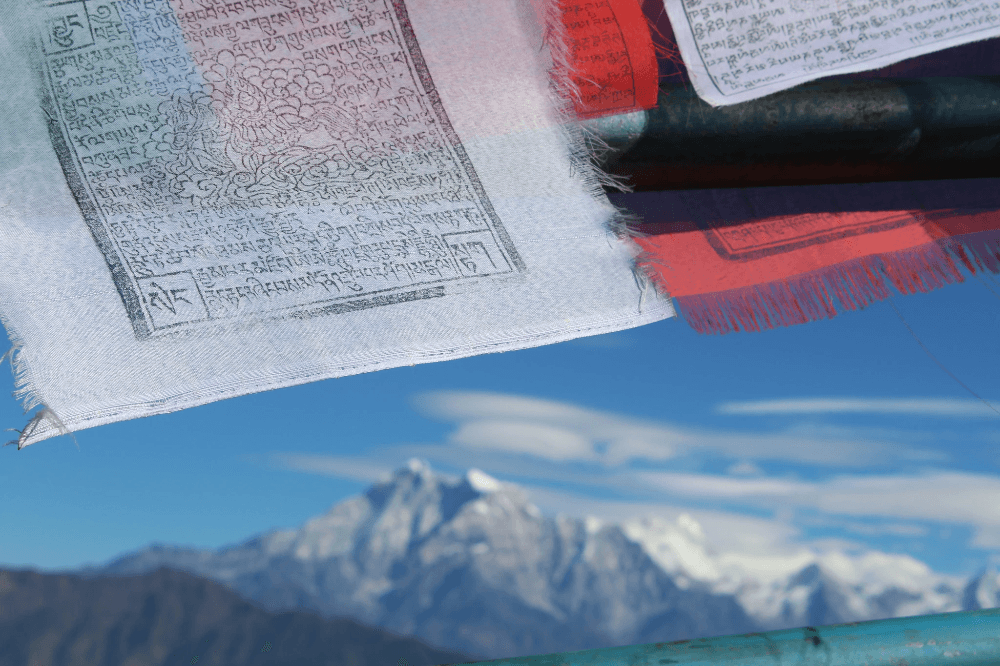
In wrapping up our exploration of Tibetan Buddhism, it’s clear that this ancient tradition offers profound insights into achieving inner peace and well-being. The religion of Tibetan monks is not merely a set of beliefs but a way of life that can be embraced by anyone seeking tranquility amidst the chaos of modern living. By integrating elements of Tibetan culture into our daily routines, we can cultivate a deeper understanding of ourselves and the world around us.
Embracing Tibetan Buddhism in Everyday Life
Embracing Tibetan Buddhism in everyday life involves adopting its core principles and practices, making them relevant to our contemporary experiences. Simple acts like mindfulness meditation or showing compassion to others can create ripples of positivity in our communities, reflecting the rich tapestry of Tibetan culture. By weaving these practices into our lives, we not only honor the traditions of this ancient religion but also enrich our own spiritual journeys.
How Tibetan Religion Cultivates Inner Peace
The teachings found within Tibetan Buddhism beliefs emphasize the importance of compassion and self-awareness as pathways to inner peace. This religion encourages individuals to look beyond their own suffering and connect with others on a deeper level, fostering an environment where empathy flourishes. In doing so, practitioners often find that their personal struggles diminish as they engage more fully with the world around them.
The Lasting Lessons from Tibetan Monks
The wisdom imparted by the religion of Tibetan monks transcends geographical boundaries and resonates with universal truths about human existence. Their teachings remind us that enlightenment is not an endpoint but rather a continuous journey marked by growth and understanding. As we reflect on these lessons from Tibetan Buddhism, we are inspired to carry forward their legacy—one rooted in compassion, mindfulness, and an unwavering quest for inner peace.