Introduction

Tibetan cuisine is a delightful tapestry woven from the rich cultural heritage and diverse landscapes of Tibet. With its unique flavors and traditional dishes, it invites food lovers to embark on a culinary adventure that goes beyond mere sustenance. As we explore what is the traditional food of Tibet, we uncover not only the ingredients but also the stories that make each meal special.
Discovering Tibetan Cuisine
When you think of Tibetan cuisine, images of steaming momos and hearty thukpa come to mind, but there’s so much more beneath the surface. The essence of Tibetan food lies in its simplicity and connection to nature, often using locally sourced ingredients that reflect the rugged terrain of the Himalayas. Each dish is a celebration of culture, history, and community—an invitation to share in a time-honored tradition.
The Essence of Tibetan Food
At its core, Tibetan food embodies nourishment for both body and soul. It emphasizes wholesome ingredients such as barley, potatoes, and various meats while also catering to those who prefer vegetarian options in Tibetan food. This balance ensures that everyone can enjoy a taste of Tibet’s culinary offerings without compromising their dietary preferences.
A Journey Through Unique Flavors
Embarking on this journey through unique flavors means encountering dishes that are not just delicious but also steeped in significance. From savory dumplings filled with spiced meat to warming soups perfect for cold nights at high altitudes, each bite tells a story about the people who created it. As we delve deeper into this exploration of Tibetan cuisine, we’ll also answer intriguing questions like: Is beef eaten in Tibet? And how do these meals reflect the rich tapestry of Tibetan culture?
Tibetan Food Traditions
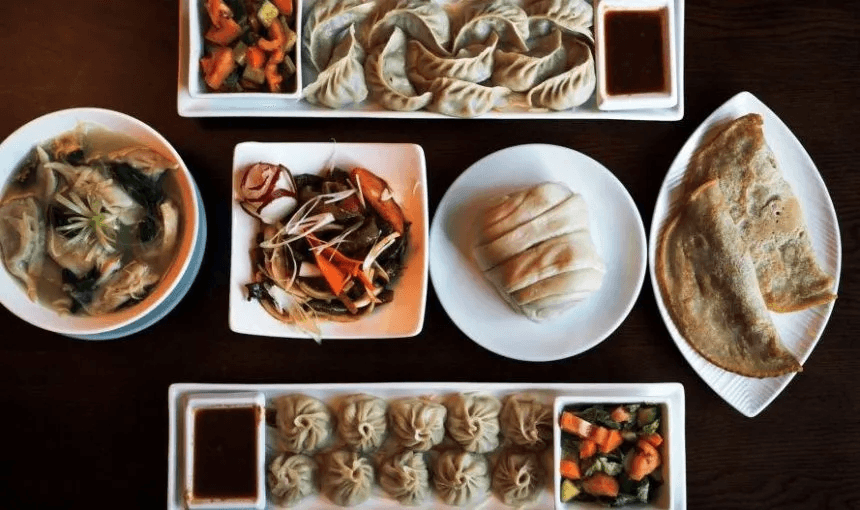
Tibetan cuisine is a rich tapestry woven from the threads of history, geography, and culture. The traditional food of Tibet reflects the harsh climate and high-altitude environment, resulting in hearty dishes that are both nourishing and satisfying. From steaming bowls of noodle soup to savory dumplings, Tibetan food traditions offer a unique culinary experience that invites exploration.
What is the traditional food of Tibet?
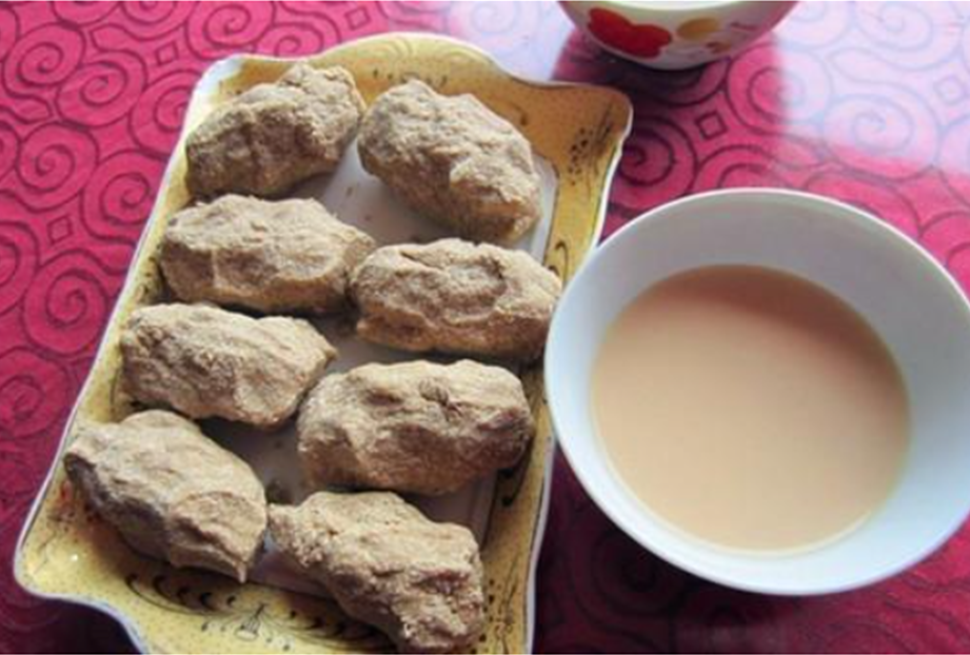
The traditional food of Tibet primarily consists of barley, dairy products, meat, and vegetables. Tsampa, roasted barley flour mixed with butter tea or water, serves as a staple in many households. Additionally, momos (dumplings) filled with meat or vegetables are a beloved delicacy that showcases the heartiness typical in Tibetan cuisine.
Common Ingredients in Tibetan Dishes
In Tibetan dishes, common ingredients include barley flour, yak meat, potatoes, various greens like spinach and mustard greens, and dairy products like butter and cheese. These ingredients not only reflect what can be sourced from the rugged landscape but also embody centuries-old practices passed down through generations. The use of spices is minimal compared to other cuisines; instead, flavors are enhanced through natural ingredients that celebrate the essence of Tibetan food.
Rituals and Customs Surrounding Meals
Meals in Tibetan culture are steeped in rituals and customs that emphasize community and hospitality. Typically served family-style on large platters or bowls for sharing encourages togetherness during mealtime—a reflection of the communal spirit inherent in Tibetan life. Furthermore, before eating, it’s customary to express gratitude for the meal—an important aspect highlighting respect for nature’s bounty within the context of Tibetan food history.
Eating Styles in Tibetan Culture
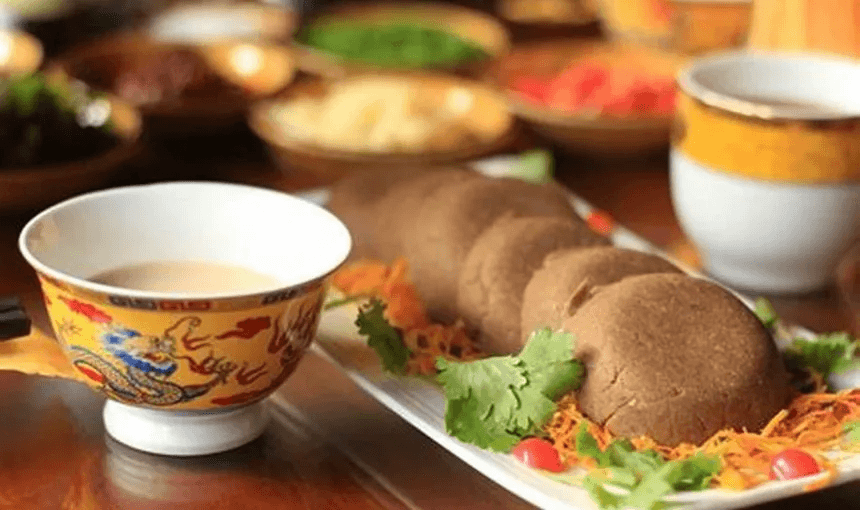
When it comes to the enchanting world of Tibetan cuisine, the way food is enjoyed plays a significant role in the cultural experience. From utensils to dining customs, every aspect reflects a rich heritage shaped by geography and tradition. Understanding these eating styles provides deeper insight into what is the traditional food of Tibet and how it is savored.
Is Tibetan food eaten with chopsticks?
Interestingly enough, Tibetan food is not typically eaten with chopsticks. Instead, you will often find that Tibetans prefer using their hands or traditional wooden spoons called chams. This tactile approach allows for a more intimate connection with dishes like momos (dumplings) and thukpa (noodle soup), making each bite an experience rather than just a meal.
In addition to hands and spoons, some regions might incorporate forks into their dining practices, especially where influences from neighboring cultures have mingled. This adaptability showcases how Tibetan cuisine has evolved while still holding on to its core traditions. So when you dive into your next plate of Tibetan delights, remember: it’s all about embracing the moment—chopsticks need not apply!
The Influence of Mongolian Practices
Tibetan cuisine has been notably influenced by Mongolian practices over centuries of cultural exchange and geographical proximity. This influence is evident in both cooking techniques and specific dishes that have become staples within Tibet’s culinary landscape. For instance, hearty meat dishes that are prevalent in both cuisines reflect a shared appreciation for robust flavors and nourishing meals.
Mongolian traditions also contribute to communal dining experiences in Tibet, where sharing food symbolizes friendship and hospitality—key elements in both cultures. You might find that many meals are served family-style, encouraging everyone at the table to dig in together. So when enjoying Tibetan cuisine, expect a warm atmosphere filled with laughter and camaraderie as everyone partakes in this rich culinary tradition.
How Food Reflects Tibetan Hospitality
Tibetan hospitality is legendary; it’s woven into every meal served across this beautiful region. When visiting a home or restaurant serving traditional food of Tibet, guests can expect an abundance of offerings as hosts take pride in showcasing their culinary skills through generous portions. This spirit of giving extends beyond mere sustenance; it’s about creating connections through shared experiences over delicious meals.
Moreover, the act of sharing food serves as an invitation for deeper conversations and bonding moments among friends or family members gathered around the table. It’s common for guests to be offered tea (often butter tea) before any meal begins—a classic gesture reflecting warmth and welcome that embodies what it means to be part of Tibetan culture. Whether you’re indulging in meat dishes or exploring vegetarian options within Tibetan cuisine, each bite tells a story steeped in history and hospitality.
Meat and Its Role in Tibetan Cuisine
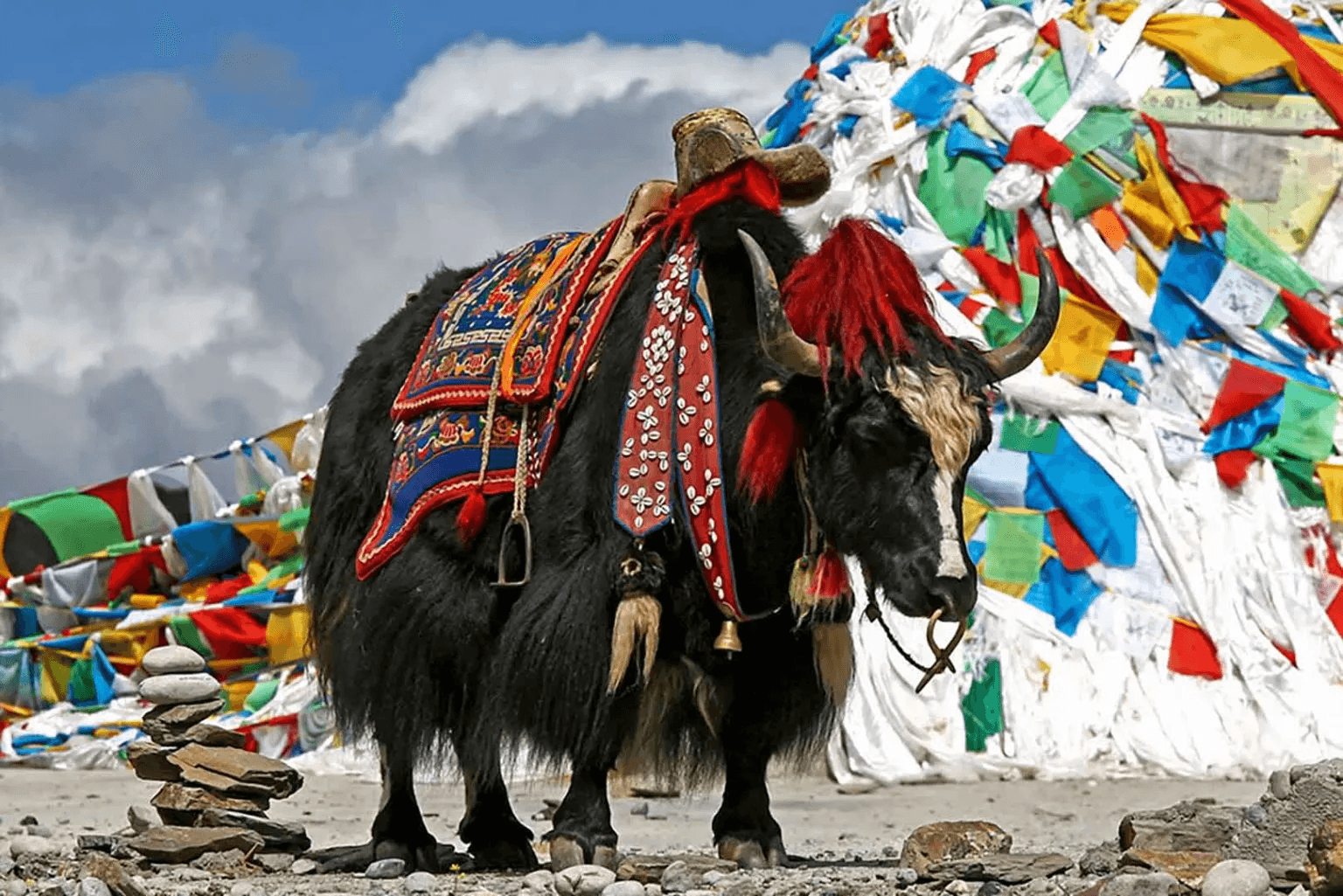
Tibetan cuisine is renowned for its hearty and robust flavors, with meat playing a central role in many traditional dishes. The harsh climate and high-altitude environment of Tibet have historically made meat a staple, providing essential nutrients that are often difficult to obtain from other sources. In this section, we’ll explore the significance of meat in Tibetan food, including the types commonly consumed and the vegetarian alternatives available.
Is beef eaten in Tibet?
Yes, beef is indeed eaten in Tibet! While lamb and yak meat are more prevalent due to their availability, beef has found its way into Tibetan cuisine as well. It’s not uncommon to find delicious beef dishes served at family gatherings or festivals, showcasing the adaptability of what is considered traditional food of Tibet.
In addition to being enjoyed for its rich flavor, beef also holds cultural significance within Tibetan communities. It often symbolizes abundance and is used in various ceremonial meals. So if you’re pondering over whether to indulge in some hearty beef stew while exploring Tibetan cuisine, rest assured that it’s not just acceptable but celebrated!
Popular Meat Dishes to Try
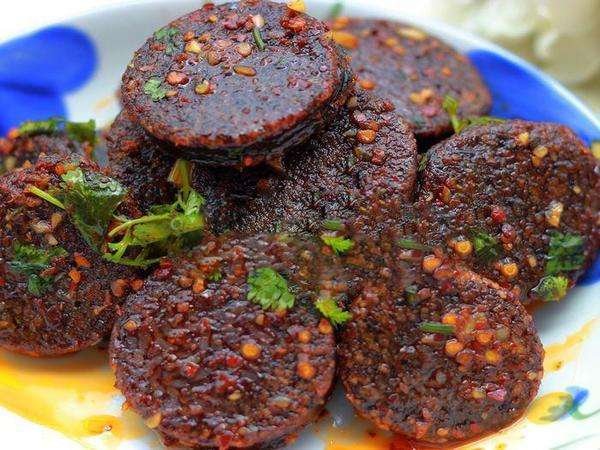
When diving into Tibetan food culture, there are several must-try meat dishes that will tantalize your taste buds! One standout dish is Momos, which are dumplings filled with either minced meat or vegetables; they’re a crowd favorite at any gathering. Another popular choice is Thukpa, a noodle soup that can be made with various meats like chicken or yak—perfect for warming up on a chilly day.
For those looking for something more substantial, Yak Steakoffers a unique experience with its tender texture and rich flavor profile. Additionally, Dzi Phing, which consists of marinated meats cooked with spices and served alongside rice or barley, showcases the incredible diversity found within Tibetan cuisine. Each bite tells a story steeped in tradition!
Vegetarian Options in Tibetan Food
While meat holds an important place in Tibetan cuisine, there are plenty of delightful vegetarian options available for those who prefer plant-based meals! Given the spiritual beliefs surrounding certain animals among Tibetans—particularly yaks—many dishes feature vegetables as their main component without sacrificing flavor or heartiness. Dishes like Tibetan Vegetable Curry offer vibrant flavors through an array of spices combined with seasonal produce.
Another popular vegetarian dish is Tsampa, made from roasted barley flour mixed with water or tea; it’s often enjoyed during breakfast or as an energy snack throughout the day! For those interested in exploring how Tibetan food can cater to all dietary preferences while still reflecting its rich history, these vegetarian options showcase the versatility inherent within traditional recipes.
In conclusion, whether you’re indulging in savory beef dishes or savoring wholesome vegetarian fare, the role of meat—alongside its alternatives—is vital to understanding what constitutes authentic Tibetan food history today!
The Health Benefits of Tibetan Dishes

When it comes to health, Tibetan cuisine has a lot to offer. Rooted in centuries-old traditions, this food not only nourishes the body but also reflects a holistic approach to well-being. The use of natural ingredients and cooking methods contributes to the overall health benefits associated with Tibetan dishes.
Is Tibetan food healthy?
Yes, Tibetan food is generally considered healthy! It emphasizes whole grains, vegetables, and lean meats, making it a balanced diet for many. Traditional foods like barley and various root vegetables are rich in nutrients and fiber, which can aid digestion and promote overall health.
Moreover, many dishes are prepared using steaming or boiling methods rather than frying, further enhancing their nutritional value. While some might wonder about the meat content—such as “Is beef eaten in Tibet?”—it’s often consumed in moderation alongside hearty vegetable dishes that add essential vitamins and minerals. Overall, Tibetan cuisine offers a wholesome approach that caters to both meat lovers and those seeking vegetarian options.
Nutritional Analysis of Common Meals
Tibetan meals are often hearty and nutritious, focusing on ingredients that provide lasting energy for the physically demanding lifestyle of its people. For instance, What is the traditional food of Tibet? includes staples like tsampa (roasted barley flour), which is high in protein and fiber while being easy to digest. Additionally, dishes such as momos (dumplings) can be filled with meat or vegetables, providing a balanced mix of carbohydrates and proteins.
A typical meal may include butter tea—a blend of tea with yak butter—which not only provides hydration but also delivers essential fats necessary for energy in high-altitude environments. Furthermore, vegetarian options abound within Tibetan cuisine; lentils and various greens are commonly used to create satisfying dishes that cater to different dietary preferences without sacrificing taste or nutrition.
Traditional Remedies and Dietary Practices
Tibetan cuisine isn’t just about filling your belly; it’s also deeply intertwined with traditional remedies that promote health and longevity. Many meals incorporate spices like ginger and turmeric known for their anti-inflammatory properties—perfect for combating ailments common at high altitudes! Additionally, herbal teas made from local plants are often consumed for their healing effects.
The practice of eating according to the seasons is another aspect of dietary traditions in Tibet; this ensures that individuals consume what is freshest and most beneficial at any given time throughout the year. Such customs reflect an understanding of balance between nature’s offerings and personal well-being—a principle that’s integral not just within Tibetan food history but across cultures worldwide.
The Evolution of Tibetan Food

Tibetan cuisine has a rich history that reflects the resilience and adaptability of the Tibetan people. Over centuries, it has evolved through various influences while maintaining its unique identity. Understanding Tibetan food history not only reveals the significance of traditional ingredients but also highlights how this cuisine has become a symbol of cultural pride.
Tibetan food history and its significance
The roots of Tibetan food can be traced back to ancient nomadic tribes, where survival depended on hearty, nourishing meals that could withstand the harsh climate of the Himalayas. Traditional food of Tibet revolves around barley, dairy products, and meat, showcasing a resourceful approach to limited agricultural possibilities. This historical backdrop is significant as it illustrates how Tibetan cuisine was shaped by necessity, leading to dishes that are both flavorful and fulfilling.
The Impact of Geography on Cuisine
Tibet’s rugged terrain plays a crucial role in determining what is available for consumption—think high-altitude farming and livestock grazing! The geographical isolation has fostered a distinctive culinary style that emphasizes local ingredients like yak meat and tsampa (roasted barley flour). Moreover, these geographic factors have influenced dietary practices; for instance, while one may wonder if beef is eaten in Tibet, it’s often overshadowed by more traditional meats like yak or sheep due to cultural preferences and availability.
Modern Twists on Traditional Recipes
As globalization continues to spread across cultures, modern twists on traditional recipes are emerging within Tibetan cuisine. Chefs are experimenting with fusion dishes that incorporate international flavors while still honoring age-old techniques and ingredients. For those curious about whether Tibetan food is healthy or vegetarian options available, contemporary chefs are creating innovative meals that cater to diverse dietary needs without compromising authenticity.
Conclusion
Tibetan cuisine is a delightful exploration of flavors, traditions, and health benefits that beckons food enthusiasts from around the globe. As you delve into what is the traditional food of Tibet, you’ll discover not just a meal but an experience steeped in rich cultural heritage. Whether you’re savoring momos or thukpa, each bite tells a story that connects you to the rugged Himalayan landscape and its resilient people.
Why You Should Explore Tibetan Cuisine
Exploring Tibetan cuisine is akin to embarking on a culinary adventure where every dish offers a unique taste of history and culture. Did you know that Tibetan food is often enjoyed communally? This makes it not only delicious but also a wonderful opportunity to bond with family and friends over hearty meals like yak butter tea or barley porridge.
In addition to its rich flavors, many wonder: Is Tibetan food healthy? The answer is often yes! With an emphasis on fresh ingredients and wholesome preparation methods, Tibetan dishes can be nourishing while still satisfying your cravings for something hearty.
The Cultural Significance of Tibetan Food
Tibetan food isn’t just about sustenance; it’s deeply intertwined with the customs and rituals of the region. Meals are often accompanied by prayers or blessings, reflecting the spiritual connection Tibetans have with their food. Understanding this cultural significance gives depth to your dining experience—each meal becomes more than just what’s on your plate.
Moreover, if you’re curious about eating styles in this fascinating culture—Is Tibetan food eaten with chopsticks? The answer might surprise you! Traditionally, Tibetans use spoons for most dishes, particularly soups and stews, which are staples in their diet.
Planning Your Tibetan Culinary Journey with GuideTibet
Ready to embark on your own culinary journey through Tibet? Planning your exploration with GuideTibet can help ensure you experience authentic tastes while learning about the fascinating history behind each dish. From trying popular meat dishes like yak steak—Is beef eaten in Tibet? Yes!—to discovering delicious vegetarian options like tsampa (roasted barley flour), there’s something for everyone.
As you prepare for this flavorful adventure, keep in mind how diverse Tibetan cuisine truly is—from its hearty meat offerings to its delightful vegetarian fare. By understanding Tibetan food history and customs surrounding meals, you’ll not only satisfy your palate but also enrich your understanding of this vibrant culture.