Introduction
Kora, also known as circumambulation, is a sacred practice in Tibetan culture that involves walking around a religious site or object. It holds deep spiritual significance and is an integral part of Tibetan pilgrimage, reflecting the devotion and faith of the people. In their daily lives, Tibetan people perform Kora as a way to connect with their spirituality and express their reverence for the divine. For those visiting Tibet, joining in on a Kora is not only a unique cultural experience but also an opportunity to immerse oneself in the rich traditions of Tibetan culture.
What is Kora or Circumambulation?
Kora, or circumambulation, refers to the act of walking around a sacred site or object as a form of devotion and spiritual practice. It is deeply rooted in Tibetan Buddhism and holds great significance in the lives of Tibetans. The act of Kora symbolizes reverence for the divine and serves as a way for individuals to connect with their spirituality on a profound level.
How Tibetan People Do the Kora in their Daily Life?
For Tibetans, performing Kora is not just a religious ritual but an integral part of their daily existence. Whether it’s walking around a monastery, stupa, or mountain, Tibetans engage in Kora as a way to express their faith and seek blessings from the divine. This practice reflects the deep spiritual connection that permeates every aspect of Tibetan life.
The Most Popular Kora You Can Join in during a Tibet Trip
When visiting Tibet, travelers have the opportunity to participate in one of the most popular Koras – the Barkhor Street circuit around Jokhang Temple in Lhasa. This bustling pilgrimage route offers an immersive experience into Tibetan culture and spirituality as pilgrims walk alongside locals spinning prayer wheels and chanting mantras. Joining this Kora provides an authentic insight into Tibetan traditions and allows one to witness firsthand the deep reverence for spiritual practices within this ancient culture.
Understanding Tibetan Kora/Circumambulation
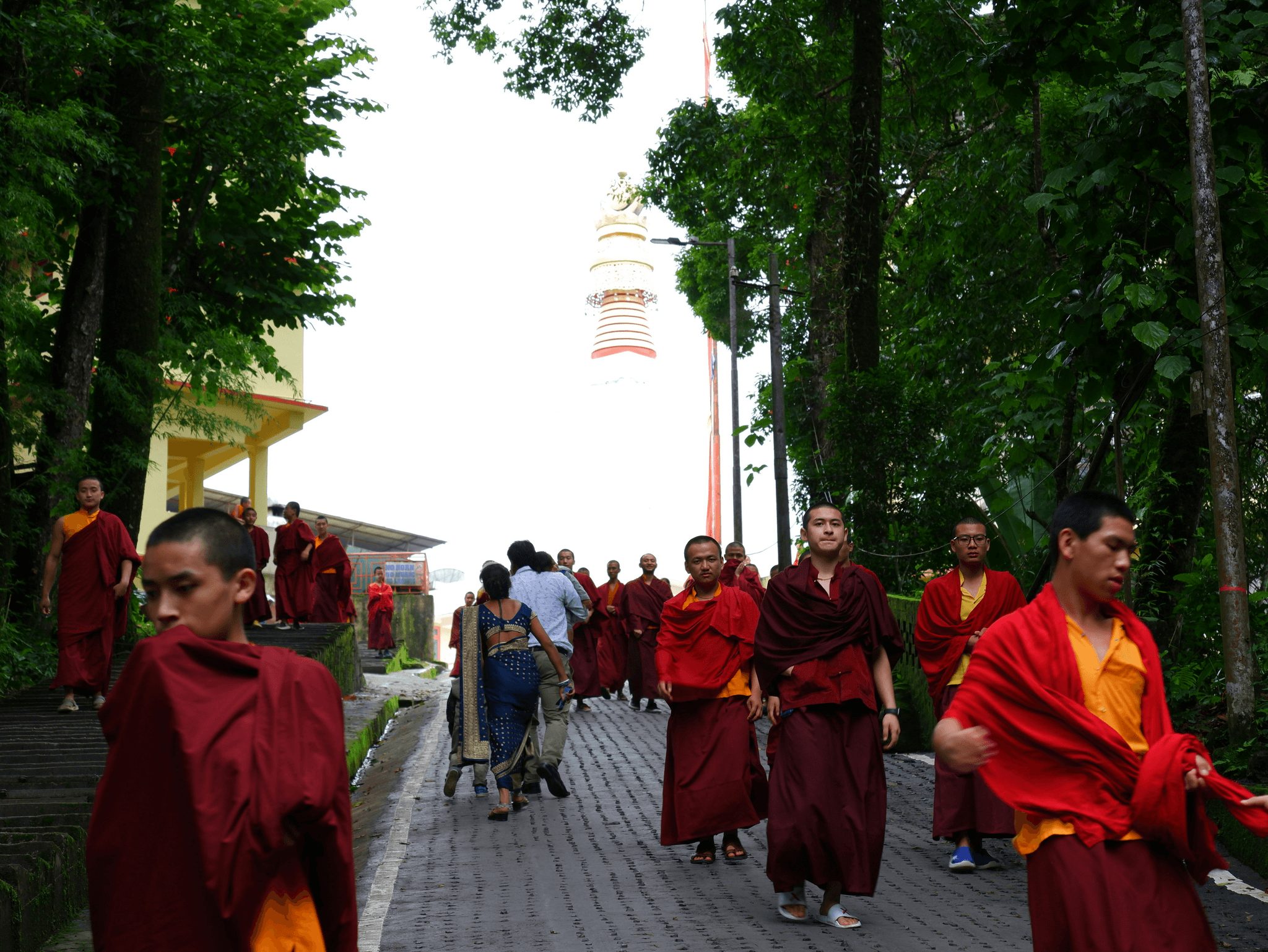
Kora, also known as circumambulation, is a sacred Tibetan Buddhist practice of walking around a religious site or object. It holds deep spiritual significance for Tibetans and is an integral part of their daily lives. The act of kora is believed to accumulate merit and purify negative karma, making it an essential aspect of Tibetan culture and spirituality.
Historically, kora has been a tradition in Tibet for centuries, deeply rooted in the region’s rich cultural heritage. It is a symbol of devotion and reverence for the sacred sites that are central to Tibetan Buddhism. The practice also reflects the strong influence of Buddhism on Tibetan society and its enduring impact on the people’s way of life.
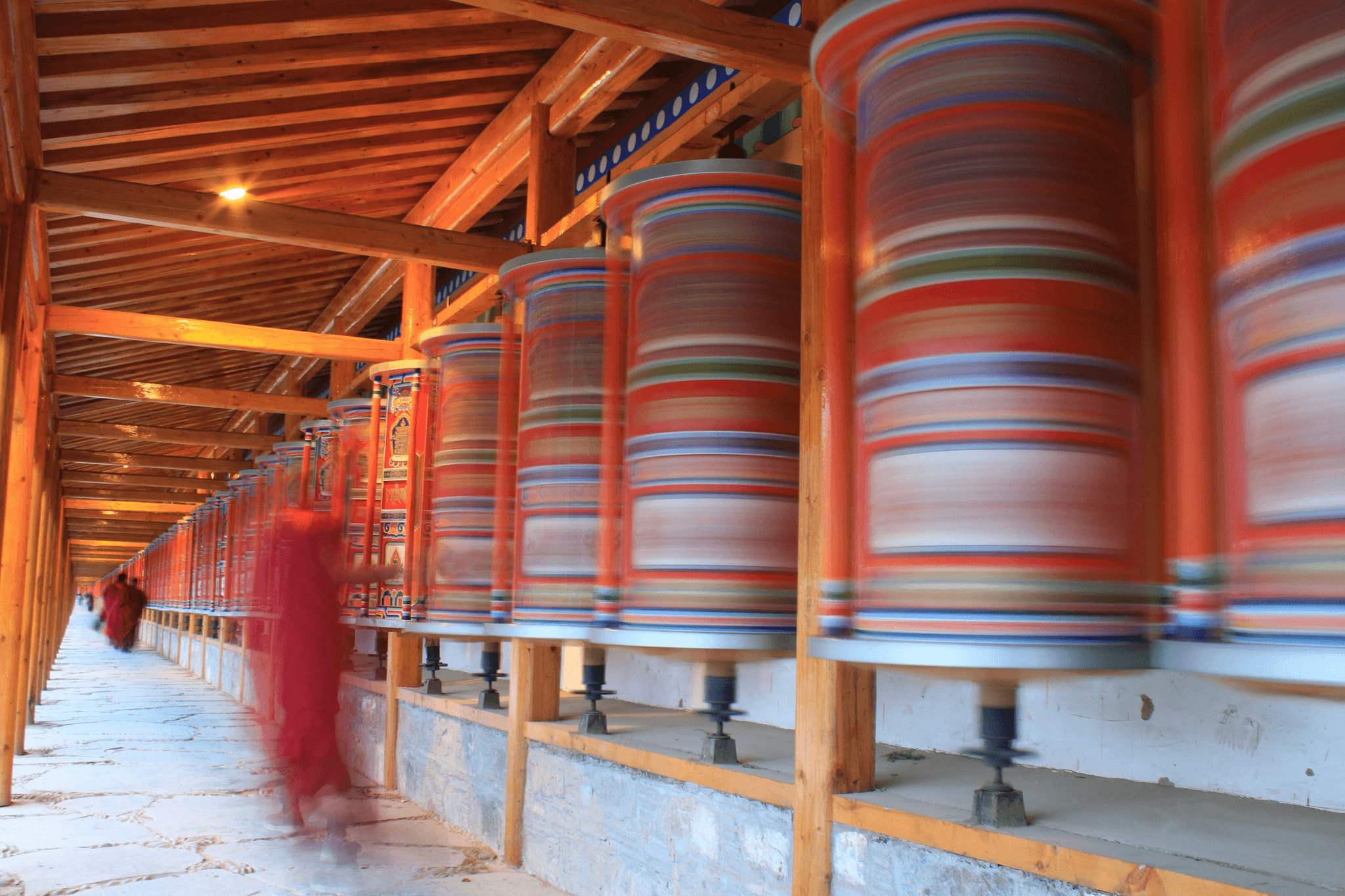
Kora plays a vital role in Tibetan pilgrimage, as it is often undertaken by devout Buddhists as part of their spiritual journey. Pilgrims walk around sacred mountains, temples, stupas, and monasteries while chanting prayers and spinning prayer wheels. This act not only demonstrates their faith but also serves as a form of meditation and self-reflection.
The Spiritual and Cultural Significance
Connection to Tibetan Culture
Kora, or circumambulation, is deeply ingrained in Tibetan culture as a spiritual and cultural practice. It is a way for Tibetans to connect with their land, their beliefs, and their ancestors. The act of walking around sacred sites symbolizes reverence and respect for the natural world and the divine.
Importance in Tibetan Buddhism
In Tibetan Buddhism, Kora holds immense significance as it is believed to accumulate merit and purify negative karma. It is a way for practitioners to show devotion to the Buddha, Dharma, and Sangha while also deepening their understanding of Buddhist teachings through physical practice.
Kora is also seen as a form of meditation in motion, allowing practitioners to cultivate mindfulness and focus as they walk the sacred path. By engaging in this physical practice, individuals can experience a sense of inner peace and tranquility, ultimately leading to a deeper connection with the spiritual aspects of Tibetan Buddhism. The act of circumambulating sacred sites is also believed to create positive energy that benefits not only the individual but also the surrounding environment, contributing to a harmonious and balanced ecosystem.
Rituals and practices during Kora
During Kora, pilgrims often perform prostrations or make offerings at specific points along the route. They may chant mantras or recite prayers as they walk, creating a meditative atmosphere filled with devotion and reverence. The rituals performed during Kora are integral to the experience and hold great spiritual importance for those partaking in the journey.
In addition to the physical acts of prostration and offering, pilgrims often engage in mental and emotional rituals during Kora. This may include reflecting on their personal journey, seeking forgiveness for past wrongdoings, or setting intentions for the future. These inner practices add depth to the outward expressions of devotion, creating a holistic experience that encompasses mind, body, and spirit.
Different Kora Routes and Locations
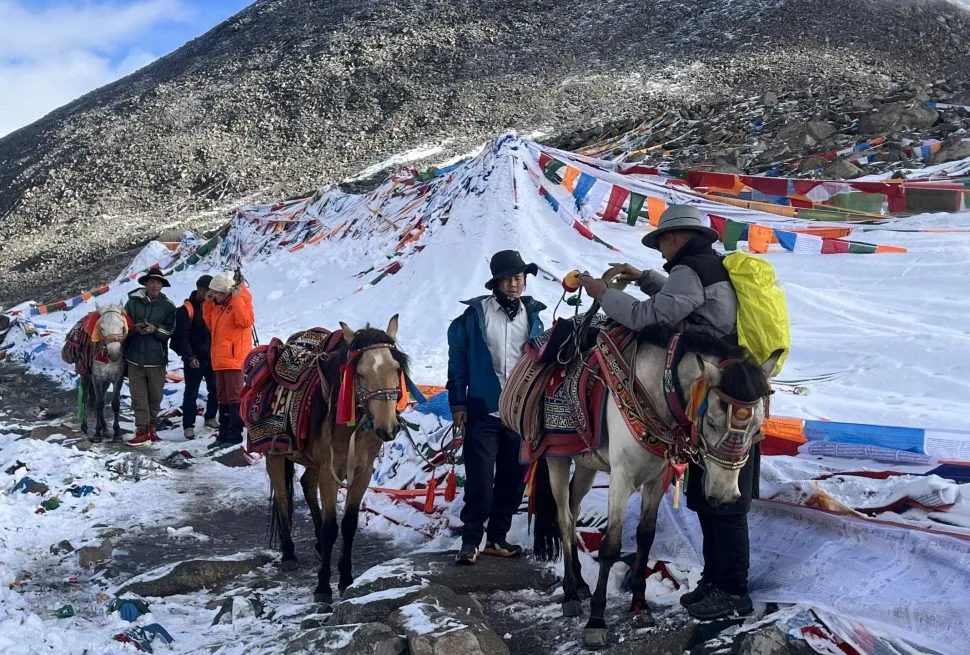
When it comes to Kora in Tibet, there are numerous popular sites where pilgrims and tourists alike can partake in this sacred practice. From the awe-inspiring Barkhor Circuit around Jokhang Temple in Lhasa to the breathtaking Mt. Kailash Kora, each location offers a unique experience that is deeply rooted in Tibetan culture and spirituality.
Popular Kora sites in Tibet
One of the most renowned Kora routes is the Barkhor Circuit, encircling the Jokhang Temple in Lhasa. This bustling pilgrimage route is not only a spiritual hub for Tibetan Buddhists but also a vibrant marketplace where locals and visitors mingle amidst colorful prayer flags and incense smoke. Another iconic site for Kora is the mesmerizing Mt. Kailash, revered as sacred by four major religions and drawing countless pilgrims each year.
Varied experiences on different routes
The experiences on different Kora routes vary greatly, from the lively atmosphere of Barkhor Circuit to the serene and remote trails around Mt. Everest Base Camp or Lake Manasarovar. Each route offers its own set of challenges and rewards, providing participants with an opportunity to immerse themselves in Tibetan culture while embarking on a spiritual journey unlike any other.
GuideTibet’s recommended Kora locations
For those seeking an authentic and meaningful experience, GuideTibet recommends joining a local guide for the Barkhor Circuit in Lhasa or embarking on the sacred Mt. Kailash Kora with experienced trekking support. These carefully curated experiences ensure that participants not only respect local customs and beliefs but also gain a deeper understanding of the spiritual significance of Kora within Tibetan culture.
With breathtaking landscapes as their backdrop, these pilgrims are engaged in their daily practice of circumambulating sacred sites as part of their deep-rooted cultural tradition known as Kora or Circumambulation.
Experiencing Kora/Circumambulation
Immersing in the local customs
When experiencing Kora, it’s essential to immerse yourself in the local customs and traditions of the Tibetan people. From observing the daily rituals of pilgrims to participating in traditional ceremonies, embracing the rich cultural heritage of Tibet adds depth and meaning to your Kora experience.
Interacting with pilgrims during Kora
One of the most rewarding aspects of participating in a Kora is the opportunity to interact with pilgrims along the route. Engaging with these devout individuals provides a unique insight into their spiritual devotion and allows for meaningful cultural exchange, fostering a deeper understanding of Tibetan culture and its connection to Kora.
Interacting with pilgrims during Kora provides an opportunity to witness the unwavering faith and dedication of the pilgrims, which can be incredibly inspiring. Hearing their stories and learning about their personal journeys can have a profound impact on one’s own spiritual beliefs and practices. It’s a humbling experience to connect with individuals who have traveled from far and wide to embark on this sacred pilgrimage, and it serves as a reminder of the universal nature of spirituality.
Impact on personal spiritual journey
Participating in a Kora can have a profound impact on one’s personal spiritual journey. The serene surroundings, rhythmic motions, and spiritual atmosphere create an environment conducive to introspection and self-discovery. Many travelers find that their experience with Kora leaves a lasting impression, inspiring personal growth and reflection.
Additionally, the physical challenge of completing a Kora can also have a profound impact on one’s personal spiritual journey. The act of circumambulating a sacred site requires dedication, perseverance, and strength, all of which can translate into valuable life lessons. Many participants find that pushing themselves to complete the Kora fosters a sense of accomplishment and empowerment, leading to a deeper connection with their spiritual beliefs.
Preserving and Respecting Tibetan Kora Tradition
As the popularity of Kora or Circumambulation grows, it’s crucial to implement sustainable tourism practices around this sacred tradition. This involves minimizing environmental impact, supporting local communities, and respecting the spiritual significance of Kora. By doing so, we can ensure that future generations can continue to experience the beauty of this ancient practice.
Sustainable tourism practices around Kora
Sustainable tourism practices around Kora involve minimizing waste, conserving natural resources, and supporting local economies. This can be achieved through responsible tour operators who prioritize eco-friendly accommodations, promote ethical interactions with local communities, and advocate for the preservation of sacred sites along Kora routes.
Additionally, sustainable tourism practices around Kora can also involve promoting cultural exchange and education. This can be achieved by offering opportunities for travelers to engage in local traditions, participate in community activities, and learn about the history and significance of the Kora route. By fostering a deeper understanding and appreciation for the local culture, tourists are more likely to respect and support the preservation of traditional customs and beliefs.
Respecting local customs and beliefs
Respecting local customs and beliefs is essential when participating in a Kora. It’s important to understand the cultural significance of each site, follow traditional etiquette such as walking clockwise around sacred structures, and refrain from any behavior that may disrupt the spiritual atmosphere. Additionally, being mindful of dress code is crucial, as some sites may require visitors to dress modestly or cover their heads. Engaging with local communities in a respectful and open-minded manner can also enhance the overall experience, allowing for meaningful cultural exchange and a deeper understanding of the traditions surrounding the Kora.
GuideTibet’s approach to responsible travel
At GuideTibet, we are committed to responsible travel practices that prioritize the preservation of Tibetan culture and traditions. Our tours are designed to minimize environmental impact, support local communities through fair employment opportunities, and educate travelers on the importance of respecting the spiritual significance of Kora. In addition to these efforts, we also work closely with local artisans and craftsmen to promote sustainable tourism by offering authentic souvenirs that directly support their livelihoods. By purchasing these handmade goods, travelers can contribute to the preservation of traditional Tibetan arts and crafts while also supporting local economic development.
Conclusion
In conclusion, Kora or Circumambulation is deeply ingrained in Tibetan culture and holds great spiritual and cultural significance. The practice of Kora is a way for Tibetan people to connect with their spirituality on a daily basis, and it plays a crucial role in Tibetan pilgrimage. When visiting Tibet, it’s essential to embrace the Kora experience as it provides an authentic insight into the local customs and beliefs.
Understanding the essence of Kora in Tibetan culture
Kora or Circumambulation is not just a physical act but a spiritual journey for Tibetans, symbolizing their devotion to Buddhism and their connection to the land. It’s a way for them to show reverence to sacred sites and seek blessings from deities. The practice of Kora is deeply rooted in Tibetan culture, reflecting the values and beliefs that have been passed down through generations.
Embracing the spiritual and cultural significance
By participating in Kora during your Tibet trip, you’ll have the opportunity to immerse yourself in the rich spiritual and cultural heritage of Tibet. You’ll witness firsthand how Tibetan people express their faith through this ritualistic practice, gaining a deeper understanding of their way of life. Embracing the spiritual and cultural significance of Kora will undoubtedly enrich your travel experience in Tibet.
Integrating Kora experience into your Tibet tour with GuideTibet
When traveling to Tibet with GuideTibet, you’ll have the chance to join in on some of the most popular Koras, such as those around Jokhang Temple or Potala Palace. Our experienced guides will provide insight into the historical and cultural importance of each site, enhancing your overall understanding of Kora. By integrating the Kora experience into your Tibet tour with GuideTibet, you’ll gain a profound appreciation for this integral aspect of Tibetan culture.