Introduction
Buddhism, a rich tapestry of beliefs and practices, is not just about meditation and mindfulness; it also paints a vivid picture through the **colors of Buddhism**. Each hue carries profound meanings and reflects deep spiritual concepts, particularly within Tibetan traditions. By understanding these colors, we can gain insights into the essence of Buddhist teachings and their relevance in daily life.
Unveiling the Colors of Buddhism
The **colors of Buddhism** are more than mere aesthetics; they symbolize various aspects of spiritual growth and enlightenment. From the serene blues to the vibrant reds, each color resonates with specific qualities that practitioners aim to embody. So, what colors do Buddhists wear? The answer lies in their rich symbolism that guides followers on their path toward inner peace.
The Significance of Tibetan Colors
In Tibetan Buddhism, colors hold unique significance that often intertwines with cultural practices and rituals. The **Meanings of Different Colors in Tibetan Buddhism** reveal layers of meaning that enhance our understanding of Buddhist philosophy. These colors serve as reminders for practitioners to cultivate certain virtues such as compassion, wisdom, and purity throughout their spiritual journeys.
Exploring Color Symbolism in Buddhism
The exploration of **Buddhism color symbolism** opens up a fascinating dialogue about how these hues influence both art and daily practices within the faith. Each color is imbued with historical context and emotional resonance, offering followers a palette from which to draw inspiration for personal growth. As we delve deeper into this colorful realm, we uncover how these shades reflect not only individual aspirations but also collective cultural identity within the broader spectrum of Buddhist practice.
The Basics of Buddhism Color Symbolism
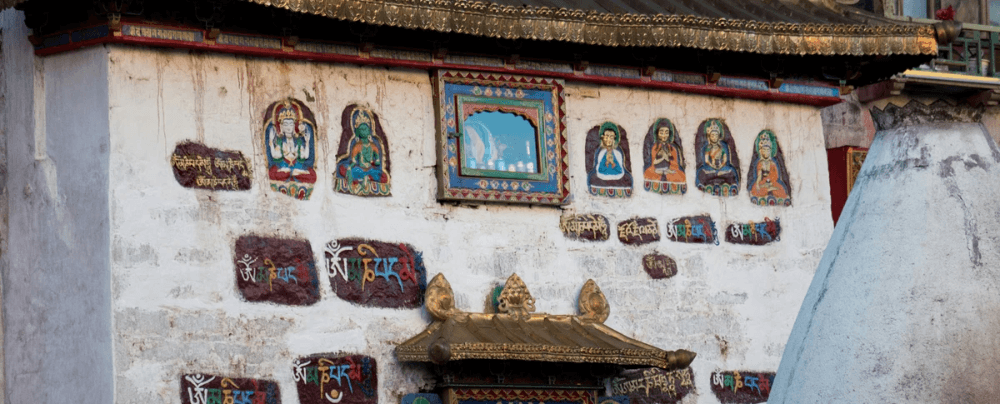
In the rich tapestry of Buddhism, color serves as a powerful medium for conveying spiritual meanings and teachings. Understanding the colors of Buddhism can enhance one’s appreciation for rituals, art, and monastic life. Each hue carries its own significance, influencing how practitioners engage with their beliefs and practices.
Understanding Buddhism Color Meanings
The meanings of different colors in Tibetan Buddhism are deeply intertwined with the philosophy and teachings of the faith. Colors are not just aesthetic choices; they embody spiritual concepts such as purity, wisdom, and compassion. For instance, white symbolizes enlightenment and purity, while red often represents energy and passion—both crucial elements in a practitioner’s journey toward awakening.
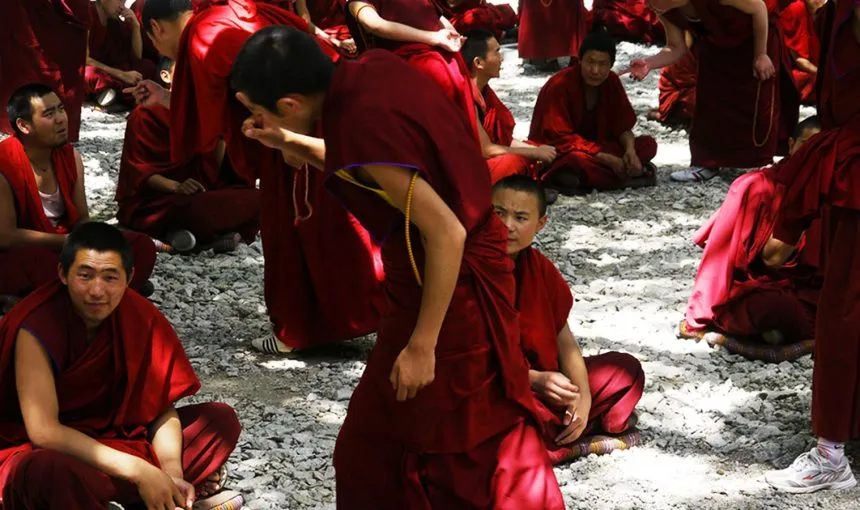
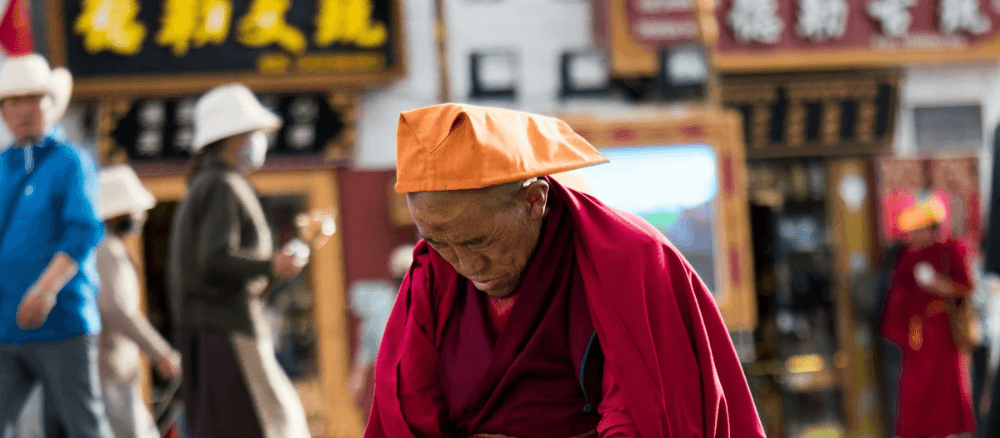
Exploring what colors do Buddhists wear reveals how these meanings manifest in daily life. Monks don specific robes that reflect their sect’s teachings—each color chosen to symbolize particular virtues or aspects of enlightenment. This conscious choice reinforces the idea that every color is laden with intention and purpose within Buddhist practice.
Overview of Key Colors in Buddhism
When examining Buddhist colors more closely, several key hues emerge as particularly significant across various traditions. The primary colors include white, red, blue, yellow, green, and black—each representing different qualities essential to Buddhist philosophy. For example, blue denotes tranquility and wisdom while yellow conveys richness and knowledge—attributes that guide practitioners on their path.
These colors also play an essential role in iconography; for instance, the color of Buddha’s aura is often depicted as golden or blue depending on the context. This visual representation serves to remind followers of the qualities they seek to cultivate within themselves through meditation and practice. Thus, understanding these colors deepens one’s connection to Buddhist teachings.
Significance of Colors in Tibetan Traditions
In Tibetan traditions specifically, color symbolism takes on unique nuances that reflect cultural heritage alongside spiritual beliefs. The vibrant palette found in Tibetan art is not merely decorative; it communicates profound truths about existence and enlightenment through vivid imagery infused with meaning. For instance, the use of gold signifies divine qualities while green embodies balance between wisdom and compassion.
Additionally, rituals often incorporate specific colors to invoke particular energies or blessings during ceremonies—highlighting how integral these hues are to spiritual practice within Tibetan Buddhism. As practitioners engage with these colorful elements during pujas (rituals), they become more attuned to their inner selves while connecting with broader cosmic forces at play around them.
In conclusion, delving into Buddhism color symbolism opens up a world rich with meaning—a kaleidoscope where each shade tells a story about human experience on the path toward enlightenment.
The Symbolism of White in Tibetan Buddhism

White is a color steeped in meaning within the rich tapestry of Tibetan Buddhism. It represents purity and enlightenment, serving as a reminder of the clear, unblemished nature of the mind when free from delusions. In the context of Buddhist colors, white embodies both spiritual clarity and the ultimate goal of achieving enlightenment.
Purity and Enlightenment
The significance of white in Buddhism cannot be overstated; it symbolizes purity and a state of enlightenment that practitioners aspire to attain. This color reflects the idea that one can cleanse their mind and heart, shedding worldly attachments to reach a higher state of being. In many teachings, this association with purity suggests that just as snow is untouched by impurities, so too can one’s mind become clear through dedicated practice.
White in Rituals and Practices
In various rituals and practices within Tibetan Buddhism, white plays an essential role, often used in offerings and ceremonial attire. Monks may wear white robes during specific ceremonies to signify their connection to purity and spiritual intentions. Additionally, offerings made from white items—such as rice or milk—are believed to invoke blessings from deities, highlighting how colors of Buddhism are intricately woven into daily spiritual life.
The White Tara Connection
One notable figure associated with the color white is White Tara, a revered female Bodhisattva symbolizing compassion and healing in Tibetan traditions. She is often depicted with a serene expression surrounded by vibrant imagery that emphasizes her gentle yet powerful nature; her presence exemplifies the meanings of different colors in Tibetan Buddhism through her embodiment of peace and tranquility. Devotees call upon White Tara for protection and guidance on their path toward enlightenment—a vivid illustration of how Buddhist colors resonate deeply within spiritual practices.
The Power of Red in Buddhist Practices
Red is a color that resonates deeply within the tapestry of Buddhism, symbolizing energy and passion. In Tibetan culture, red embodies the fervor of spiritual awakening and the drive to attain enlightenment. The vibrancy of red serves as a reminder to practitioners to harness their inner strength and motivation on their spiritual journeys.
Energy and Passion
In Buddhism, colors have profound meanings, and red stands out as a beacon of energy and passion. It signifies not just emotional intensity but also the dynamism required for spiritual growth. When we delve into the meanings of different colors in Tibetan Buddhism, red emerges as a motivational force that encourages practitioners to engage fully with their spiritual practices.
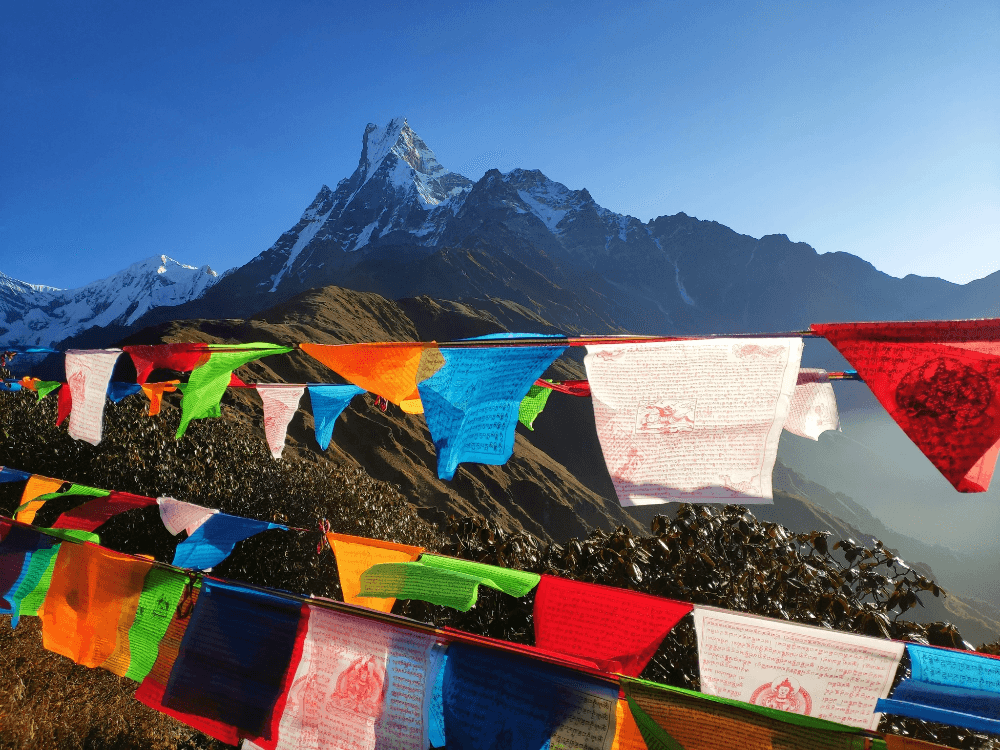
The infusion of energy associated with red can be seen in various rituals where practitioners wear or display this color prominently. Whether it’s in prayer flags fluttering against the wind or in ceremonial attire, red amplifies the vibrational energy around Buddhist practices. This connection between passion and practice invites Buddhists to embrace their emotions while navigating the path toward enlightenment.
Red’s Role in Tibetan Art
Tibetan art is an explosion of colors, but none are quite as striking as red. This hue plays a pivotal role in depicting deities, mandalas, and other sacred imagery within Tibetan Buddhist art forms. From vivid thangka paintings to intricately designed sculptures, red often dominates compositions—symbolizing life force and vitality essential for transcendence.
The use of red also extends beyond mere aesthetics; it carries deep symbolism tied to protection and transformation within Buddhist narratives. Artists intentionally incorporate this color into their works to invoke powerful energies that resonate with viewers on both conscious and subconscious levels. As you explore these artistic expressions, you’ll discover how integral red is in conveying profound teachings through visual means.
The Connection to Chenrezig
One cannot discuss the power of red without acknowledging its association with Chenrezig (Avalokiteshvara), the embodiment of compassion in Tibetan Buddhism. Often depicted wearing vibrant robes adorned with shades of red, Chenrezig symbolizes not only love but also passionate commitment towards alleviating suffering for all sentient beings. This connection highlights how colors influence perceptions within Buddhist practices.
Red’s presence around Chenrezig serves as an invitation for practitioners to embody these qualities—encouraging them to cultivate compassion fueled by passionate action rather than passive sentimentality alone. Through rituals invoking Chenrezig’s blessings or meditative practices centered on his figure, devotees tap into this vibrant energy that propels them forward on their spiritual paths while embracing core values inherent within Buddhism color symbolism.
As we reflect on these layers surrounding red’s significance across various aspects—from emotional resonance through energetic expression—to its artistic representation intertwined with key figures like Chenrezig; it becomes clear why understanding these colors matters so much!
The Depth of Blue in Tibetan Symbolism

The color blue holds profound significance in Tibetan Buddhism, often embodying tranquility and wisdom. This serene hue is associated with the vastness of the sky and the depth of the ocean, symbolizing a calm state of mind that is essential for spiritual growth. In many teachings, blue represents a clear understanding and insight into the nature of reality, making it one of the key colors in Buddhism.
Tranquility and Wisdom
In Buddhist philosophy, tranquility is crucial for meditation and achieving enlightenment. The meanings of different colors in Tibetan Buddhism highlight how blue fosters an environment conducive to peaceful contemplation. When practitioners seek inner peace, they often turn to blue imagery or attire, reinforcing their commitment to cultivating wisdom through calmness.
The Blue Color of Buddha’s Aura
What is the color of Buddha’s aura? Traditionally, it is depicted as blue, signifying his enlightened state and profound wisdom. This radiant aura not only represents his purity but also serves as a guide for followers on their spiritual path. Understanding this aspect helps practitioners appreciate how colors of Buddhism can reflect deeper truths about existence and enlightenment.
The Importance of Blue in Ritual Objects
Blue plays a significant role in various ritual objects used within Tibetan Buddhism. From thangkas to prayer flags, these items often incorporate shades of blue to invoke serenity during practices. By integrating this color into their rituals, Buddhists aim to enhance their spiritual experience while embracing the calming qualities that blue embodies.
The Warmth of Yellow in Buddhist Teachings
Yellow, a color often associated with warmth and positivity, holds a special place in the colors of Buddhism. It symbolizes richness and knowledge, embodying the wisdom that is central to Buddhist teachings. In Tibetan Buddhism, yellow represents the fertile ground from which enlightenment can bloom, making it an essential hue in the spiritual journey.
Richness and Knowledge
In the context of Buddhism color symbolism, yellow signifies abundance and intellectual richness. It reflects both material wealth and spiritual insight, suggesting that true richness comes from understanding and compassion rather than mere possessions. The meanings of different colors in Tibetan Buddhism highlight yellow as a beacon of hope for those seeking knowledge on their path to enlightenment.
Yellow in Monastic Attire
When pondering what colors do Buddhists wear?, one cannot overlook the significance of yellow in monastic attire. Monks often don robes adorned with shades of yellow, representing their commitment to the teachings of Buddha and their pursuit of wisdom. This choice not only reflects their spiritual dedication but also serves as a reminder to practitioners about the importance of cultivating knowledge within themselves.
The Symbolism of the Yellow Hat Sect
The Yellow Hat Sect, or Gelug school, further emphasizes the importance of this vibrant hue in Tibetan traditions. Founded by Tsongkhapa in the 14th century, this sect’s name derives from its distinctive yellow hats worn during rituals and ceremonies—symbols that represent clarity and wisdom within Buddhist philosophy. Thus, when exploring Buddhist colors, one cannot ignore how yellow encapsulates both tradition and profound meaning within Tibetan culture.
Conclusion
In the vibrant tapestry of Buddhism, colors serve as profound symbols that reflect deeper spiritual meanings. The colors of Buddhism are not just aesthetic choices but carry significant weight in conveying teachings and beliefs. From the purity of white to the passionate energy of red, each hue contributes to a rainbow of spiritual meaning that enriches the practice and understanding of this ancient tradition.
A Rainbow of Spiritual Meaning
The meanings of different colors in Tibetan Buddhism resonate with various aspects of life and enlightenment. Each color embodies unique qualities that practitioners can connect with on their spiritual journeys, such as tranquility in blue or wisdom in yellow. By exploring these rich color associations, one can gain insight into Buddhist philosophies and how they apply to personal growth and understanding.
The Role of Colors in Daily Life
Colors play a vital role in daily life for Buddhists, influencing not only clothing choices but also home decor and ritual practices. Many wonder, What colours do Buddhists wear? The answer often reflects their beliefs, with monks donning saffron robes symbolizing renunciation while laypeople may choose hues that resonate with their personal aspirations for mindfulness and compassion. Thus, the vibrant palette becomes a constant reminder of one’s commitment to Buddhist values.
Discovering Colors of Buddhism with GuideTibet
To delve deeper into the fascinating world of Buddhism color symbolism, resources like GuideTibet offer invaluable insights into how these colors shape practices and rituals across various traditions. Whether you’re curious about what is the color of Buddha’s aura or seeking guidance on incorporating these hues into your life, such platforms provide a wealth of knowledge for both novices and seasoned practitioners alike. Embracing the colors of Buddhism can enhance your spiritual journey while fostering a greater appreciation for this beautiful tradition.