Introduction
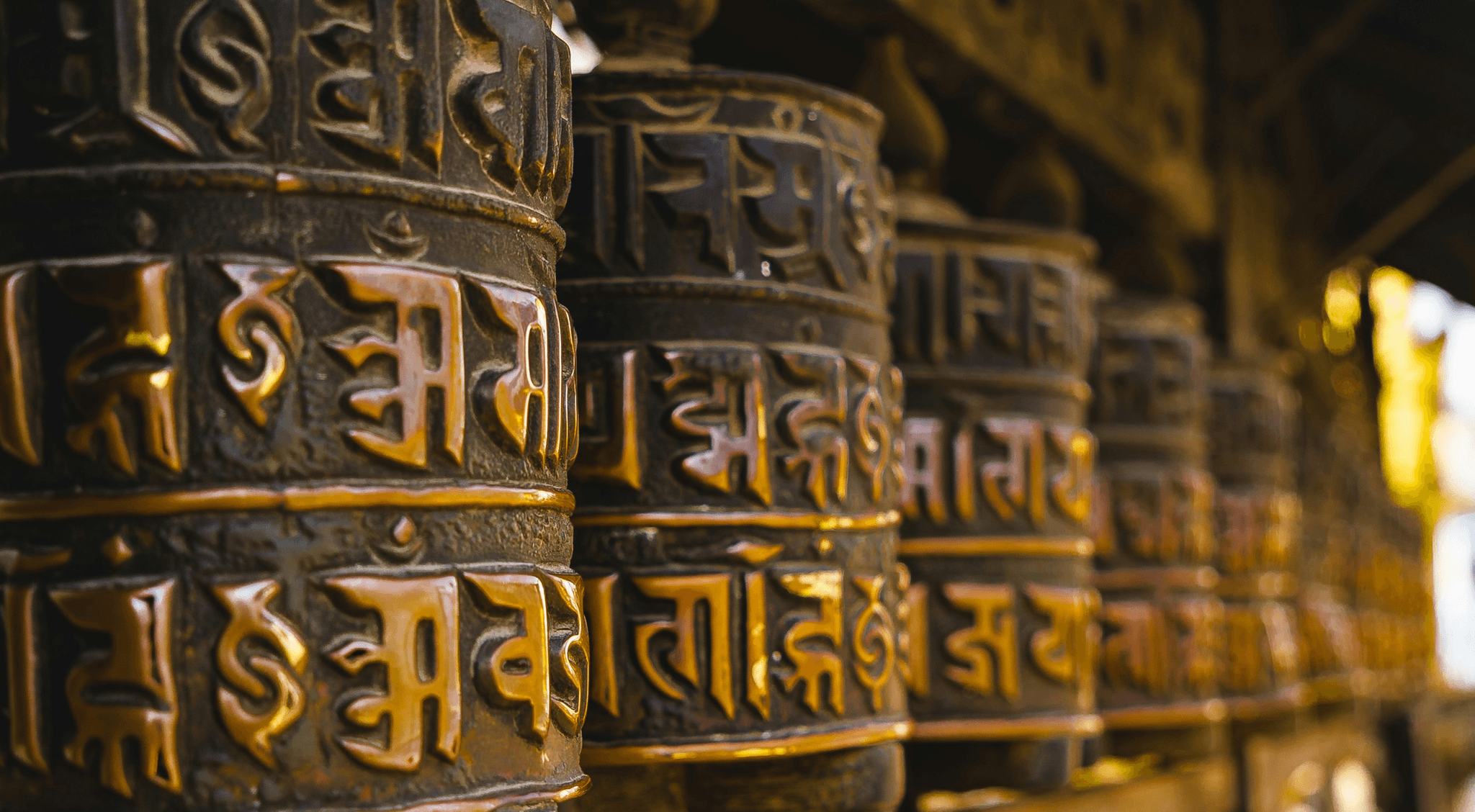
Tibetan Prayer Wheels have long been shrouded in mystery and intrigue, captivating the hearts and minds of spiritual seekers around the world. These ancient artifacts offer a glimpse into the rich tapestry of Tibetan spiritual practice, with a history dating back centuries. Exploring the ancient tradition of Tibetan Prayer Wheels unveils a world of symbolism, ritual, and profound spiritual significance.
Unveiling the Mystical Tibetan Prayer Wheel
What is a Tibetan prayer wheel used for? The Tibetan prayer wheel is a sacred tool used for meditation and spiritual practice. It is believed that spinning the wheel releases blessings and purifies negative karma. The act of spinning the wheel is said to generate positive energy and bring about inner peace.
A Glimpse into the Spiritual Practice of Tibetan Prayer Wheels
What is the mantra for the prayer wheel? The mantra commonly associated with the prayer wheel is Om Mani Padme Hum, which translates to The jewel is in the lotus. This powerful mantra embodies compassion and wisdom, making it an integral part of Tibetan Buddhist practice.
Exploring the Ancient Tradition of Tibetan Prayer Wheels
What is the meaning of the Tibetan prayer box? The Tibetan prayer box, also known as a prayer wheel, holds great significance in Tibetan culture and spirituality. It serves as a tangible symbol of devotion and reverence, representing an ancient tradition that continues to thrive in modern times.
The Origin and History of Tibetan Prayer Wheels
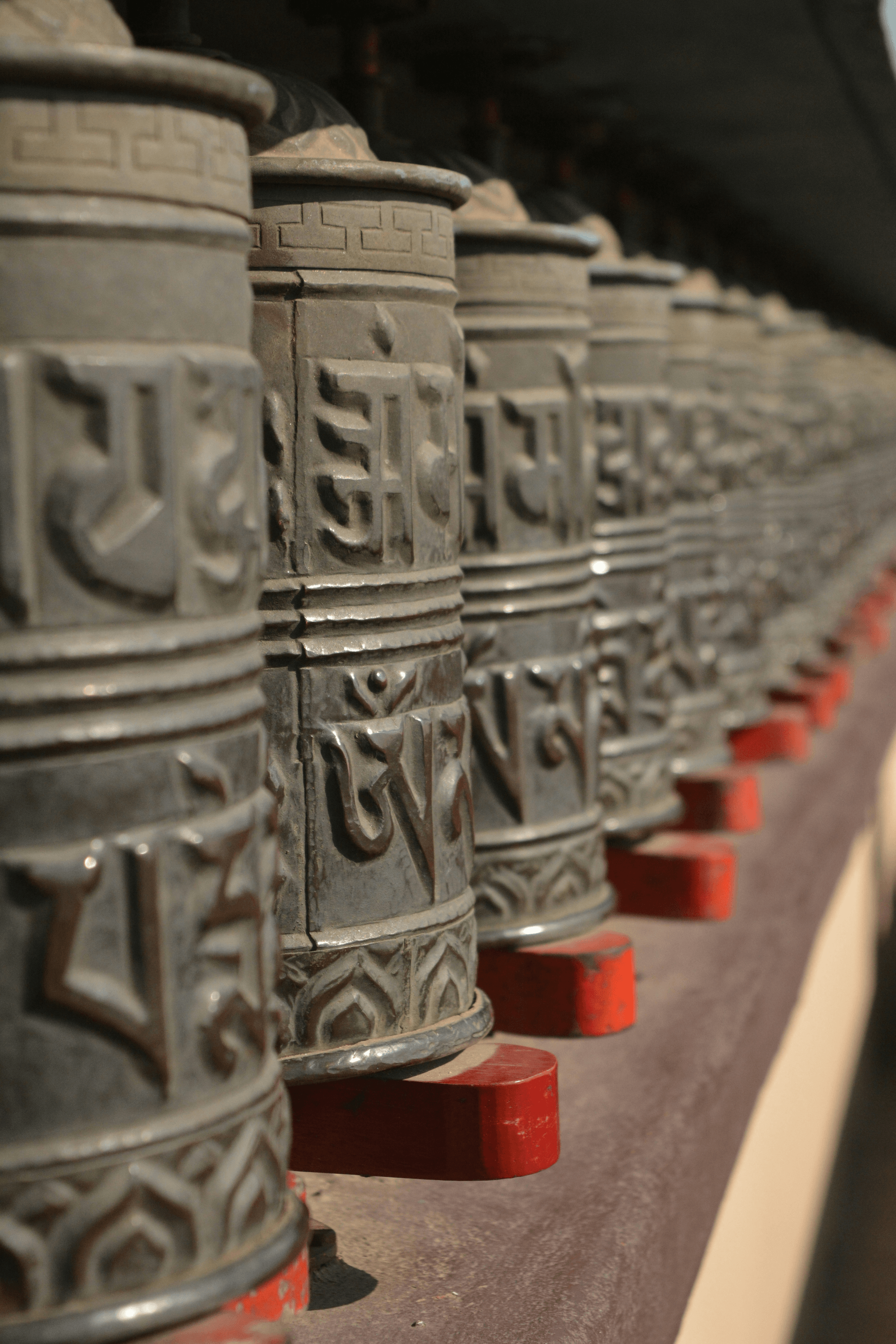
The Ancient Origins of Tibetan Prayer Wheels
Tibetan prayer wheels have ancient origins, dating back to the 4th century. These sacred objects were first used by Buddhist monks as a means of prayer and meditation. The earliest versions were simple hand-held cylinders, filled with written mantras and spun to send blessings into the world.
As Tibetan Buddhism spread throughout the region, prayer wheels evolved to become larger and more ornate. Monasteries began to install large prayer wheels, sometimes reaching several feet in height, which could be spun by hand or by the force of flowing water. These grand prayer wheels became central features of monastic courtyards, with devotees spinning them as they passed by, sending their prayers and blessings into the world. The intricate designs and craftsmanship of these prayer wheels became a form of artistic expression, with each one serving as a unique symbol of devotion and spiritual practice.
The Evolution of Tibetan Prayer Wheels Throughout History
Over time, the design and function of Tibetan prayer wheels evolved, with larger, more ornate versions being created for temples and monasteries. These intricate wheels were often adorned with precious metals and gemstones, reflecting the spiritual significance placed on them by practitioners.
As the popularity of Tibetan prayer wheels spread beyond monasteries and temples, smaller, more portable versions were developed for individual use. These handheld prayer wheels allowed practitioners to carry their spiritual tools with them wherever they went, providing a constant source of comfort and connection to their faith. The evolution of these smaller prayer wheels also reflected the adaptability of Tibetan Buddhist practices in accommodating the needs and lifestyles of its followers.
The Cultural Significance of Tibetan Prayer Wheels
In Tibetan culture, prayer wheels hold deep spiritual significance as symbols of devotion and enlightenment. They are believed to bring blessings to those who use them, as well as to the surrounding environment. This ancient tradition remains an integral part of Tibetan Buddhist practice today. The meaning and rituals of Tibetan prayer wheels involve a specific set of guidelines for their proper use. Devotees are instructed to spin the wheel in a clockwise direction, symbolizing the turning of the wheel of dharma and the spreading of positive energy throughout the world.
The Meaning and Rituals of Tibetan Prayer Wheels
Tibetan Prayer Wheels hold deep spiritual significance in Tibetan Buddhism, symbolizing the wheel of life and the teachings of Buddha. These cylindrical devices are used for reciting sacred mantras, believed to bring blessings and spiritual purification to those who turn them. The mantra commonly used for the prayer wheel is Om Mani Padme Hum, which is a powerful invocation for compassion and enlightenment.
Understanding the Symbolism Behind Tibetan Prayer Wheels
The Tibetan prayer wheel, also known as Mani wheel, represents the continuous cycle of birth, death, and rebirth in Buddhist belief. It embodies the idea of endless transformation and serves as a physical manifestation of spiritual practice. Each rotation of the prayer wheel is thought to send out positive energy and prayers into the universe, benefitting all sentient beings.
The Sacred Mantra and Rituals Associated with Tibetan Prayer Wheels
The sacred mantra inscribed on the prayer wheel, Om Mani Padme Hum, is a six-syllable invocation representing compassion, wisdom, and enlightenment. When practitioners spin the prayer wheel clockwise, it is believed that they are reciting this mantra repeatedly with each rotation. This act is considered an offering to deities and an expression of devotion to Buddhist teachings.
Exploring the Spiritual Practices of Tibetan Prayer Wheel
Using a single Tibetan prayer wheel involves a specific ritual: holding it in one hand while turning it clockwise with gentle movements of the wrist or fingers. This action generates positive energy and accumulates merit for both oneself and others. The spiritual practice associated with Tibetan prayer wheels promotes mindfulness, compassion, and inner peace through repetitive recitation of sacred mantras.
The Construction and Design of Tibetan Prayer Wheels
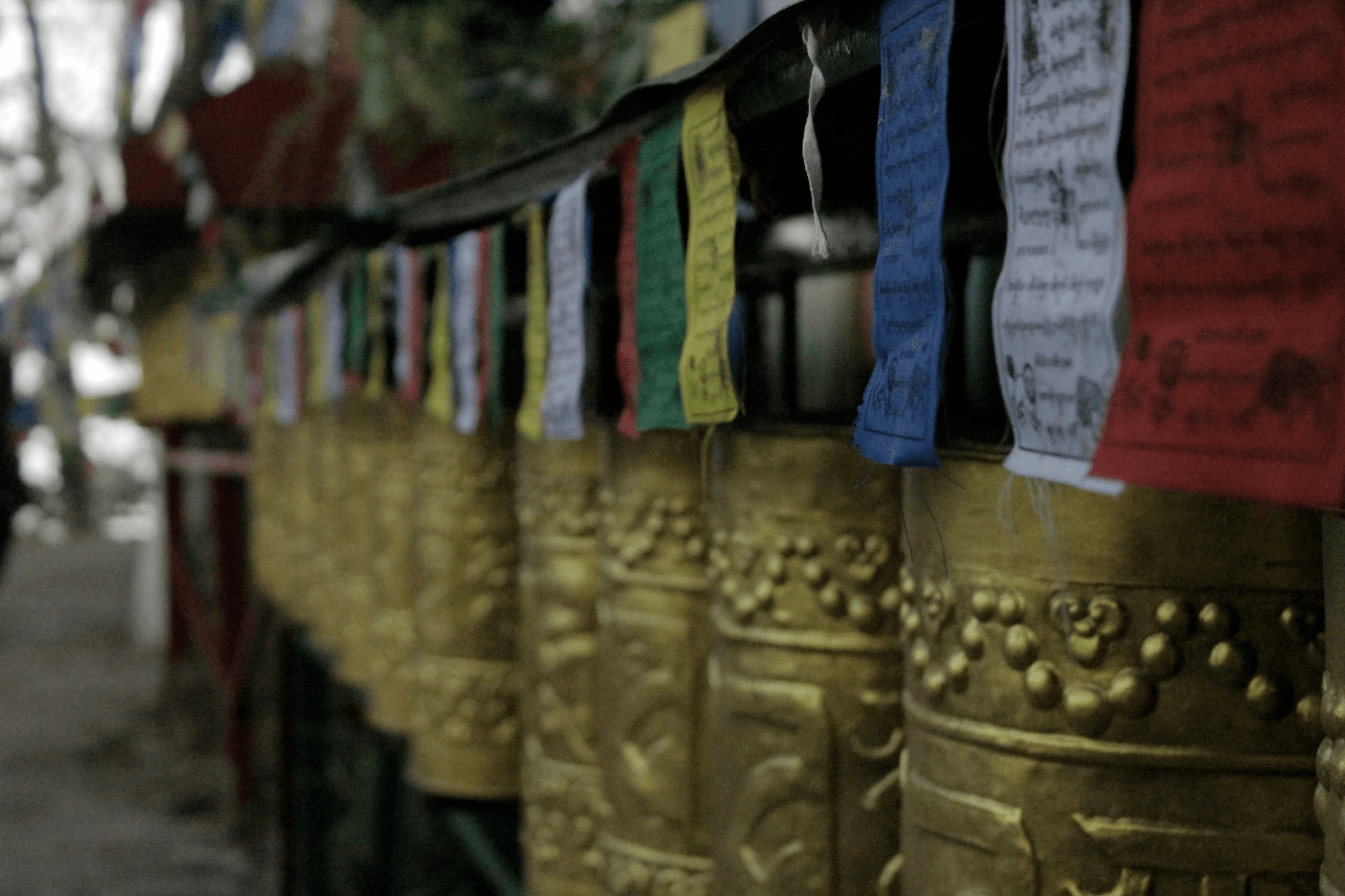
The Artistry and Craftsmanship of Tibetan Prayer Wheels
The construction of Tibetan prayer wheels involves intricate artistry and craftsmanship, with skilled artisans meticulously handcrafting each wheel. These artisans pour their heart and soul into creating these sacred objects, ensuring that each prayer wheel is a masterpiece of artistic expression and spiritual significance.
The Intricate Designs and Materials Used in Tibetan Prayer Wheels
Tibetan prayer wheels are often made from a variety of materials such as wood, metal, and even precious stones. The designs range from simple to ornate, with intricate carvings and embellishments that reflect the rich cultural heritage of Tibet. Each component is carefully selected to embody the spiritual essence of the prayer wheel.
The Symbolic Elements Incorporated into Tibetan Prayer Wheels
The design of a Tibetan prayer wheel incorporates various symbolic elements that hold deep spiritual meanings. From the sacred mantra inscribed on the wheel to the auspicious symbols adorning its surface, every aspect is infused with profound symbolism aimed at invoking blessings and spiritual enlightenment for those who use it.
The Spiritual Benefits and Significance of Using a Tibetan Prayer Wheel
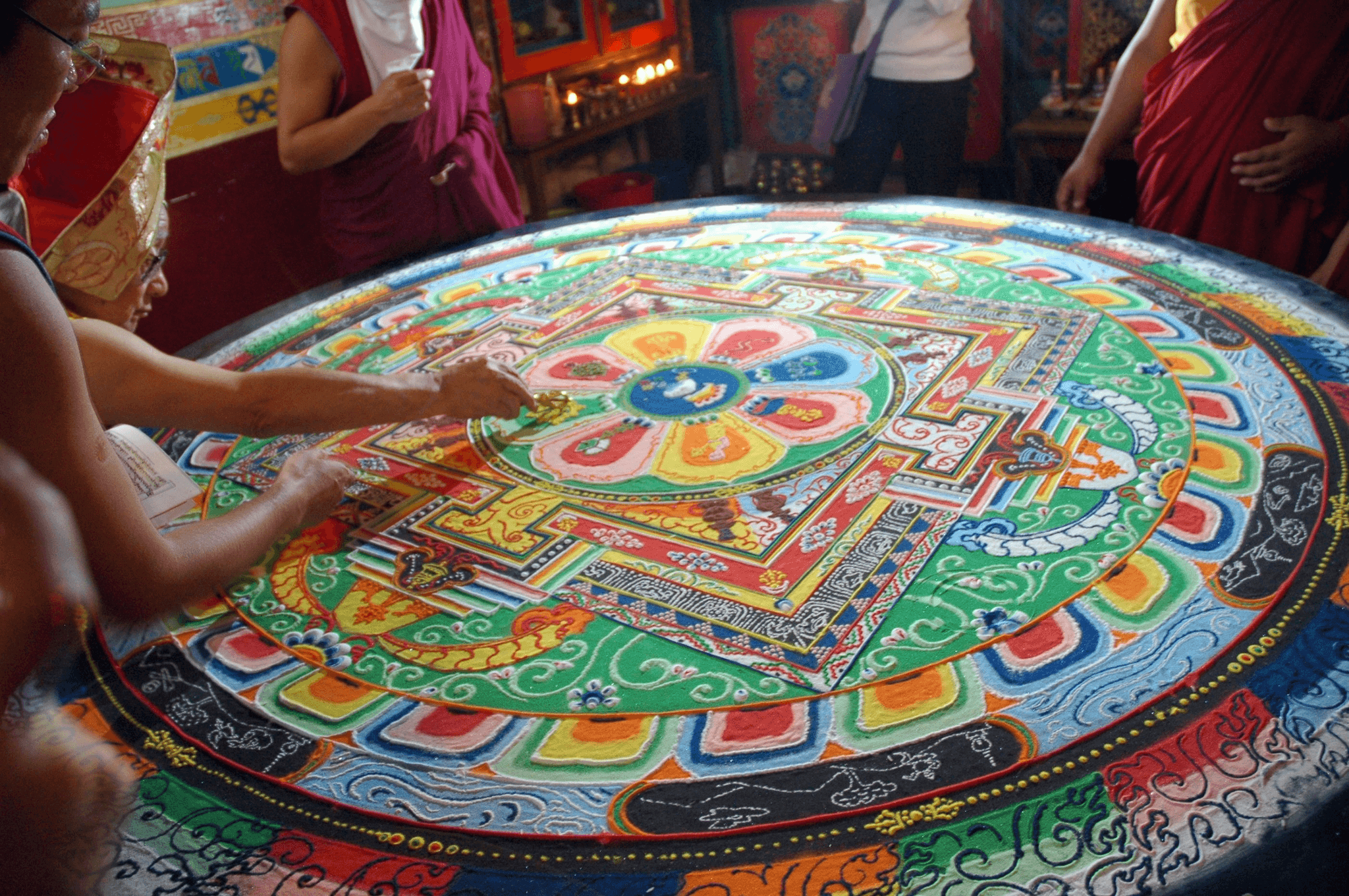
The Healing and Purifying Powers of Tibetan Prayer Wheels
Tibetan prayer wheels are used for healing and purifying the mind, body, and spirit. By spinning the prayer wheel, practitioners believe that it releases positive energy into the world, bringing about healing and purification. The mantra for the prayer wheel, Om Mani Padme Hum, is believed to have powerful healing properties, making the act of using a Tibetan prayer wheel a spiritual practice that promotes overall well-being.
The Spiritual Enlightenment and Blessings Received from Tibetan Prayer Wheels
The Tibetan wheel holds great significance in bestowing spiritual enlightenment and blessings upon those who use it. As practitioners spin the prayer wheel, they believe that it accumulates merit and brings forth blessings from the divine. The mantra Om Mani Padme Hum is chanted with each rotation of the wheel, invoking spiritual enlightenment and blessings that are said to bring peace and joy to one’s life.
The Transformational Effects of Using a Tibetan Prayer Wheel
Using a single Tibetan prayer wheel can have transformational effects on an individual’s spiritual journey. It is believed that by engaging in this sacred practice, one can experience inner transformation, leading to greater compassion, wisdom, and understanding. Through regular use of the prayer wheel, individuals may undergo a profound shift in consciousness, leading to personal growth and spiritual evolution.
The Modern-Day Relevance and Influence of Tibetan Prayer Wheels
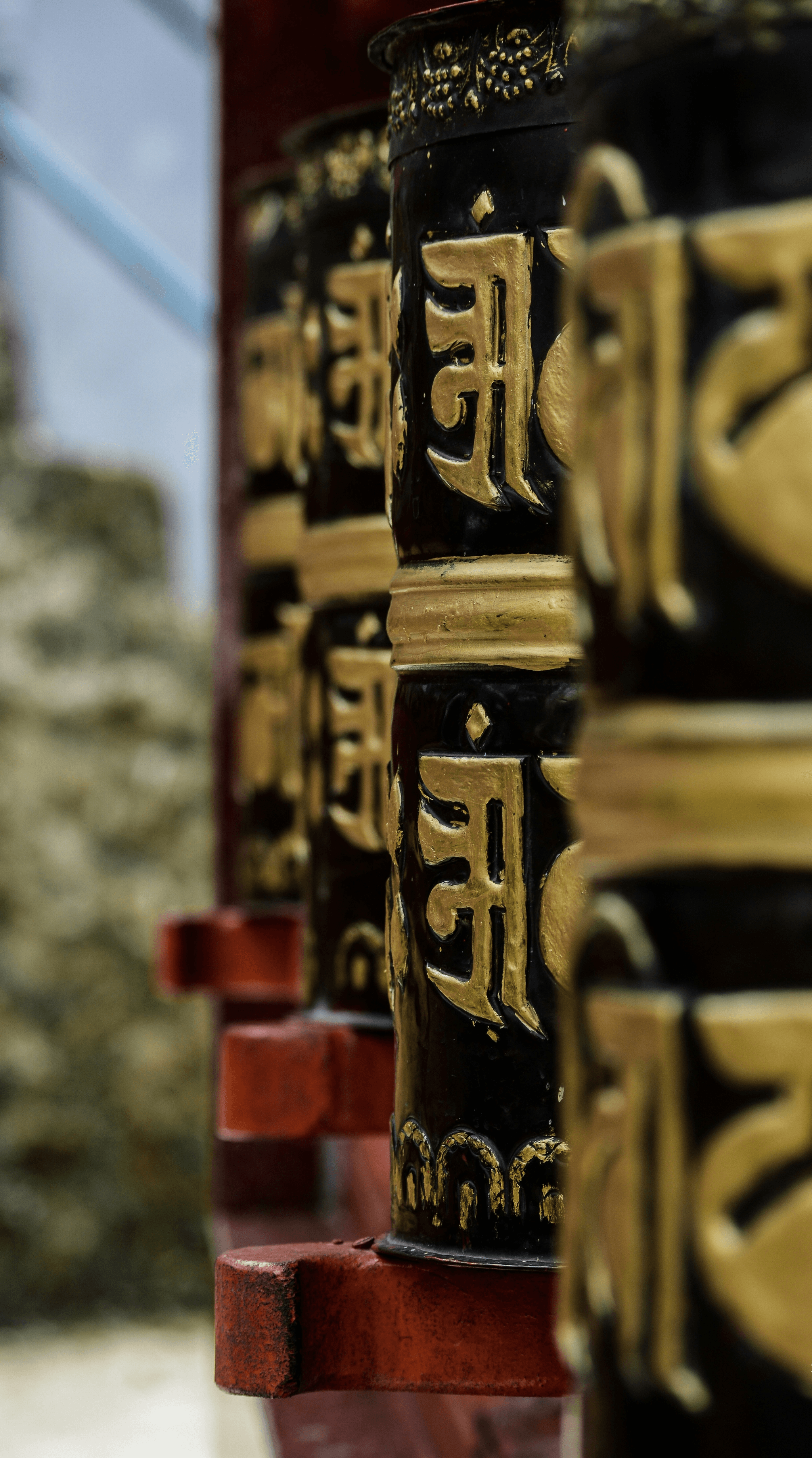
Tibetan Prayer Wheels have experienced a global resurgence, captivating spiritual seekers and collectors alike with their mystical allure. These ancient artifacts have transcended cultural boundaries, finding their way into homes and meditation spaces around the world. The soothing rhythm of the prayer wheel’s rotation has become a symbol of peace and spiritual connection in today’s fast-paced society.
The Global Impact and Adoption of Tibetan Prayer Wheels
In recent years, the popularity of Tibetan Prayer Wheels has soared, as people seek solace in traditional spiritual practices. From bustling metropolises to serene retreat centers, these sacred objects have made their mark on a global scale. With their serene presence and calming influence, Tibetan Prayer Wheels have become an integral part of modern-day mindfulness practices, offering a sense of tranquility in an increasingly chaotic world.
As people continue to seek inner peace and spiritual fulfillment, Tibetan Prayer Wheels have become a symbol of hope and tranquility in a world filled with chaos and uncertainty. Their traditional significance and calming influence have resonated with individuals from all walks of life, leading to a widespread adoption of these sacred objects in contemporary spiritual practices. Whether used as a focal point for meditation or as a means of connecting with ancient traditions, Tibetan Prayer Wheels offer a sense of grounding and serenity in today’s fast-paced society.
The Role of Tibetan Prayer Wheels in Contemporary Spiritual Practices
As mindfulness and meditation gain traction in mainstream culture, Tibetan Prayer Wheels have found a new role as tools for inner reflection and spiritual growth. Their gentle whirring serves as a reminder to pause, breathe, and reconnect with the present moment. Whether used in personal meditation or as decorative pieces in holistic wellness spaces, these prayer wheels continue to hold significance in contemporary spiritual practices.
Embracing the Timeless Tradition of Tibetan Prayer Wheels
In a rapidly evolving world, the enduring tradition of Tibetan Prayer Wheels offers a timeless source of wisdom and serenity. Embracing these ancient artifacts allows individuals to tap into centuries-old rituals that promote peace and harmony. By incorporating the practice of spinning prayer wheels into daily life, one can honor the rich cultural heritage behind these revered objects while finding solace in their enduring message of compassion and goodwill.
In addition, the physical act of spinning a prayer wheel can serve as a form of meditation, allowing individuals to center themselves and find inner peace amidst the chaos of modern life. The repetitive motion of turning the wheel can help quiet the mind and create a sense of mindfulness, fostering a deeper connection to one’s spiritual beliefs. This practice can be especially beneficial for those seeking a way to manage stress and anxiety in an increasingly fast-paced world.
Conclusion
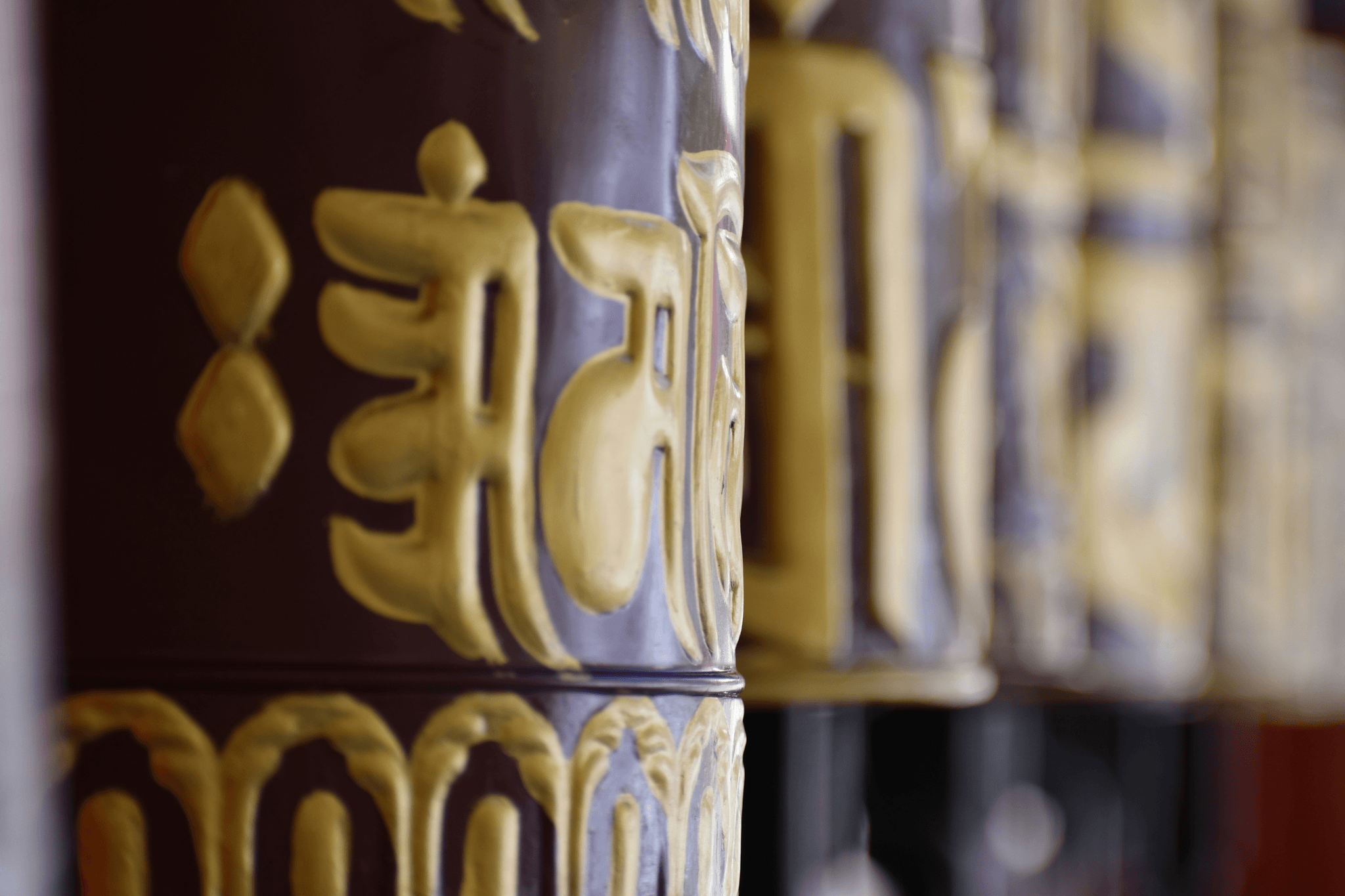
Tibetan prayer wheels have been an integral part of Tibetan Buddhist culture for centuries, serving as a powerful tool for spiritual practice and enlightenment. Embracing the spiritual journey with Tibetan prayer wheels allows individuals to connect with their inner selves and find peace amidst the chaos of everyday life. By turning the prayer wheel, one can experience a sense of tranquility and enlightenment that transcends the material world.
Embracing the Spiritual Journey with Tibetan Prayer Wheels
The use of Tibetan prayer wheels is deeply rooted in the spiritual journey towards enlightenment. As practitioners turn the wheel, they recite the sacred mantra Om Mani Padme Hum, which is believed to bring about positive energy and purify negative karma. This ritual not only fosters a sense of inner peace but also connects individuals to their spiritual essence, allowing them to navigate life’s challenges with grace and wisdom.
Finding Inner Peace and Enlightenment through Tibetan Prayer Wheels
The mantra for the prayer wheel, Om Mani Padme Hum, holds profound significance in Tibetan Buddhism as it embodies compassion and wisdom. By spinning the prayer wheel, individuals invoke these qualities within themselves, ultimately finding inner peace and enlightenment. The repetitive motion of turning the wheel becomes a meditative practice that brings about a sense of calmness and clarity, allowing practitioners to transcend worldly distractions.
Unveiling the Spiritual Mysteries of Tibetan Prayer Wheels
The meaning of the Tibetan prayer box lies in its ability to serve as a vessel for spiritual transformation. As individuals engage in this ancient ritual, they uncover profound spiritual mysteries that offer insight into their true nature and purpose in life. The single Tibetan prayer wheel becomes a conduit for self-discovery and growth, leading individuals on a path towards greater understanding and fulfillment.