Cordycep
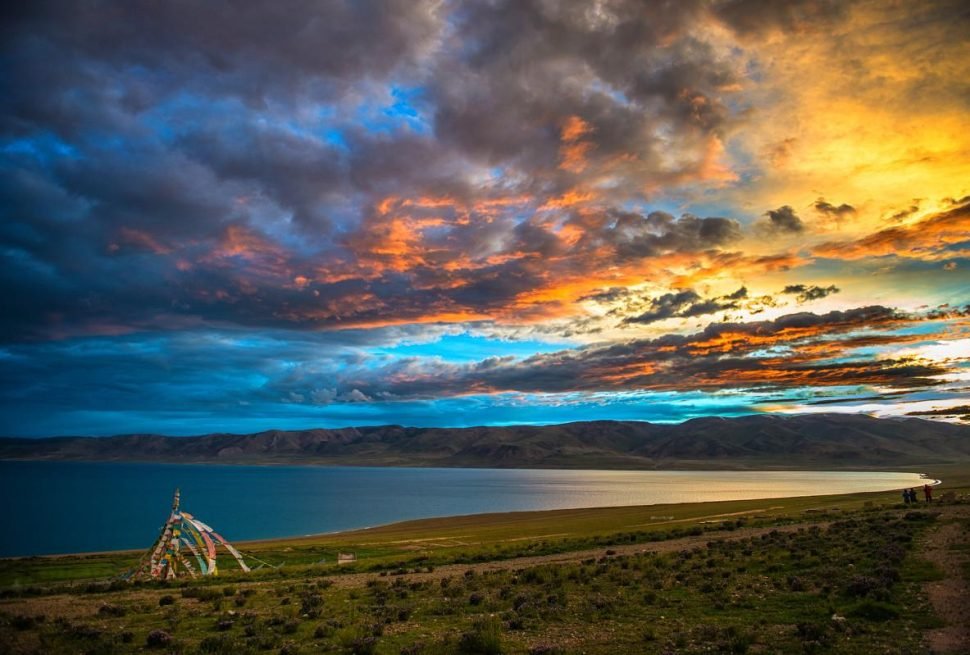
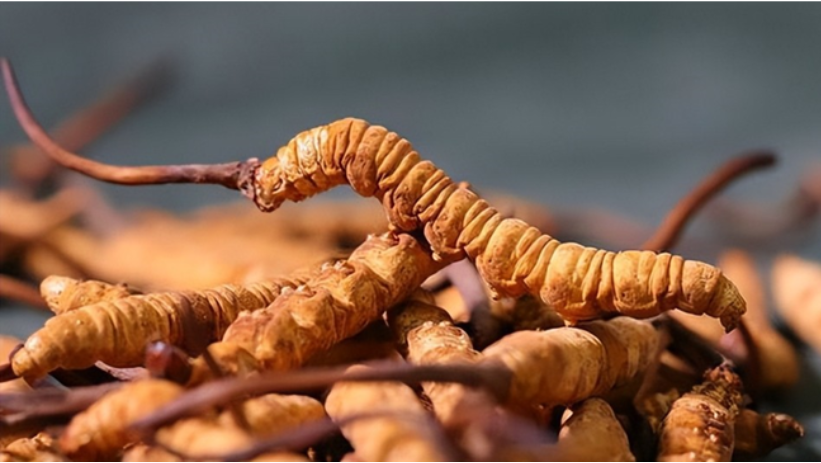
Naqu cordyceps is a geographical indication protection product. ; Geographical indication certification mark. It is produced in Nagqu, Tibet Autonomous Region. Growing in Nagqu area of Tibet 4500 to 6000 meters above sea level on the Changtang grassland, strong physiological characteristics, high medicinal value, large and enjoy a high reputation at home and abroad.
Matsutake
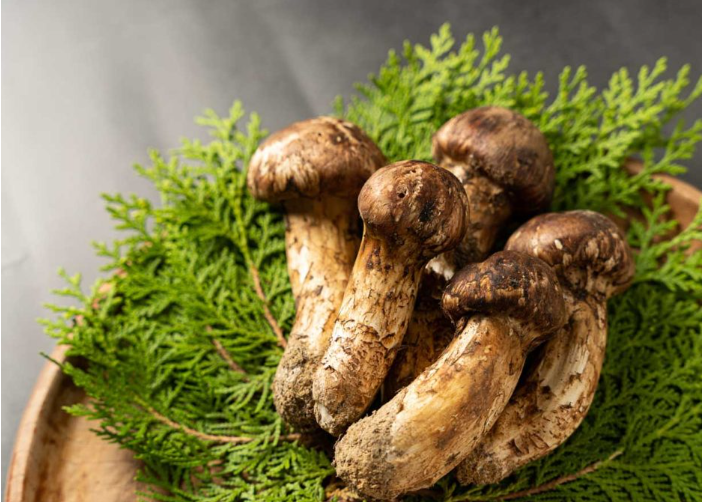
Nyingchi Matsutake, a special product of Nyingchi Prefecture, Tibet Autonomous Region, is a National geographical Indication product of China.
Nyingchi, known as the “Jiangnan of Tibet”, has a superior geographical environment and rich products. Matsutake, a rare and precious natural species, is widely distributed in the territory. Nyingchi Matsutake is a large wild edible fungus, the scientific name Matsuguchi mushroom, because of its thick meat, rich aroma, excellent flavor and rich nutritional value and love people.
On December 29, 2015, the former AQSIQ approved the implementation of geographical indication product protection for “Nyingchi Matsutake”.
Tibetan snow lotus
Tibetan snow lotus, also known as the three finger snow rabbit, there are large, small, red, white, yellow snow lotus points, the same name is different, for the composite family of plants.The dried whole plant of the snow lotus is produced on the mountains and cliffs above 4,300 meters. She grows in the spirit of the Himalayan world, absorbs the essence of the sun and moon in the snowy holy land, and blossoms in beauty. It is a rare and rare medicinal material in the world. It contains rich ingredients of umbrella lactone, East scopolin, apigenin, B-sitosterol and umbrella-shaped lactone 7-glucoside, which has its unique effect and is the best in the snowy holy land medicine.

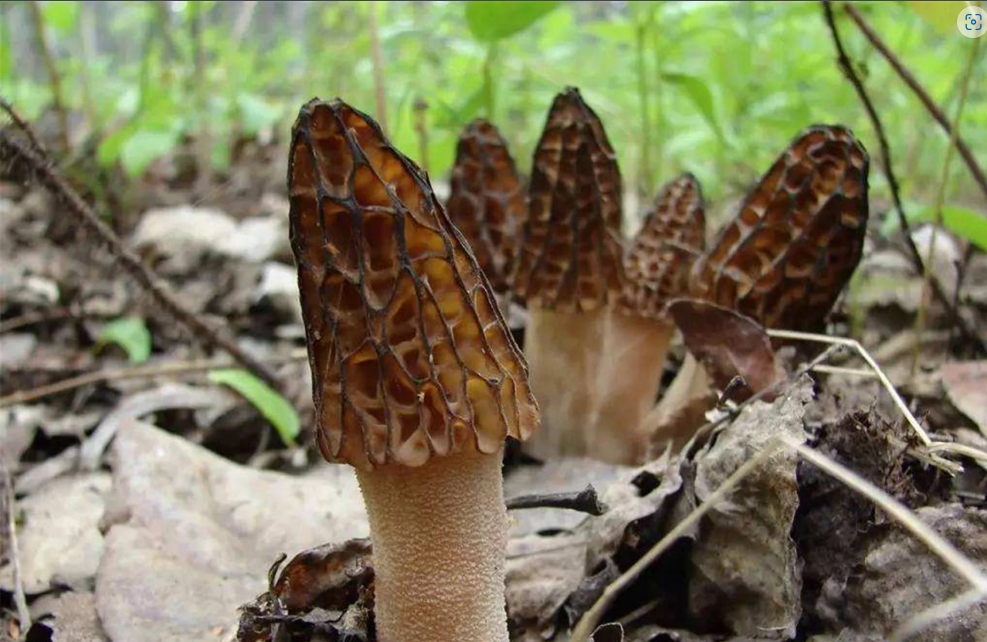
Morchella esculenta
Morchella Esculenta is a genus of Morchella fungi, having a nearly spherical, oval to oval cap, up to 10 cm high, with a blunt tip and a pitted surface resembling a goat’s stomach. Pitted variable eggshell color to light yellowish brown, light ribbed color, stalk nearly cylindrical, nearly white, hollow, cylindrical, spore long oval, colorless, side filament tip expanded, light body, crisp quality.
Morchella Esculenta are widely distributed in France, Germany, the United States, India and China, followed by sporadic distribution in Russia, Sweden, Mexico, Spain, Czechoslovakia and parts of Pakistan. Morels are widely distributed in 28 provinces, municipalities and autonomous regions in China, ranging from Northeast China to Guangdong, Fujian and Taiwan in the north, to Shandong in the east and Xinjiang, Tibet, Ningxia and Guizhou in the west. Morels mostly grow on the humus layer of broad-leaved forest or mixed forest. It mainly grows in sandy loam rich in humus or brown soil, brown soil and so on. Morels are more likely to flourish in woodland after fire.
Morchella is a food and medicine bacteria, its unique fragrance, rich in nutrition, rich in a variety of human needs of amino acids and organic germanium, has been Europe and the United States and other countries as a high-level supplement for human nutrition.
Tibetan incense
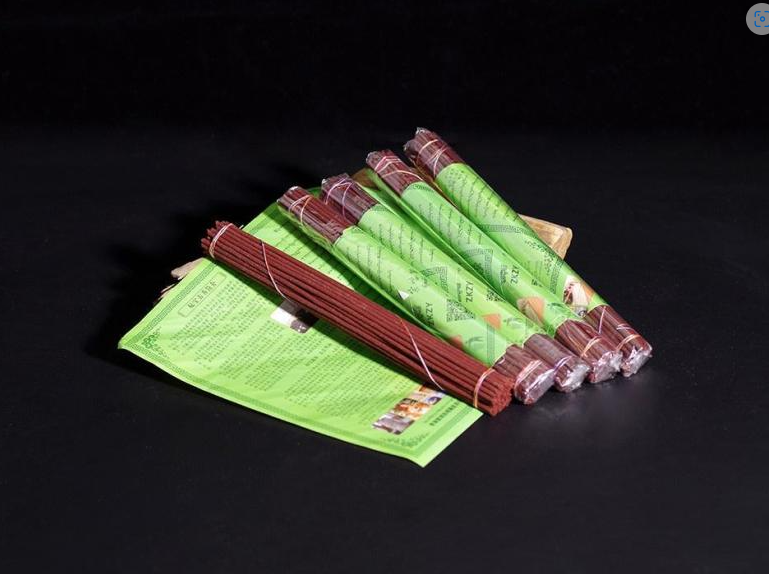
Tibetan incense is mostly used in Buddhist sacrificial activities, and there is also a small amount of home purification and exorcism. Its production process contains the essence of Tibetan culture. The main ingredients are saffron, snow lotus, musk, Tibetan kor and so on. According to legend, Tibetan incense was created in the 7th century by Thunmi Sambuza, a minister of Songtsen Gampo, and has a history of more than 1,300 years. The Tibetan king Songtsen Gampo is a devout Buddhist, and in order to worship the two Buddha statues of 12 and 8 years old, which were personally opened by Shakyamuni from Chang ‘an and Nepal, Songtsen Gampo instructed his minister Thunmi Sambuza to develop incense for Buddha. Under the guidance of Tibetan medicine, Thunmi Sambuza carefully developed the manual water-ground incense making technique, and since then Tibetan incense began to spread everywhere. [1] In 2008, Tibetan incense making techniques were included in the second batch of national intangible cultural heritage.