Introduction
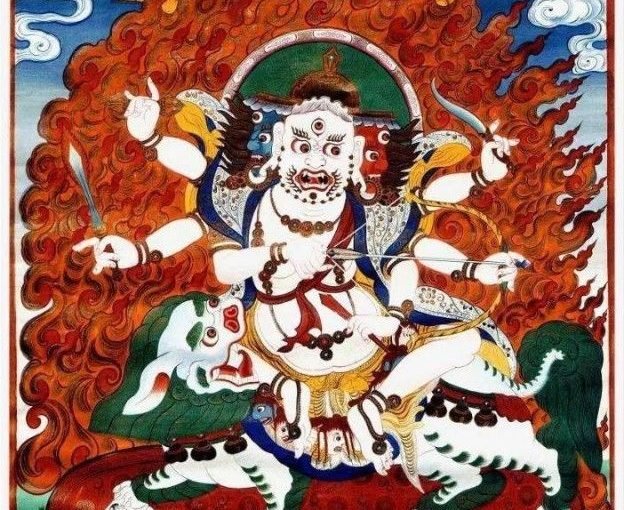
Tibetan Buddhist Thangka art is a mesmerizing blend of spirituality and creativity, capturing the essence of Tibetan Buddhism in intricate detail. These vibrant paintings serve not only as visual representations of religious themes but also as tools for meditation and teaching. As you embark on the journey to discover this captivating art form, you’ll find that each Thangka tells its own unique story, inviting deeper exploration.
Discovering Tibetan Thangka Art
The world of Tibetan Buddhist Thangka is rich with history and meaning, making it a fascinating subject for both art lovers and spiritual seekers alike. Originating in Tibet centuries ago, these paintings have been meticulously crafted by skilled artisans who pour their devotion into every brushstroke. Whether you’re drawn to the stunning colors or the profound symbolism, discovering Tibetan Thangka art opens doors to understanding a culture steeped in tradition.
The Significance of Thangka in Buddhism
In Buddhism, especially Tibetan Buddhism, what is the Thangka? It’s more than just decorative artwork; it’s a sacred object that plays an essential role in spiritual practice. Each piece serves as a visual guide for meditation and reflection, helping practitioners connect with various deities and teachings within their faith. The significance of these paintings extends beyond aesthetics; they are revered as conduits for enlightenment.
Where to Find Quality Thangka Paintings
If you’re intrigued by Tibetan Buddhist Thangkas and want to add one to your collection or display it in your home, knowing where to find quality pieces is crucial. You can explore local galleries specializing in Asian art or attend cultural festivals where authentic artists showcase their work. Additionally, online platforms like GuideTibet offer access to genuine Tibetan thangkas at fair prices while supporting local artists—making your purchase meaningful.
What is the Thangka in Tibetan Buddhism?
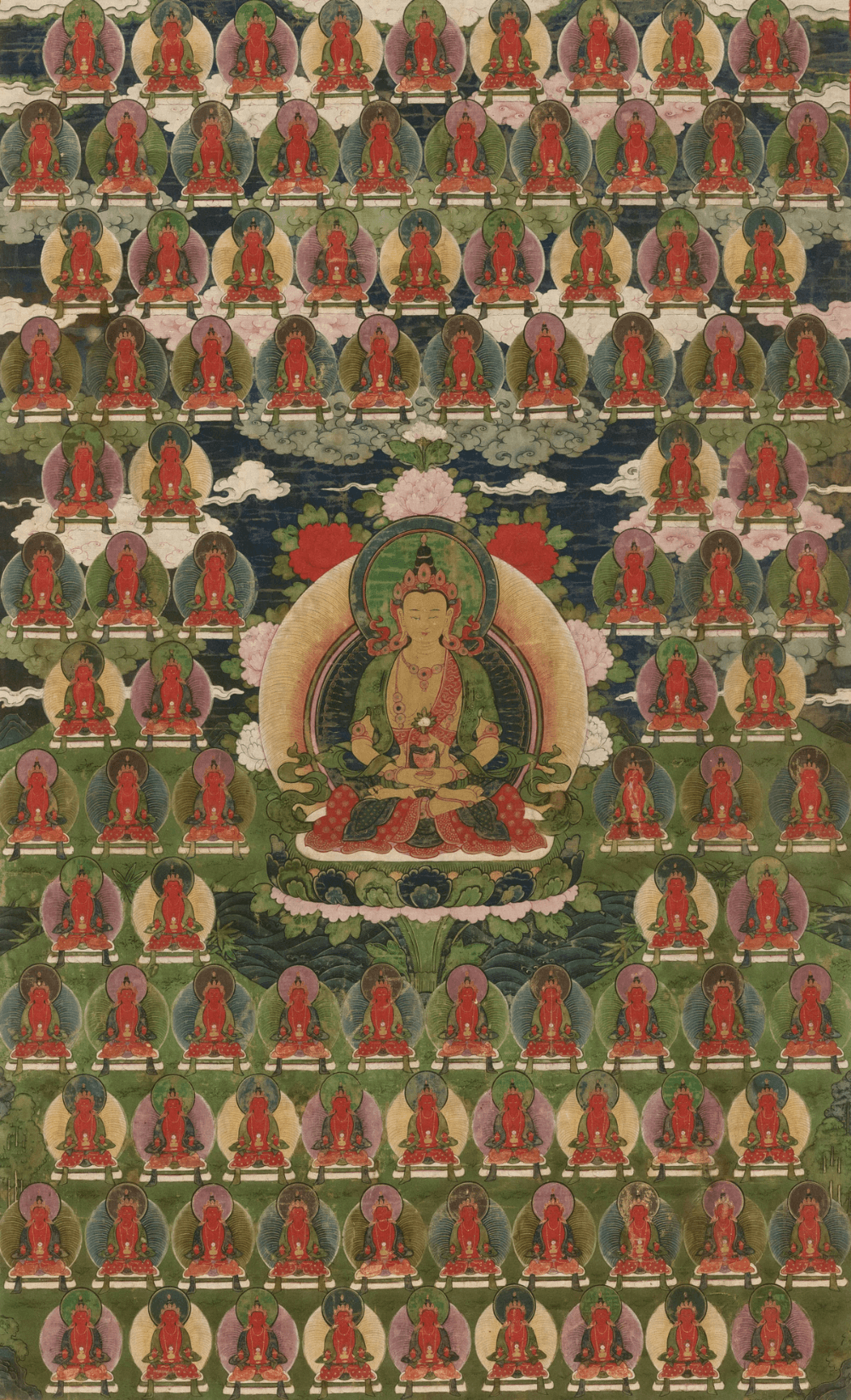
Tibetan Buddhist Thangkas are intricate, scroll-like paintings that serve both artistic and spiritual purposes. Traditionally created on cotton or silk, these vibrant artworks depict a variety of Buddhist themes, including deities, mandalas, and important teachings. Their rich history intertwines with Tibetan culture and religion, making them an essential part of the Buddhist experience.
Definition and History of Thangka
The term Thangka comes from the Tibetan word thang, meaning “to extend” or “to unfold,” which aptly describes how these paintings are displayed. Dating back to at least the 7th century, Tibetan Buddhist Thangkas have evolved through centuries of cultural exchange and artistic innovation. Originally used as teaching tools for monks and practitioners, they have become cherished artifacts that connect individuals to the profound wisdom of Buddhism.
The Role of Thangka in Spiritual Practice
In Tibetan Buddhism, Thangkas play a crucial role in meditation and spiritual practice. They serve as visual aids that facilitate deeper understanding of complex teachings while also acting as focal points during meditation sessions. By contemplating a specific Thangka painting, practitioners can enhance their connection with the depicted deity or teaching, thereby enriching their spiritual journey.
Variations of Thangka Painting Techniques
Thangka painting techniques vary widely across regions and schools within Tibetan Buddhism, reflecting local traditions and styles. Common methods include traditional hand-painting using natural pigments or gold leaf application for added luminosity. Additionally, some artists incorporate embroidery or appliqué techniques to create three-dimensional effects that further elevate the visual impact of these stunning pieces.
What does the Thangka symbolize?

The Tibetan Buddhist Thangka serves as a profound visual representation of spiritual teachings, embodying the essence of Buddhist philosophy and practice. Each element within a Thangka is meticulously crafted to convey deep meanings, connecting practitioners with their spiritual path. Understanding what the Thangka symbolizes can enrich one’s appreciation for this unique art form and its role in Tibetan Buddhism.
Symbolism in Tibetan Buddhist Thangka
In Tibetan Buddhism, every aspect of a Thangka carries symbolic weight, often reflecting key tenets of the faith. For instance, deities depicted in these paintings represent various aspects of enlightenment and compassion, acting as guides for practitioners on their spiritual journey. Moreover, the intricate details found within each piece serve as reminders of the interconnectedness of all beings and the importance of mindfulness.
The symbolism inherent in Tibetan Buddhist Thangkas is not just decorative; it serves as a visual language that communicates complex ideas about existence and spirituality. This makes understanding what the Thangka symbolizes crucial for anyone interested in exploring its deeper meanings. The careful arrangement and selection of imagery create a narrative that invites viewers to engage with their own spiritual practices.
Common Themes and Iconography
Common themes found within Tibetan Buddhist Thangkas include enlightenment, compassion, wisdom, and impermanence. Iconography plays an essential role here; figures like Avalokiteshvara—embodying compassion—are frequently depicted alongside mandalas that represent cosmic order and unity. These recurring motifs provide insight into core Buddhist beliefs while also serving as focal points for meditation.
Additionally, many Thangkas illustrate stories from the lives of revered teachers or historical figures within Buddhism, offering lessons on virtue and ethical conduct. By exploring these common themes through art, practitioners can cultivate a deeper understanding of their faith while being inspired by the rich tapestry woven into each painting’s narrative structure.
Understanding Colors and Their Meanings
Color plays a significant role in Tibetan Buddhist Thangkas, with each hue carrying specific meanings that enhance symbolism throughout the artwork. For example, red often represents passion or activity while blue signifies calmness or healing energy; these colors are carefully chosen to evoke particular emotions or insights during meditation practices.
Furthermore, gold is frequently used to symbolize enlightenment or divine qualities associated with buddhas and bodhisattvas—those who have attained high levels of realization yet choose to remain engaged in helping others achieve liberation from suffering. Understanding colors helps viewers appreciate how artists use them intentionally to convey layered messages about existence within their creations.
To truly grasp what does the Thangka symbolize requires an exploration not just into its imagery but also into how color enhances meaning—making it an integral part of both artistic expression and spiritual practice.
How to date a Tibetan Thangka?

Dating a Tibetan Thangka can be quite the adventure, akin to solving a mystery. The age and authenticity of these intricate artworks are crucial for collectors and enthusiasts alike, as they often reflect historical and cultural significance. Understanding how to identify the age of a Tibetan Buddhist Thangka not only enriches your appreciation but also ensures you make informed decisions when acquiring these beautiful pieces.
Tips for Identifying Age and Authenticity
When it comes to identifying the age and authenticity of a Tibetan Thangka, there are several key tips to keep in mind. First, examine the materials used; older thangkas often feature natural pigments derived from minerals or plants, while modern reproductions may use synthetic colors. Additionally, look closely at the brushwork; authentic thangkas typically exhibit fine detail and subtle variations that indicate skilled craftsmanship over time.
Another helpful tip is to investigate any inscriptions or signatures present on the artwork. Many traditional artists would sign their work or include specific symbols indicating their lineage or school of thought within Tibetan Buddhism. These elements can provide valuable clues about when and where the thangka was created.
Lastly, consider consulting with experts in Tibetan art for further insights into potential dating methods. They may employ techniques such as carbon dating for organic materials or analyze stylistic elements that have evolved over centuries in what is known as What is the Thangka in Tibetan Buddhism?
Key Characteristics of Antique Thangkas
Antique thangkas possess distinct characteristics that set them apart from their contemporary counterparts. One notable feature is their patina; genuine antique thangkas often display signs of wear such as fading or discoloration that come from years of reverent display and handling within Buddhist practices. This wear tells a story—each scratch or faded color reflects its journey through time.
Moreover, antique thangkas frequently have intricate borders adorned with traditional motifs that signify their origin and purpose within Tibetan Buddhism. The iconography depicted will often be complex, showcasing deities, mandalas, or scenes from Buddhist teachings that require careful study to fully appreciate what does the Thangka symbolize?
Finally, many antique pieces are crafted on cotton canvas rather than modern synthetic blends which can alter both appearance and durability over time. Recognizing these key characteristics will help you discern whether you’re looking at an authentic piece of history or just another reproduction.
Resources for Authenticating Thangka Paintings
Authenticating a Tibetan Buddhist Thangka requires access to reliable resources that specialize in this unique field of art history. Start by exploring reputable galleries dedicated to Himalayan art; many offer expert consultations where seasoned curators can guide you through evaluating your piece’s authenticity based on recognized criteria.
Books on Tibetan art are another excellent resource for collectors seeking deeper knowledge about what makes each painting unique—look for titles authored by respected scholars who delve into both historical context and artistic techniques used throughout various periods in Tibet’s artistic evolution.
Online forums focused on collecting Asian art can also provide invaluable insights from fellow enthusiasts who share tips on spotting fakes versus genuine works—this community-driven knowledge base often reveals hidden gems about how do you display Tibetan thangka? So whether you’re hoping to date your own piece or simply learn more about this captivating form of expression, there’s no shortage of resources available at your fingertips!
How do you display Tibetan Thangka?

Displaying a Tibetan Buddhist Thangka is not just about finding a wall to hang it on; it’s an art form in itself. The placement of these intricate paintings can enhance your spiritual space and invite positive energies into your home. Whether you’re a seasoned collector or new to the world of Thangka painting, understanding how to display them properly can significantly impact their significance and aesthetic appeal.
Ideal Locations for Thangka Display
When considering where to showcase your Tibetan Buddhist Thangka, think about spaces that are serene and conducive to meditation or reflection. Ideal locations include home altars, meditation rooms, or quiet corners where you can appreciate their beauty and symbolism without distractions. These paintings thrive in environments with soft lighting, allowing their vibrant colors and intricate details to shine while maintaining the sacred atmosphere they embody.
Additionally, avoid placing Thangkas in high-traffic areas where they might be overlooked or subjected to wear and tear. Instead, consider hanging them at eye level so that viewers can engage with the artwork fully—after all, what is the Thangka in Tibetan Buddhism if not a visual invitation into deeper contemplation? Lastly, ensure that the chosen location reflects respect for the cultural significance of these pieces; this will enhance both your experience and that of anyone who visits.
Guidelines for Proper Thangka Care
Caring for your Tibetan Buddhist Thangka is crucial for preserving its beauty and integrity over time. Start by keeping it away from direct sunlight which can cause fading; instead, opt for indirect light sources that highlight its colors without damaging them. Additionally, dusting regularly with a soft cloth will help maintain its appearance—just be gentle!
Humidity control is also essential; too much moisture can lead to mold growth while excessive dryness may cause cracking in the paint or fabric backing. Storing your Thangkas properly when not on display is equally important—consider using protective covers or cases specifically designed for artwork preservation when storing them away from view. By following these guidelines on how to care for your Tibetan thangkas, you ensure they remain beautiful artifacts of spiritual significance.
Enhancing Your Space with Thangka Art
Incorporating Tibetan Buddhist Thangkas into your décor isn’t just about aesthetics; it’s also about creating an environment infused with meaning and tranquility. When displayed thoughtfully alongside other elements like candles or plants, these paintings can create a harmonious balance within your space that promotes calmness and mindfulness—a perfect complement to their rich symbolism: What does the Thangka symbolize?
Consider pairing different themes within your collection—such as compassion depicted through Avalokiteshvara or wisdom represented by Manjushri—to tell a visual story throughout your living area. This approach not only enhances the overall ambiance but also provides opportunities for deeper conversations about each piece’s significance within Buddhist practice: How do you display Tibetan thangkas? You’re not just decorating; you’re curating an experience!
Lastly, don’t forget about color coordination! The vibrant hues found in thangkas can set the tone for any room—think warm reds and golds inviting energy while cooler blues promote serenity. So go ahead and let those stunning thangkas transform your space into a sanctuary of peace!
Great Selection at Right Price
Finding the perfect Tibetan Buddhist Thangka doesn’t have to be a daunting task, especially when you know where to look. With the rise of online platforms and local galleries, authentic Thangka paintings are more accessible than ever. Whether you’re a seasoned collector or a curious newcomer, understanding where to shop is key to acquiring quality art that resonates with the spirit of Buddhism.
Where to Shop for Authentic Thangka
When searching for authentic Tibetan Buddhist Thangka, consider visiting reputable art galleries that specialize in Asian or specifically Tibetan art. Many of these establishments curate collections with verified authenticity, ensuring you’re not just buying any old print but rather a piece steeped in history and spirituality. Additionally, online marketplaces dedicated to artisanal crafts often feature direct sales from artists in Tibet and Nepal, providing an opportunity to purchase unique pieces directly from their creators.
Local Tibetan cultural centers can also be treasure troves for genuine Thangka paintings. These centers frequently host exhibitions and sales events showcasing local artists’ works while promoting cultural heritage. By shopping at these venues, you not only find quality artwork but also support the preservation of traditional techniques in Thangka painting.
Comparing Prices and Quality
When it comes to purchasing a Tibetan Buddhist Thangka, comparing prices is crucial but should not come at the expense of quality. High-quality Thangkas often reflect intricate craftsmanship and use traditional materials that can justify a higher price tag. Take time to research various sellers; this will help you gauge whether you’re getting good value for your investment.
It’s wise to ask about the materials used in creating the Thangka as well as its size and complexity before making a decision. Remember that some cheaper options may lack authenticity or durability; thus, investing slightly more can lead you toward acquiring an exquisite piece that enhances your space and spiritual practice over time. Always look for certificates of authenticity when available; they serve as proof of both age and craftsmanship.
Supporting Local Artists through GuideTibet
One fantastic way to ensure you’re purchasing an authentic Tibetan Buddhist Thangka while supporting local artists is through platforms like GuideTibet. This organization connects buyers directly with artisans who possess deep knowledge about what makes each piece special—its symbolism, history, and technique—allowing you not just to buy art but also appreciate its significance fully.
By choosing GuideTibet or similar initiatives, you contribute positively towards sustaining traditional practices while helping local communities thrive economically through their artistry in Thangka painting. Plus, knowing your purchase supports real people adds layers of meaning behind your new artwork! It’s a win-win situation where everyone benefits—from the artist’s livelihood right down to your enriched living space filled with meaningful symbolism.
Conclusion
As we wrap up our exploration of Tibetan Thangka art, it’s clear that this unique form of expression holds a profound place within Tibetan Buddhism. The journey of Tibetan Buddhist Thangka has traversed centuries, evolving from sacred practice to cherished artwork that adorns homes and temples alike. Each Thangka not only tells a story but also serves as a spiritual guide, inviting viewers to delve deeper into the teachings of Buddhism.
The Journey of Tibetan Thangka Art
The history of what is the Thangka in Tibetan Buddhism is rich and intricate, reflecting the cultural and spiritual evolution of Tibet itself. Initially created as teaching tools for monks, these vibrant paintings have transcended their original purpose to become symbols of devotion and artistic mastery. Today, they are celebrated not just for their beauty but also for their ability to convey deep philosophical concepts through detailed imagery and symbolism.
Investing in Authentic Thangka Paintings
When considering how to date a Tibetan Thangka, authenticity becomes paramount for collectors and enthusiasts alike. Investing in authentic Tibetan Buddhist Thangkas means seeking out pieces that resonate with the heart while also ensuring they are genuine representations crafted by skilled artisans. In a world filled with reproductions, understanding key characteristics can help you make informed decisions that honor both your investment and the tradition behind these remarkable artworks.
Enhancing Your Life with Thangka Symbolism
Displaying your Tibetan Thangka is more than just an aesthetic choice; it’s about inviting its rich symbolism into your daily life. Whether hung in a meditation space or showcased in your living room, each painting serves as a reminder of the teachings it embodies—compassion, wisdom, and mindfulness. By incorporating these elements into your environment through thoughtful display guidelines, you not only enhance your space but also cultivate a deeper connection with the profound messages encapsulated within each piece.