Introduction
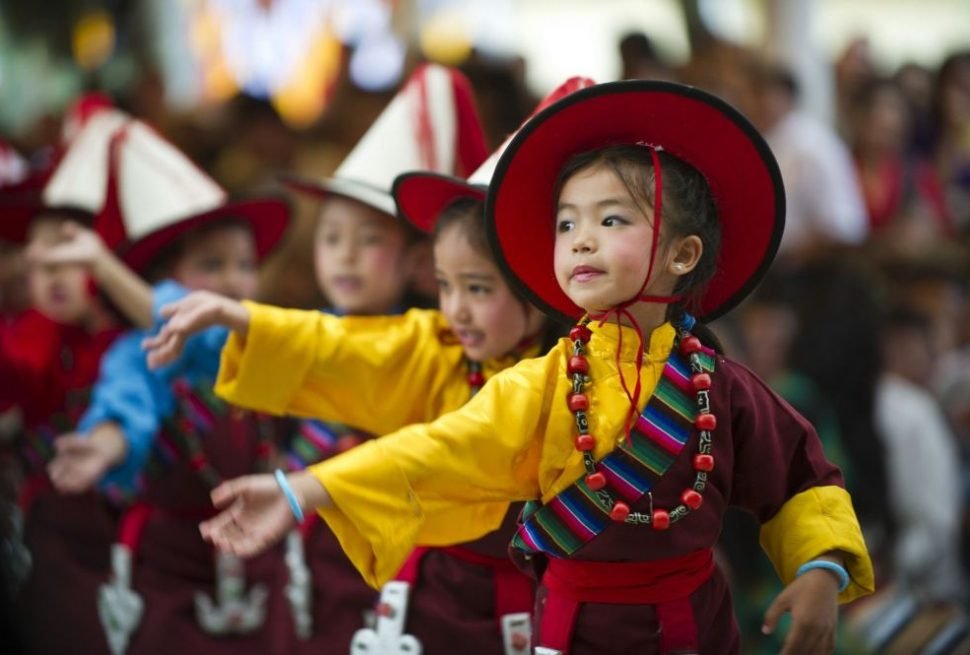
Tibetan prayer flags are more than just colorful pieces of fabric fluttering in the wind; they are deeply woven into the cultural and spiritual fabric of Tibetan Buddhism. These vibrant flags serve as a means of spreading goodwill and compassion, carrying prayers and blessings to the world with every gust of wind. Understanding their cultural significance is vital for anyone looking to embrace this beautiful tradition, especially when considering how to hang prayer flags in a way that honors their rich heritage.
The Cultural Significance of Prayer Flags
The origins of Tibetan prayer flags date back over a thousand years, where they were used not only for spiritual purposes but also as a way to promote harmony and peace within communities. Each flag is imbued with intentions for health, happiness, and prosperity, creating a collective energy that resonates with those who encounter them. When you learn about the importance of these flags, it becomes clear why knowing when should you hang Tibetan prayer flags is essential for maximizing their positive impact.
Understanding Their Color Meaning
Each color on Tibetan prayer flags holds specific meanings that contribute to the overall message conveyed by the display. Traditionally arranged in a specific order—blue, white, red, green, and yellow—these colors symbolize elements such as sky, air, fire, water, and earth respectively. Familiarizing yourself with what is the colour order of Tibetan prayer flags can deepen your appreciation for their symbolism while enhancing your own space’s energy.
When to Hang Tibetan Prayer Flags
Timing plays an important role when it comes to hanging your Tibetan prayer flags; certain days are considered more auspicious than others based on lunar cycles and cultural beliefs. Knowing what are the inauspicious days to hang Tibetan prayer flags can help avoid any bad luck or negative energies associated with improper timing. Additionally, understanding what to do with Tibetan prayer flags after they’ve been hung ensures that you maintain their sanctity while inviting positivity into your surroundings.
What are Tibetan Prayer Flags?
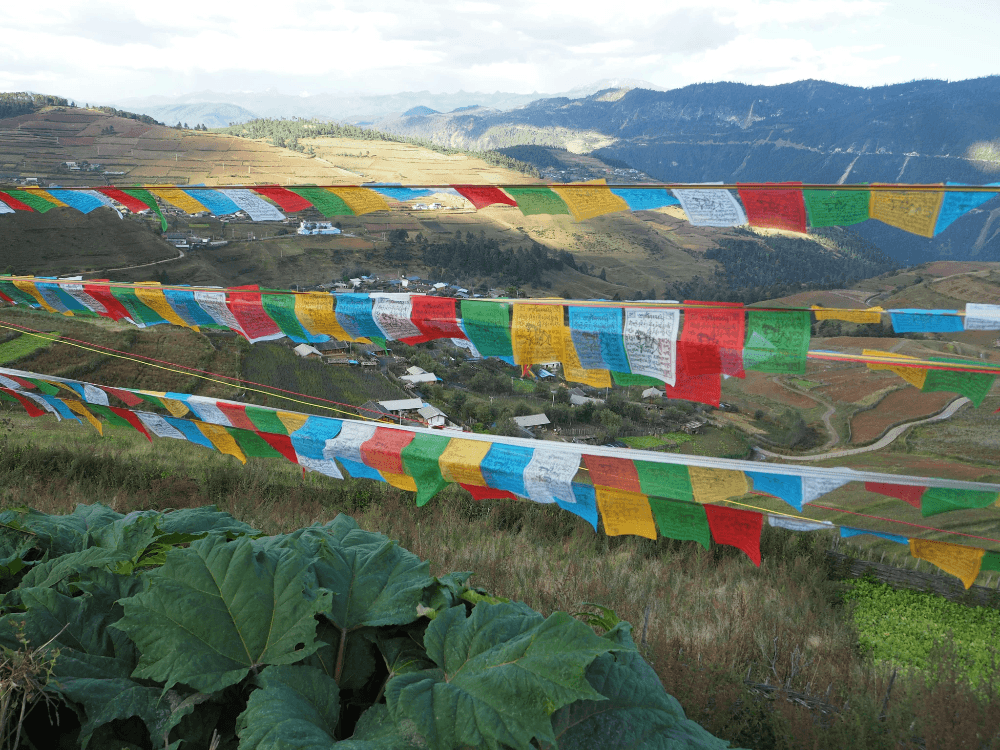
Tibetan prayer flags are colorful pieces of cloth, often adorned with mantras and symbols, that carry deep spiritual significance. Traditionally hung in high places, they are believed to spread good fortune and positive energy through the wind. Understanding their history and symbolism can enhance your appreciation for these vibrant textiles.
A Brief History of Prayer Flags
The roots of Tibetan prayer flags date back over a thousand years, originating from ancient Buddhist traditions in Tibet. Initially crafted from natural materials like cotton or silk, these flags were used by monks for spiritual purposes during rituals and ceremonies. Over time, they evolved into the colorful banners we see today, symbolizing peace, compassion, and wisdom across various cultures.
Symbolism Behind Prayer Flags
Each element of a Tibetan prayer flag carries profound meaning; the colors represent different aspects of life and spirituality. The five colors—blue, white, red, green, and yellow—symbolize the sky, air, fire, water, and earth respectively. When you hang prayer flags with intention and understanding of their symbolism, you invite harmony into your life while promoting universal peace.
Different Types of Prayer Flags
Tibetan prayer flags come in various types designed for specific purposes or occasions. The most common types include Lungta (Wind Horse) flags that promote good luck and health; Darchor flags used during ceremonies to purify the environment; and special occasion flags that celebrate festivals or significant events in one’s life. Knowing how to hang prayer flags correctly can amplify their effects based on their type while ensuring you honor their traditions.
How to Hang Prayer Flags
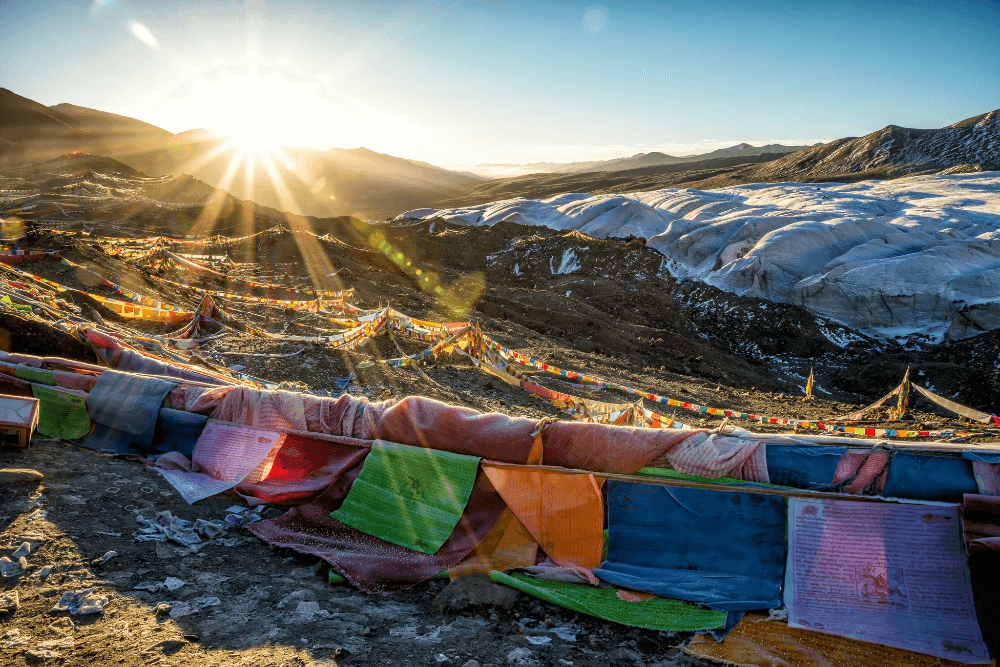
Hanging Tibetan prayer flags is more than just a decorative act; it’s a way to connect with the spiritual energies that surround us. Knowing how to hang prayer flags properly can enhance their purpose and effectiveness, allowing the prayers and blessings printed on them to be carried by the wind. In this section, we will explore ideal locations for hanging flags, best practices for hanging them, and some rituals you might perform while doing so.
Ideal Locations for Hanging Flags
When considering where to hang your Tibetan prayer flags, think about places that are high and open to the wind. Roofs, balconies, or trees are excellent choices since they allow the flags to flutter freely and spread their blessings far and wide. Additionally, hanging them near your home entrance or sacred spaces can invite positive energy into your life.
If you’re wondering when should you hang Tibetan prayer flags? The answer is anytime! However, many people prefer significant dates such as festivals or personal milestones like birthdays or anniversaries. This timing adds an extra layer of intention behind the act of hanging your flags.
Best Practices for Hanging
To ensure your prayer flags serve their purpose effectively, it’s essential to follow some best practices when hanging them. First off, make sure they are at least shoulder height so that they can catch the breeze easily; this helps in distributing their prayers throughout the environment. It’s also important not to hang them too close together—allowing space between each flag lets each one breathe and share its unique energy.
When considering what to do with Tibetan prayer flags after they’ve been hung up for a while? Regularly check on their condition; if they become tattered or faded from weather exposure, it’s time for a replacement! Remember that these flags are meant to be temporary offerings; once they’ve served their purpose well, let go of any attachment you might have.
Rituals to Perform While Hanging
Rituals add depth and meaning when you’re learning how to hang prayer flags effectively. As you prepare your space and choose your location, take a moment for mindfulness—reflect on what intentions or prayers you’d like each flag to represent. You could even chant mantras or recite blessings aloud as you tie up each flag; this infuses them with personal significance.
In addition, consider marking auspicious days from cultural calendars before deciding on when should you hang Tibetan prayer flags? Engaging in these rituals not only enhances their spiritual energy but also connects you more deeply with the tradition behind them. So whether you’re tying knots or letting go of old flags in favor of new ones, make it an experience rich in intention!
What to Do with Tibetan Prayer Flags?
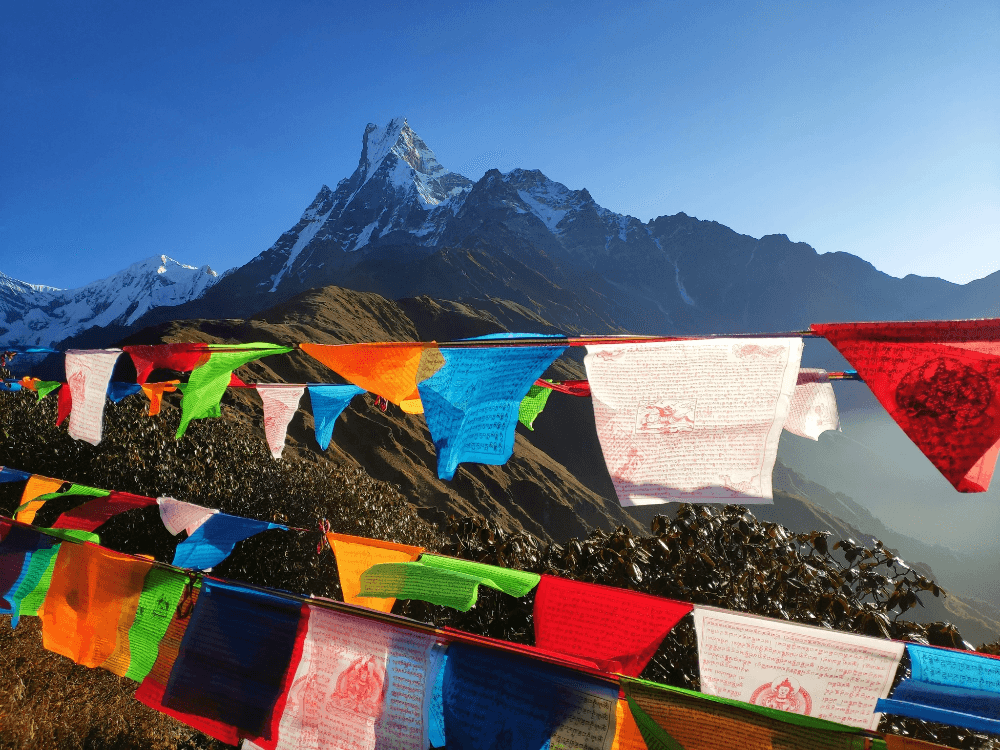
Tibetan prayer flags are not just colorful decorations; they carry deep spiritual significance and can enhance your living space in various ways. Knowing how to properly care for and utilize these flags can help you maintain their vibrancy and purpose. Let’s dive into the essential aspects of caring for, using, and repurposing your Tibetan prayer flags.
Caring for Your Prayer Flags
To ensure your Tibetan prayer flags remain vibrant, it’s essential to take proper care of them. Regularly check for wear and tear; if they show signs of fading or fraying, consider replacing them or repurposing them thoughtfully. When you hang prayer flags, be mindful of the weather—strong winds or heavy rain can accelerate deterioration, so try to find a sheltered spot when deciding where to hang Tibetan prayer flags.
Cleaning your prayer flags is also vital; gently dust them off with a soft cloth or brush to remove accumulated dirt without damaging the fabric. Avoid harsh chemicals or washing machines that could strip away their colors or symbols. By regularly caring for your prayer flags, you not only preserve their beauty but also honor their spiritual essence.
Traditional Uses Beyond Decoration
While many people hang Tibetan prayer flags simply for decoration, they have traditional uses that extend far beyond aesthetics. These colorful pieces are believed to promote peace, compassion, strength, and wisdom—qualities that resonate deeply within Tibetan culture. When you consider what to do with Tibetan prayer flags beyond mere decoration, think about placing them in areas where you seek serenity or inspiration.
In addition to hanging them outdoors or in gardens, you can also use smaller prayer flags indoors as part of an altar setup or meditation space. This practice invites positive energy into your home while serving as a constant reminder of the values represented by the prayers printed on each flag. When should you hang Tibetan prayer flags? Consider doing so during significant life events such as birthdays or anniversaries as a way of invoking blessings.
Repurposing Worn Flags
Eventually, all good things must come to an end—including your beloved Tibetan prayer flags! Once they become worn out and tattered, it’s time to think creatively about how to repurpose them rather than simply discarding them. One popular option is turning worn-out flags into unique wall art; cut out sections featuring prayers or symbols and frame them beautifully.
Another idea is using pieces from old prayer flags in craft projects like making bookmarks or decorative coasters—this way, you’re keeping their spirit alive while giving them a new lease on life! Remember that even when they’re no longer suitable for hanging outdoors due to wear and tear, there are still plenty of meaningful ways to keep their energy present in your daily life.
What Are the Inauspicious Days to Hang Tibetan Prayer Flags?
When considering how to hang prayer flags, timing can be just as important as location. In Tibetan culture, certain days are deemed inauspicious for hanging these sacred symbols. Understanding the lunar calendar and cultural beliefs surrounding timing can help ensure that your intentions are honored when you display your prayer flags.
Lunar Calendar Insights
The lunar calendar plays a pivotal role in determining auspicious and inauspicious days for various activities, including when should you hang Tibetan prayer flags. Traditionally, certain phases of the moon, such as the new moon or specific full moons, may be viewed as unfavorable times for hanging flags. To align with spiritual practices, many people consult lunar calendars to choose the most suitable days for this act.
Cultural Beliefs Surrounding Timing
Cultural beliefs surrounding timing also inform what are the inauspicious days to hang Tibetan prayer flags. For instance, some traditions suggest avoiding days associated with negative events or personal loss when deciding how to hang prayer flags. By respecting these cultural nuances, you not only enhance your connection to the practice but also show reverence for its deep-rooted significance.
Avoiding Common Mistakes
When it comes to what to do with Tibetan prayer flags, avoiding common mistakes can make a big difference in their effectiveness and energy flow. One frequent error is ignoring local customs and timings; always check if there are specific guidelines in your community about hanging these flags. Additionally, ensure that you’re aware of what is considered an auspicious day based on both lunar insights and cultural beliefs so that your intentions resonate positively.
What is the Colour Order of Tibetan Prayer Flags?
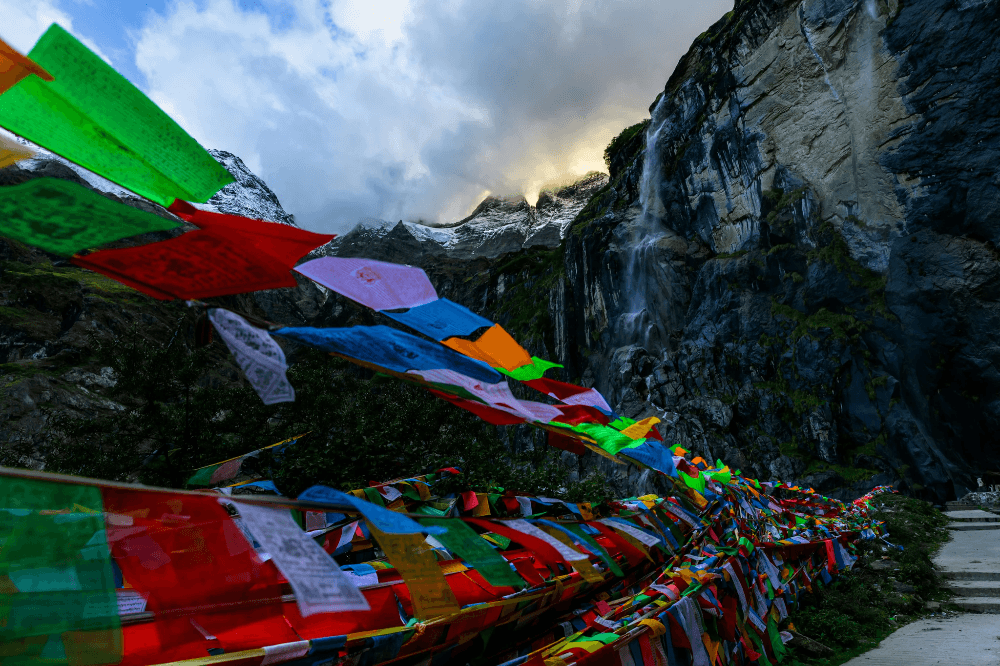
Tibetan prayer flags are not just beautiful decorations; they carry deep spiritual significance, particularly in their color arrangements. The traditional color order of these flags follows a specific sequence that reflects elements of nature and spiritual beliefs. Understanding this color order is essential for anyone wondering how to hang prayer flags effectively, as it enhances their intended purpose.
Meaning of Each Color
Each color on Tibetan prayer flags represents different aspects of life and the universe. Blue symbolizes the sky and space, white represents air and purity, red signifies fire and passion, green embodies water and balance, while yellow stands for earth and nourishment. When you consider when should you hang Tibetan prayer flags, it’s important to remember that each flag’s colors work together to promote harmony and positive energy.
How Colors Affect Energy
The colors on Tibetan prayer flags are believed to influence the energy around them significantly. For instance, blue can instill a sense of calmness while red may ignite passion or motivation in your surroundings. If you’re pondering what to do with Tibetan prayer flags after hanging them up, consider how these colors interact with your space; they can uplift spirits or create a serene atmosphere depending on their arrangement.
The Importance of Proper Arrangement
Properly arranging your prayer flags according to their color order isn’t just about aesthetics—it’s about maximizing their spiritual impact too! Hanging the flags in the correct sequence (blue at the top followed by white, red, green, and yellow) ensures that they function as intended: spreading blessings and good fortune throughout your environment. Additionally, if you’re curious about what are the inauspicious days to hang Tibetan prayer flags, knowing this arrangement will help you avoid those dates while still maintaining proper energy flow.
Conclusion
Tibetan prayer flags are more than just colorful pieces of fabric fluttering in the wind; they are a bridge to spirituality and a means to connect with the universe. By understanding how to hang prayer flags and their cultural significance, you can enhance your personal space while fostering a deeper spiritual connection. Embracing this practice allows you to become part of an ancient tradition that promotes peace, compassion, and goodwill.
Embrace the Spiritual Connection
When you hang Tibetan prayer flags, you’re not just decorating your home; you’re inviting positive energy into your life. Each flag carries prayers and blessings that are released into the wind, spreading good intentions throughout your surroundings. By learning what to do with Tibetan prayer flags beyond mere decoration, you can cultivate an atmosphere filled with harmony and mindfulness.
Enhance Your Space with Prayer Flags
Wondering when should you hang Tibetan prayer flags? The answer lies in choosing moments of significance or tranquility in your life—perhaps during a personal milestone or a serene moment of reflection. Incorporating these vibrant textiles into your living space not only beautifies it but also transforms it into a sacred environment where positivity thrives.
Explore More with GuideTibet
If you’re curious about what are the inauspicious days to hang Tibetan prayer flags or want insights on the color order of Tibetan prayer flags, GuideTibet is here to help! Our resources provide detailed information on rituals, care tips, and traditional uses that enhance your experience with these beautiful symbols of hope and healing. Dive deeper into this fascinating world and discover how to harmonize your life through the artful hanging of prayer flags.