Introduction

Embarking on a journey to Everest Base Camp is not just about reaching a destination; it’s about understanding the grandeur of the world’s highest peak and the breathtaking beauty that surrounds it. One of the first questions that comes to mind for many adventurers is what exactly is the elevation of Everest Base Camp? This crucial detail can significantly influence your preparation and overall experience as you traverse this iconic landscape.
Understanding Everest Base Camp Elevation
The Everest Base Camp elevation varies depending on whether you choose to approach from Tibet or Nepal, with each route offering its unique charm and challenges. Specifically, how high is Everest Base Camp in metres? The answer reveals that the height of Everest Base Camp stands at approximately 5,364 metres (17,598 feet) when accessed from Nepal, while the everest base camp tibet elevation sits slightly higher at around 5,200 metres (17,060 feet). Understanding these differences in elevation can help you better prepare for acclimatization and altitude-related challenges during your trek.
Why Choose Tibet Over Nepal
While both routes lead to awe-inspiring views of Mount Everest, choosing Tibet over Nepal offers distinct advantages that can enhance your adventure. The Tibetan route provides a more serene experience with fewer trekkers on the trails, allowing for deeper immersion into local culture and stunning landscapes. Additionally, travelers often wonder about how high is Everest Base Camp in feet when approaching from Tibet; this knowledge can help set realistic expectations for their journey while appreciating the majestic surroundings.
The Journey to Everest Base Camp
The journey to Everest Base Camp is as much about the path as it is about the destination itself. Whether you’re traversing rugged terrains or navigating through charming villages steeped in history, every step brings new discoveries along this remarkable trail. As you prepare for this unforgettable trek, understanding both everest base camp nepal elevation and everest base camp tibet elevation will equip you with essential knowledge for tackling altitude challenges head-on.
The Basics of Everest Base Camp Elevation

Understanding the elevation of Everest Base Camp is crucial for anyone planning to embark on this awe-inspiring journey. Nestled at a staggering height, it offers trekkers a unique opportunity to experience the majestic Himalayas while testing their limits. Knowing what to expect regarding elevation can help you prepare physically and mentally for the adventure ahead.
What is the elevation of Everest Base Camp
So, what is the elevation of Everest Base Camp? The answer varies slightly depending on whether you’re referring to the Tibetan or Nepalese side, but both are impressively high. Generally, the Everest Base Camp elevation sits around 5,364 meters (17,598 feet) above sea level on the Nepal side and about 5,200 meters (17,060 feet) in Tibet—both heights that will leave you breathless in more ways than one!
Everest Base Camp Tibet elevation vs Nepal elevation
When comparing Everest Base Camp Tibet elevation with its Nepal counterpart, there are some notable differences worth considering. While both camps provide stunning views of Mount Everest, trekkers often find that the Tibet route offers a slightly higher base camp at approximately 5,200 meters compared to 5,364 meters in Nepal. This distinction can impact your acclimatization process and overall trekking experience—so choose wisely based on your preferences!
How high is Everest Base Camp in feet and metres
If you’re wondering how high is Everest Base Camp in feet and metres combined with its impressive altitude stats, here’s a quick breakdown: on the Tibetan side, you’re looking at about 17,060 feet (or 5,200 metres), while on the Nepali side it’s around 17,598 feet (or 5,364 metres). These heights not only make for breathtaking views but also highlight why preparation for altitude sickness is essential before setting foot in these remarkable locations. Understanding how high is Everest Base Camp helps ensure you’re ready for this unforgettable adventure.
Preparing for High Altitude

When planning your trek to Everest Base Camp, understanding how to prepare for high altitude is crucial. The Everest Base Camp elevation poses unique challenges that can affect even the most seasoned trekkers. Therefore, acclimatization and awareness of altitude sickness are essential for a successful journey.
Acclimatization strategies for Everest Base Camp
Acclimatization is the process of allowing your body to adjust gradually to the ever-increasing elevation of Everest Base Camp. Start by spending a few days at lower altitudes before making your ascent; this helps your body adapt to the reduced oxygen levels found at high elevations, such as the height of Everest Base Camp in Tibet or Nepal. Taking it slow and incorporating rest days into your itinerary will significantly enhance your chances of enjoying this breathtaking experience without succumbing to altitude sickness.
Hydration plays a vital role in acclimatization, so drink plenty of fluids while trekking towards Everest Base Camp. This helps maintain blood volume and supports optimal bodily functions at high altitudes where oxygen levels are low. Additionally, consider consuming carbohydrates over fats and proteins as they require less oxygen to metabolize—an important factor when tackling elevations like that of Everest Base Camp.
Lastly, listen to your body throughout the journey; if you feel unwell or fatigued, don’t hesitate to take an extra day for rest and recovery. Remember that every trekker’s response to altitude varies; some may find themselves adjusting quickly while others may need more time at specific elevations such as the everest base camp nepal elevation or tibet elevation before continuing their ascent.
Signs of altitude sickness to watch for
Altitude sickness can sneak up on even the most prepared adventurers, so it’s essential to recognize its symptoms early on during your trek to Everest Base Camp. Common signs include headaches, nausea, dizziness, fatigue, and shortness of breath—indicators that you may not be acclimatizing effectively at heights like those found at Everest Base Camp elevation. If you experience any combination of these symptoms, it’s crucial not only to listen but also act promptly by descending or resting until you feel better.
In more severe cases, symptoms can escalate into High Altitude Pulmonary Edema (HAPE) or High Altitude Cerebral Edema (HACE), both dangerous conditions requiring immediate attention. Look out for symptoms such as persistent cough with pink frothy sputum (HAPE) or confusion and loss of coordination (HACE). Understanding how high is Everest Base Camp in feet or metres can help frame just how serious these conditions can be when trekking through extreme altitudes.
To minimize risks associated with altitude sickness while enjoying the stunning views along the way, make sure you’re well-informed about these signs before setting off on your adventure towards either Nepal’s or Tibet’s base camp elevation points.
The best time to visit Everest Base Camp
Timing is everything when planning a trip to Everest Base Camp! The best time generally falls between late April and early June or from late September through October when weather conditions are relatively stable and clear skies abound—perfect for soaking in those glorious views without worrying about sudden snowstorms at such high elevations! During these months, trekkers will find temperatures more manageable compared with winter months where biting cold can deter even seasoned climbers from reaching their destination.
During peak seasons like spring and autumn, you’ll encounter fellow adventurers along both routes: whether you’re hiking towards everest base camp tibet elevation or its counterpart in Nepal—the camaraderie adds an extra layer of excitement! However, keep in mind that popular trails may also mean crowded paths during these times; early morning starts might be necessary if you’re hoping for some solitude amidst nature’s grandeur.
In summary, preparing adequately for high altitudes requires careful consideration not only regarding acclimatization but also awareness of potential health risks associated with elevated terrains like those surrounding everest base camp nepal elevation versus tibet’s version too! Plan wisely around seasonal changes so you can fully embrace this once-in-a-lifetime experience!
The Route to Everest Base Camp

Embarking on the journey to Everest Base Camp is as thrilling as it is challenging. The Tibetan route, known for its breathtaking scenery and cultural richness, offers a unique perspective on the majestic Himalayas. With two main routes leading to Everest Base Camp—Tibet and Nepal—many trekkers ponder which path to take, especially considering the differences in Everest Base Camp elevation.
Overview of the Tibetan route
The Tibetan route to Everest Base Camp is often less crowded than its Nepalese counterpart, providing a more serene trekking experience. Starting from Lhasa, adventurers typically travel through stunning landscapes that include high-altitude deserts, lush valleys, and panoramic mountain views. This route leads trekkers directly to the base camp at an impressive elevation of approximately 5,364 meters (17,598 feet), making it essential for climbers and trekkers alike to be aware of how high Everest Base Camp truly is.
Key stops along the way
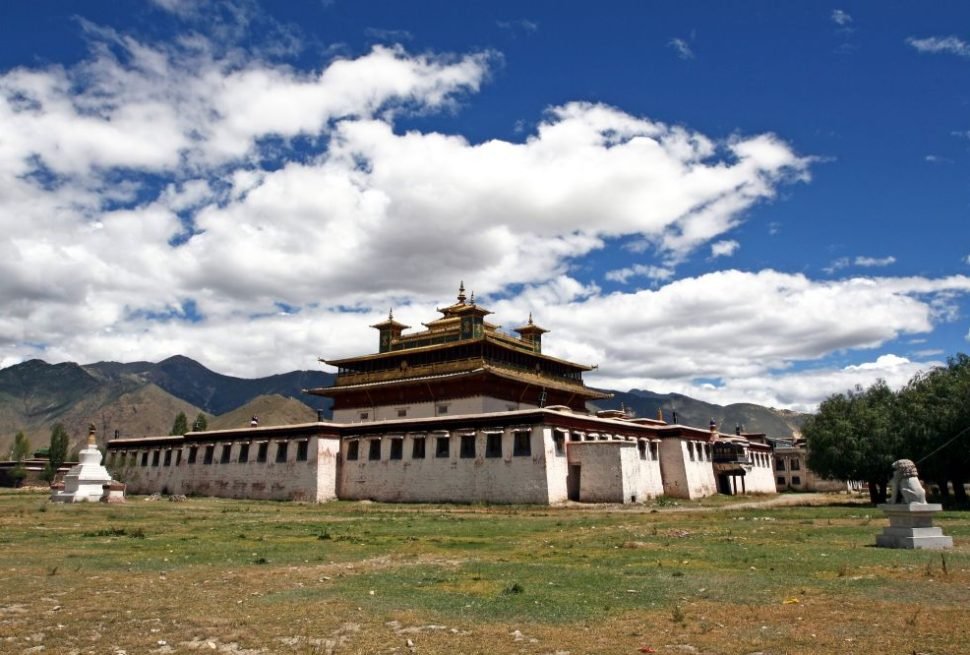
Along the Tibetan route, several key stops enrich your journey toward Everest Base Camp elevation. First up is Shigatse, where you can explore Tashilhunpo Monastery and soak in local culture before heading towards Gyantse with its historic fort and beautiful Kumbum Stupa. Finally, travelers will pass through Tingri before arriving at base camp; each stop offers a chance to acclimatize while enjoying stunning views of peaks like Makalu and Cho Oyu.
Transportation options to reach base camp
Reaching Everest Base Camp requires careful planning regarding transportation options available along the Tibetan route. Most travelers opt for guided tours that include comfortable vehicles from Lhasa or other major cities; these tours often provide insights into local culture while ensuring safety during transit. For those who prefer a more adventurous approach, some choose overland jeep rides or even mountain biking—though be prepared for bumpy rides at high altitudes!
Cultural Insights of the Region

When you embark on the journey to Everest Base Camp, you step into a realm rich in culture and tradition. The local lifestyle is intricately woven with the natural environment, where every aspect of life reflects the majestic backdrop of towering peaks. From daily rituals to communal gatherings, understanding these local traditions enhances your experience at this breathtaking elevation.
Local traditions and lifestyle at Everest Base Camp
At Everest Base Camp, local traditions thrive amidst the stunning scenery, showcasing a lifestyle that harmonizes with nature. Communities engage in sustainable practices, often relying on traditional farming and animal husbandry to sustain themselves at this high altitude. The elevation here shapes not only the landscape but also the rhythm of life—festivals celebrating seasonal changes are common, and visitors are often welcomed to partake in these vibrant cultural expressions.
The locals’ connection to their environment is palpable; they have adapted their lives around the challenges posed by how high Everest Base Camp stands above sea level. This adaptation is evident in their architecture—houses are built using locally sourced materials that can withstand harsh weather conditions while reflecting Tibetan aesthetics. As you explore this unique area, you’ll find that every corner tells a story steeped in history and resilience against nature’s formidable forces.
The impact of Buddhism in the surrounding areas
Buddhism plays a crucial role in shaping both cultural practices and daily life around Everest Base Camp. Monasteries dotting the landscape serve as spiritual hubs for locals and trekkers alike, providing insight into Buddhist teachings that emphasize harmony with nature and compassion towards all living beings. At this elevation, one can feel an air of spirituality that permeates even the highest reaches of Tibet.
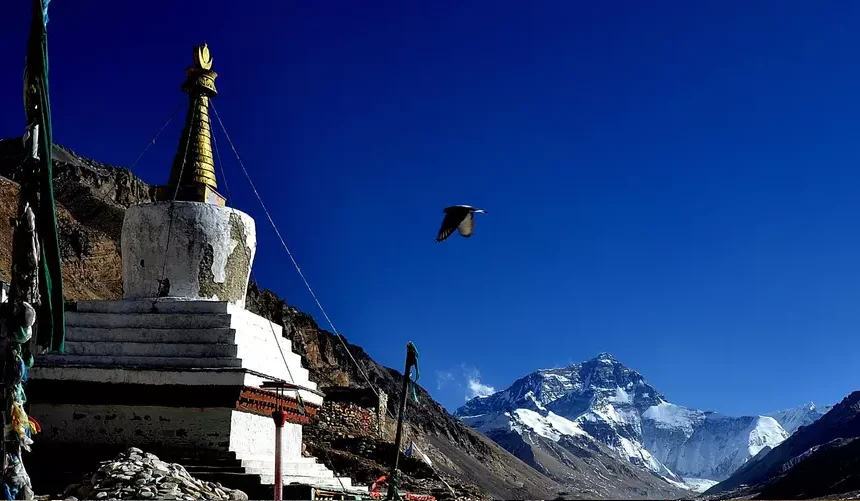
The presence of prayer flags fluttering against the backdrop of snow-capped peaks serves as a reminder of faith interwoven with everyday life here. Locals often participate in rituals designed to honor deities believed to protect them from adversity while seeking blessings for safe passage through these rugged terrains. Understanding how deeply rooted Buddhism is within this region enriches your journey as you pay homage to both its beauty and its profound significance.
Interactions with Sherpa culture in Tibet
Sherpa culture adds another layer of richness to your experience at Everest Base Camp, particularly given their historical connection to mountaineering expeditions. Known for their exceptional skills at high altitudes—how high is Everest Base Camp?—the Sherpas have become synonymous with trekking adventures across this challenging terrain. Their hospitality shines through as they guide visitors through breathtaking landscapes while sharing stories about their heritage.
Encounters with Sherpas provide invaluable insights into traditional practices such as weaving, cooking, and community gatherings that revolve around shared experiences at such staggering elevations like 5,364 meters (17,598 feet). Engaging with Sherpa families offers glimpses into daily routines shaped by both cultural pride and respect for nature’s might; it’s not just about reaching base camp but truly embracing what it means to be part of this unique tapestry woven together by diverse influences over centuries.
As you prepare for your trek toward Everest Base Camp Tibet elevation or Nepal elevation alike, remember that each interaction contributes significantly toward understanding not just how high Everest Base Camp stands but also why it holds such an esteemed place within global mountaineering lore.
Role of GuideTibet in Your Journey

When planning a trek to Everest Base Camp, having the right support can make all the difference. GuideTibet specializes in personalized tours led by local experts who know the ins and outs of both the terrain and culture. With their guidance, you’ll not only navigate the challenges of Everest Base Camp elevation but also experience the rich tapestry of Tibetan life along the way.
Personalized tours with local experts
The beauty of choosing GuideTibet is their commitment to tailoring your adventure to fit your needs. Their local guides are not just knowledgeable about how high Everest Base Camp is; they are passionate about sharing their culture and experiences with trekkers. This personalized approach ensures that you fully appreciate both the stunning landscapes and the unique traditions that define this incredible region.
Highlights of a guided trek to Everest Base Camp
A guided trek with GuideTibet offers an array of highlights that elevate your experience beyond simply reaching your destination. From breathtaking views that showcase Everest Base Camp Tibet elevation to engaging stories from locals, every moment is an opportunity for discovery. You’ll visit key stops along the way, indulge in traditional cuisine, and gain insights into how high Everest Base Camp really is in both feet and metres.
Ensuring safety and enjoyment on the journey
Safety is paramount when trekking at high altitudes like those found at Everest Base Camp, which sits at approximately 5,364 meters (17,598 feet). GuideTibet places a strong emphasis on acclimatization strategies to help mitigate altitude sickness risks while ensuring you enjoy every step of your journey. With their expertise in navigating both the physical demands and cultural nuances, they guarantee an unforgettable adventure where you can embrace all aspects of this majestic landscape while learning what it truly means to reach such heights.
Conclusion

As your adventure comes to a close, the memories of Everest Base Camp will linger long after you’ve left the stunning landscapes behind. The breathtaking views, the crisp mountain air, and the camaraderie shared with fellow trekkers create an unforgettable experience at this iconic destination. Whether you stood in awe of the towering peaks or marveled at the beauty of Tibetan culture, your journey to Everest Base Camp will undoubtedly be one for the books.
The Unforgettable Experience at Everest Base Camp
The sheer majesty of Everest Base Camp elevation is enough to leave anyone speechless. At approximately 5,364 meters (17,598 feet), it’s a place where nature’s grandeur meets human determination. Standing there, surrounded by towering giants and endless horizons, you truly grasp how high is Everest Base Camp and what it means to be part of such an extraordinary landscape.
Planning Your Trip: Key Takeaways
When planning your trip to Everest Base Camp, understanding its elevation is crucial for ensuring a safe and enjoyable experience. Remember that Everest Base Camp Tibet elevation differs from that in Nepal; both offer unique perspectives but come with their own challenges. So whether you’re pondering how high is Everest Base Camp in metres or feet, keep acclimatization strategies in mind to make your trek as smooth as possible.
Embracing the Beauty of the Tibetan Plateau
The Tibetan Plateau offers an unparalleled backdrop for your journey to Everest Base Camp, filled with rich culture and stunning vistas waiting to be explored. As you navigate through this majestic region, take time to appreciate local traditions and immerse yourself in Sherpa culture while respecting their way of life. Ultimately, embracing both the height of Everest Base Camp and its surrounding beauty will enhance your appreciation for this remarkable part of our planet.