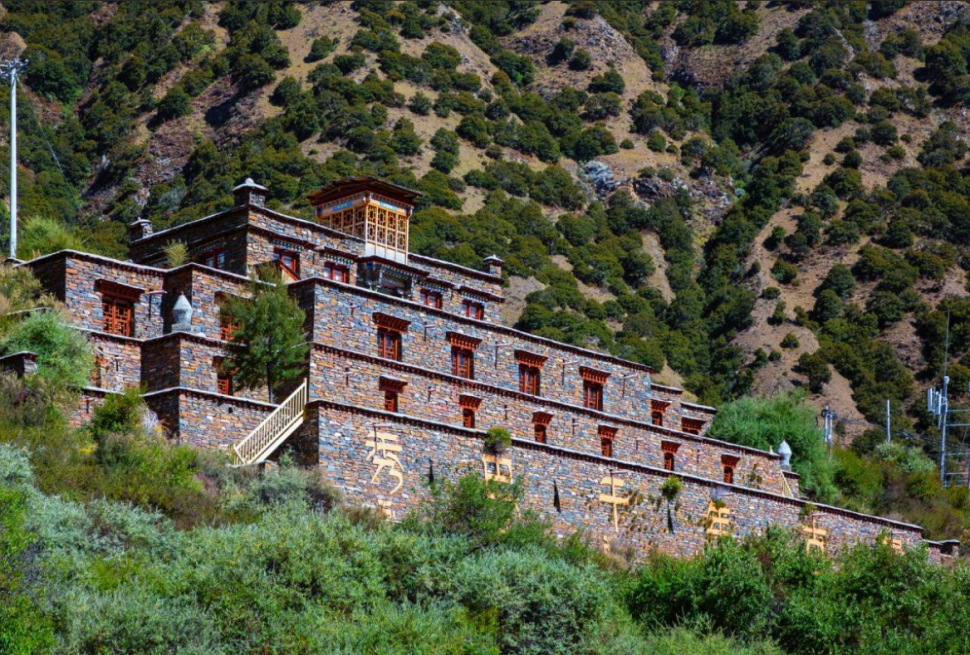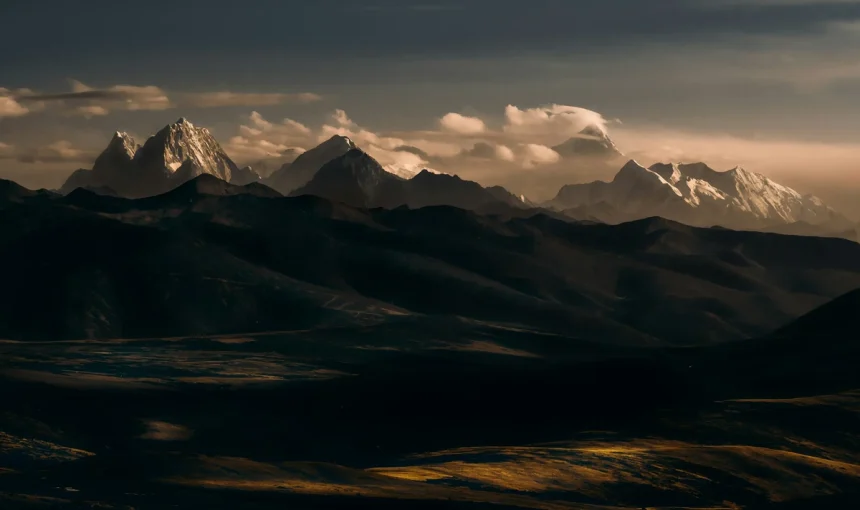
Introduction
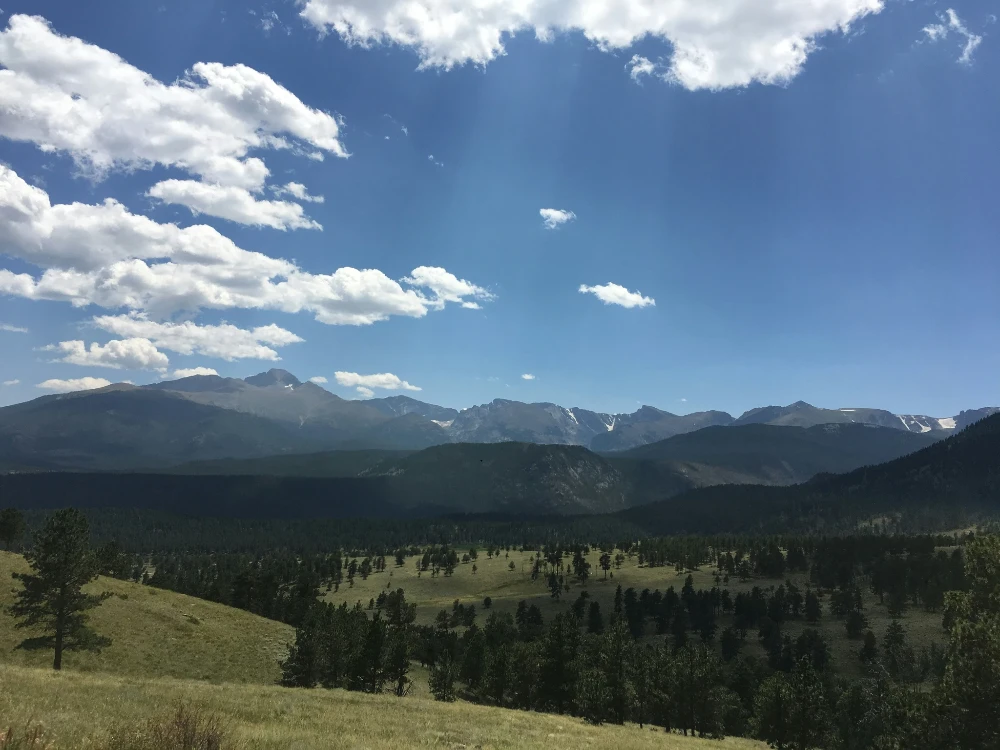
The Tibetan Plateau, often referred to as the Roof of the World, is a breathtaking expanse that captures the imagination of travelers and adventurers alike. Nestled in Central Asia, its stunning landscapes and rich cultural heritage beckon those curious about its wonders. But where exactly is Tibet? Find its location on the map, and you’ll discover a region that serves as a bridge between various cultures and traditions.
Discovering the Tibetan Plateau Location
The Tibetan Plateau is situated at an elevation of over 4,500 meters (14,800 feet) above sea level, making it one of the highest regions on Earth. Bordered by towering mountains like Mount Everest to the south and vast deserts to the north, this unique plateau offers a diverse array of geographical features. Its strategic location not only makes it significant geographically but also culturally, as it connects various ethnic groups and traditions across Asia.
Importance of the Tibetan Plateau
The Tibetan Plateau plays a crucial role in influencing climate patterns across Asia due to its vast size and elevation. It serves as a vital water source for major rivers such as the Yangtze and Indus, impacting millions of lives downstream. Additionally, this region is steeped in spiritual significance; iconic mountains in Tibet like Mount Kailash are revered pilgrimage sites for various religions.
Overview of the Plateau’s Geography
Geographically speaking, the Tibetan Plateau is characterized by rugged terrain interspersed with high mountain ranges and expansive grasslands. The landscape includes not only majestic peaks such as Mount Everest but also serene lakes that dot its surface, creating a stunning visual contrast against rocky outcrops. This diverse geography contributes to unique ecosystems found nowhere else on Earth, making it an essential area for both ecological study and tourism.
Understanding the Geography of Tibet

The Tibetan Plateau, often referred to as the Roof of the World, is a unique and awe-inspiring region that boasts diverse landforms and breathtaking landscapes. This section delves into the major landforms, rivers, lakes, and climate characteristics that define this extraordinary area. By understanding these geographical features, you can better appreciate the wonders of Tibet and its significance in global ecology.
Major Landforms of the Tibetan Plateau
The Tibetan Plateau is characterized by its vast expanse of high-altitude terrain, with an average elevation exceeding 4,500 meters (14,800 feet) above sea level. This region is home to some of the most iconic mountains in Tibet, including Mount Everest—the tallest peak on Earth—and Mount Kailash, a sacred site for numerous religions. The plateau’s rugged topography includes extensive mountain ranges such as the Himalayas and the Kunlun Mountains, creating dramatic vistas that captivate adventurers and nature enthusiasts alike.
Rivers and Lakes in the Region
One cannot discuss the geography of Tibet without mentioning its impressive rivers and lakes that flow through this majestic landscape. The Tibetan Plateau serves as a critical watershed for several major rivers in Asia; among them are the Yangtze River and the Indus River. Additionally, numerous high-altitude lakes dot the region—including Lake Namtso—offering stunning reflections of surrounding peaks while playing vital roles in local ecosystems.
Characteristics of Tibet Weather
Tibet weather is as varied as its geography; it experiences a range from arid conditions to harsh winters at higher elevations. The plateau generally has a cold desert climate with significant temperature fluctuations between day and night due to its altitude. Despite these challenges, unique ecosystems thrive here—supporting diverse flora and fauna adapted to withstand extreme weather conditions while providing an unforgettable backdrop for any Tibet tour.
Where is Tibet? Maps and Boundaries

Tibet, often referred to as the Roof of the World, is a region that occupies a significant portion of the Tibetan Plateau, which spans across several countries including China, India, and Nepal. The plateau’s unique geographical features make it one of the highest regions on Earth. Understanding where Tibet lies on the map helps travelers appreciate its stunning landscapes and cultural heritage.
Political Boundaries of Tibet
The political boundaries of Tibet are complex and have evolved over centuries. Currently, the region is primarily recognized as part of the Tibet Autonomous Region (TAR) within China, but historically it encompassed a much larger area that included parts of neighboring provinces like Qinghai and Sichuan. This intricate political landscape influences how we view Tibet’s identity today and its status in global discussions about autonomy and cultural preservation.
Historical Significance of the Region
Tibet’s historical significance stretches back thousands of years, marked by its rich tapestry of culture, religion, and trade routes connecting Central Asia with India. The region has been a cradle for Tibetan Buddhism, with ancient monasteries dotting its mountains—a testament to its spiritual importance. Understanding this history not only enriches your knowledge about where Tibet is located but also highlights why it remains a focal point for travelers seeking both adventure and enlightenment.
Visualizing Tibet on the World Map
To truly grasp the Tibetan plateau location, one must look at maps showcasing its majestic mountains in Tibet—most notably Mount Everest and Mount Kailash. These peaks not only dominate the landscape but also symbolize spiritual journeys for many who embark on a Tibet tour. By visualizing this stunning terrain on a world map, you can appreciate how this unique region stands out against other geographical features across Asia.
The Majestic Mountains on the Tibetan Plateau

The Tibetan Plateau is often referred to as the Roof of the World, and for good reason. This awe-inspiring region boasts some of the highest peaks on Earth, making it a paradise for adventurers and nature lovers alike. From iconic summits like Mount Everest to sacred sites such as Mount Kailash, the mountains on the Tibetan Plateau are not just geographical features; they are revered landmarks steeped in culture and spirituality.
Iconic Peaks like Mount Everest
When you think of the mountains in Tibet, it’s impossible not to mention Mount Everest, the tallest mountain on our planet. Standing at an astounding 8,848 meters (29,029 feet), it draws climbers from around the globe eager to conquer its formidable heights. The breathtaking views from its summit offer a once-in-a-lifetime experience that showcases both the beauty and harshness of this remote tibetan plateau location.
Mount Everest isn’t just about climbing; it’s also about experiencing a unique blend of cultures and traditions that thrive in its shadow. Local Sherpa communities have lived here for centuries, offering invaluable insights into survival in these extreme conditions. For those planning a Tibet tour, visiting this iconic peak is often at the top of their bucket list.
Sacred Sites: Mount Kailash
Nestled amidst stunning landscapes is Mount Kailash, another jewel among Tibet’s majestic mountains. Revered by multiple religions—including Buddhism, Hinduism, Jainism, and Bon—this sacred peak holds profound spiritual significance for millions worldwide. Pilgrims undertake challenging treks around its base as part of their spiritual journey, emphasizing that this mountain is much more than just an impressive sight.
The unique shape of Mount Kailash adds to its mystique; many believe it represents a cosmic axis connecting heaven and earth. As you explore this area during your Tibet tour, you’ll find ancient monasteries and vibrant prayer flags dotting the landscape—a testament to its rich cultural heritage. For those wondering where is Tibet? Find its location on maps featuring this sacred site and plan your pilgrimage accordingly.
Unique Ecosystems in the Mountainous Areas
The mountainous areas of Tibet are not only visually stunning but also host unique ecosystems that contribute significantly to global biodiversity. The harsh climate has led to specialized flora and fauna adapted to survive high altitudes and extreme conditions found within these rugged terrains. From rare snow leopards prowling through rocky outcrops to vibrant alpine flowers blooming against all odds, these ecosystems are nothing short of miraculous.
In addition to their ecological importance, these mountainous regions play a critical role in regulating water supplies across Asia through their glaciers—often referred to as Asia’s water towers. This makes understanding these environments essential for both conservation efforts and sustainable tourism practices during your Tibet tour experience. So whether you’re hiking up one of these majestic mountains or simply soaking in their grandeur from afar, remember that you’re witnessing nature’s resilience at work.
Planning Your Tibet Tour

Planning a trip to the Tibetan Plateau is an adventure in itself, filled with excitement and a touch of cultural discovery. The unique geography and rich traditions make it a must-visit for travelers seeking both natural beauty and spiritual enlightenment. To ensure you make the most of your Tibet tour, understanding the best times to visit, popular destinations, and essential travel tips is crucial.
Best Times for a Tibet Tour
When considering the Tibetan Plateau location for your next getaway, timing is everything. The best months to embark on your journey are from April to October when the weather is milder and more conducive to exploring the stunning landscapes. However, if you’re eager to witness festivals or experience fewer tourists, consider visiting during shoulder seasons like late spring or early autumn.
Keep in mind that high-altitude conditions can vary dramatically throughout the year; thus, being prepared for temperature fluctuations is essential. In summer, temperatures can reach pleasant highs in Lhasa while still being chilly in higher elevations like Mount Everest Base Camp. So pack layers! This way, you’ll be ready for anything Mother Nature throws your way while traversing those breathtaking mountains in Tibet.
The Tibetan Plateau boasts numerous breathtaking destinations that are sure to leave any traveler spellbound. First on many itineraries is Lhasa, home to iconic sites such as Potala Palace and Jokhang Temple—both central to understanding where Tibet stands culturally and spiritually today. From there, venture out toward Mount Kailash—a sacred site not just for Buddhists but also for Hindus—and soak up its majestic presence amidst stunning Himalayan scenery.
No trip would be complete without experiencing the grandeur of Mount Everest; standing at 8,848 meters (29,029 feet), it’s hard not to feel awed by its towering stature among other mountains on the Tibetan Plateau. Additionally, do not miss out on exploring Namtso Lake—often dubbed “Heavenly Lake”—for its serene beauty against a backdrop of snow-capped peaks. Each destination offers glimpses into both nature’s splendor and deep-rooted cultural significance.
To ensure an unforgettable experience while exploring where Tibet lies geographically and culturally, keep these essential tips in mind before setting off on your adventure! First off: acclimatize yourself properly; altitude sickness can be a real concern when traversing high-altitude areas like those near Mount Everest or Mount Kailash—take it slow! Hydration plays an important role too; drink plenty of water as you wander through these magnificent landscapes.
Furthermore, respect local customs and traditions during your visit; understanding basic etiquette goes a long way in showing appreciation for their rich heritage—especially when engaging with locals or participating in religious practices at sacred sites like monasteries or temples found throughout Tibet’s mountains. Lastly—but certainly not least—consider hiring experienced guides who can enhance your journey through this awe-inspiring land by sharing insights about its history along with practical knowledge about navigating challenging terrains.
Cultural Insights from the Tibetan Plateau
The Tibetan Plateau is not just a geographical marvel; it’s a vibrant tapestry of rich traditions and cultural heritage that has evolved over centuries. This unique region, often referred to as the Roof of the World, boasts a variety of festivals and customs that reflect its deep-rooted history and spiritual significance. From colorful celebrations to traditional practices, the cultural landscape of Tibet offers an enlightening experience for anyone venturing into this majestic area.
Rich Tibetan Festivals
Tibetan festivals on the are as diverse as its stunning landscapes, showcasing the region’s rich traditions. One of the most notable events is Losar, the Tibetan New Year, which involves elaborate rituals, vibrant dances, and family gatherings that last for days. Another significant festival is Saga Dawa, which honors Buddha’s birth and enlightenment with pilgrimages to sacred sites like Mount Kailash—an essential component of any Tibet tour.
These festivities not only highlight the cultural richness but also foster a strong sense of community among Tibetans. The celebrations often include traditional music performances, colorful costumes, and delicious local cuisine that tantalizes your taste buds while offering insights into their way of life. Experiencing these traditions firsthand allows travelers to appreciate why understanding where Tibet is located on the map goes beyond mere geography; it’s about immersing oneself in a culture steeped in history.
Exploring Tibetan Buddhism
Tibetan Buddhism is an integral part of life on the plateau and offers profound insights into both spirituality and daily living. The teachings emphasize compassion, mindfulness, and understanding—principles deeply embedded in Tibetan culture. As you explore this fascinating aspect during your travels in Tibet, you’ll encounter numerous monasteries nestled in breathtaking mountain ranges like those surrounding Mount Everest.
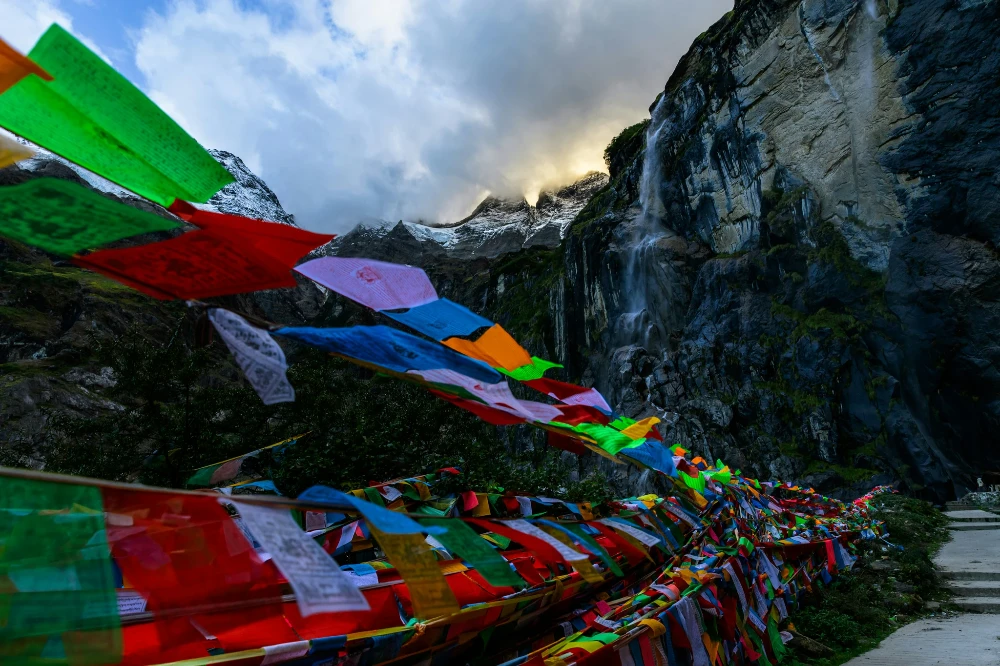
These sacred sites are not just places for worship but also centers for learning where monks dedicate their lives to study ancient texts and meditate on spiritual truths. Visitors often find themselves captivated by intricate mandalas, colorful thangkas (paintings), and prayer flags fluttering against a backdrop of towering mountains in Tibet—a sight that embodies serenity amidst grandeur. Engaging with local monks or participating in rituals can offer transformative experiences that deepen your appreciation for this unique spiritual heritage.
Traditional Medicine and Crafts in Tibet
Tibetan medicine is another fascinating aspect worth exploring while visiting this extraordinary region known for its high altitude landscapes. Rooted in ancient practices dating back thousands of years, it combines herbal remedies with holistic approaches aimed at achieving balance within one’s body and mind—an ideal complement to any exploration on the Tibetan Plateau location map!
Craftsmanship thrives here as well; artisans create stunning handmade crafts ranging from intricately woven carpets to beautifully crafted jewelry inspired by nature’s bounty found among mountains on the Tibetan Plateau. These crafts reflect both artistic expression and cultural significance passed down through generations—a perfect souvenir from your unforgettable Tibet tour experience! By supporting local artisans during your travels, you contribute to preserving these age-old traditions while taking home a piece of authentic Tibetan culture.
Conclusion

The Tibetan Plateau is not just a geographical marvel; it’s a cultural and spiritual epicenter that beckons adventurers and seekers alike. Nestled in Central Asia, this vast expanse is often referred to as the Roof of the World, showcasing a unique blend of breathtaking landscapes and rich traditions. Understanding the Tibetan Plateau location helps frame its significance, as it sits at an average elevation of over 4,500 meters, making it one of the highest regions on Earth.
Recapping the Tibetan Plateau Location
So where is Tibet? Find its location on the map, and you’ll discover it bordered by China to the north and east, India to the south, and Nepal to the west. This strategic positioning not only makes Tibet a melting pot of cultures but also a gateway to some of the most iconic mountains in Tibet, including Mount Everest—the highest peak in the world—and sacred Mount Kailash. The Tibetan Plateau’s location plays a pivotal role in its climate patterns and biodiversity, creating an ecosystem unlike any other.
Key Highlights of Tibet’s Natural Beauty
The natural beauty found on the Tibetan Plateau is nothing short of extraordinary. From towering mountains on Tibetan Plateau like Everest and Kailash to serene lakes that reflect their majesty, every corner holds a new surprise for travelers. The unique ecosystems foster diverse wildlife and plants adapted to high altitudes, making this region a paradise for nature lovers seeking adventure amid stunning vistas.
Why You Should Explore Tibet with GuideTibet
When planning your Tibet tour, enlisting Guide Tibet ensures you experience all that this mystical land has to offer without missing out on hidden gems along your journey. Their expertise will lead you through awe-inspiring landscapes dominated by mountains in Tibet while providing insights into local culture and history that enrich your adventure. So pack your bags—your unforgettable journey through this enchanting region awaits!