For detailed price please inquiry our travel advisor |
Itinerary
Day 1 :
Arrive in Linzhi City Attraction; Gompo Park
Explore the city center and surrounding areas. You can visit Gompo Park, enjoy the beautiful scenery of the surrounding snow capped mountains, and then head to the Niyang River beach to feel the clarity of the river and the charm of the pebbles. You can choose to stay in the downtown area of Linzhi at night and enjoy a comfortable accommodation environment.
Day 2 :
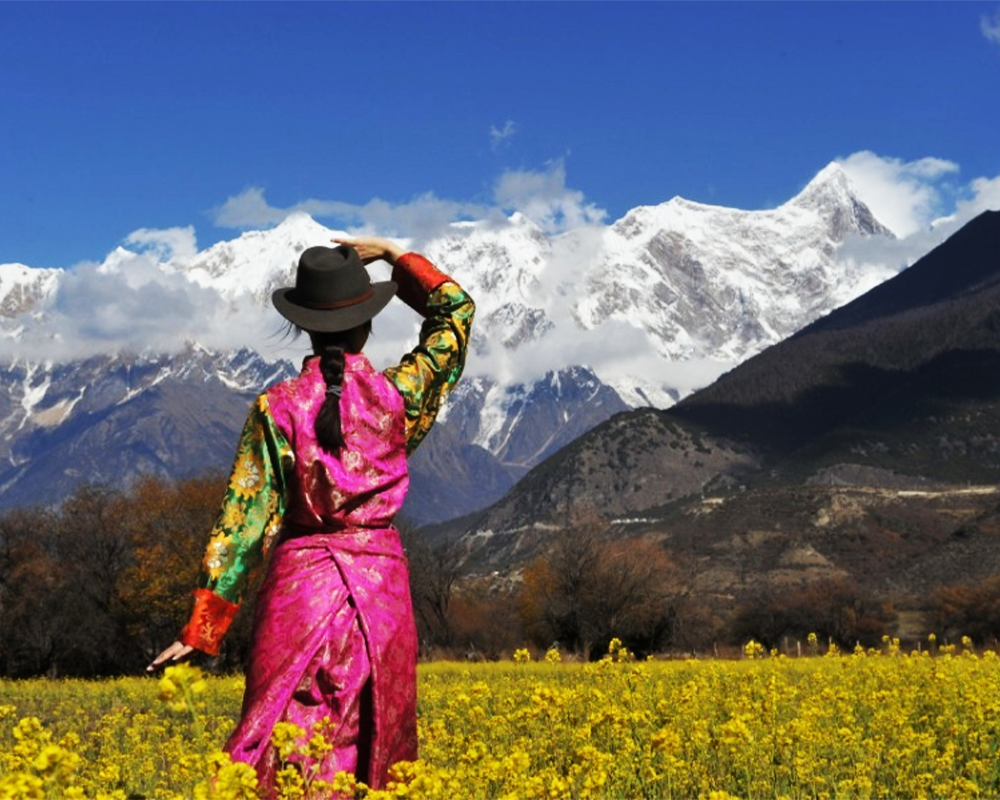
Linzhi (3100m)- Lulang(3385m) - Linzhi 150Km 4 hours to drive Attraction: Nanjakbawa Peak( view the scenery of Nanjakbawa on the view point)
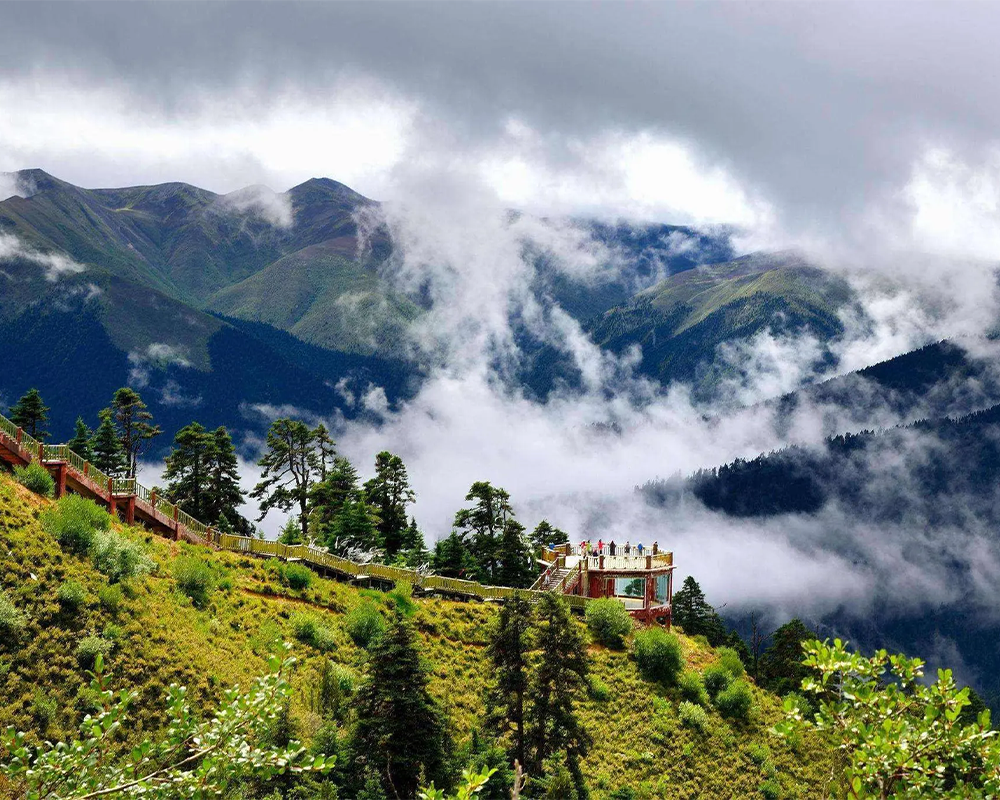
Go to the Sejila Pass and the town of Lulang. Enjoy the sea of clouds and sunrise at the Sejila Mountain Pass, then head to the town of Lulang to experience the fairyland like scenery and cuisine, such as Stone Pot Chicken. Then drive back to Linzhi.
Overnight in Lingzhi
Breakfast
Day 3 :
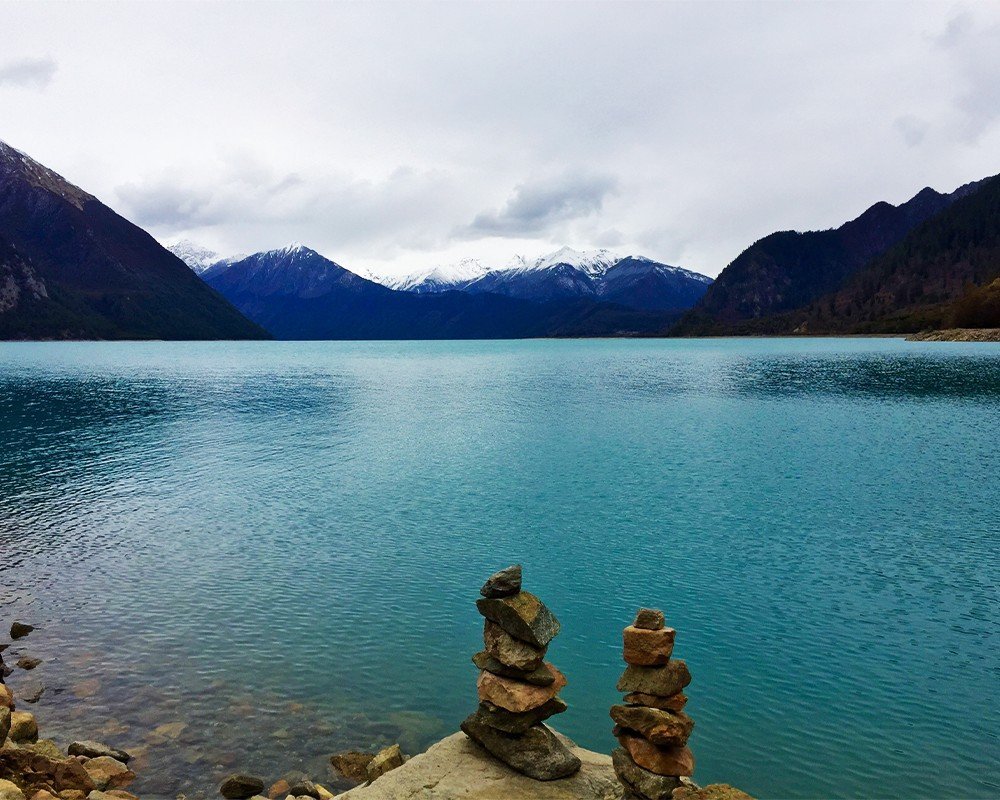
Linzhi(3100m) - Draksum Tso(3480m) - Lhasa(3658m) 480Km 5-6 hours to drive Attraction; Draksumtso and the Tsokil temple
Draksumtso to feel the charm of the plateau emerald. Visit the millennium old temple on the central island of the lake, enjoy the beautiful scenery of the Dachela observation deck, and finally experience the Tibetan customs and cuisine of the stuttering village. Draksumtso Scenic Spot is located in Gongbujiangda County, Nyingchi City, Xizang, and is the first national 5A level scenic spot in Xizang. Here is its detailed introduction: Basic information: Lake surface altitude: 3480 meters. Length: Approximately 18 kilometers. Lake surface area: approximately 27 square kilometers. Deepest point: up to 120 meters. Name meaning: Draksumtso, also known as Tsongo Lake, means "green water" in Tibetan. Scenic area features: equal emphasis on natural scenery and cultural landscapes. The clear lake water and abundant vegetation attract a variety of wild animals to inhabit and reproduce. There is the Tsozong Gongba Temple built in the Tang Dynasty on center Island, which has a profound historical and cultural heritage. The stuttering village within the scenic area is a gathering place for the Kongbu Tibetan people, preserving the simple and ancient village style.
Overnight in Lhasa
Breakfast
Day 4 :
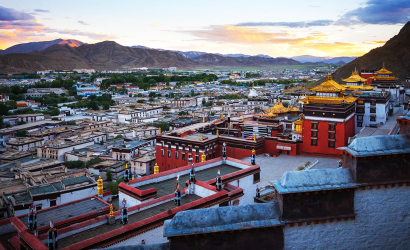
Lhasa sightseeing Attraction; Land mark of Tibet Potala palace and Jokhang temple, Bakhor street; Visit world cultural heritage Potala palace and holy center Tibetan Buddhist Jokhang Templ, Bakhor Street;
The Potala Palace: experience the solemnity and sanctity of world cultural heritage. In the morning, your Tibetan guide and driver will meet you and the other group member at hotel lobby then start from downtown Lhasa and first visit the Potala Palace, which is not only the political, religious and cultural center of Tibet but also the holy land of Tibetan Buddhism.
History of Potala Palace or ancient castle
The Potala Palace is located on the Maburi Mountain (Red Mountain) in the northwest of Lhasa, the capital of the Tibet Autonomous Region of the People's Republic of China. The Potala Palace was built under the leadership of Songtsen Gampo, the 33rd Tibetan king of Tubo, in 631 AD. However, with the disintegration of the Tubo Kingdom, it suffered severe damage due to natural and man-made disasters. In 1645, the Fifth Dalai Lama rebuilt the Potala Palace to consolidate the political and religious unity of the Ganden Pohang region, and continued to expand it until it reached its current size. The Potala Palace was designed and built according to the layout of Buddhist mandalas, covering a total area of over 360000 square meters and a total construction area of over 130000 square meters. The main building is 117 meters high and has 13 floors. It is a large palace style architectural complex with 1267 rooms, including palaces, stupas, Buddhist halls, administrative offices, monk schools, and monk houses. The main works of the building have two systems: the White House and the Red Palace. The White House is the place where the Dalai Lamas of past dynasties govern and live. The Red Palace is the place for religious activities and the place where the Dalai Lamas of past dynasties worship their stupas. The building form of the White House around the Red Palace reflects the social system of the integration of politics and religion in old Tibet. After 1959, the Central Committee of the Communist Party of China and the State Council attached great importance to the maintenance and protection of the Potala Palace, and allocated maintenance funds throughout the year. Two phases of maintenance were carried out in 1988 and 2001. On March 4, 1961, the Potala Palace was announced by the State Council of the People's Republic of China as the first batch of national key cultural relics protection units. In 1994, the Potala Palace was listed as a World Cultural Heritage site by UNESCO. Potala Palace is the winter palace of all previous Dalai Lamas, and also the ruling center of the integration of politics and religion of Tibet’s m local rulers in the past. Since the fifth Dalai Lama, major religious and political ceremonies have been held here. At the same time, it is a place to worship the spiritual tower of all previous Dalai Lamas.
Overnight in Lhasa
Breakfast
Day 5 :
Lhasa train station or airport send off
Today is the 5th day to leave Tibet and your tour guide and driver will come on time to send off Lhasa train station or airport. This will end your tour services in Tibet. Thanks for your trust and support to us. Tashi Delek
Breakfast