Itinerary
Day 1 :
Pick up from Lhasa airport or train stations.
Our Tibetan guide and driver will greet you at the airport or train station and present you with a Kada (the traditional Tibetan ceremonial white scarf) to Welcome you to Tibet :) Then will be drive around 40-50 minutes to Lhasa city if you take plane to Lhasa or drive 20 minutes to Lhasa city if you board train to Lhasa and transferred to your hotel. Along the way, you can enjoy the spectacular scenery of Yarlung Tsangpo River, Lhasa River, and the typical Tibetan villages and highland barley seeds farms.
Later your guide will introduce you some of local, Chinese and continental dish restaurants for the dinner. On your arrival of the first day must be take an easy, relax and keep hydrated by drinking warm water or home temperature water. Will be very helpful to acclimatize to the high altitude.
Overnight at Lhasa.
Day 2 :
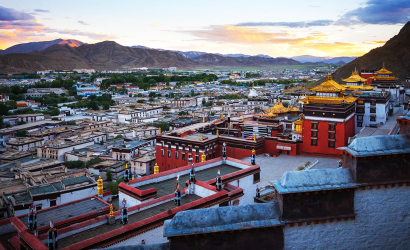
Sightseeing in Lhasa; Attraction; Visit Potala Palace, shooting experience around the palace;
In the morning, your Tibetan guide and driver will meet you and start from downtown Lhasa and first visit the Potala Palace with Tibetan cultural dress and makeup. Then full day spend for shooting around the palace and deal with local after all the tourist visiting spot.
History of Potala Palace or ancient castle;
The Potala Palace is located on the Maburi Mountain (Red Mountain) in the northwest of Lhasa, the capital of the Tibet Autonomous Region of the People's Republic of China. The Potala Palace was built under the leadership of Songtsen Gampo, the 33rd Tibetan king of Tubo, in 631 AD. However, with the disintegration of the Tubo Kingdom, it suffered severe damage due to natural and man-made disasters. In 1645, the Fifth Dalai Lama rebuilt the Potala Palace to consolidate the political and religious unity of the Ganden Pohang region, and continued to expand it until it reached its current size. The Potala Palace was designed and built according to the layout of Buddhist mandalas, covering a total area of over 360000 square meters and a total construction area of over 130000 square meters. The main building is 117 meters high and has 13 floors. It is a large palace style architectural complex with 1267 rooms, including palaces, stupas, Buddhist halls, administrative offices, monk schools, and monk houses. The main works of the building have two systems: the White House and the Red Palace. The White House is the place where the Dalai Lamas of past dynasties govern and live. The Red Palace is the place for religious activities and the place where the Dalai Lamas of past dynasties worship their stupas. The building form of the White House around the Red Palace reflects the social system of the integration of politics and religion in old Tibet. After 1959, the Central Committee of the Communist Party of China and the State Council attached great importance to the maintenance and protection of the Potala Palace, and allocated maintenance funds throughout the year. Two phases of maintenance were carried out in 1988 and 2001. On March 4, 1961, the Potala Palace was announced by the State Council of the People's Republic of China as the first batch of national key cultural relics protection units. In 1994, the Potala Palace was listed as a World Cultural Heritage site by UNESCO. Potala Palace is the winter palace of all previous Dalai Lamas, and also the ruling center of the integration of politics and religion of Tibet’s m local rulers in the past. Since the fifth Dalai Lama, major religious and political ceremonies have been held here. At the same time, it is a place to worship the spiritual tower of all previous Dalai Lamas.
Breakfast, Dinner
Overnight in Lhasa
Day 3 :
Sightseeing in Lhasa City Attraction; Jokhang temple and Bakhor Street;
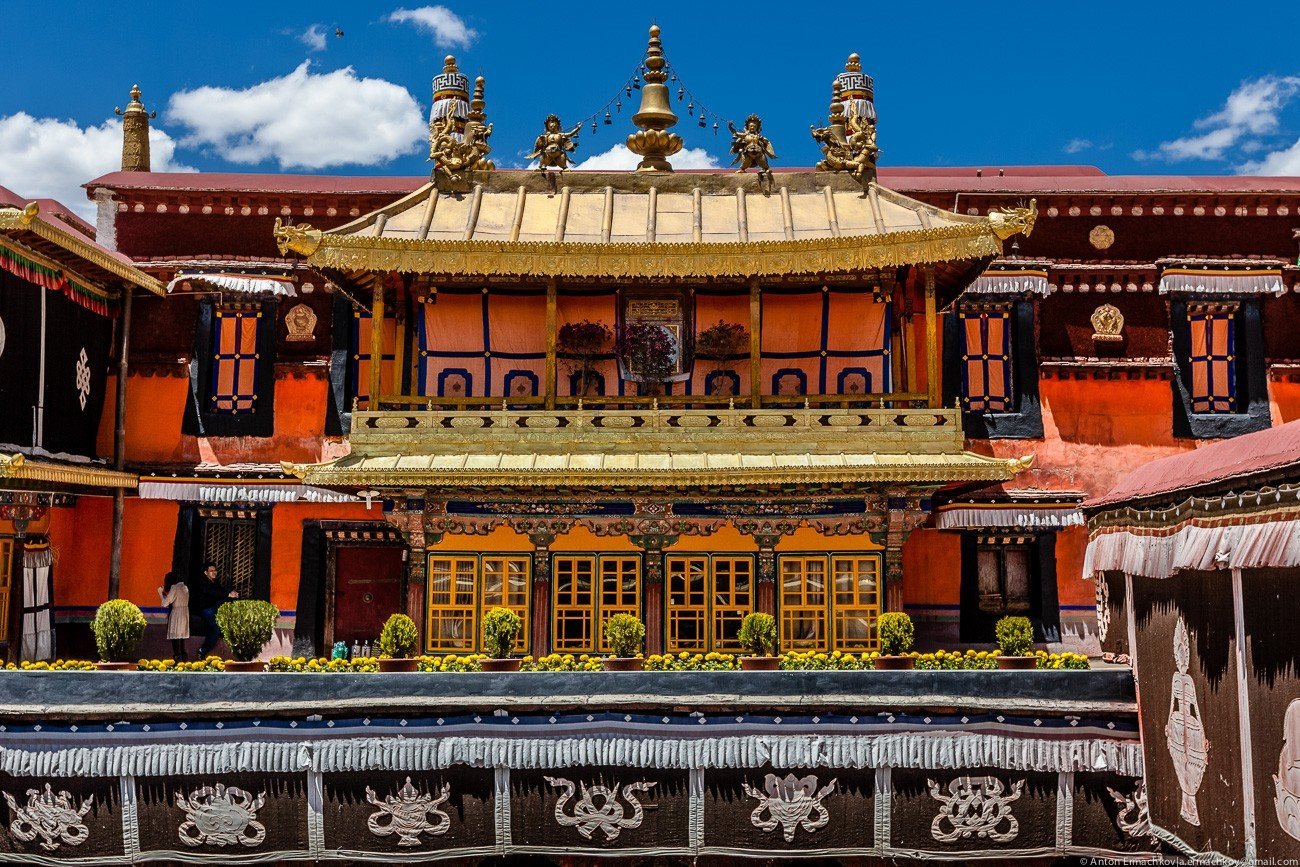
Mornight we will go to Jokhang Temple to experience the strong religious atmosphere with Tibetan costume and make up. Then we will shooting and stroll along Barkhor Street, taste authentic Tibetan cuisine, and purchase handicrafts.
History of Jokhang temple
Jokhang Temple, located in Lhasa, Tobey Autonomous Region, is a central Tibetan Buddhist temple and also a central of the universe too. It was founded in 647 A.D. by the Tibetan King Songtsen Gampo to commemorate Princess Wencheng's entry into Tibet. Jokhang Temple has a long history of more than 1300 years. It is one of the most splendid existing buildings in Tibet during the Tibetan period and the earliest civil structure building in Tibet. The temple was originally called "Rasa", later evolved into "Lhasa", and eventually became the name of the city. Jokhang Temple is not only a Buddhist temple, but also a three-dimensional representation of the ideal model of the universe in Buddhism - the mandala. The architectural style of Jokhang Temple combines the characteristics of Tibetan, Tang, Nepalese, and Indian architecture, and is a model of Tibetan religious architecture. There are statues of Shakyamuni and other figures enshrined in the temple, as well as statues of Songtsen Gampo, Princess Chizun, and Princess Wencheng. The temple has undergone multiple expansions and modifications, especially during the Yuan, Ming, and Qing dynasties, forming its current scale. Jokhang Temple is not only a pilgrimage site for Tibetan Buddhists, but also a sacred temple revered by various sects. The "Golden Urn Lottery" ceremony for the reincarnation of Gelug Living Buddhas has always been held here.
Breakfast,
Overnight at Lhasa
Day 4 :
Lhasa - Khampala Pass (4998m)- Yamdrok Lake then Depart from Lhasa;
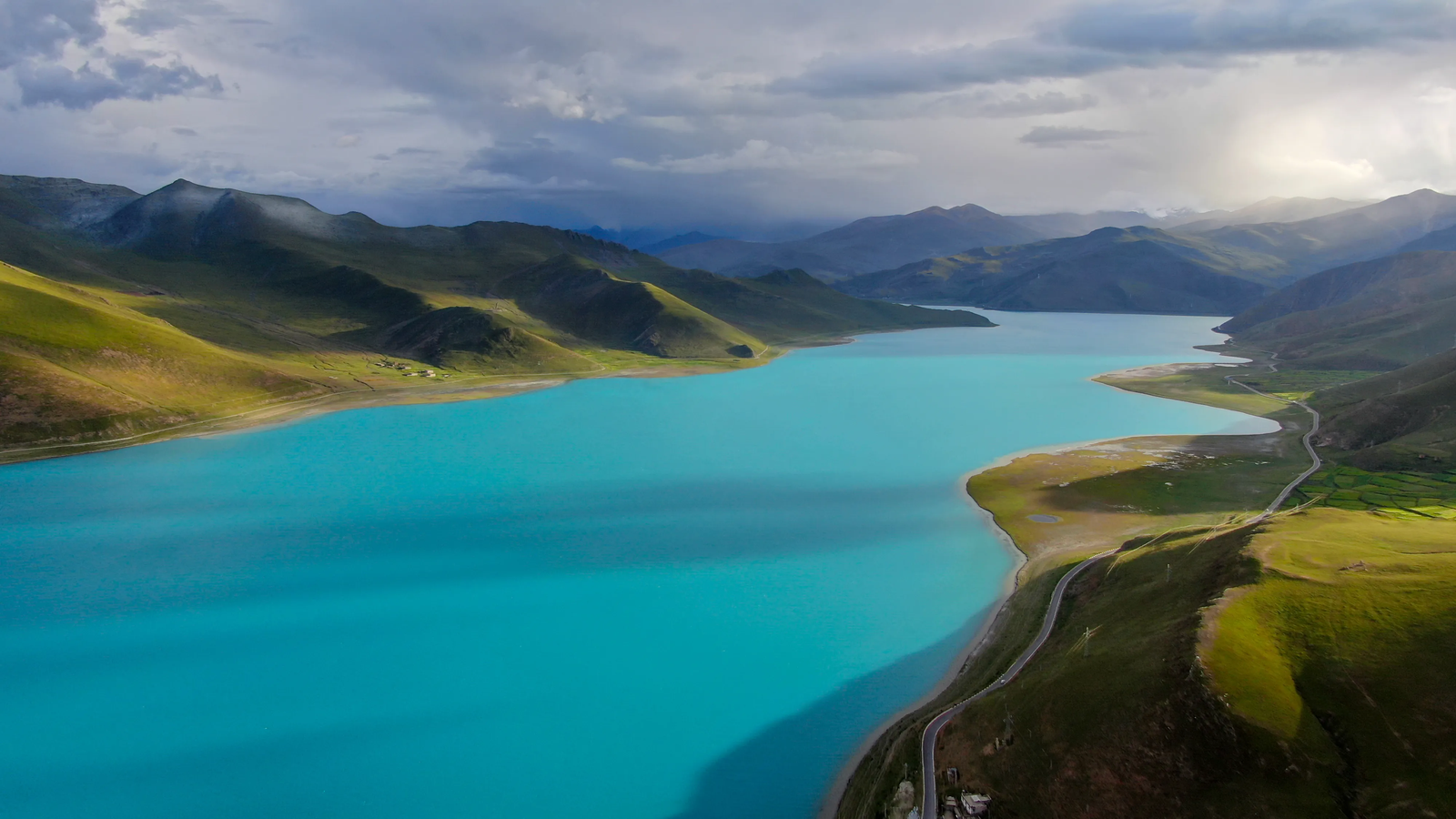
In order to before complete the Tibet tour, we designed Tibet Yamdrok Yongtso Lake for you on the day 4th . Best shooting location, a popular spot in Yamdrok, and Yanmdrok Grassland Meadow are excellent locations for taking photos. The lake water is clear and the background is rich.Shooting precautions: Pay attention to sun protection and physical distribution, and avoid low blood sugar affecting the shooting effect. Meanwhile, due to the high altitude of Yamdrok Lake, it is necessary to take precautions against altitude sickness.
Schedule: Combining sightseeing and photography, you can arrange to visit classic viewing platforms such as Khampala Pass Mountain, Lurila Observation Deck, and Daycare Temple. These places are not only picturesque, but also capture the beauty of Yamdrok from different angles.
Please note that adequate preparation should be made before traveling, including physical examination, carrying necessary medications and sunscreen, etc., to ensure a pleasant and safe journey.Yamdrok Yongtso, which means "Turquoise" in Tibetan, is located in Gonggar County and Langkartse County, Lhoka City, Tibet Autonomous Region, next to the Yamdrok lake Scenic Area of Provincial Highway 307, and is called the three holy lakes in Tibet together with Namtso and Manasarovar. The lake covers an area of 638 square kilometers. Yamdrok Yongtso is the largest enclosed inland lake in the southern part of the Qinghai Tibet Plateau, with an elevation of 4441 meters, an average depth of about 23.6 meters, a water storage capacity of about 16 cubic kilometers, a shoreline of 250 kilometers, a drainage area of 6100 square kilometers, and a lake water reserve of about 16 billion cubic meters. According to observations and calculations by the local forestry department, the bird islands and bird populations in Yamdrok Yongtso Lake are rare in the country. On these islands, various bird species are found and inhabit. In addition to birds, there are extremely rich species of wild animals inhabiting the Yamdrok Yongtso Lake basin, including mammals such as snow leopards, argali, diarrhea, otters, wild donkeys, rock sheep, yellow sheep, and deer, which are classified as national first and second class protected animals. Yamdrok Yongtso is a unique natural scenic spot integrating plateau lakes, snow mountains, islands, pastures, hot springs, wild animals and plants, temples and other landscapes. It, together with Namtso and Manasarovar, is known as the three major heavenly lakes in Tibet. There are also perennial insoluble snow mountains and ice peaks around, the highest of which is more than 7000 Lakes, snow capped peaks, and blue sky blend together meters above sea level.
By driving along the Lake and village for an hour for shooting then drive to Lhasa .
Breakfast
Overnight in Lhasa
Day 5 :
Lhasa - Namtso Lake (4718m)- Lhasa 250 Km 8-10 hours to drive for way up and down;
The photos from Lhasa to Namtso have rich and diverse details, and the following is a summary of some key points:
Scenery along the way:
High Plains Scenery: Along the way, you can enjoy magnificent plateau scenery, including grasslands, snow capped mountains, and lakes, providing an excellent background for photography.
The Qinghai Tibet Highway and Railway: The Qinghai Tibet Highway and Railway run parallel, making it a great location for capturing the perfect integration of modern transportation and natural scenery.
Namtso Features:
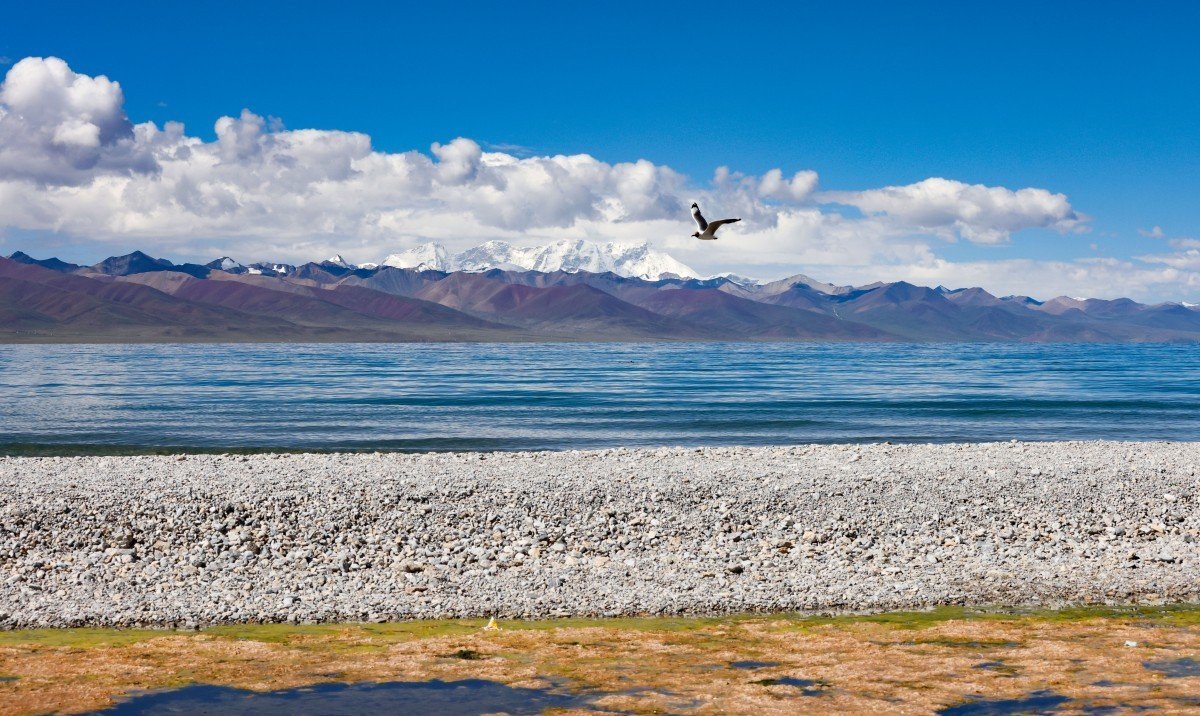
The Beauty of Holy Lake: As the third largest saltwater lake in China, Namtso Lake has a deep blue water that complements the distant Nyechen Tanggula Snow Mountain, making it an excellent choice for capturing the scenery of the lake and mountains.
Best time: Choose early morning or evening when the light is soft and the colors are fuller, which is the best time for taking photos.
Breakfast
Overnight in Lhasa
Day 6 :
Lhasa airport/ train station send off
Today is the your last day in Tibet and your tour guide and driver will come on your time to send off Lhasa train station or airport. This will end our tour services in Tibet. Thanks for your trust and support to us.
Tashi Delek
Breakfast