Description
The 304 provincial road is a pleasant surprise road conditions, as it is a road where is difficult to find a people along the way because the place belongs for Tibet northern Nomadic area. However, the road conditions in 304 is too good, and there is far fewer cars than in 318. Moreover, the 304 road is too different then the other road you been in Tibet, the sky is very clear for thousands of miles up the mountains. Along the way is the nearby snow capped mountains, Chomugangri Snow Mountain, belonging to the Nyenchen Tangla range, with an altitude of 7048 meters above the sea level. Because of there are fewer people and fewer cars, you can stop by the roadside to take various photos. And you can also see the Nyenchen Tanggula range and the scenery along the way is indescribable with nomad life style during the summer season. Dam Shong county will be the place for one night before enter Holy Namtso Lake.
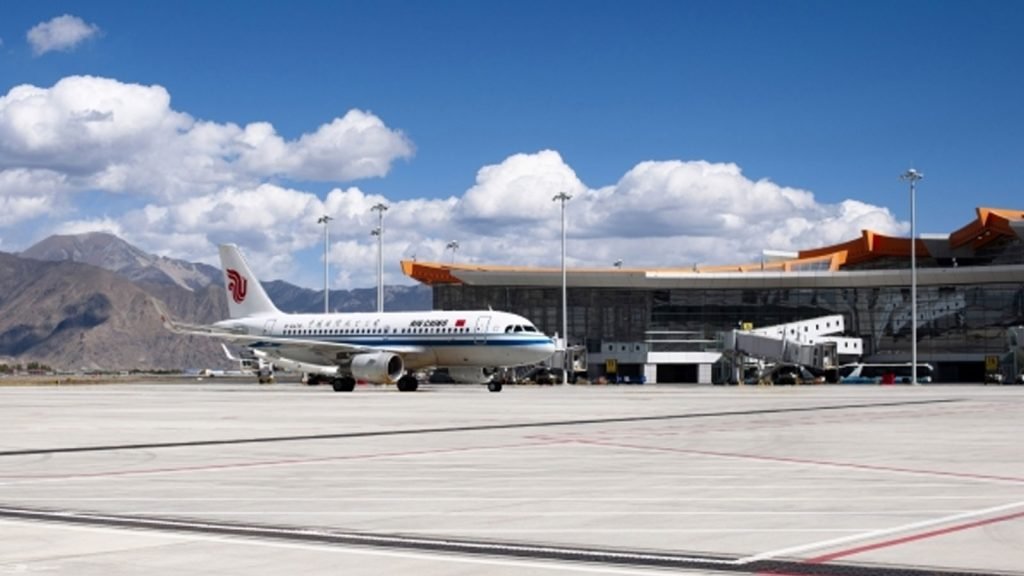
Our Tibetan guide and driver will greet you at the airport or train station and present you with a Kada (the traditional Tibetan ceremonial white scarf) to Welcome you to Tibet :) Then will be drive around 40-50 minutes to Lhasa city if you take plane to Lhasa or drive 20 minutes to Lhasa city if you board train to Lhasa and transferred to your hotel. Along the way, you can enjoy the spectacular scenery of Yarlung Tsangpo River, Lhasa River, and the typical Tibetan villages and highland barley seeds farms.
Later your guide will introduce you to the other members of your group once all are in Lhasa. And will discuss about tour schedule in Tibet. Then will show you some of local, Chinese and continental dish restaurants for the dinner. On your arrival of the first day must be take an easy, relax and keep hydrated by drinking warm water or home temperature water. Will be very helpful to acclimatize to the high altitude.
Stay overnight in Lhasa.
Attraction; Potala Palace, Jokhang temple and Bakhor Street;
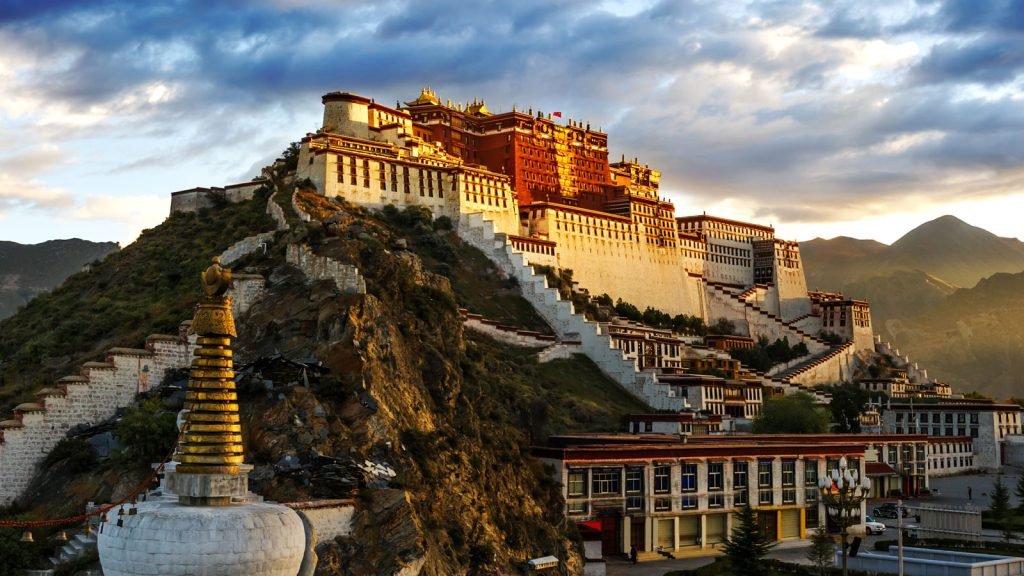
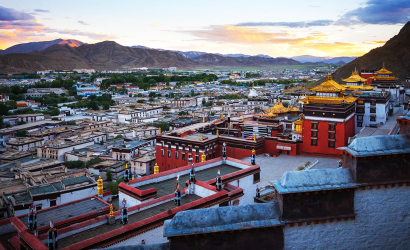
In the morning, your Tibetan guide and driver will meet you and the other group member at hotel lobby then start from downtown Lhasa and first visit the Potala Palace, which is not only the political, religious and cultural center of Tibet but also the holy land of Tibetan Buddhism.
History of Potala Palace or ancient castle
The Potala Palace is located on the Maburi Mountain (Red Mountain) in the northwest of Lhasa, the capital of the Tibet Autonomous Region of the People's Republic of China. The Potala Palace was built under the leadership of Songtsen Gampo, the 33rd Tibetan king of Tubo, in 631 AD. However, with the disintegration of the Tubo Kingdom, it suffered severe damage due to natural and man-made disasters. In 1645, the Fifth Dalai Lama rebuilt the Potala Palace to consolidate the political and religious unity of the Ganden Pohang region, and continued to expand it until it reached its current size. The Potala Palace was designed and built according to the layout of Buddhist mandalas, covering a total area of over 360000 square meters and a total construction area of over 130000 square meters. The main building is 117 meters high and has 13 floors. It is a large palace style architectural complex with 1267 rooms, including palaces, stupas, Buddhist halls, administrative offices, monk schools, and monk houses. The main works of the building have two systems: the White House and the Red Palace. The White House is the place where the Dalai Lamas of past dynasties govern and live. The Red Palace is the place for religious activities and the place where the Dalai Lamas of past dynasties worship their stupas. The building form of the White House around the Red Palace reflects the social system of the integration of politics and religion in old Tibet. After 1959, the Central Committee of the Communist Party of China and the State Council attached great importance to the maintenance and protection of the Potala Palace, and allocated maintenance funds throughout the year. Two phases of maintenance were carried out in 1988 and 2001. On March 4, 1961, the Potala Palace was announced by the State Council of the People's Republic of China as the first batch of national key cultural relics protection units. In 1994, the Potala Palace was listed as a World Cultural Heritage site by UNESCO. Potala Palace is the winter palace of all previous Dalai Lamas, and also the ruling center of the integration of politics and religion of Tibet’s m local rulers in the past. Since the fifth Dalai Lama, major religious and political ceremonies have been held here. At the same time, it is a place to worship the spiritual tower of all previous Dalai Lamas.
Afternoon we will go to Jokhang Temple to experience the strong religious atmosphere. Then we will stroll along Barkhor Street, taste authentic Tibetan cuisine, and purchase handicrafts. In the evening, you can go to see the night view of the majestic Potala Palace to enjoy the beautiful night walk.
History of Jokhang temple
Jokhang Temple, located in Lhasa, Tobey Autonomous Region, is a central Tibetan Buddhist temple and also a central of the universe too. It was founded in 647 A.D. by the Tibetan King Songtsen Gampo to commemorate Princess Wencheng's entry into Tibet. Jokhang Temple has a long history of more than 1300 years. It is one of the most splendid existing buildings in Tibet during the Tibetan period and the earliest civil structure building in Tibet. The temple was originally called "Rasa", later evolved into "Lhasa", and eventually became the name of the city. Jokhang Temple is not only a Buddhist temple, but also a three-dimensional representation of the ideal model of the universe in Buddhism - the mandala. The architectural style of Jokhang Temple combines the characteristics of Tibetan, Tang, Nepalese, and Indian architecture, and is a model of Tibetan religious architecture. There are statues of Shakyamuni and other figures enshrined in the temple, as well as statues of Songtsen Gampo, Princess Chizun, and Princess Wencheng. The temple has undergone multiple expansions and modifications, especially during the Yuan, Ming, and Qing dynasties, forming its current scale. Jokhang Temple is not only a pilgrimage site for Tibetan Buddhists, but also a sacred temple revered by various sects. The "Golden Urn Lottery" ceremony for the reincarnation of Gelug Living Buddhas has always been held here.
Breakfast
Overnight at Lhasa
Attraction; Drepung Monastery , Sera Monastery. Guide will arrange your Lunch with local taste in monastery restaurant;
After the breakfast our driver and guide will pick you up from hotel and drive to the monasteries. Today, you will visit Drepung and Sera monastery from morning around 9:00 to 5:00 pm. Both of monasteries offering a unique insight into Tibetan Buddhism. And will also have local food taste from the monastery restaurant.
History of Drepung Gompa
Drepung monastery is one of the six major monasteries of Gelukpa order. Drepung, Ganden and Sera Monastery are known as the three major and highest ranking monasteries in Lhasa. It was once one of the world’s largest monastery where in the pass day there were over 10,000 monks who studies as well as lives in there. It was a town itself at time Drepung is Tibetan name which means heap of rice. It is located in a valley on the southern slope of Mount Genpuwuzi, about 8 kilometers to the west of central of Lhasa city. It was founded in 1416 by the Jamgyang Choejee Tashi Paldan the disciple of the founder of the Yellow Sect, Tsongkhapa master. There are countless halls in Drepung monastery with the most famous being the "Jampa Thongdorl" hall in religious terms and the most important being the "Ganden Potang" hall in political terms. The "Jampa
Thongdrol " (Maitreya Sees Liberation) Hall is located on the northwest side of the third floor of the Tsochen Hall. Although it is not large in scale, it is famous for its main statue of Maitreya at the age of eight. A continuous stream of believers came to worship. Inside the hall, there is also the precious treasure of the temple - the white conch was bless by the Budhha Shayakmuni when he was in India . When Tsongkhapa ordered Jamyang Choejee Tashi Paldan to build the Drepung Monastery, he would hand over the white seashells personally excavated by Tsongkhapa before the construction of Ganden Monastery to Tashi Paldan and wish the temple a success. This collection of seashells has always been kept in the Maitreya Hall. There are also six main scripture halls in the temple: 1. Ganden Podang Chapel 2. Tsochen Hall 3. Tantric Monastery 4. Losaling collage 5. Guomang collage 6. Deyang collage.
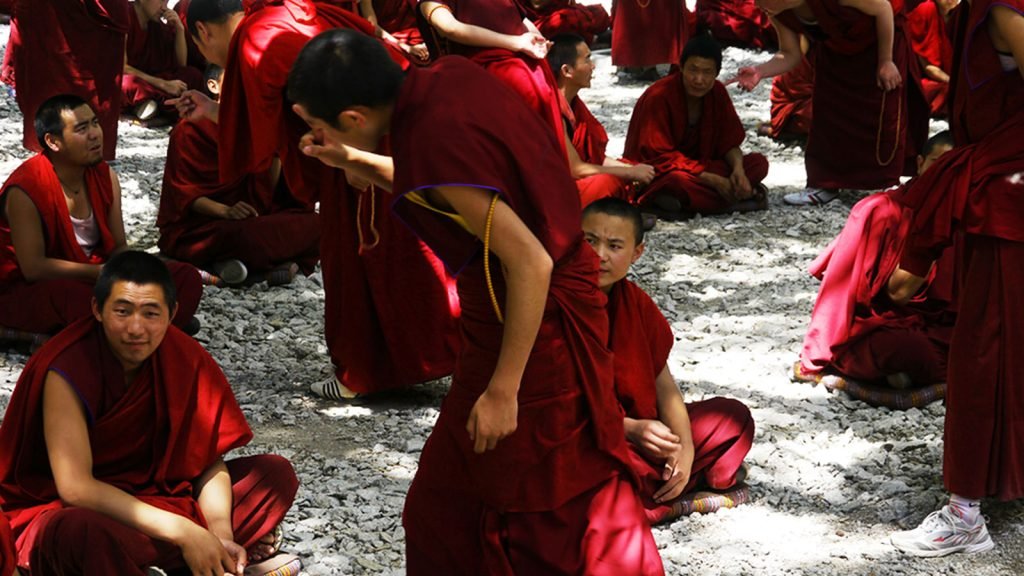
After around 3 hour’s visiting of the Drepung Gompa will have a 1 hour lunch time for locate taste from the monastery restaurant then drive to next scenic spots. The most interesting thing in the Sera Gompa is Buddhist philosophy debate. The debate venue of Sera Monastery is part of the traditional learning method of the Gelug sect of Tibetan Buddhism, and the debate ceremony starts at 3 pm to 5 pm from Monday to Friday. When debating scriptures, monks usually sit on the ground while another stands across from them, exaggerating their movements to debate the scriptures. This is a discussion of Buddhist knowledge and also a way for lamas to learn. The debate ceremony of Sera Monastery is well-known in Tibetan areas and attracts many tourists to visit. Except for special holidays, the debate venue holds debate activities from Monday to Friday, giving visitors the opportunity to witness this unique form of religious learning firsthand.
History of Sera Gompa
Sera Monastery, also known as Sera Mahayana Monastery, is one of the six main monasteries of the Gelug sect in Tibetan Buddhism. Along with Drepung monastery and Ganden monastery, it is known as one of the three major temples in Lhasa and is the latest one built among them. Sera Monastery is a national key cultural relic protection unit, located at the foot of Sera Uzi Mountain, 3 kilometers north of central part of Lhasa city. It is surrounded by willow forests and has been a place for high monks and living Buddhas to preach since ancient times. There are many small monasteries for monks and nuns surrounding it. In the 17th year of the Yongle reign of the Ming Dynasty (1419), Jamchen Shakya Yeshi, a disciple of Tsongkhapa master, built it, which was completed in the 9th year of the Xuande reign of the Ming Dynasty (1434). Later, Jamchen Shakya Yeshi was summoned to Beijing and granted the title of Great Compassionate Dharma King. After returning to Tibet, the imperial bestowed sutras and statues were preserved in the temple and still exist today. At its peak, there were over 8000 monks in the monastery, slightly smaller in scale than the Drepung Monastery. There are tens of thousands of Vajra statues in the Sera Gompa, most of which are made locally in Tibet. There are also many bronze Buddha statues brought from mainland China or India. The walls of the main hall and various Tazang scripture halls preserve a large number of original colored murals. The most famous statue is the " Protector Hayagriwa " statue in the main hall. The main buildings include Tsochen (Assembly Hall), Jee Tazang, Mai Tazang, Ngapa Tazang, and 32 Kang Tsan villages. The early buildings were centered around Mai Tazang and Ngapa Tazang , and were later expanded and renovated throughout history to have the current scale, so there was no overall plan for the layout. But the architecture of Sera Monastery is dense but not crowded, diverse but not chaotic, tailored to local conditions, with a prominent main body, reflecting the unique style of Gelugpa monasteries, and is entirely a religious city.
Overnight at Lhasa hotel.
Breakfast, Lunch
Attraction; Khampala Pass (4998m) - Yamdrok Lake - Karola (5190m) Holy Mt. Nyechen Khansang Glacier (7191m)
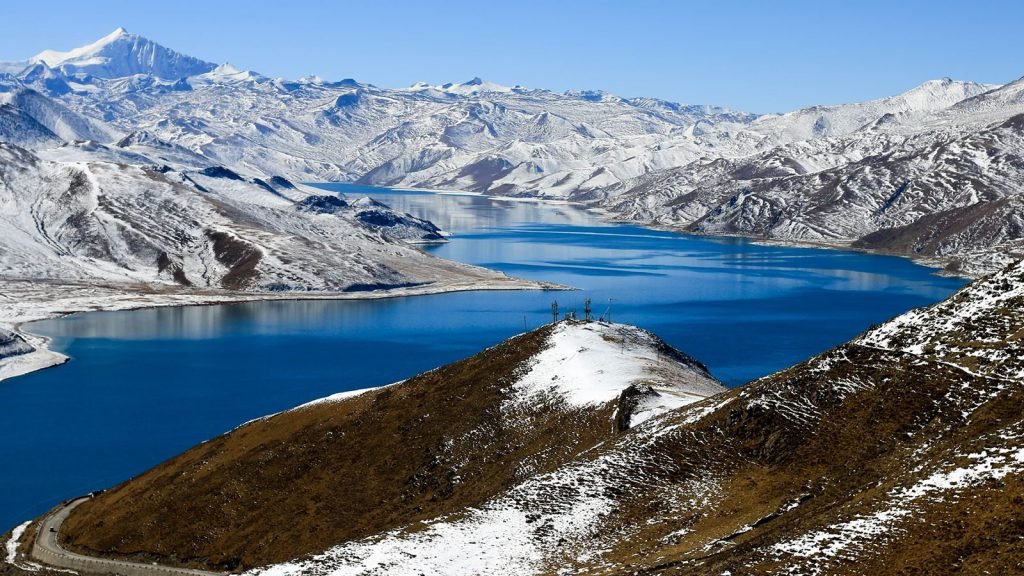
Today we are leaving Lhasa to Mt. Everest base camp via Yamdrok lake, ancient town Gyantse, the highland barley seeds store room of Tibet Shigate. We need to bring all our luggage and go to discovering new experiences and wonders on the way to Lhasa, Gyantse, Shigatse and Mt.Everest base camp. It is the best choice to travelers who like to know different Tibetan cultural and take photos in Tibet. We can see an awesome landscape out side of Lhasa city around 50 Km and will reach top of the Khampala and can view the full sight of Yamdrok Lake. It is located in Nangkar tse County in the Shannan region of Tibet, less than 100 kilometers away from Lhasa and is called the three holy lakes in Tibet together with Namtso and Manasarovar. Unique location, south of the mountain; The beauty of lakes and mountains is unparalleled in southern Tibet. The Yamdrok Yongtso Lake is the sacred lake in the hearts of local Tibetans, and it is also a must see tourist landscape in Tibet. It gives people a clear and ethereal, dreamlike atmosphere. By driving along the Lake and villages we will be at our lunch place for an hour. Then keep drive to ancient city by crossing several interesting villages, high pass, Glacier, monastery, 100,000 statue of stupa, canola flowers and barley seeds farms.
Over Night at Shigtse local Hotel
Breakfast
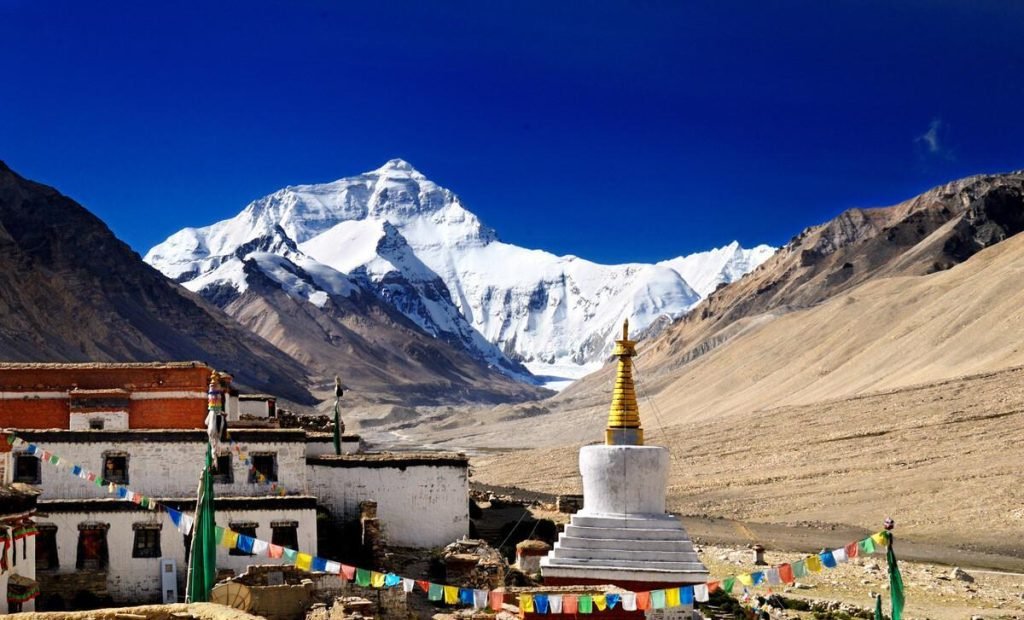
Attraction; Tashi Lhunpo mastery and world highest Rongpuk monastery
From Shigatse, it takes about 6 hours by car to reach the Mount Everest scenic area. The route takes us over high pass like Tsola (4500m), Gyatso La (5248m).
The winding mountain road up the mountain must be slow and honked frequently. Once you enter the scenic area, you will be asked to buy a ticket (vehicle entry fee)! The scenic area is very large, so it takes more than an hour to drive to the parking lot after entering the park, and then take an eco-friendly car to the campsite at the base camp! We will pass through the Gawula Pass, where there is an observation deck that is an excellent location for filming! Can capture 5 peaks with an altitude of over 8000m. The advantage of winter is that there are fewer clouds and mist, and the visibility of the mountain formations is very high.
The five highest peak of the Himalayan Ranges are;
1.Mount Makalu 8463m
2.Mount Cho Oyu 8201m
3.Mount Qomolangma 8848.86
4.Mount Luozi 8516m
5.Mount Shishabangma 8012m
After we change our transportation to the Eco bus will drive us another half and hour to the local Yak hair hand made tent guesthouse. We will first check into the tent guesthouse. Please note: The local tent guesthouses are not available from late November to Early April and are sometimes. We will get time to explore and take a walk to the base camp around 2 Km for the picture and visit the highest and famous Rongbuk Monastery in the world. This is the only one monastery both monks and nuns can study Tibet Buddhist. If your are lucky enough then in the evening can take picture of the sunset Golden North Face of the Mt. Everest. (Please Note: Your guide and one of the our group member needs time to obtain the Alien's Travel Permit (ATP) from the local Public Security Bureau from Gyangtse on your arrival or Shigatse before you depart ). The ATP is a required permit that will be issued for the border check at Shegar and every check point of the Nepal border.)
Overnight at the local Yak Hair tent guesthouse
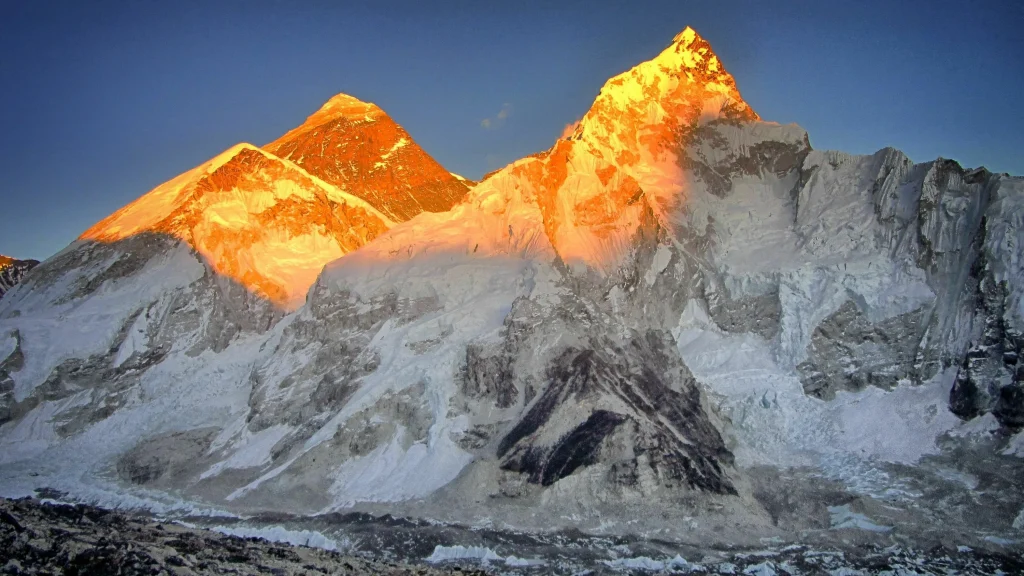
Sunrise around 7:00am - 7:30am, we will leave after the best view of the sunrise Golden Mt. Everest.
The hill behind the monastery is the best spot for good early-morning photos of
the mountain. Then it is time to say goodbye to the world’s highest mountain. The
345 Kilometer from the Mt. Everest Base camp to Shigatse city takes around 6-7
hours and over night at Shigatse hotel.
Attraction; Tashi Lhunpo monastery, Shigatse family visit,
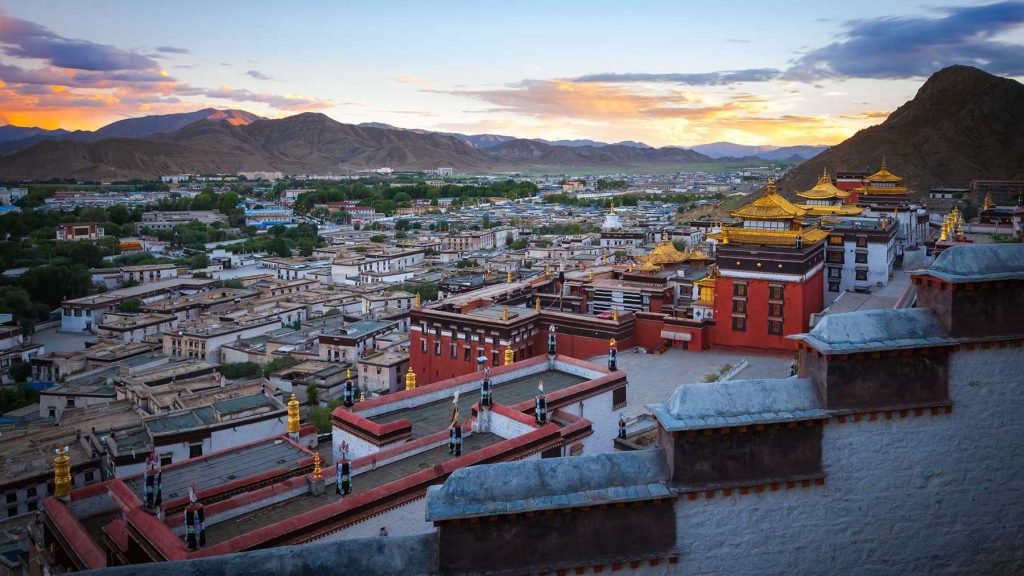
Today we are going to visit the residence of every Penchen Lamas’s monastery and family visit in Shigatse city. Then drive to our next destination. This time we will take road 304. 304 provincial road is a pleasant surprise road conditions, as it is a road where is difficult to find a people along the way because the place belongs for Tibet northern Nomadic area. However, the road conditions in 304 is too good, and there is far fewer cars than in 318. Moreover, the 304 road is too different then the other you been in Tibet, the sky is very clear for thousands of miles up the mountains. Along the way is the nearby snow capped mountains, Chomugangri Snow Mountain, belonging to the Nyenchen Tangla range, with an altitude of 7048 meters above the sea level. Because of there are fewer people and fewer cars, you can stop by the roadside to take various photos. And you can also see the Nyenchen Tanggula range and the scenery along the way is indescribable with nomad life style during the summer season. Dam Shong county will be the place for one night before enter Holy Namtso Lake.
History of Tashilhunpo Gompa
Tashilhunpo Monastery which means "Auspicious monastery which means "Auspicious gathers blessings and wins over all prefectures", is located at the foot of the Niseri Mountain in the south of Shigatse City, Tibet Autonomous Region. It was built in the 12th year of the Ming Dynasty (1447), and has been expanded and repaired since then. The Tashilhunpo Monastery covers an area of 150,000 square meters, with 57 monk houses and a total of 3600 halls and houses. Its architecture integrates traditional Tibetan architectural features and Buddhist characteristics, as well as traditional Tibetan craftsmanship and architectural features, showcasing the Buddhist art of Tibetan Buddhism and the solemn and dignified atmosphere of the Panchen Lama Pagoda. Tashilhunpo Monastery, along with the "three major monasteries" of Gadan Monastery, Sera Monastery, and Drepung Monastery in Lhasa, are collectively known as the "four major monasteries" of the Gelug sect of Tibetan Buddhism. On March 4, 1961, Tashilhunpo Monastery was announced by the State Council as the first batch of national key cultural relics protection units. On August 28, 2017, Tashilhunpo Monastery was approved as a national 5A level tourist attraction.
Overnight at Dam Shong County
Breakfast
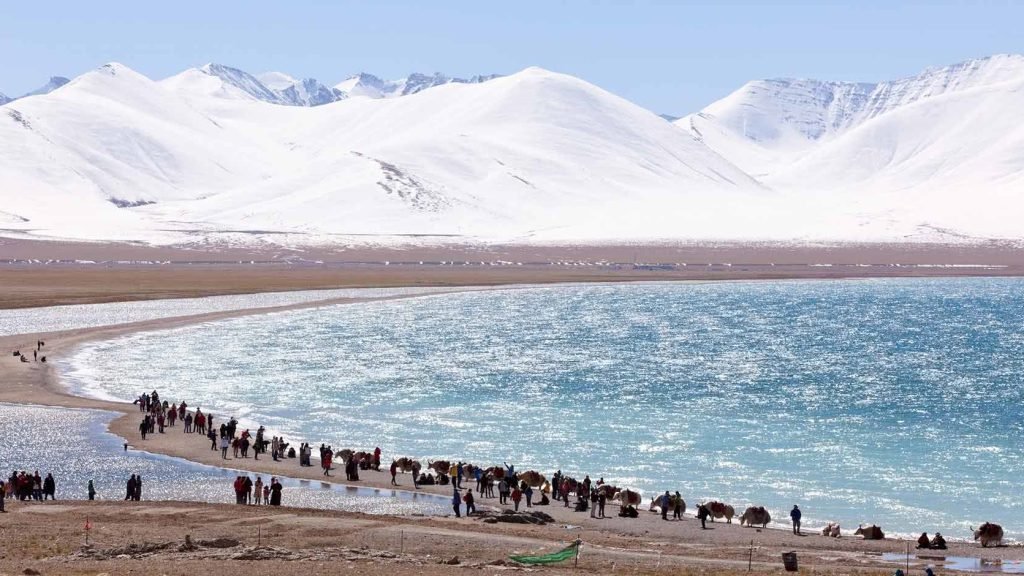
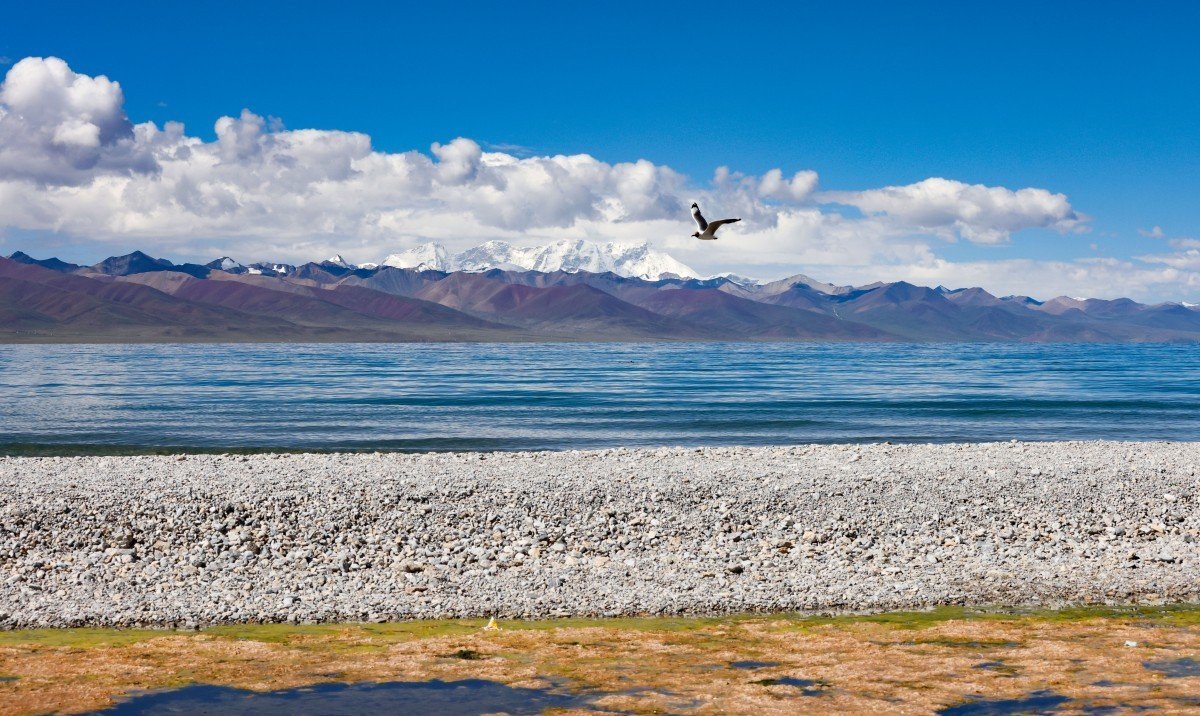
Today morning we will drive about 50Km from the Dam Shong county t to the Tashi Do Peninsular to fully experience Namtso Lake for some hours. Lagen La pass (5190m) is the viewing desk of the Lake. There we will hang Tibetan Buddhist prayer flag with your guide and driver wishing for World peace, good health, happy and prosperity for the future.
The altitude of Namtso is 4718 meters. Namtso, located in the middle of Tibet Autonomous Region, is the second largest lake in Tibet and the third largest salt water lake in China. It is located on the Qinghai Tibet Plateau, with a lake surface that is approximately rectangular in shape. It is over 70 kilometers long from east to west and over 30 kilometers wide from north to south, covering an area of approximately 1920 square kilometers. Namtso Lake is one of the highest large lakes in the world, with clear and transparent water and a sky blue surface. Namtso is not only a representative of natural landscapes, but also has profound cultural significance and is one of the famous Buddhist holy sites. Every year there are Tibetan Buddhist people doing Kora of the Lake by clockwise. The Year of the Sheep is more important to do the Kora for good Karma and good fortune. The place is also the house of Dragon in the past.
After few hours we will dive to Lhasa.
Overnight at Lhasa
Breakfast
Today is the your last day in Tibet and your tour guide and driver will come on your time to send off Lhasa train station or airport. This will end your tour services in Tibet. Thanks for your trust and support to us. Tashi Delek
Breakfast