Overview
Follow us and you don’t need to worry about the transportation from Kathmandu to Gyirong. In Tibet side, you will see many snow covered mountains, the marvelous view of Himalaya Range, such as Mt.Everest, Cho Oyu, and Shishapangma, etc.
Itinerary
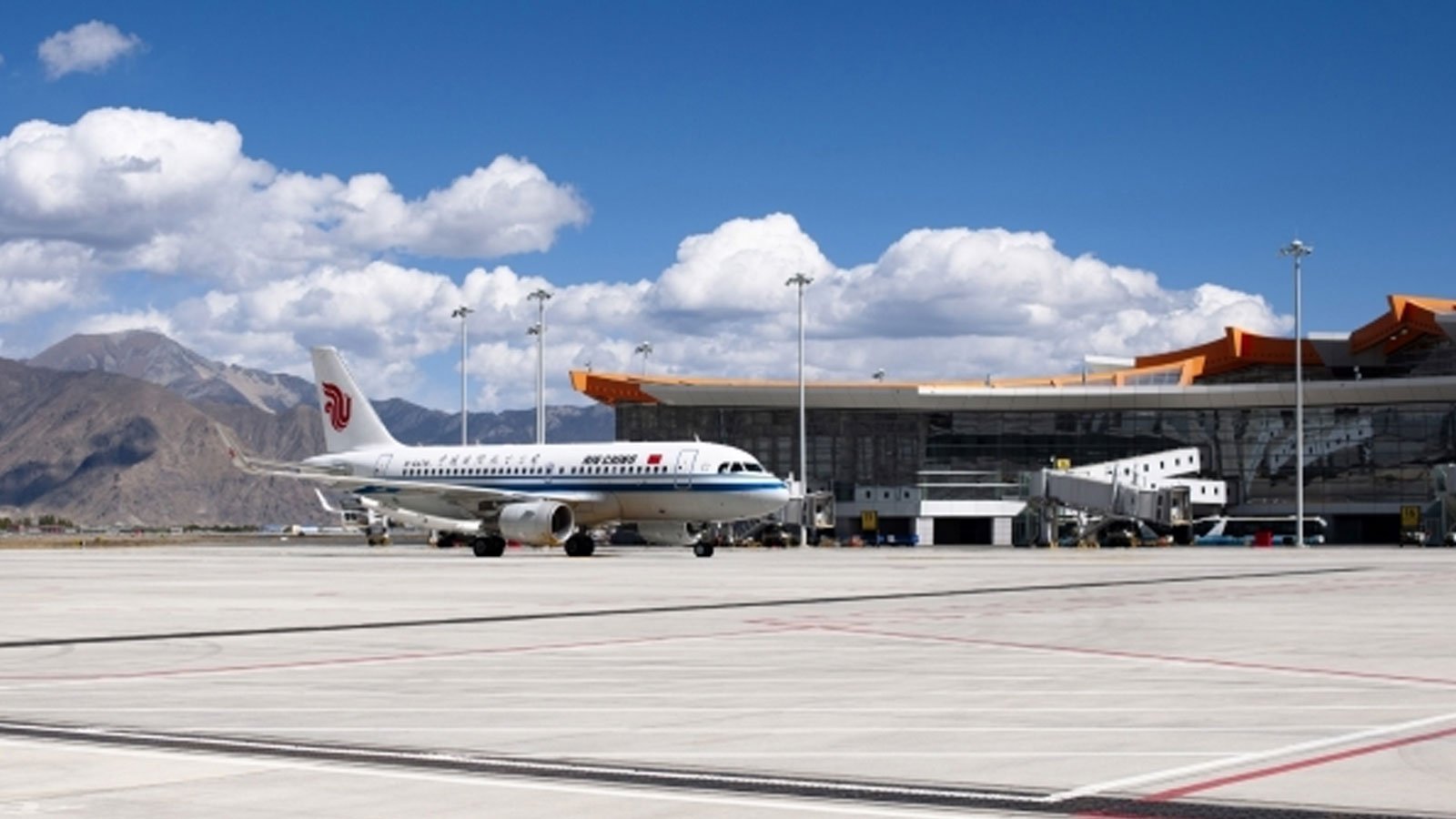 Our staff will greet you at Lhasa Airport/Railway to transfer you to the hotel. From Lhasa Airport to downtown Lhasa, it usually takes about one hour; from Lhasa Railway Station, about 20mins. After transferred to hotel, the rest of the day you will be free to wander around the city on your own but try not to overtax yourself. The first day's well-rest is crucial to acclimatize high altitude. Remember to drink lots of water, eat light, and not to shower if you can help it.
Overnight in Lhasa city

Attraction; Drepung Monastery , Sera Monastery. Guide will arrange your Lunch with local taste in monastery restaurant;
After the breakfast our driver and guide will pick you up from hotel and drive to the monasteries. Today, you will visit Drepung and Sera monastery from morning around 9:00 to 5:00 pm. Both of monasteries offering a unique insight into Tibetan Buddhism. And will also have local food taste from the monastery restaurant
History of Drepung Gompa
Drepung monastery is one of the six major monasteries of Gelukpa order. Drepung, Ganden and Sera Monastery are known as the three major and highest ranking monasteries in Lhasa. It was once one of the world’s largest monastery where in the pass day there were over 10,000 monks who studies as well as lives in there. It was a town itself at time Drepung is Tibetan name which means heap of rice. It is located in a valley on the southern slope of Mount Genpuwuzi, about 8 kilometers to the west of central of Lhasa city. It was founded in 1416 by the Jamgyang Choejee Tashi Paldan the disciple of the founder of the Yellow Sect, Tsongkhapa master. There are countless halls in Drepung monastery with the most famous being the "Jampa Thongdorl" hall in religious terms and the most important being the "Ganden Potang" hall in political terms. The "Jampa
Thongdrol " (Maitreya Sees Liberation) Hall is located on the northwest side of the third floor of the Tsochen Hall. Although it is not large in scale, it is famous for its main statue of Maitreya at the age of eight. A continuous stream of believers came to worship. Inside the hall, there is also the precious treasure of the temple - the white conch was bless by the Budhha Shayakmuni when he was in India . When Tsongkhapa ordered Jamyang Choejee Tashi Paldan to build the Drepung Monastery, he would hand over the white seashells personally excavated by Tsongkhapa before the construction of Ganden Monastery to Tashi Paldan and wish the temple a success. This collection of seashells has always been kept in the Maitreya Hall. There are also six main scripture halls in the temple: 1. Ganden Podang Chapel 2. Tsochen Hall 3. Tantric Monastery 4. Losaling collage 5. Guomang collage 6. Deyang collage.
After around 3 hour’s visiting of the Drepung Gompa will have a 1 hour lunch time for locate taste from the monastery restaurant then drive to next scenic spots. The most interesting thing in the Sera Gompa is Buddhist philosophy debate. The debate venue of Sera Monastery is part of the traditional learning method of the Gelug sect of Tibetan Buddhism, and the debate ceremony starts at 3 pm to 5 pm from Monday to Friday. When debating scriptures, monks usually sit on the ground while another stands across from them, exaggerating their movements to debate the scriptures. This is a discussion of Buddhist knowledge and also a way for lamas to learn. The debate ceremony of Sera Monastery is well-known in Tibetan areas and attracts many tourists to visit. Except for special holidays, the debate venue holds debate activities from Monday to Friday, giving visitors the opportunity to witness this unique form of religious learning firsthand.
History of Sera Gompa
Sera Monastery, also known as Sera Mahayana Monastery, is one of the six main monasteries of the Gelug sect in Tibetan Buddhism. Along with Drepung monastery and Ganden monastery, it is known as one of the three major temples in Lhasa and is the latest one built among them. Sera Monastery is a national key cultural relic protection unit, located at the foot of Sera Uzi Mountain, 3 kilometers north of central part of Lhasa city. It is surrounded by willow forests and has been a place for high monks and living Buddhas to preach since ancient times. There are many small monasteries for monks and nuns surrounding it. In the 17th year of the Yongle reign of the Ming Dynasty (1419), Jamchen Shakya Yeshi, a disciple of Tsongkhapa master, built it, which was completed in the 9th year of the Xuande reign of the Ming Dynasty (1434). Later, Jamchen Shakya Yeshi was summoned to Beijing and granted the title of Great Compassionate Dharma King. After returning to Tibet, the imperial bestowed sutras and statues were preserved in the temple and still exist today. At its peak, there were over 8000 monks in the monastery, slightly smaller in scale than the Drepung Monastery. There are tens of thousands of Vajra statues in the Sera Gompa, most of which are made locally in Tibet. There are also many bronze Buddha statues brought from mainland China or India. The walls of the main hall and various Tazang scripture halls preserve a large number of original colored murals. The most famous statue is the " Protector Hayagriwa " statue in the main hall. The main buildings include Tsochen (Assembly Hall), Jee Tazang, Mai Tazang, Ngapa Tazang, and 32 Kang Tsan villages. The early buildings were centered around Mai Tazang and Ngapa Tazang , and were later expanded and renovated throughout history to have the current scale, so there was no overall plan for the layout. But the architecture of Sera Monastery is dense but not crowded, diverse but not chaotic, tailored to local conditions, with a prominent main body, reflecting the unique style of Gelugpa monasteries, and is entirely a religious city.
Transfer you back to the hotel after the tour.
Breakfast, Lunch
Attractions: Potola Palace, Jokhang Temple, Barkhor Street
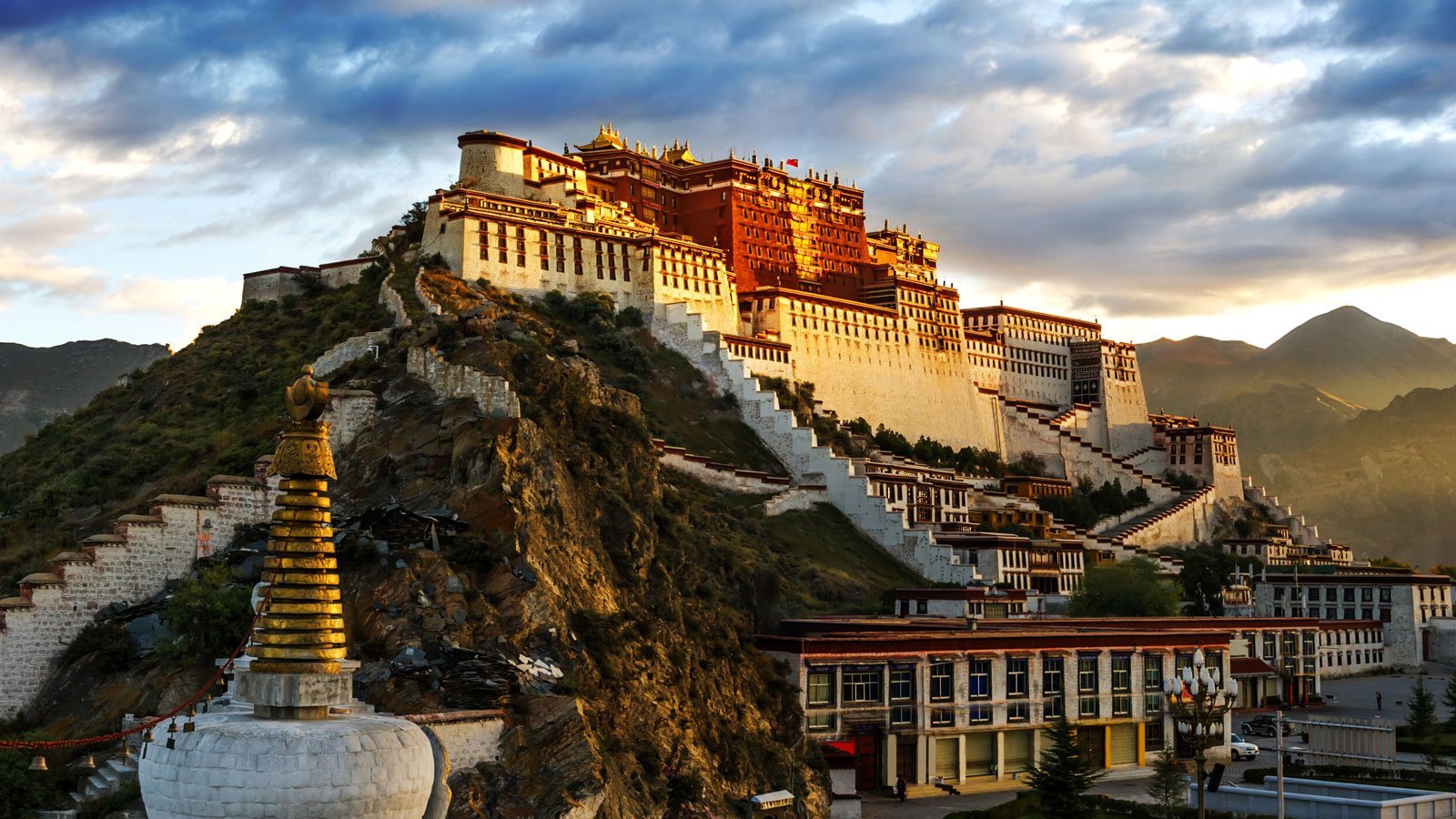
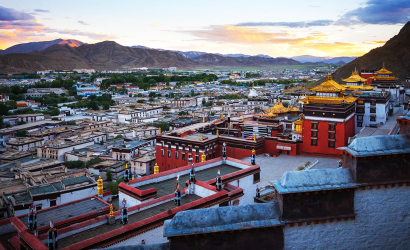
Today, you will visit the most famous Potala Palace, which is the cardinal landmark of Tibet and the masterpiece of Tibetan architecture. Potala Palace was the winter palace of successive Dalai lamas. In possession of rich cultural heritage, Potala Palace is known as the "pearl on the roof of the world."
At the top the palace called golden roofs, you can have a bird-eye view of the whole of Lhasa. In the distance there are undulating mountain ranges, the beautiful Lhasa River, tracts of fields, tree-shaded villages and the glistening Jokhang Temple.
At noon, the tour guide will bring you to a good restaurant to have lunch and have a rest. In the afternoon, we will go to visit Jokhang Temple in the center of the Lhasa old town. Jokhang Temple is the most sacred temple in Tibet and it is always bustling with earnest local pilgrims since the early days. After that, you will take a walk around the Barkhor Street - one of the most devotional circuits as well as a crowded central market of Lhasa. Barkhor Street is a very ancient round street surrounding the Jokhang Temple and the locals are always proud of it. As a symbol of Lhasa, it‘s also a must-see place for visitors.
Stay overnight in Lhasa, 3★/4★
 We will pass by Kampala pass (4794m) on the way from Lhasa to Shigatse and visit Yamdrok Lake, it is one of the three largest sacred lakes in Tibet, and it’s around 70km long. The lake is surrounded by many snow-capped mountains and is fed by numerous small streams.
Later we will pass and enjoy the Karola Glacier on the roadside. It is about 300m from the main highway with easy access on your way to Gyantse.
Then visit Pelkor Chode Monastery is the main monastery in Gyantse. Pelkhor Choede in Gyantse town is located about 230km to the south of Lhasa and 100kmto east of Shigatse. The monastery is a short walk from the heart of the town.
Stay overnight in Shigatse, 3★/4★
Attractions: sunset of Everest Peak, Everest Base Camp
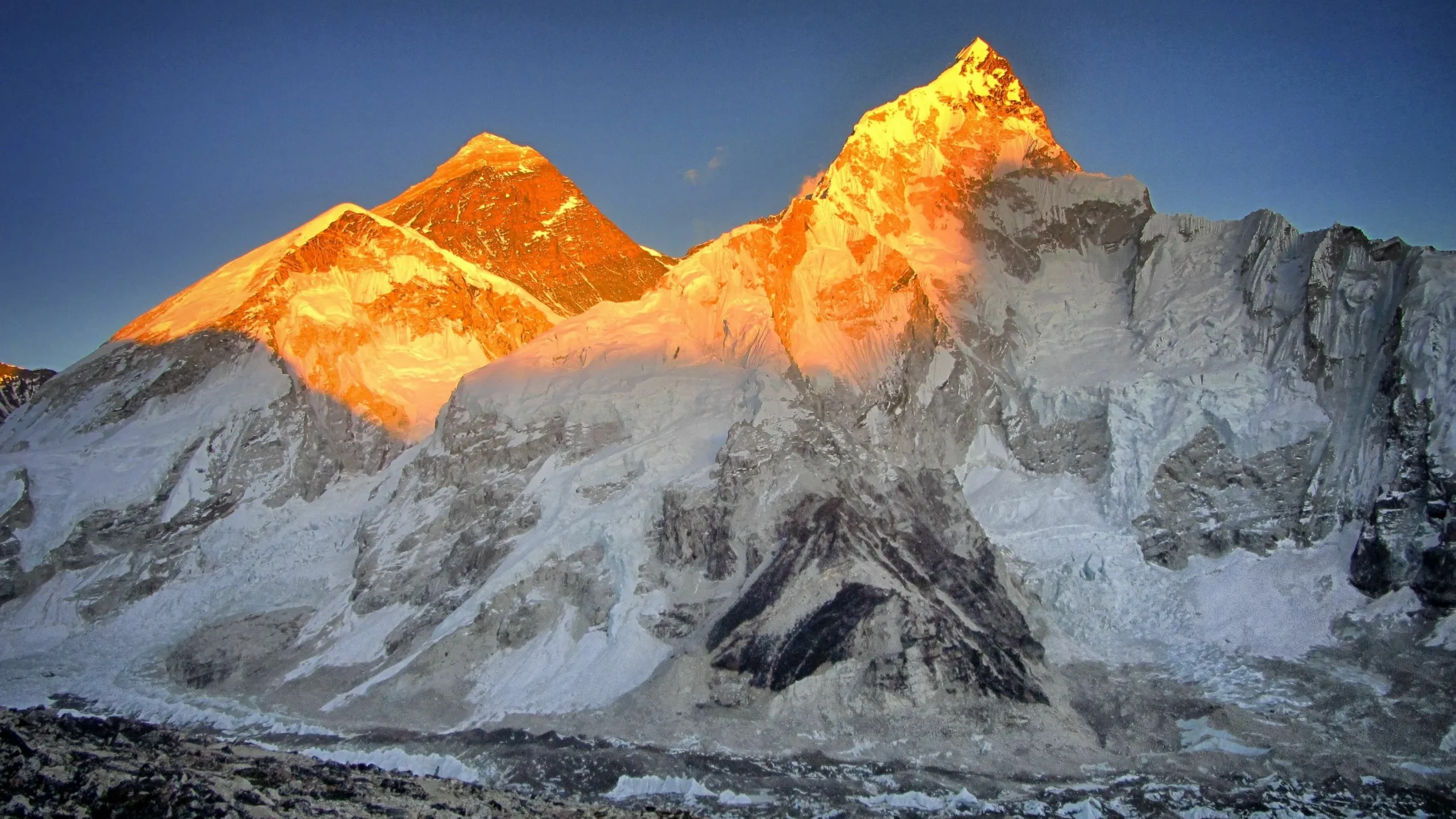
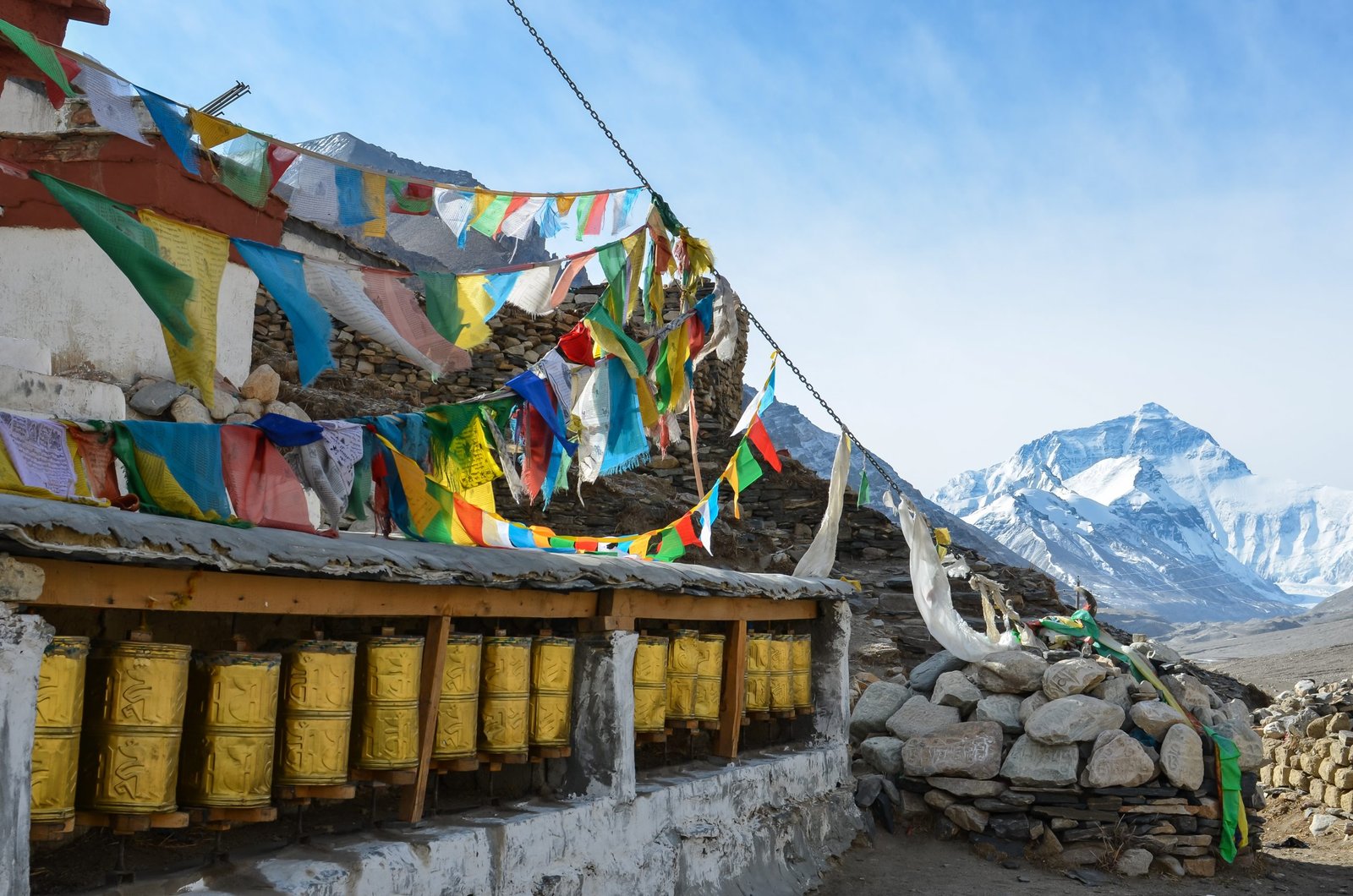
In the morning, you will leave Shigatse to Lhatse, a small town located 150 km from Shigatse, and you may have lunch in the local restaurant. After a short rest, you will go ahead to Tingri. You will pass through the first high mountain pass - Tsola Pass(4,600m), then the second one-Gyatsola Pass(5,248m), the mountain pass of Mt. Everest National Nature Reserve, with countless prayer flags flying in the wind. Afterward, you will keep ascending to Gawula Pass (5,198m), where you can enjoy the panorama of the Himalayas. Then you will drive along the zigzag road to the Everest Base Camp.
Seen from here, Mt. Everest appears like a lofty pyramid surrounded by mountains that touch the sky. On sunny days, a pile of thick clouds, just like a white flag floats lightly above the peak, which is known to be the miracle of 'The Highest Flag Cloud in the World'. Nowadays, with the golden travel boom to Mt. Everest is gradually becoming a highlight for the tourists in its own right.
If it’s summertime (usually May~Oct), you will stay overnight at the nomad tents of the Everest Base Camp; if winter time (usually Nov~Apr), you will stay at Rongbuk Monastery’s guesthouse. Both places have but only dorm bed lodging available.
Both places you can see the glorious Everest sunset if the weather is good.
Stay overnight in Rongbuk guesthouse or Nomad Tent, (Dorm Bed)
 We didn’t include breakfast this morning. You will understand why when you’re at the spot. Tibetan breakfast, such as noodle, zanba, etc. abt CNY 30 is available here. You are highly suggested to bring along some cookies, instant coffee. etc. of your own. You can get up early and enjoy the sunrise of Everest Peak at lodging area if the weather is good.
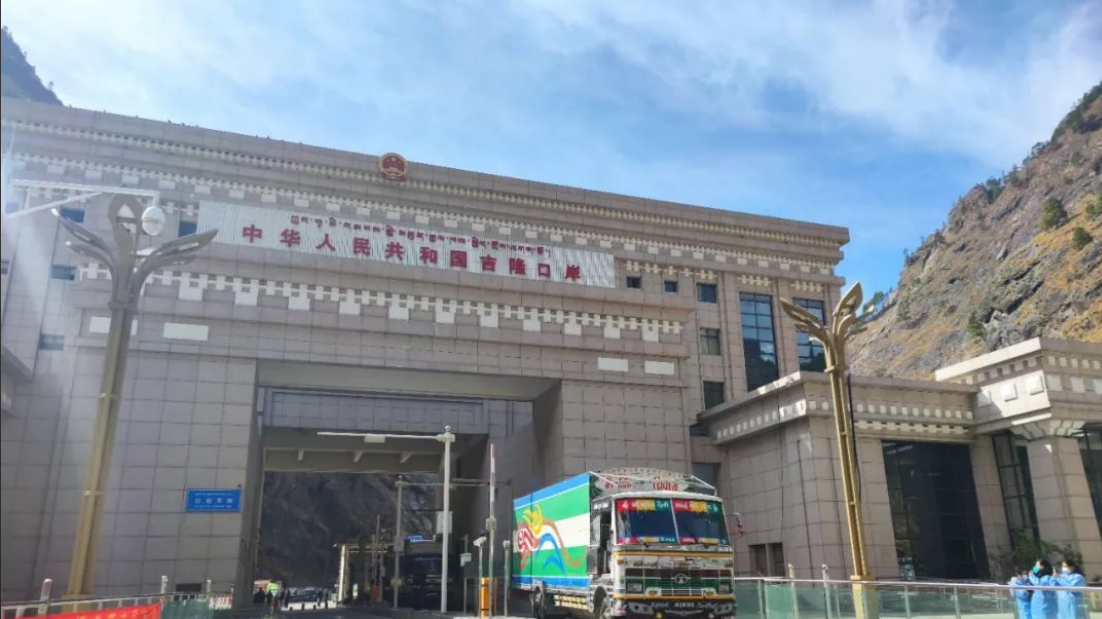
After sightseeing, we will drive to Gyirong, the border which connects Tibet & Nepal. On the way, tourists can enjoy breathtaking vista of Mt. Shishapangma and the Pekutso Lake. After passing the Ghungtang Lhamo(5236M), we will arrive in Gyirong in late afternoon.
Stay overnight in guesthouse.
Tour guide will assist clients to exit China. And see clients off at Gyirong border. Transfer from Gyirong to Kathmandu, it’s 250 US$ per car, does not included in Package, need pay extra if clients request. Or you can take a bus to Kathmandu, about 40 US$ depending on your negotiation with the driver.
End of tour!
| Class/Price for P.P | 2025.11.01~2025.03.31 | 2025.04.01~2025.06.31 2025.10.08~2025.10.31 | 2025.07.01~2025.10.07 |
| Economic Class (3-Star Hotels) | USD930 | USD1026 | USD1121 |
| Comfortable Class(4-Star Hotels) | USD987 | USD1105 | USD1221 |
Cost
- Lodgings 4 Nights, twin room en suite in 3★/4★;
- 2 Night in GUESTHOUSE;
- Meal 4 Breakfasts & 1 Welcome Dinner
- Transport *Licensed vehicle according to group size & season as itinerary
- needed;
- *Gas and parking fee for the vehicle;
- *Lhasa Railway Station:
- 1-time free pick-up at any time on Day 01;
- *Lhasa Airport:
- 1-time free pick-up at 9:30am、13:00pm、16:00pm from Lhasa Airport on Day 01;
- Guide Experienced local English-speaking tour guide
- Admissions All entrance fee mentioned in itinerary
- Permit Tibet Tourism Bureau Permit (TTB);
- Others Travel Agency Liability insurance;
- Government Tax;
- Express delivery fee of Permit (eg. SF. Express)
- Oxygen tank for emergency use;
- Two bottles of mineral water per person per day;
- *Private Lhasa Airport transfer if your flight isn’t within our free service time.
- Nov-Jun: USD 50/vehicle/time
- Jul- Oct: USD 65/vehicle/time
- *Private Lhasa train station transfers if your train isn’t our group date. USD30 per transfer.
- *Air or Train to/from Tibet
- *China Visa
- *Breakfast, Lunch, Dinner
- *Super-fast express delivery of Tibet Entry Permit (eg. China Air Express)
- *Additional days caused by unexpected nature disasters. eg.Land Slide, Avalanche, etc.
- *Gratuities for guide & driver, abt CNY 50/day for both of them together
- *Personal expenses
- *Personal travel insurance
- *Anything not listed in INCLUSIONS