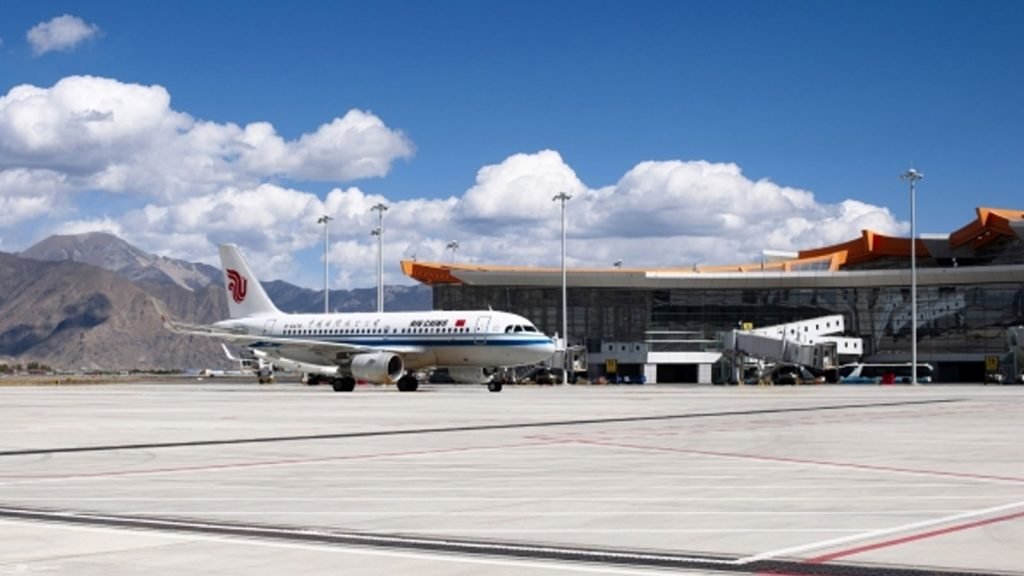
Tibetan tour guide and driver will greet you at the airport and present you with a Kada (the traditional Tibetan ceremonial white scarf) to Welcome you to Tibet :) Then will be drive around 50 minutes to Lhasa city and transferred to your hotel. Along the way, you can enjoy the spectacular scenery of Yarlung Tsangpo River, Lhasa River, and the typical Tibetan villages and highland barley seeds farms.
Later your guide will discuss about tour then will show you some of local, Chinese and continental dish restaurants for the dinner. On your arrival of the first day must be take an easy, relax and keep hydrated by drinking warm water or home temperature water. Will be very helpful to acclimatize to the high altitude.
Attractions; Potala Palace and Jokhang Temple, Bakhor Street;
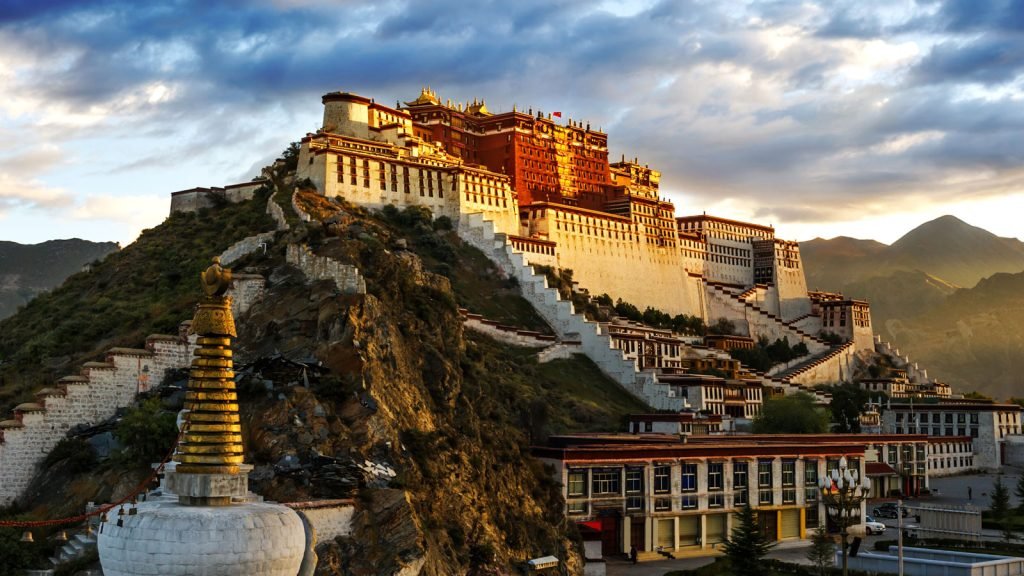
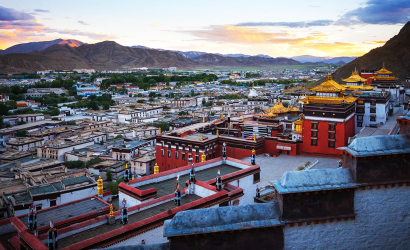
Your guide will meet you morning at 9:00 am at hotel lobby and start from downtown Lhasa and first visit the Potala Palace, which is not only the political, religious and cultural center of Tibet but also the holy land of Tibetan Buddhism.
History of Potala Palace or ancient castle
The Potala Palace is located on the Maburi Mountain (Red Mountain) in the northwest of Lhasa, the capital of the Tibet Autonomous Region of the People's Republic of China. The Potala Palace was built under the leadership of Songtsen Gampo, the 33rd Tibetan king of Tubo, in 631 AD. However, with the disintegration of the Tubo Kingdom, it suffered severe damage due to natural and man-made disasters. In 1645, the Fifth Dalai Lama rebuilt the Potala Palace to consolidate the political and religious unity of the Ganden Pohang region, and continued to expand it until it reached its current size. The Potala Palace was designed and built according to the layout of Buddhist mandalas, covering a total area of over 360000 square meters and a total construction area of over 130000 square meters. The main building is 117 meters high and has 13 floors. It is a large palace style architectural complex with 1267 rooms, including palaces, stupas, Buddhist halls, administrative offices, monk schools, and monk houses. The main works of the building have two systems: the White House and the Red Palace. The White House is the place where the Dalai Lamas of past dynasties govern and live. The Red Palace is the place for religious activities and the place where the Dalai Lamas of past dynasties worship their stupas. The building form of the White House around the Red Palace reflects the social system of the integration of politics and religion in old Tibet. After 1959, the Central Committee of the Communist Party of China and the State Council attached great importance to the maintenance and protection of the Potala Palace, and allocated maintenance funds throughout the year. Two phases of maintenance were carried out in 1988 and 2001. On March 4, 1961, the Potala Palace was announced by the State Council of the People's Republic of China as the first batch of national key cultural relics protection units. In 1994, the Potala Palace was listed as a World Cultural Heritage site by UNESCO. Potala Palace is the winter palace of all previous Dalai Lamas, and also the ruling center of the integration of politics and religion of Tibet’s local rulers in the past. Since the fifth Dalai Lama, major religious and political ceremonies have been held here. At the same time, it is a place to worship the spiritual tower of all previous Dalai Lamas.
Afternoon we will go to Jokhang Temple to experience the strong religious atmosphere. Then we will stroll along Barkhor Street, taste authentic Tibetan cuisine, and purchase handicrafts. In the evening, you can go to see the night view of the majestic Potala Palace to enjoy the beautiful night view.
History of Jokhang temple
Jokhang Temple, located in Lhasa, Tibet Autonomous Region, is a central Tibetan Buddhist temple and also a central of the universe too. It was founded in 647 A.D. by the Tibetan King Songtsen Gampo to unified snowland commemorate 5 Princess to entry into Tibet. Jokhang Temple has a long history of more than 1371 years. It is one of the most splendid existing buildings in Tibet during the Tibetan period and the earliest civil structure building in Tibet. The temple was originally called "Rasa", later evolved into "Lhasa", and eventually became the name of the city. Jokhang Temple is not only a Buddhist temple, but also a three-dimensional representation of the ideal model of the universe in Buddhism - the mandala. The architectural style of Jokhang Temple combines the characteristics of Tibetan, Tang, Nepalese, and Indian architecture, and is a model of Tibetan religious architecture. There are statues of Shakyamuni and other figures enshrined in the temple, as well as statues of King Songtsen Gampo, Queen Mongsatri Cham, Princess Chizun, and Princess Wencheng. The temple has undergone multiple expansions and modifications, especially during the Yuan, Ming, and Qing dynasties, forming its current scale. Jokhang Temple is not only a pilgrimage site for Tibetan Buddhists, but also a sacred temple revered by various sects. The "Golden Urn Lottery" ceremony for the reincarnation of Gelug Living Buddhas has always been held here.
Breakfast
Overnight at Lhasa
Attractions; Culture, customes and magnificent landscape of East part of Tibet, Namjakbava Peak, ocean of the forest and clouds;
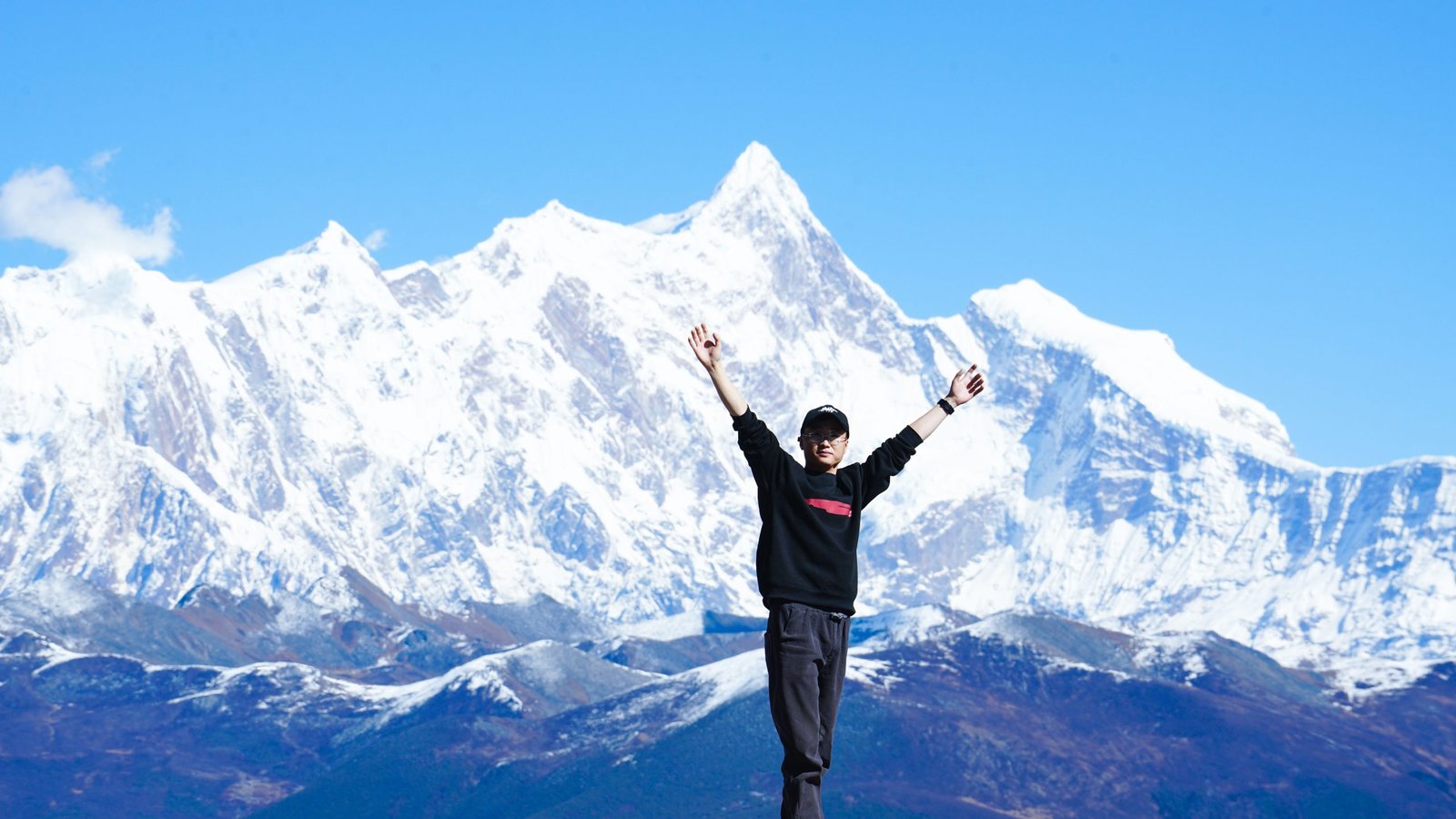
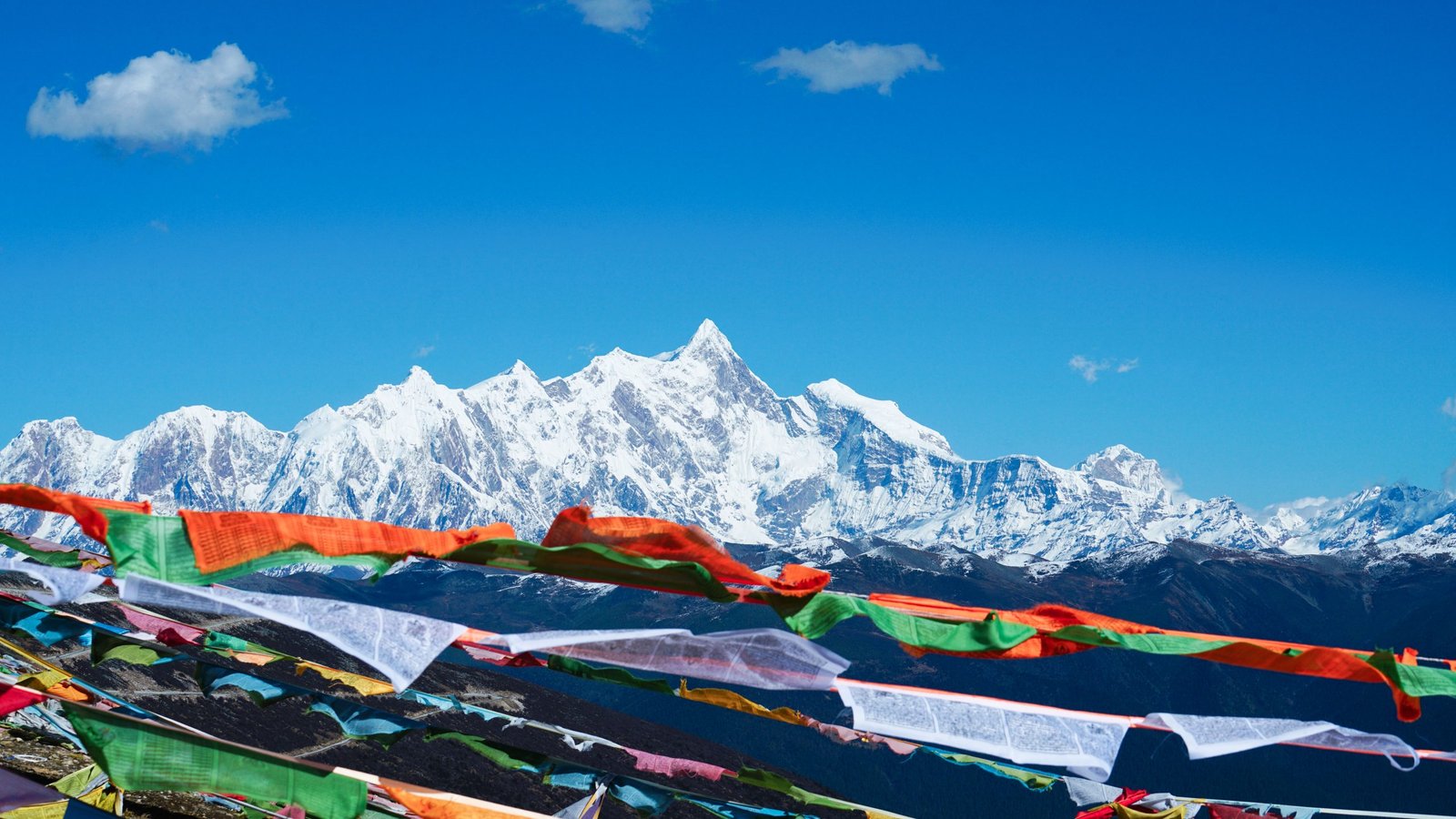
Today we depart from the holy land of Lhasa and headed to the first stop of our glacier journey, the Sejila Pass, at an altitude of 4728 meters. Crossing the villages and watching the sea of clouds, the endless forest, and the majestic beauty of Mount Namjakbava peak from afar, covered in white snow in winter. Looks like dressed in plain clothes, like a fairyland, making a wish to the sacred mountain and tying a prayer flag, this is the beginning of the journey to east of Tibet. The golden mountain of Najakbava, which nine out of ten people never meet, shines straight into the sky, dazzling and leaving people stunned. This is a lucky starting point, and in the end. Move into Lulang Town. Lulang in winter, with snow capped mountains, forests, grasslands, wooden houses, cattle and sheep, vast pastoral landscapes. It feels like entering a fairy tale world, with the fragrance of soil, grass, and trees wafting into the air -if you happen to encounter it at this moment. After the snow, Lulang could instantly understand that the title of "Little Switzerland in Tibet" was not just a superficial name. With just a snap, it would be the beautiful scenery is like a wallpaper on a mobile phone, and the snow scenery here can satisfy all your imagination of the winter atmosphere. The famous local food of the Lulang county is local stone hot pot chicken, it can make you feel the warmth of winter. Order a stone pot chicken in Lulang Town and wait for it. In the middle, you can gradually relax your body and mind, and wait for the warm and nourishing stone hot pot chicken to be served. No matter how far the journey is, you will find comfort at this moment. Eating the meat and driking the soup will bring you lots of relax and warm. This is the first gift of the Nyingchi brought to you.
Breakfast
Overnight at Lulang county
Attractions: Tongmai Bridge, scenery along the way
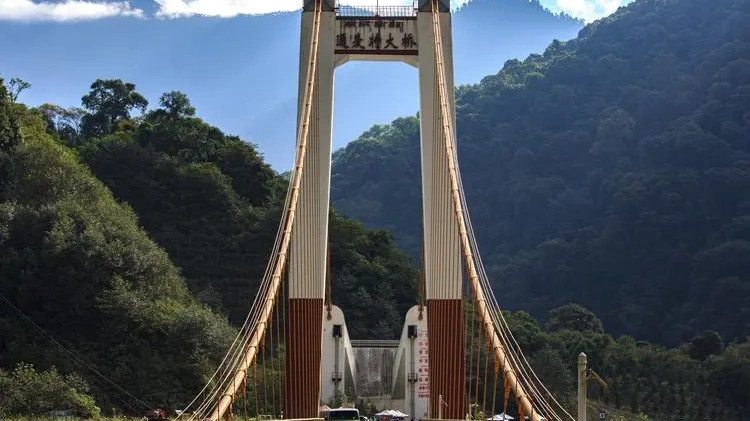
The distance from Lulang to Ranwu Lake is about 310 kilometers, the actual distance may depending on specific road conditions and driving routes. The scenery of this journey is beautiful, and it is one of the routes often chosen by domestic tourist self driving or cycling enthusiasts. During the driving process, you can enjoy the natural scenery along the way and feel the unique charm of the plateau. It should be noted that the climate in high-altitude areas is variable and the road conditions may be complex.
Although now connected by bridges and tunnels, it is still an important landmark on the 318 National Highway, where one can experience both the hardships of the past and the convenience of the present. Along the way, you can also enjoy natural scenery such as towering snow capped mountains, emerald green rivers, and dense forests.
Breakfast
Overnight at Ranwu County
Attractions: West Coast Glacier (light hike) or Blue Ice Lake, approximately 5-6 kilometers away.
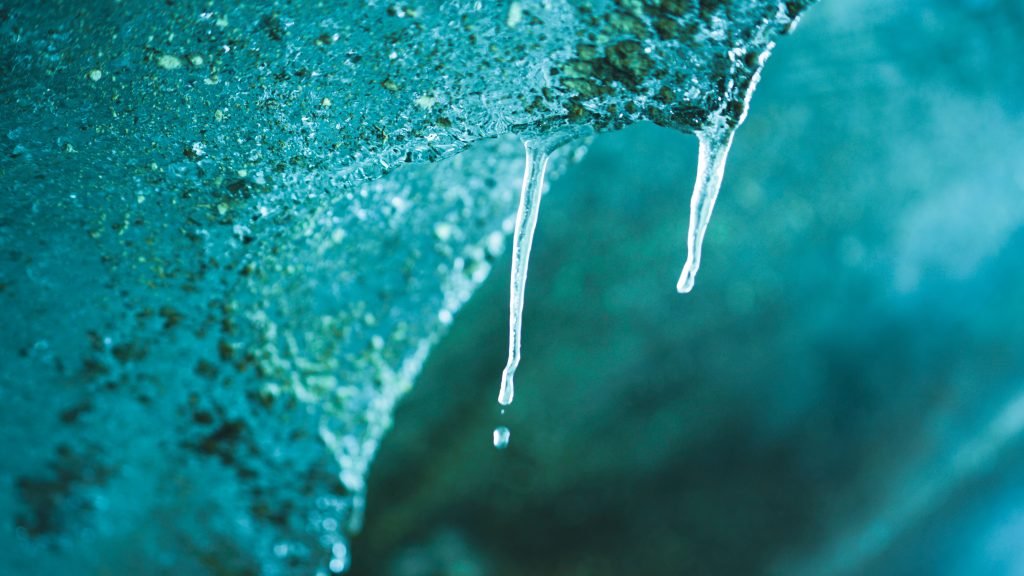
Waking up in the morning, finishing breakfast, dressing up neatly, and taking everyone to the blue ice cave of the glacier. West Coast Glacier (easy hike) about 5-6 kilometers, Yalong Glacier Blue Ice Cave (medium hike) about 5-6 kilometers, if heavy snow or uncontrollable factors prevent Yalong and West Coast from being reached in winter, it will be changed to Laigu Glacier Blue Ice Lake; The most highlight part of our tour are these glaciers, so we need to get ready around 8:00 am to the Meixi glacier. Please note that there is no internet and phone signal once we en-route to the glacies and start hikking over there so should need go with guide because there is some ice cave where there is enter but not exit. The snow capped mountains and blue ice caves bring a different feeling and experience to everyone. Yalong glacier a mysterious "different world" hidden in Xizang. Forever Blue Ice Cave is breathtakingly beautiful, indescribable, only you can feel it when you are there. To the divine craftsmanship of nature, when you enter it, it feels like entering a dream filled with blue light, refracted by sunlight. The ice layer emits a charming blues, as if in a world of communication. The ice body is crystal clear, pure and flawless, except for blue. There are no other colors, so it presents a dreamy blue that allows our busy green minds to calm and relax.
Breakfast
Overnight at Ranwu Town
Attractions: Ranwu Lake, scenery along the way;
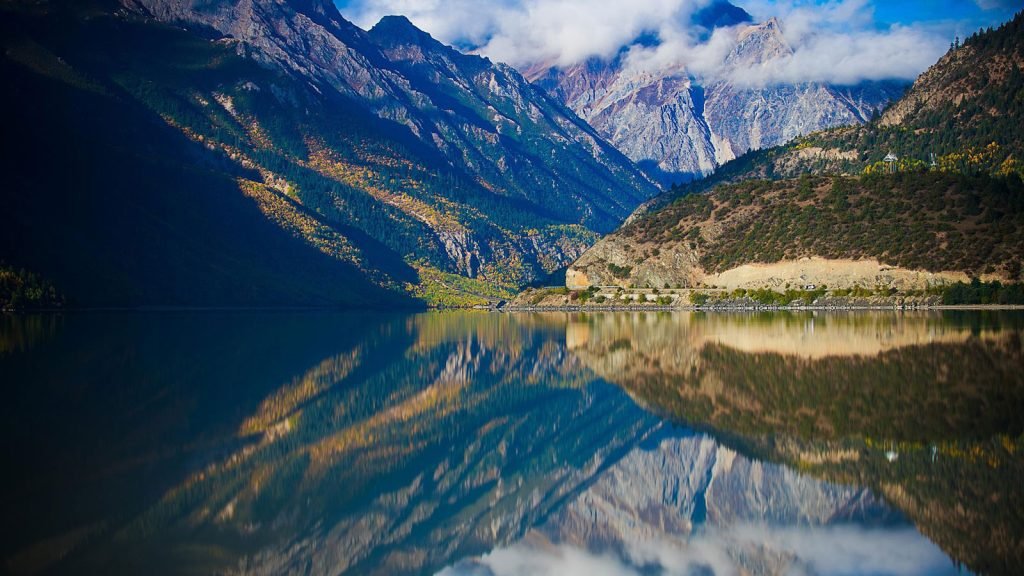
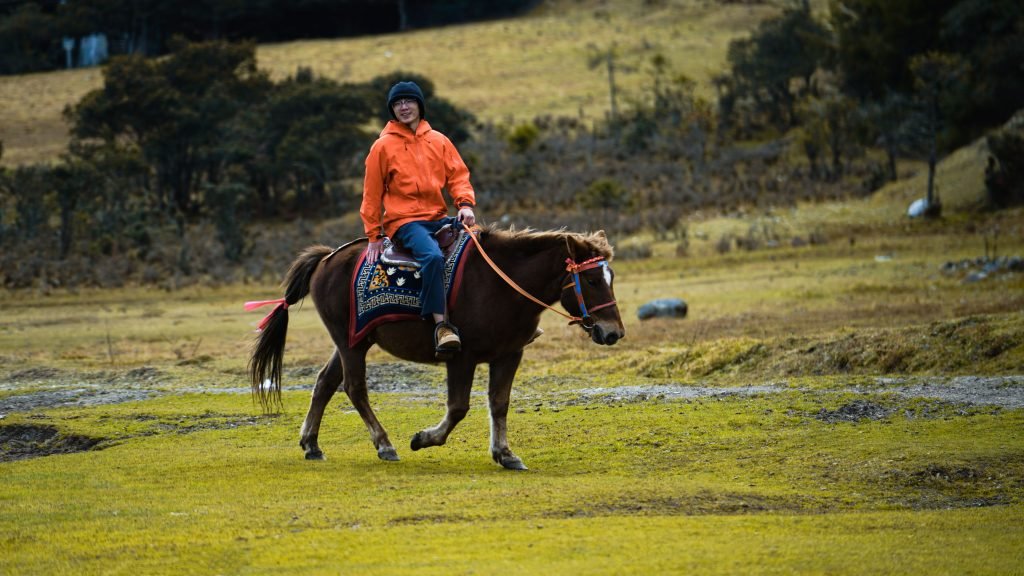
Our destination today is Linzhi City. Waking up in the morning to wash away all the fatigue, we drive to Linzhi City. We will go through Ranwu Lake and stay at a hotel in downtown in Linti in the evening. Will depart at 9:00 am, the first stop at the Ranwu lake for photo. This is a barrier lake formed by landslides or mudslides blocking the river channel. The lake surface reaches an altitude of 3807 meters and is one of the largest lakes in eastern Tibet. The lake water is clear, and the surrounding snow capped mountains reflect in it, creating a beautiful scenery. Lunch at Lulang county and will spend around 2 hours to ride horse in the villages. Then drive to the Lingti city.
Beakfast
Overnight at Linti City
Attractions: scenery along the way, Basumtso, and central island of the lake
Linzhi Basongcuo Lhasa
-1024x575.png)
Waking up in the morning, packing up, today's itinerary goes to Basumtso for sightseeing, and finally to Lhasa for check-in. Basumtso is like a gem that has fallen into the mortal world, making people reluctant to touch it. The blue lake water seems to be able to wash away everything in the world. Some dust brings peace to one's mind, the tranquil lake surface is clear and transparent, like a mirror of the soul, reflecting one's inner self. The reflection of joy, anger, sorrow, and happiness makes people feel endless peace and beauty. There is a Nyingmapa temple in the center of the iceland is also very holy for the Tibetan Buddhism believer and interesting for the tourist. On this day, the distance travel is 480 kilometers, the driving time is 7.5 hours, and the altitude is 3658 meters.
Breakfast
Overnight at Lhasa
Today is the your last day in Tibet, there are no other activities scheduled for this day, so you can choose a suitable time according to your own situation for the flight or trains ticket to continue to start a new journey. Your driver will come on time to send off Lhasa Gongkar airport. Due to one way Lhasa airport takes 50 minutes we need to depart 2 hours before your flight departure time. This will be end your tour services in Tibet. Thanks for your trust and support to us.
Breakfast