Introduction
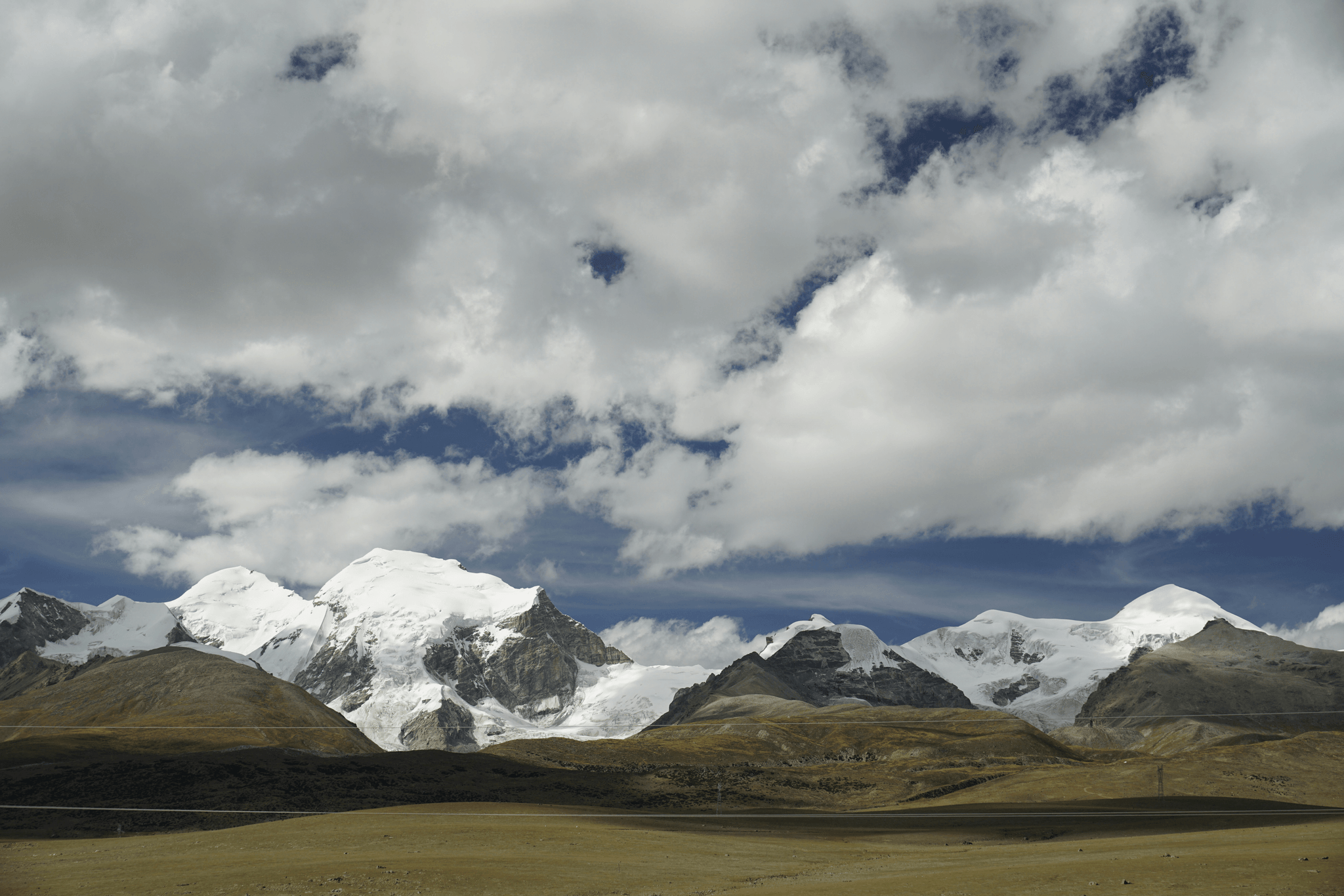
Welcome to the mystical Tibetan Plateau, a region as unique as it is enchanting. This high-altitude expanse, often referred to as the Roof of the World, boasts a rich tapestry of culture and tradition that is unlike anywhere else on earth. Whether you’re drawn to its breathtaking landscapes or intrigued by its ancient history, Tibet holds an allure that is truly captivating.
Exploring the Mystical Tibetan Plateau
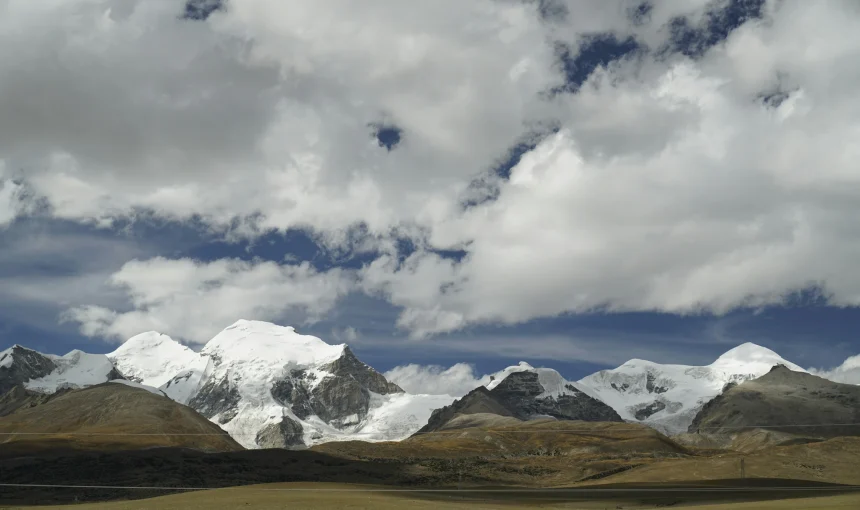
The Tibet Plateau, also known as the Qinghai-Tibet Plateau, is a vast elevated landform in China that stretches over 2.5 million square kilometers. It is renowned for its towering peaks, including Mount Everest, and its unique climate and biodiversity.
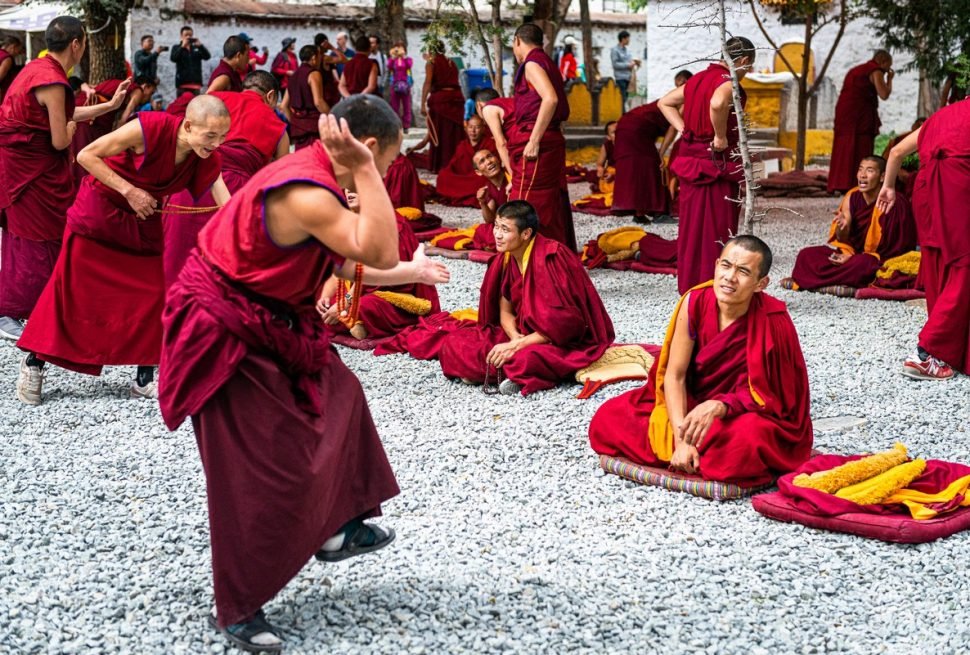
The Tibetan Plateau is also home to a rich and vibrant culture, with a history dating back thousands of years. The region is known for its unique traditions, including the practice of Tibetan Buddhism, which has had a profound influence on the art, architecture, and way of life in Tibet. Visitors to the plateau can explore ancient monasteries, participate in traditional festivals, and learn about the customs and beliefs that have shaped Tibetan society.
Unique Culture and Tradition of Tibet
Tibet’s cultural heritage is steeped in centuries-old traditions and customs that have been passed down through generations. From its vibrant festivals to its deeply spiritual way of life, the people of Tibet have created a culture that is both fascinating and deeply rooted in their beliefs.
Tibet’s cultural heritage is not only evident in its festivals and spiritual practices, but also in its unique art forms. From intricate thangka paintings to colorful tapestries and sculptures, Tibetan art is a reflection of the people’s deep connection to their beliefs and traditions. These art forms often depict religious figures, historical events, and mythological stories, serving as a visual representation of Tibet’s rich cultural tapestry.
GuideTibet: Your Key to an Authentic Tibetan Experience
GuideTibet offers a range of tailored experiences, from cultural immersions in traditional Tibetan villages to breathtaking treks through the majestic Himalayas. Their carefully curated itineraries ensure that you not only see the iconic sights but also have the chance to interact with local communities and gain a deeper understanding of their way of life. This personalized approach sets GuideTibet apart, allowing you to create lasting memories and forge genuine connections during your time in Tibet.
Understanding the Geography of the Tibet Plateau
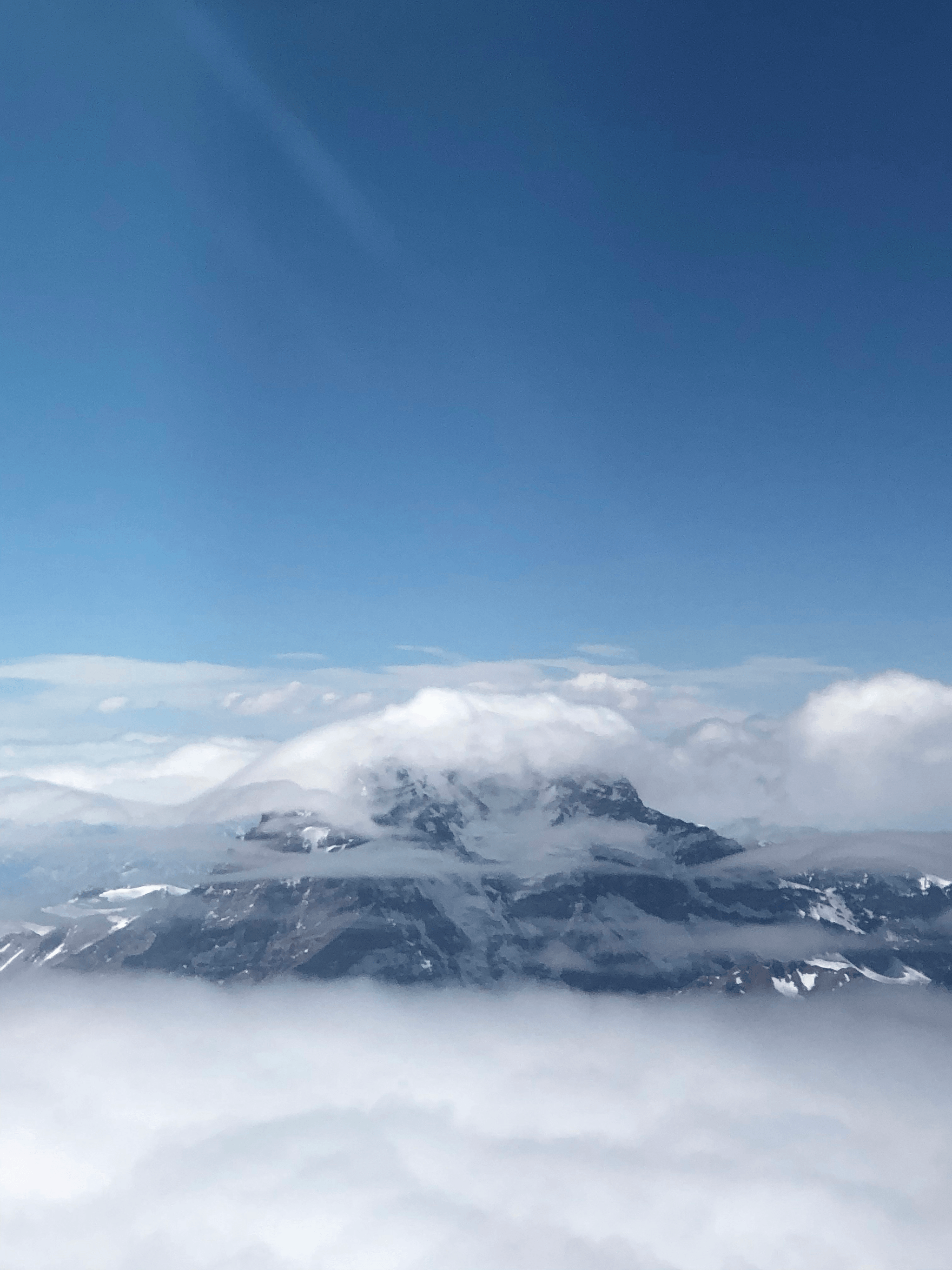
The Tibet Plateau, also known as the Qinghai-Tibet Plateau, is a vast elevated region in Central Asia, covering an area of over 2.5 million square kilometers. Its unique location in southwestern China makes it special, as it is often referred to as the Roof of the World due to its high altitude and breathtaking landscape.
The Geographic Location of the Tibetan Plateau
The Tibetan Plateau is located in the People’s Republic of China and spans across several provinces, including Tibet, Qinghai, Sichuan, and Yunnan. Its strategic position between the Himalayas and other mountain ranges has contributed to its distinctive geography and climate.
The strategic position of the Tibetan Plateau between the Himalayas and other mountain ranges has not only shaped its distinctive geography and climate but also made it a crucial water source for several major rivers in Asia. The plateau is often referred to as the “Water Tower of Asia” due to its role in regulating the flow of rivers such as the Indus, Ganges, Brahmaputra, Mekong, Yangtze, and Yellow River. This makes it an area of significant ecological importance and a vital resource for millions of people living downstream.
The Unique Climate and Landscape of the Qinghai-Tibet Plateau
The plateau boasts a diverse climate with extreme temperature variations throughout the year. From freezing winters to cool summers, its landscape is characterized by vast grasslands, snow-capped mountains, deep valleys, and pristine lakes that add to its allure.
Biodiversity and Wildlife of the Roof of the World
Home to a wide range of flora and fauna, including rare species such as snow leopards, Tibetan antelopes, and black-necked cranes, the Tibetan Plateau is truly a biodiversity hotspot. Its unique ecosystem has been shaped by its high altitude and geographical isolation.
The Tibetan Plateau’s diverse range of wildlife and plant species has long been a draw for scientists and nature enthusiasts alike. With over 5,000 species of vascular plants and an estimated 282 species of mammals, the region offers a treasure trove of biodiversity waiting to be explored. From the elusive snow leopard to the majestic Tibetan antelope, the plateau’s inhabitants are as unique as they are awe-inspiring.
Rich Culture and Traditions of Tibet
Tibetan Buddhism and Its Influence
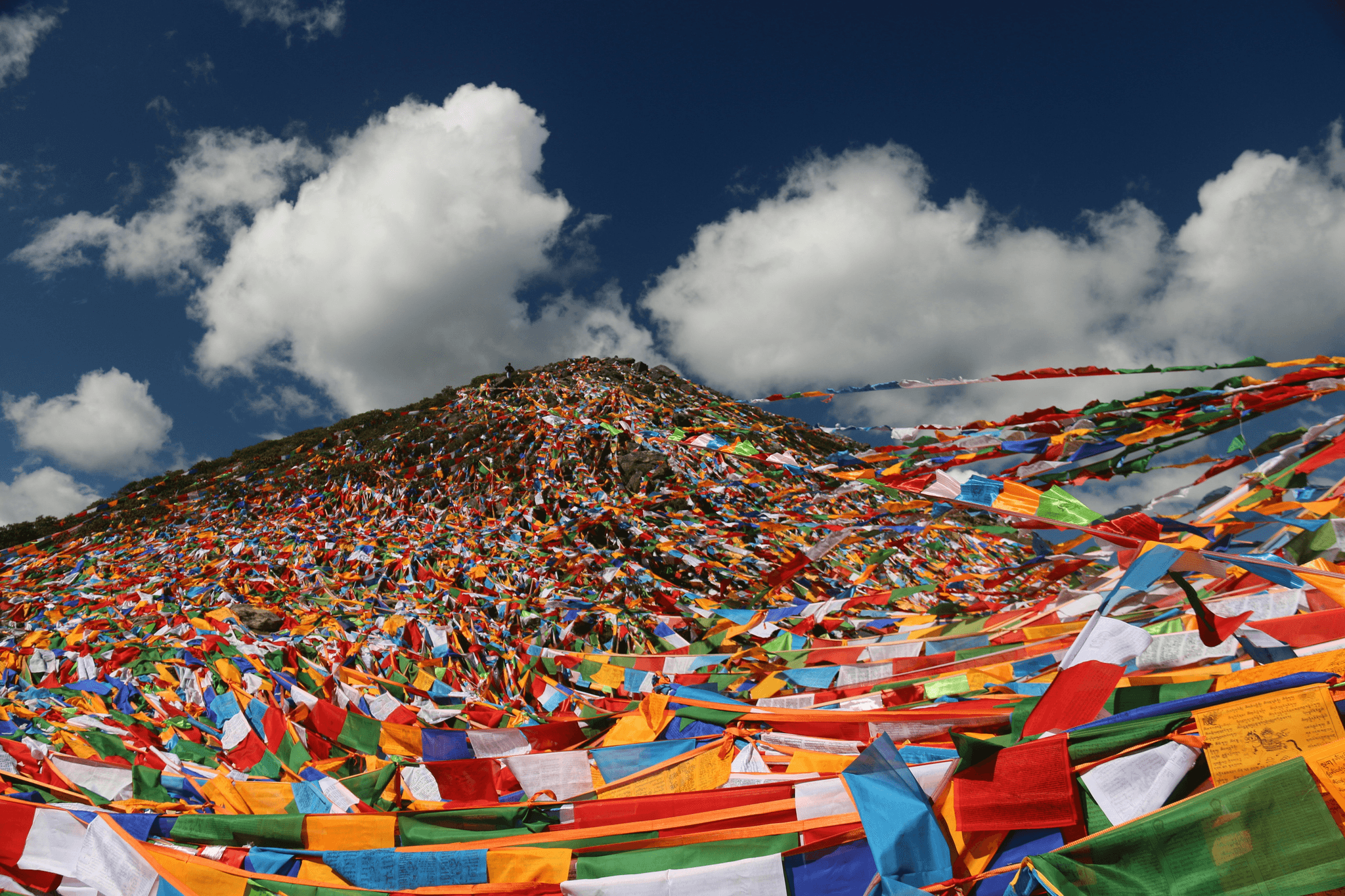
The Tibetan Plateau, also known as the Roof of the World, is home to a rich Buddhist heritage that has deeply influenced the culture and traditions of the region. From ancient monasteries perched on mountain cliffs to intricate mandala art, Tibetan Buddhism is an integral part of daily life on the plateau.
The influence of Tibetan Buddhism on the plateau can be seen in the vibrant festivals and celebrations that take place throughout the year. From the colorful and lively Losar festival, which marks the Tibetan New Year, to the solemn and meditative Saga Dawa festival, honoring the birth, enlightenment, and death of Buddha, these events are deeply rooted in Buddhist traditions. The festivals bring communities together to participate in religious rituals, traditional dances, and feasting, showcasing the integral role that Tibetan Buddhism plays in shaping social interactions and cultural expressions on the plateau.
Festivals and Celebrations on the Plateau
One of the special things about Tibet Plateau is its vibrant festivals and celebrations that showcase the unique culture of this region. From the colorful Losar (Tibetan New Year) to the mesmerizing Cham dance during religious ceremonies, these events offer a glimpse into the spiritual and joyful nature of Tibetan society.
Additionally, the traditional Tibetan opera and horse racing festivals are not to be missed. The opera showcases traditional storytelling and music, while the horse racing festival is a thrilling display of skill and competition. These events bring together communities from all over the plateau, fostering a sense of unity and pride in their shared heritage.
Traditional Medicine and Healing Practices
Tibetan traditional medicine has been practiced for centuries, using natural herbs, minerals, and ancient healing techniques passed down through generations. The plateau’s high altitude has also influenced these practices, leading to unique remedies for altitude sickness and other ailments.
Ancient History and Art of Tibet

The ancient mineral paintings and rock art found in the caves and cliffs of the Tibet Plateau are a testament to the rich history and artistic heritage of the region. These intricate artworks depict scenes of daily life, religious rituals, and majestic landscapes, offering a glimpse into the ancient culture of Tibet. Visitors can marvel at these remarkable creations that have withstood the test of time, providing a window into the past of this unique plateau.
Ancient Mineral Paintings and Rock Art
The Tibetan Plateau is home to an extensive collection of ancient mineral paintings and rock art, showcasing the creativity and skill of its early inhabitants. These captivating artworks, dating back thousands of years, are scattered across the rugged terrain, waiting to be discovered by intrepid travelers seeking a deeper understanding of Tibet’s cultural legacy. From vibrant murals depicting deities to intricate petroglyphs etched into stone surfaces, these ancient treasures offer invaluable insights into the artistic traditions of Tibet.
Historical Sites and Ancient Ruins on the Plateau
The plateau is dotted with historical sites and ancient ruins that bear witness to Tibet’s illustrious past. From majestic monasteries perched on mountain slopes to enigmatic fortress ruins nestled amidst breathtaking landscapes, these remnants serve as tangible reminders of the region’s rich history. Exploring these sites allows visitors to immerse themselves in tales of conquests, spiritual enlightenment, and architectural marvels that have shaped Tibet’s cultural identity over centuries.
Influence of Tibetan Art on Modern Crafts
The influence of Tibetan art extends beyond ancient artifacts and historical sites, permeating modern crafts and artistic expressions throughout the region. Traditional techniques such as thangka painting, intricate woodcarving, and delicate metalwork continue to inspire contemporary artisans who infuse their work with elements drawn from centuries-old traditions. Visitors can witness this seamless blend of old and new at local workshops where skilled craftsmen breathe new life into age-old practices while preserving the essence of Tibetan artistry.
Experiencing the Tibetan Plateau

Authentic Homestays and Local Experiences
One of the most special things about Tibet Plateau, China, is the opportunity to stay in authentic homestays and immerse yourself in local experiences. Whether it’s learning traditional Tibetan cooking from a local family or participating in a traditional dance workshop, these experiences offer a unique insight into the rich culture and traditions of the region.
Another exciting aspect of staying in authentic homestays on the Tibet Plateau is the opportunity to engage in adventure and outdoor activities. From trekking through the breathtaking landscapes to horseback riding across the vast plains, there are countless opportunities to explore the natural beauty of the region. Whether you’re an avid hiker or simply enjoy being surrounded by nature, the Plateau offers a wide range of outdoor experiences for all levels of adventurers.
Adventure and Outdoor Activities on the Plateau
The Tibetan Plateau is a haven for adventure enthusiasts, offering a wide range of outdoor activities such as trekking, mountain biking, and river rafting. The stunning landscape of the Qinghai-Tibet Plateau provides the perfect backdrop for these activities, allowing visitors to explore its unique terrain while enjoying thrilling adventures.
The Tibetan Plateau is also a paradise for wildlife enthusiasts, offering the chance to spot rare and unique species such as the Tibetan antelope, wild yak, and snow leopard. As visitors explore the rugged terrain on their outdoor adventures, they may have the opportunity to witness these magnificent creatures in their natural habitat. This adds an extra layer of excitement and wonder to the already thrilling experience of exploring the plateau.
Unique Cuisine and Dining Experience
When visiting Tibet Plateau, China, one cannot miss out on its unique cuisine and dining experience. From hearty yak meat dishes to butter tea and momos (Tibetan dumplings), the region’s cuisine is as diverse as its landscape. Visitors can also enjoy dining in traditional Tibetan homes or trying out local street food for an authentic taste of the plateau.
After enjoying a delicious meal, visitors can explore the unique dining experiences that Tibet has to offer. One popular option is to participate in a traditional Tibetan butter tea ceremony, where guests can learn about the cultural significance of this beverage while savoring its rich and creamy taste. Additionally, many restaurants in the region offer live performances of traditional Tibetan music and dance, providing diners with an immersive cultural experience while they enjoy their meal.
Conclusion
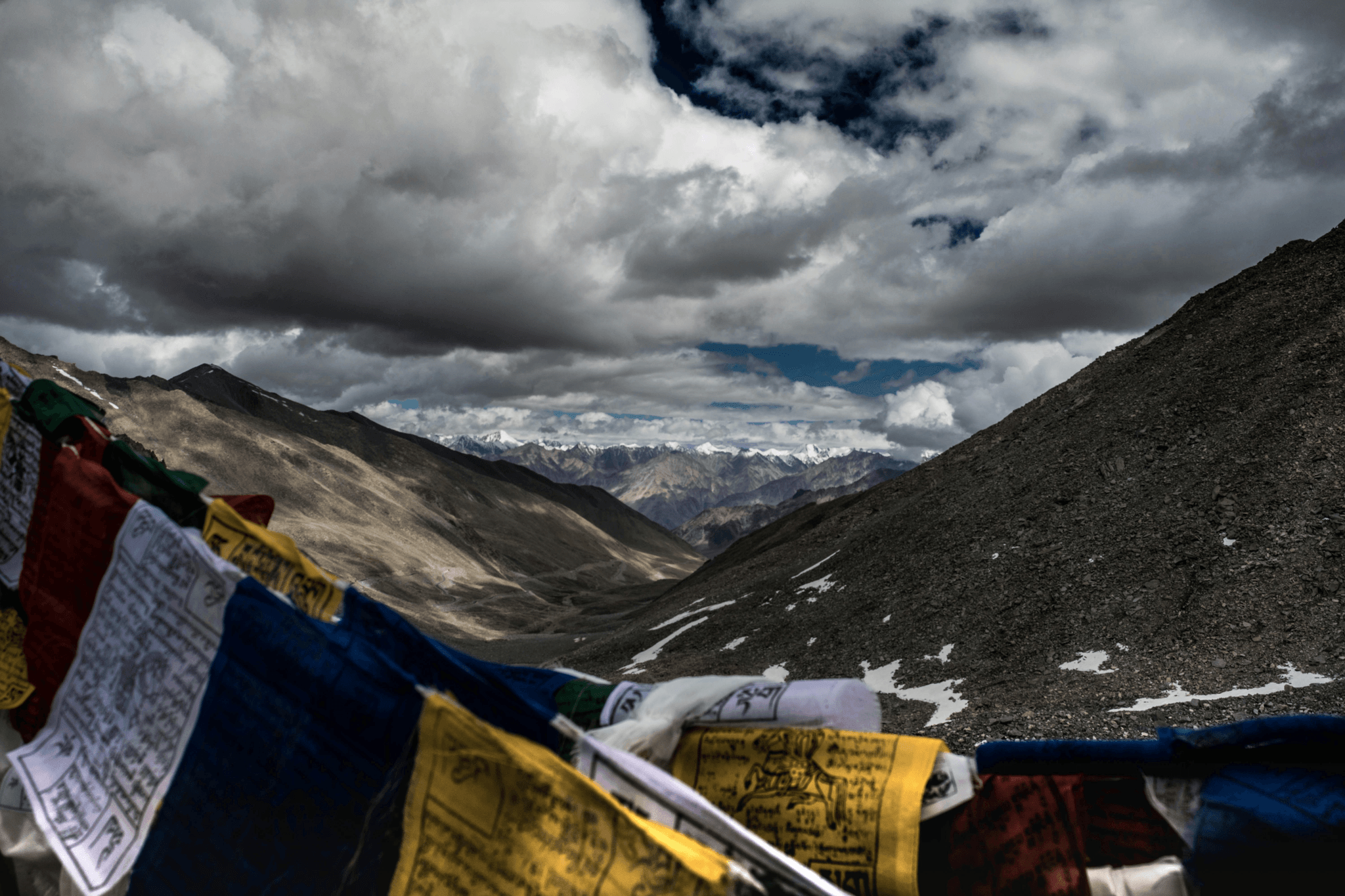
The Tibetan Plateau, also known as the Qinghai-Tibet Plateau, is a truly special place. It is the highest and largest plateau in the world, with an average elevation of over 4,500 meters. This unique geography has had a significant impact on ancient China, influencing everything from climate to culture.
GuideTibet: Your Gateway to an Unforgettable Tibet Tour
When planning your trip to the Tibetan Plateau, it’s essential to have a reliable guide like GuideTibet. They specialize in providing authentic Tibetan experiences, ensuring that you get the most out of your visit. Whether it’s arranging homestays or organizing outdoor activities, they are your key to unlocking the true essence of Tibet.
Embracing the Spirit of the Tibetan Plateau
What sets Tibet apart is not just its breathtaking landscape but also its rich cultural heritage and traditions. From vibrant festivals to ancient healing practices, embracing the spirit of the Tibetan Plateau means immersing yourself in a way of life that has remained unchanged for centuries.
The Ultimate Guide to Experiencing the Majesty of Tibet
Visiting Tibet is not just about ticking off tourist spots; it’s about experiencing a majestic land that has captured hearts for generations. With its towering mountains and serene lakes, there’s no denying that Tibet holds a special place in every traveler’s heart. Click to view more Tibet travel guides.