Introduction
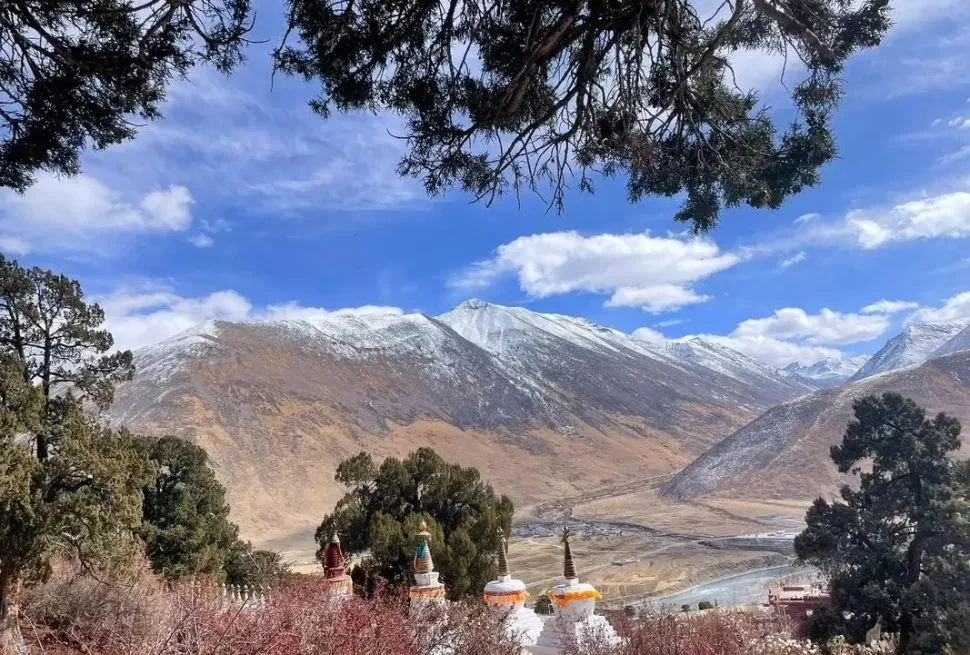
Tibetan Buddhism is a rich and intricate spiritual tradition that has captivated the interest of people around the world. Its roots run deep in the highlands of Tibet, where it has flourished for centuries, shaping the culture and beliefs of the Tibetan people. Understanding Tibetan Buddhist beliefs and exploring the essence of Tibetan religion provides a fascinating window into this ancient and profound faith.
The origins of Tibetan Buddhism can be traced back to the 7th century when it was introduced to Tibet from India. Over time, it merged with indigenous Bon practices, creating a unique blend of spiritual traditions that define Tibetan Buddhism today. The influence of great masters such as Padmasambhava and Atisha further shaped its development.
Understanding Tibetan Buddhist Beliefs
At the heart of Tibetan Buddhism are profound teachings on compassion, wisdom, and enlightenment. The belief in reincarnation and karma is central to its worldview, guiding practitioners on their path towards liberation from suffering. The intricate rituals and ceremonies reflect a deep reverence for spiritual practice in everyday life.
The Essence of Tibetan Religion
Tibetan culture is deeply intertwined with its religious beliefs, permeating every aspect of daily life from art to medicine to social customs. The resilience and devotion of the Tibetan people have kept their religion alive despite political challenges over the centuries.
By understanding these fundamental aspects, we can begin to appreciate the profound wisdom and beauty inherent in Tibetan Buddhism. As we delve deeper into its history, core beliefs, cultural practices, and symbolic art forms, we gain insight into a tradition that continues to inspire seekers around the world. GuideTibet offers a unique opportunity to experience firsthand this ancient heritage through personalized tours led by local experts who are passionate about sharing their rich cultural legacy with visitors from all walks of life.
The History of Tibetan Buddhism
Origins of Tibetan Buddhism
Tibetan Buddhism, also known as Vajrayana, has its origins in the teachings of Siddhartha Gautama, the historical Buddha. It was brought to Tibet in the 7th century by the Tibetan king Songtsen Gampo, who married Chinese and Nepalese princesses, both of whom were Buddhists and influenced him to embrace Buddhism. This marriage alliance not only strengthened political ties but also facilitated the exchange of religious and cultural ideas between Tibet and its neighboring regions. As a result, Tibetan Buddhism developed a unique blend of Indian Buddhist traditions with local Tibetan beliefs and practices, giving rise to a distinct form of Buddhism that continues to thrive in the region today.
Spread and Influence of Tibetan Buddhism
Tibetan Buddhism spread rapidly across Tibet due to the efforts of great masters such as Padmasambhava and Atisha. Over time, it became deeply intertwined with Tibetan culture and evolved into a unique form that incorporated elements of Bon, the indigenous religion of Tibet.
Tibetan Buddhism’s integration with Bon led to the development of unique rituals and practices, such as the incorporation of shamanic elements and nature worship. This blending of traditions allowed Tibetan Buddhism to resonate deeply with the people of Tibet, making it an integral part of their daily lives. As a result, Tibetan Buddhism not only spread rapidly but also became deeply rooted in the cultural fabric of Tibet.
Key Figures in Tibetan Buddhist History
Key figures in the history of Tibetan Buddhism include Padmasambhava, also known as Guru Rinpoche, who is credited with establishing the first Buddhist monastery in Tibet. Another influential figure is Atisha, an Indian Buddhist master who played a pivotal role in reviving and reforming Tibetan Buddhism in the 11th century.
Key figures in the history of Tibetan Buddhism also include Tsongkhapa, a renowned Tibetan Buddhist master who founded the Gelug school of Tibetan Buddhism. His teachings emphasized the importance of ethical conduct and the cultivation of wisdom through study and meditation. Tsongkhapa’s influence on Tibetan Buddhism continues to be felt to this day, with his emphasis on scholarly learning and spiritual practice shaping the traditions of many monasteries and practitioners.
Core Religious Beliefs in Tibetan Buddhism
Tibetan Buddhism is deeply rooted in the core beliefs that form the foundation of this ancient religion. The Four Noble Truths, considered the essence of Buddha’s teachings, are central to Tibetan Buddhist beliefs. These truths focus on the nature of suffering, its causes, and how to overcome it through enlightenment and the cessation of desire.
The Four Noble Truths
The Four Noble Truths are a fundamental aspect of Tibetan Buddhism beliefs. They emphasize the reality of suffering as an inherent part of human existence, caused by attachment and desire. The second truth delves into understanding the origins of suffering, shedding light on how desires lead to dissatisfaction and pain. The third truth offers hope by revealing that suffering can be overcome through enlightenment and detachment from desires. Finally, the fourth truth outlines the Eightfold Path as a way to achieve liberation from suffering.
The Eightfold Path
The Eightfold Path is a crucial component of Tibetan Buddhist beliefs, serving as a guide for leading a moral and mindful life. This path encompasses eight interconnected elements, including right understanding, intention, speech, action, livelihood, effort, mindfulness, and concentration. By following this path diligently, individuals aim to attain wisdom and ultimately reach nirvana.
Reincarnation and Karma in Tibetan Buddhism
Reincarnation and karma are integral concepts in Tibetan Buddhism beliefs. Followers believe in the cycle of birth and rebirth based on one’s actions in previous lives. This cycle is influenced by karma – the law of cause and effect – where positive actions lead to favorable outcomes in future lives while negative actions result in suffering or setbacks.
Tibetan Culture and Religious Practices
Influence of Tibetan Culture on Buddhism
Tibetan culture has deeply influenced the development of Tibetan Buddhism, shaping its unique rituals, art, and religious practices. The rich tapestry of Tibetan traditions, including music, dance, and art, has been interwoven with Buddhist beliefs to create a distinct form of spirituality that is deeply rooted in the local way of life.
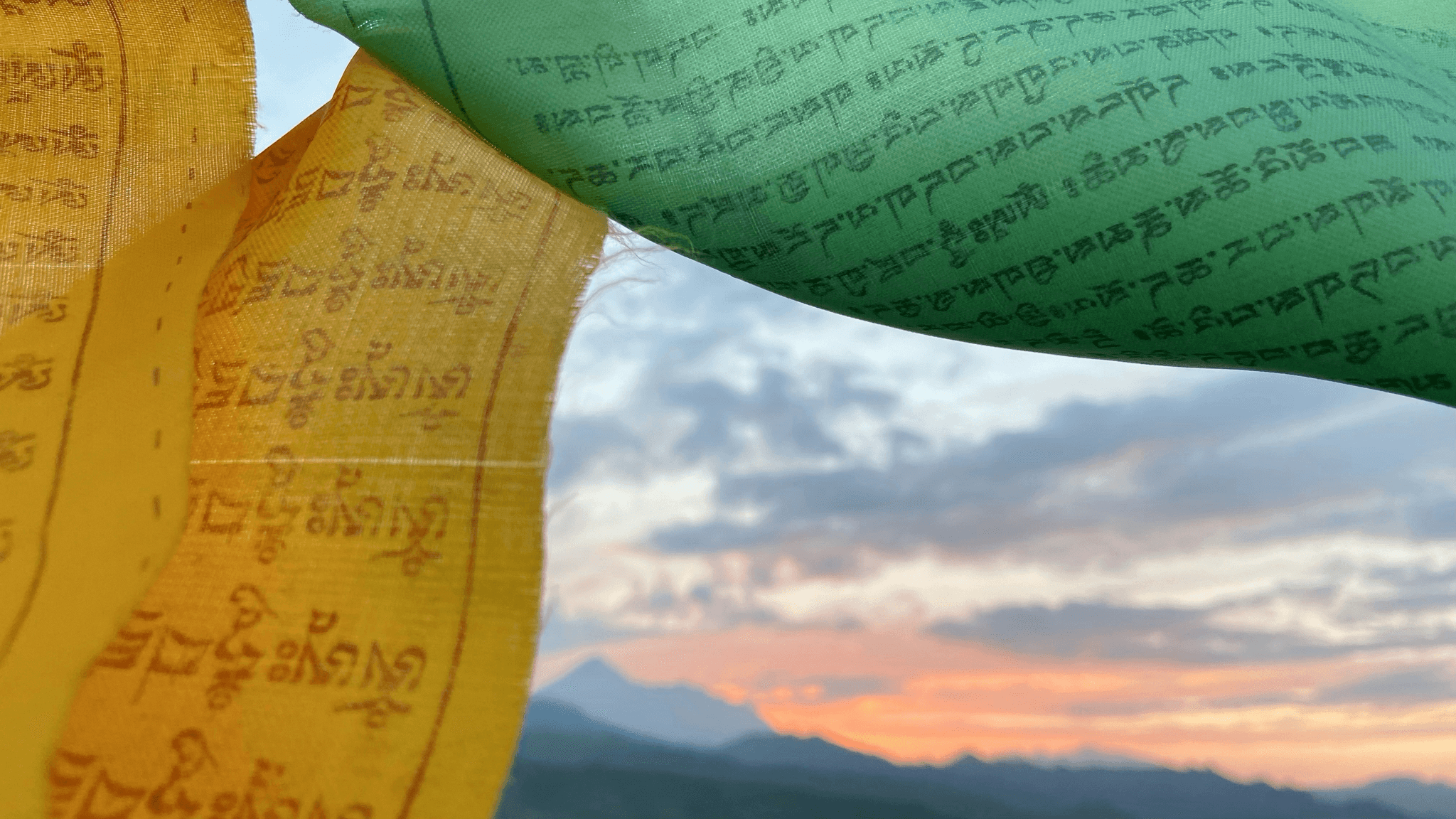
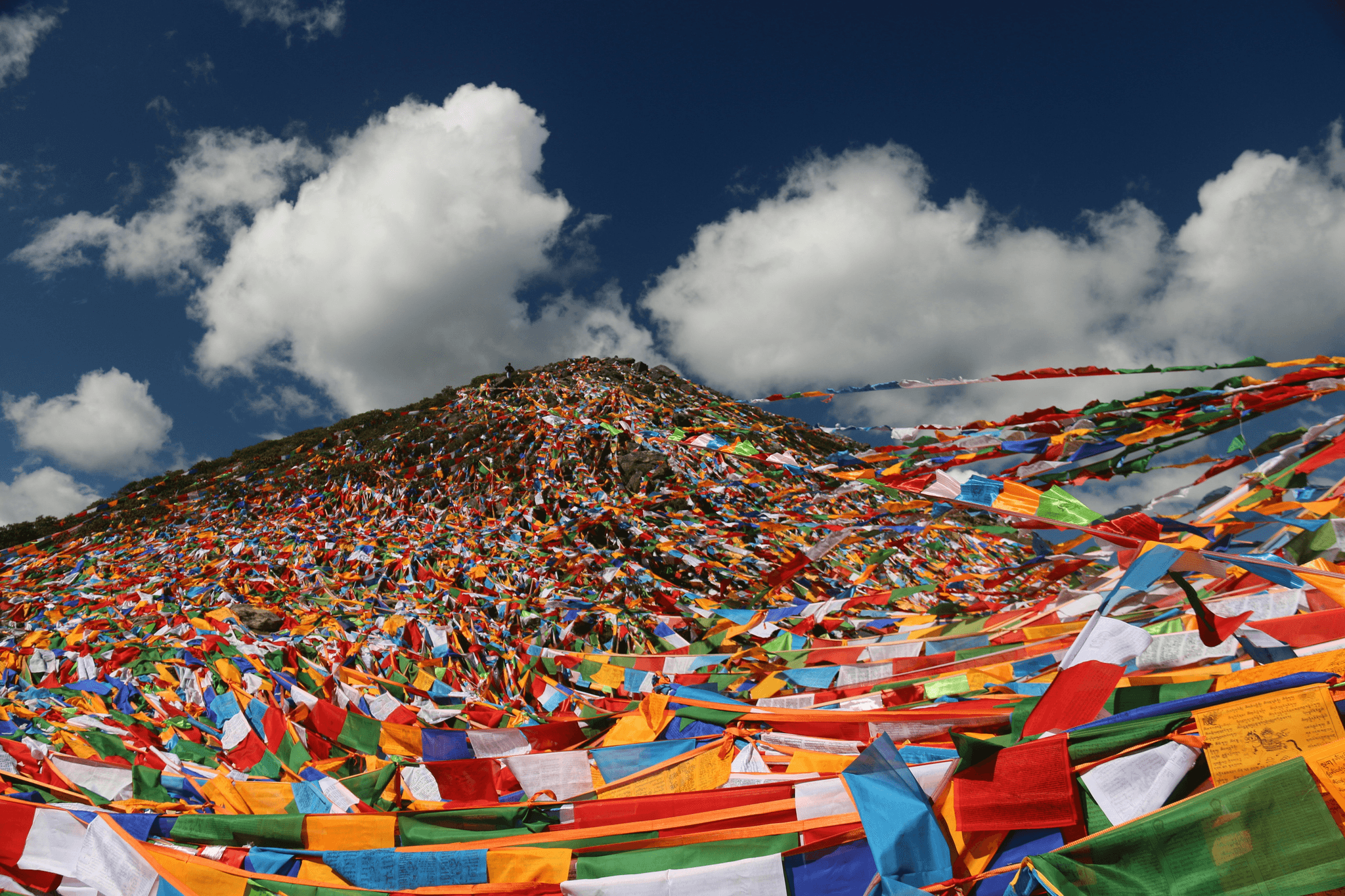
Tibetan Buddhist rituals and ceremonies are a reflection of the fusion between Tibetan culture and Buddhism. From the elaborate prayer flags fluttering in the wind to the mesmerizing chants of monks, every aspect of Tibetan rituals is infused with the essence of local traditions. The use of intricate mandalas, colorful thangka paintings, and sacred dance forms all bear the imprint of Tibetan cultural aesthetics, making these rituals a visual and sensory delight for practitioners and observers alike.
Tibetan Buddhist Rituals and Ceremonies
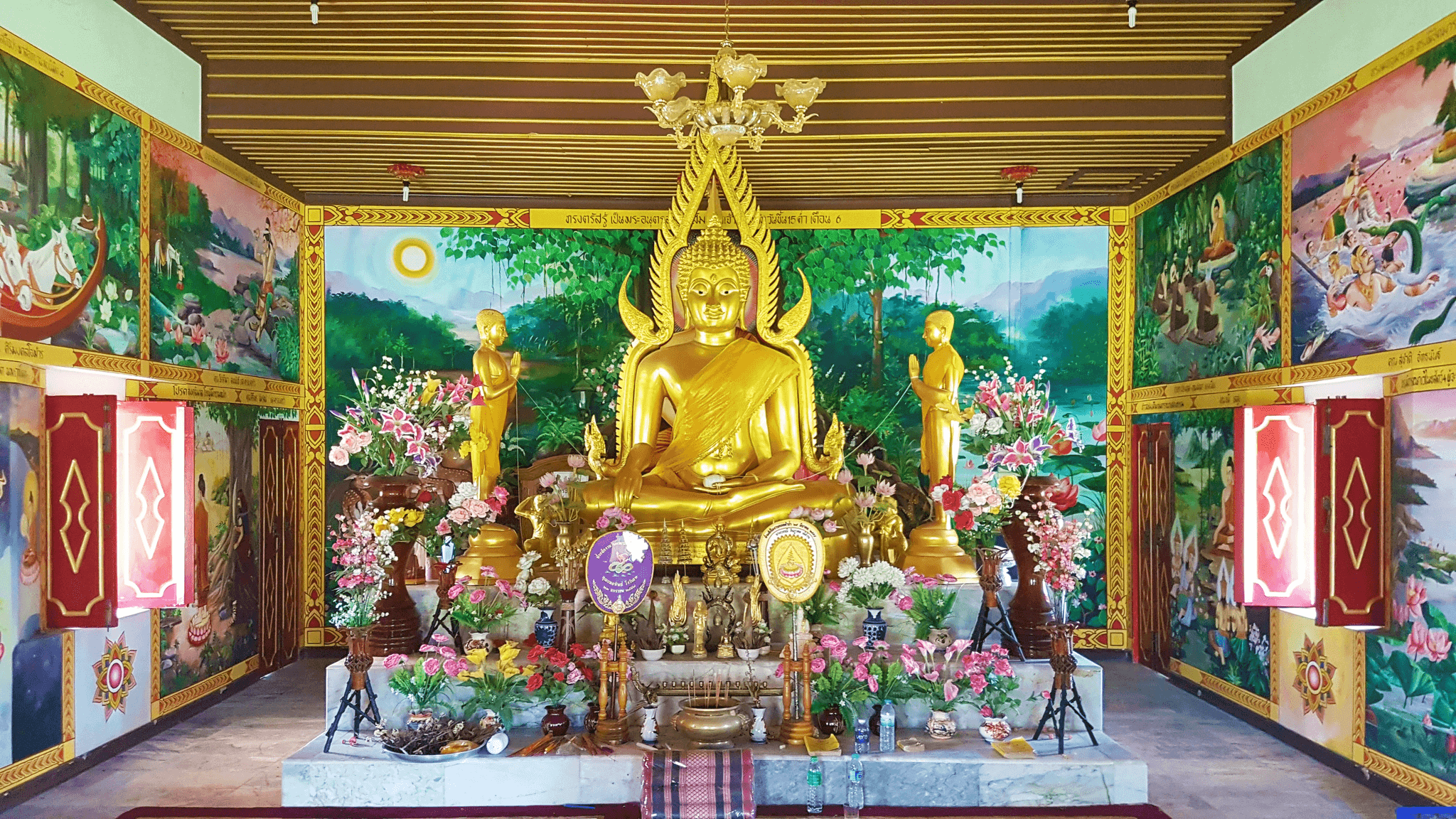
Tibetan Buddhism is characterized by elaborate rituals and ceremonies that are an integral part of religious practice. From the chanting of mantras to the creation of intricate sand mandalas, these rituals serve as a means of spiritual expression and devotion. The use of prayer flags and butter lamps also holds significant symbolism in Tibetan Buddhist ceremonies.
Tibetan Buddhist rituals and ceremonies are also characterized by the use of intricate ceremonial dance performances, known as cham, which are performed by monks as a form of meditation and spiritual offering. These mesmerizing dances often depict stories from Buddhist scriptures and are believed to bring blessings and purification to both the performers and the audience. The colorful costumes, elaborate masks, and synchronized movements make cham an important visual representation of Tibetan Buddhist beliefs and traditions.
Monastic Life in Tibetan Buddhism
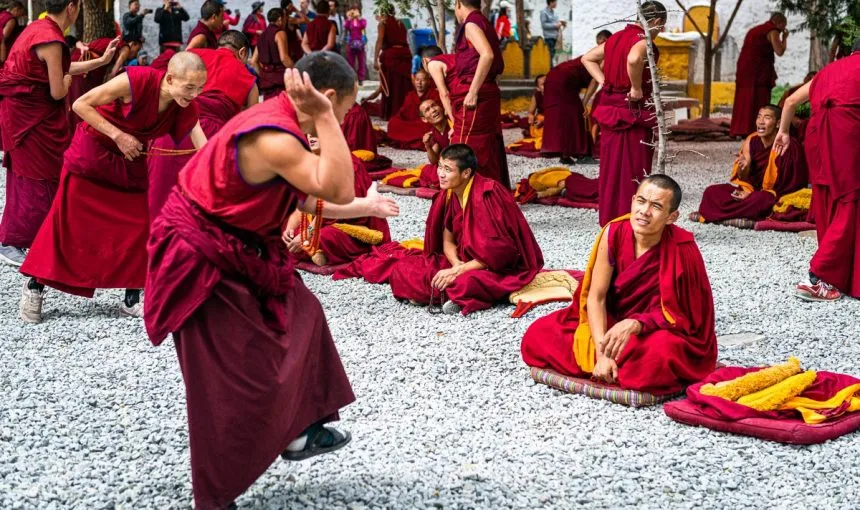
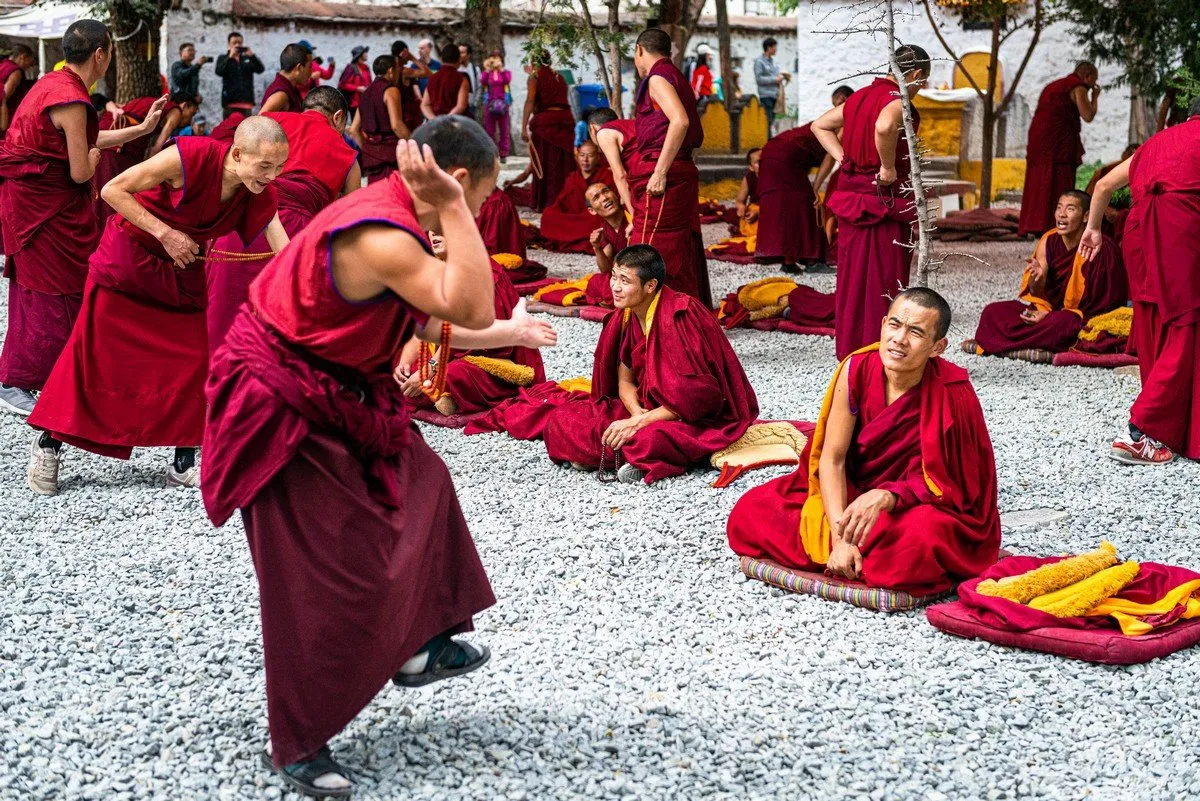
Monastic life plays a central role in Tibetan Buddhism, with monasteries serving as hubs for religious learning and practice. Monks and nuns lead a disciplined lifestyle focused on meditation, study, and service to the community. Their commitment to upholding the teachings of Tibetan Buddhism reflects the deep spiritual connection between religion and everyday life. In addition to their spiritual pursuits, monastic communities also play a vital role in preserving Tibetan culture and traditions through their rituals, ceremonies, and teachings. The monasteries themselves are often architectural marvels adorned with intricate artwork and symbols that serve as visual representations of Buddhist principles, providing a rich tapestry of meaning for practitioners.
The Role of Symbols and Art in Tibetan Buddhism
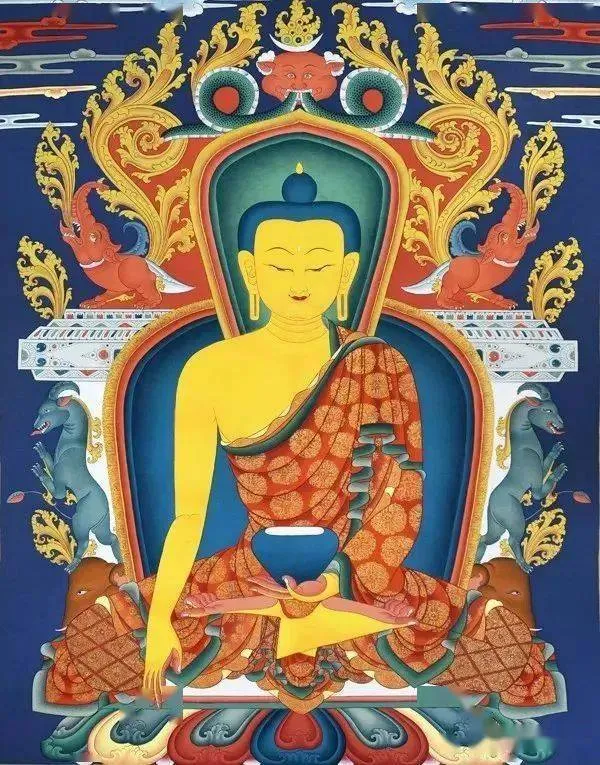
Tibetan Buddhism is rich in symbolism, and one of the most prominent forms of art is Thangka paintings. These intricate artworks serve as visual representations of Tibetan Buddhist beliefs, depicting deities, mandalas, and other sacred symbols. Thangkas are not just mere decorations; they are used in meditation practices and as teaching tools to convey complex religious concepts.
Importance of Thangka Paintings
Thangkas play a crucial role in conveying the essence of Tibetan Buddhism beliefs. They are meticulously painted by skilled artisans using natural pigments and often adorned with precious stones. These paintings are revered for their ability to inspire devotion, aid in visualization meditation, and serve as a spiritual guide for practitioners on their path to enlightenment.
Sacred Symbols in Tibetan Buddhism
In Tibetan Buddhism, symbols hold deep spiritual significance and are used to convey profound teachings. The Eight Auspicious Symbols, such as the endless knot and the lotus flower, represent various aspects of enlightenment and are commonly depicted in Thangka paintings and other religious artifacts.
The Power of Mantras and Mudras
Mantras (sacred chants) and mudras (ritual hand gestures) are integral components of Tibetan Buddhist practices. These symbolic expressions are believed to have transformative powers that can purify the mind, protect from negative influences, and cultivate inner peace. Mantras can be found inscribed on prayer flags, while mudras are performed during meditation or ceremonial rituals.
GuideTibet: Exploring Tibetan Buddhism and Culture
GuideTibet offers a range of customized Tibetan Buddhism tours that allow visitors to delve deep into the heart of Tibetan culture and religion. These tours provide a unique opportunity to explore the rich religious beliefs in Tibetan Buddhism, as well as the fascinating history and traditions of this ancient civilization.
Customized Tibetan Buddhism Tours
With GuideTibet, travelers can embark on personalized tours that cater to their specific interests in Tibetan Buddhism beliefs. Whether it’s visiting sacred monasteries, participating in meditation sessions with monks, or learning about the Four Noble Truths and the Eightfold Path, these tours provide an immersive experience into the spiritual essence of Tibetan culture.
Immersion in Tibetan Religious Festivals
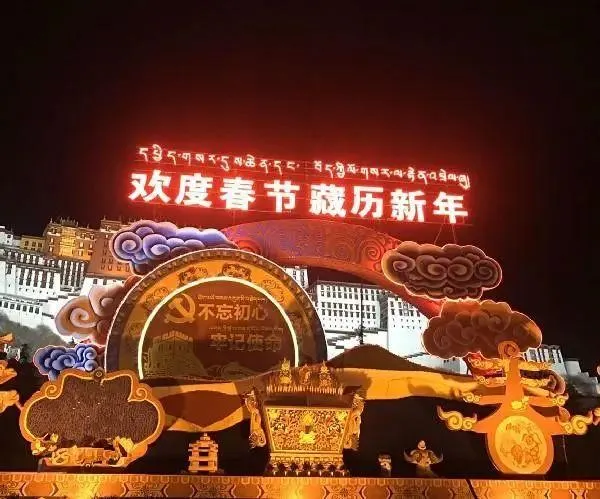
One of the highlights of GuideTibet’s offerings is the chance to immerse oneself in traditional Tibetan religious festivals. From witnessing colorful masked dances during Losar (Tibetan New Year) to experiencing the sacred rituals of Saga Dawa (Buddha’s Enlightenment Day), these festivals offer a firsthand glimpse into the vibrant and deeply rooted religious practices of Tibetan Buddhism.
Local Insight into Tibetan Buddhist Practices
GuideTibet prides itself on providing travelers with local insight into Tibetan Buddhist practices. Visitors have the opportunity to engage with native Tibetans who can offer a deeper understanding of religious beliefs in Tibetan Buddhism, share personal anecdotes about their spiritual journey, and provide valuable context for various customs and traditions.
Conclusion
Embracing the Wisdom of Tibetan Buddhism
Tibetan Buddhism offers a profound insight into the nature of existence and the path to enlightenment. By embracing the core religious beliefs in Tibetan Buddhism, such as the Four Noble Truths and the Eightfold Path, one can gain a deeper understanding of life’s purpose and meaning. Through immersion in Tibetan culture and rituals, individuals can experience a transformative journey towards spiritual awakening.
Connecting with Tibet’s Rich Religious Heritage
Exploring Tibetan Buddhism allows individuals to connect with Tibet’s rich religious heritage, rooted in centuries of tradition and wisdom. The history of Tibetan Buddhism, its key figures, and its influence on the region provide a fascinating insight into the spiritual evolution of this ancient civilization. By delving into the essence of Tibetan religion, one can forge a deep connection with this profound spiritual legacy.
Guide Tibet: Your Doorway to Authentic Tibetan Culture
Guide Tibet offers an unparalleled opportunity to explore Tibetan Buddhism and culture firsthand. With customized tours led by local native guides, visitors can gain unique insights into Tibetan Buddhist practices and traditions. By participating in religious festivals, witnessing sacred art forms like Thangka paintings, and experiencing monastic life, travelers can truly immerse themselves in the authentic essence of Tibetan culture.