Introduction

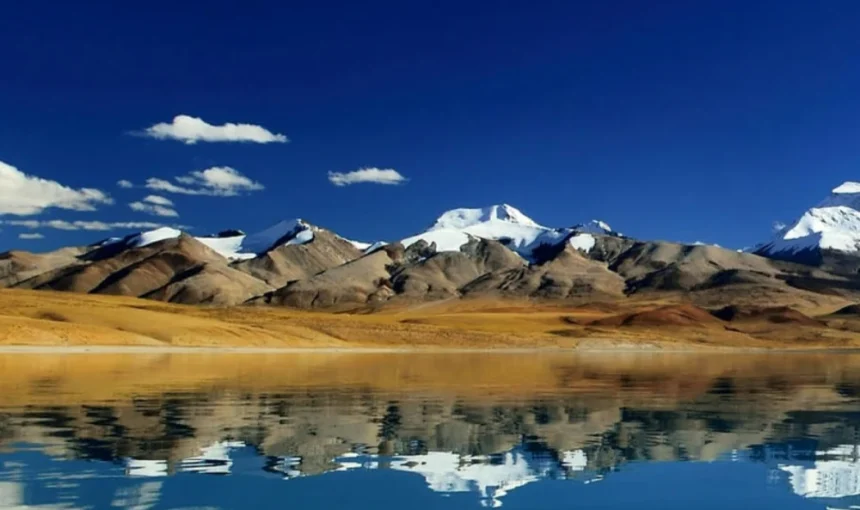
Tibet, often referred to as the Roof of the World, is a land that captivates the soul and stirs the imagination. Nestled high in the Himalayas, this enchanting region is not just known for its breathtaking landscapes but also for its rich spiritual heritage and unique culinary delights. As we embark on a journey to explore what Tibet is known for, we’ll uncover its mysteries, traditions, and flavors that make it a truly remarkable destination.
Discovering the Essence of Tibet
When pondering what Tibet is famous for, one cannot overlook its stunning natural beauty and cultural significance. The essence of Tibet lies in its majestic mountains, vibrant festivals, and warm-hearted people who embody resilience and spirituality. This exploration invites you to witness firsthand why so many travelers are drawn to this mystical land.
The Spiritual Heart of Buddhism
At the core of Tibetan identity is Buddhism, which shapes not only spiritual practices but also daily life in profound ways. Understanding why Tibet is so sacred requires delving into its monasteries, sacred sites like Jokhang Temple, and the teachings that have flourished here for centuries. This spiritual heart beats strongly within every aspect of Tibetan life, offering insights into what makes this region a beacon of peace and enlightenment.
Tibetan Cuisine: A Flavorful Journey
No exploration of what Tibet is known for would be complete without indulging in its tantalizing cuisine! From savory momos to hearty tsampa and warming butter tea, Tibetan food reflects both tradition and adaptation to the high-altitude environment. Each dish tells a story about community and culture—an integral part of understanding what is unique about Tibetan life.
What is Tibet Known For?
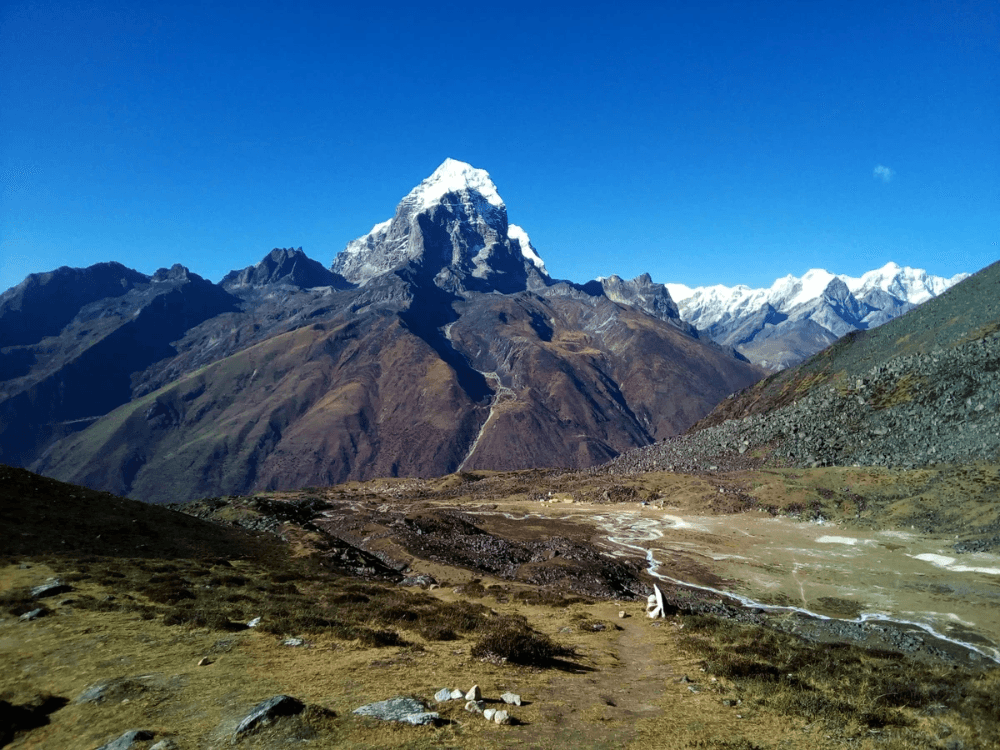
Tibet, often referred to as the Roof of the World, is known for its stunning landscapes, rich culture, and spiritual significance. Nestled high in the Himalayas, this unique region captivates travelers with its breathtaking scenery and vibrant traditions. From majestic mountains to colorful festivals, Tibet offers a wealth of experiences that make it truly unforgettable.
A Land of Majestic Landscapes
One glance at Tibet’s landscapes and you’ll understand why it’s celebrated as a natural wonder. Towering peaks like Mount Everest dominate the skyline, while expansive plateaus stretch across the horizon, dotted with shimmering lakes and lush valleys. This dramatic terrain not only provides stunning views but also serves as a backdrop for countless adventures—hiking, trekking, or simply soaking in the beauty of nature.
The altitude adds an extra layer of mystique to these majestic landscapes; some might even say it gives you a different perspective on life itself! It’s no wonder that when people ask what is Tibet known for, its breathtaking scenery tops the list. With every turn revealing another postcard-worthy view, it’s hard not to be enchanted by this land where earth meets sky.
The Roof of the World
Often dubbed The Roof of the World, Tibet holds an esteemed place in geographical lore due to its high elevation and unique topography. At an average altitude exceeding 4,500 meters (14,800 feet), it is home to some of the planet’s tallest mountains and vast plateaus that seem to touch the heavens. This remarkable height contributes not only to its awe-inspiring beauty but also creates distinct climatic conditions that shape both flora and fauna.
But what does being the Roof of the World mean for those curious about what is Tibet famous for? It means experiencing an environment unlike any other—where thin air invigorates your spirit while challenging your lungs! Many who visit find themselves drawn into a world where every breath feels like a blessing amidst nature’s grandeur.
Vibrant Tibetan Culture
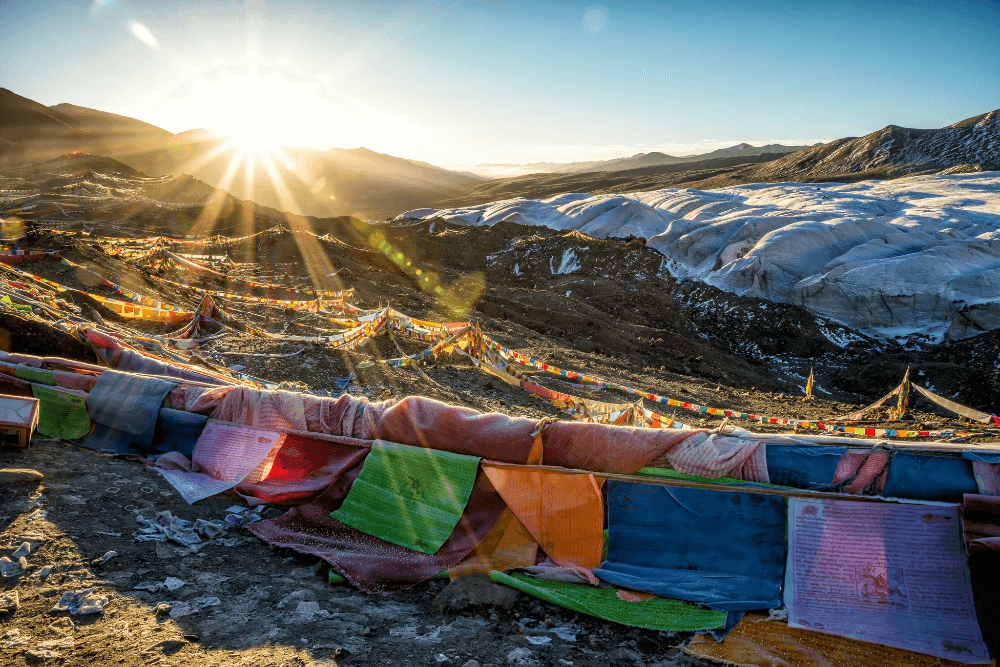
Tibetan culture is as colorful and diverse as its landscapes; it’s a tapestry woven from ancient traditions and modern influences that continues to thrive today. Rich in history and spirituality, Tibetan culture reflects deep-rooted beliefs in Buddhism that permeate daily life—from prayer flags fluttering on mountain passes to intricate thangka paintings adorning homes and monasteries alike. Festivals bursting with music, dance, and rituals showcase this vibrant way of life while inviting visitors into joyful celebrations steeped in meaning.
When exploring what makes Tibet unique beyond just its physical beauty or spiritual significance—one cannot overlook how alive Tibetan culture feels! It’s evident everywhere you go: from bustling markets filled with artisan crafts to serene monasteries echoing with chants at dawn. So if you’re wondering what is tibet known for culturally? Look no further than its passionate people who embody their heritage through artful expression!
What is Tibet Famous For?
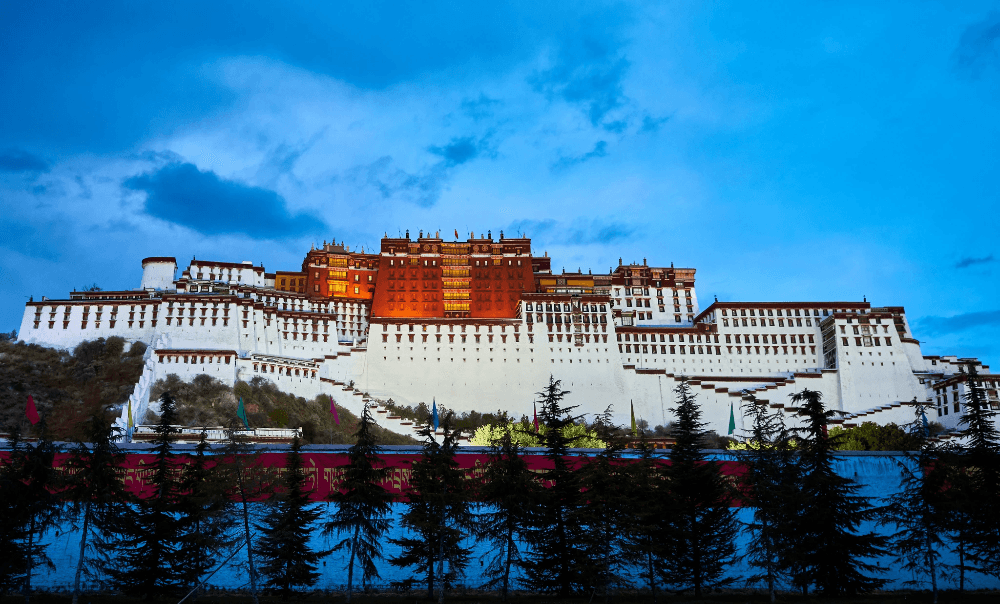
Tibet, often referred to as the Roof of the World, is renowned for its breathtaking landscapes, rich cultural heritage, and spiritual significance. When exploring what Tibet is famous for, three standout features immediately come to mind: the architectural wonder of Potala Palace, the daunting challenge of Mount Everest, and the historical richness of Lhasa. These elements not only define Tibet’s identity but also attract countless visitors eager to experience its unique charm.
The Potala Palace: A Marvel of Architecture
One cannot discuss what Tibet is known for without mentioning the Potala Palace, a breathtaking architectural masterpiece that dominates Lhasa’s skyline. This UNESCO World Heritage site was once the winter residence of the Dalai Lama and stands as a symbol of Tibetan Buddhism’s grandeur. With its intricate design and stunning views from its elevated position, it embodies not just artistic brilliance but also reflects Tibet’s spiritual essence.
Visitors often marvel at how this colossal structure was built using traditional materials in such a challenging environment. The palace’s numerous chapels and shrines are adorned with exquisite murals that tell stories of Tibetan history and spirituality—an interesting fact about Tibet that highlights its artistic heritage. As you wander through its halls, you can’t help but feel a profound connection to a culture that has thrived in harmony with nature for centuries.
Mount Everest: The Ultimate Climb
When pondering what is Tibet famous for, one cannot overlook Mount Everest—the highest peak on Earth—located on the border between Nepal and Tibet. Known locally as Chomolungma, this colossal mountain attracts adventurers from around the globe who seek to conquer its formidable heights. Climbing Mount Everest represents not just an extreme physical challenge but also an opportunity to immerse oneself in the awe-inspiring beauty of Tibetan landscapes.
The journey to Everest Base Camp offers trekkers an unforgettable experience filled with stunning views and encounters with local cultures along the way. It’s no surprise that many climbers find themselves enchanted by what is unique about Tibetan traditions during their expedition; they often participate in local rituals or visit monasteries en route. For those who dare to take on this ultimate climb, Mount Everest serves as both a test of endurance and a gateway into Tibet’s mystical allure.
Lhasa: A City Steeped in History
Lhasa stands out as another focal point when considering what is tibet known for; it’s more than just a city—it’s a living museum steeped in history and culture. Once known as “the Forbidden City,” Lhasa has been central to Tibetan life for centuries and remains home to some of Buddhism’s most sacred sites today. Walking through Lhasa feels like stepping back in time; ancient streets lined with prayer wheels lead you toward revered temples where spirituality permeates every corner.
The city boasts iconic landmarks such as Jokhang Temple—the most sacred temple in Tibetan Buddhism—and bustling Barkhor Street filled with vibrant markets selling traditional crafts and foods like momos or tsampa—what is tibet known for food! Visitors often leave Lhasa feeling spiritually rejuvenated after experiencing its warm hospitality and rich traditions firsthand—a testament to why so many consider it one of Asia’s must-visit destinations.
What is an Interesting Fact About Tibet?
Tibet is a treasure trove of unique cultural and historical gems, making it a fascinating subject of exploration. From its distinctive calendar to ancient medical practices and the remarkable yaks that roam its highlands, there’s so much more than meets the eye in this mystical region. Let’s delve into some interesting facts about Tibet that highlight what makes it truly special.
The Unique Tibetan Calendar
One of the most intriguing aspects of Tibetan culture is its unique calendar system, which diverges significantly from the Gregorian calendar used in much of the world. The Tibetan calendar is lunar-based, consisting of 12 or 13 months depending on the year, with each month marked by festivals and significant spiritual events. This calendar not only dictates religious observances but also influences agricultural practices, showcasing how deeply intertwined spirituality and daily life are in what Tibet is known for.
Traditional Tibetan Medicine Practices
What is Tibet famous for? Among its many contributions to global culture, traditional Tibetan medicine stands out as a holistic approach to health that has been practiced for over a thousand years. This ancient system combines herbal remedies, dietary recommendations, and spiritual healing techniques tailored to individual needs—reflecting the belief that physical ailments can be linked to emotional or spiritual imbalances. By utilizing natural ingredients found in its vast landscapes, traditional Tibetan medicine offers an alternative perspective on wellness that remains relevant today.
The Yaks: Unsung Heroes of the Highlands
When considering what is unique about Tibetan traditions, one cannot overlook the vital role played by yaks in everyday life across this rugged terrain. These sturdy animals are not just livestock; they serve as transportation, provide milk for butter tea (a staple food), and their wool is used for clothing and shelter materials—making them indispensable to Tibetan culture. Often referred to as the ship of the highlands, yaks truly embody resilience and adaptability in one of the harshest climates on Earth.
Why is Tibet So Sacred?

Tibet, often referred to as the Roof of the World, is a region steeped in spirituality and reverence. The majestic Himalayas, towering over the landscape, are not just geographical marvels; they embody a profound spiritual significance that resonates deeply with both locals and visitors alike. This sacredness permeates every aspect of Tibetan life, from its rich cultural traditions to its vibrant religious practices.
Spiritual Significance of the Himalayas
The Himalayas hold an esteemed place in Tibetan culture and spirituality. Many believe these towering peaks are home to deities and spirits, making them a vital part of Tibetan cosmology. When considering what Tibet is known for, one cannot overlook how these mountains inspire pilgrimage journeys that foster deep connections with nature and the divine.
In fact, many locals view the Himalayas as sacred guardians of their land, which adds to their allure for travelers seeking spiritual enlightenment. The breathtaking vistas serve as a reminder of nature’s grandeur and its role in shaping Tibetan identity. With such profound reverence for their surroundings, it’s no wonder that Tibet remains a focal point for those curious about what Tibet is famous for.
Pilgrimage Sites: Jokhang Temple
Jokhang Temple stands at the heart of Lhasa and is one of Tibet’s most revered pilgrimage sites. Often regarded as the spiritual epicenter of Tibetan Buddhism, this temple attracts thousands who seek blessings or simply wish to experience its tranquil ambiance. When exploring what is an interesting fact about Tibet?, one might note that Jokhang’s architecture melds various styles, reflecting centuries of cultural exchange.
Visitors often find themselves immersed in rituals performed by devoted pilgrims who prostrate themselves before this sacred site—a sight that underscores why Tibet is so sacred to many around the world. The temple houses numerous relics and statues significant to Buddhist practice, further enhancing its status as a must-visit location when pondering what is unique about Tibetan culture. Those who step inside are met with an overwhelming sense of peace that lingers long after they leave.
Monastic Life: A Glimpse into Serenity
The monastic life in Tibet offers another window into why this region holds such sacred importance for its people and visitors alike. Monasteries dotting the landscape provide sanctuaries where monks engage in meditation, prayer, and study—practices integral to understanding what Tibet is known for spiritually. These serene environments invite contemplation about life’s deeper meanings while showcasing traditional values passed down through generations.
For those wondering if Tibet is a country or merely a region within China, it’s essential to recognize how monastic institutions contribute significantly to Tibetan identity regardless of political boundaries. These monasteries not only preserve ancient texts but also serve as centers for community gatherings during festivals—another fascinating aspect when considering what is unique about Tibetan traditions! Engaging with monastic life can provide insights into age-old practices that continue shaping contemporary Tibetan society today.
What is Unique About Tibetan Traditions?

Tibetan traditions are a vibrant tapestry woven from centuries of culture, spirituality, and resilience. What is unique about Tibetan customs lies in their deep-rooted connection to the land and its people, reflecting both their struggles and celebrations. From lively festivals to intricate art forms, these traditions encapsulate the essence of what Tibet is known for.
Festivals: Celebrating Life and Faith
Tibetan festivals are a spectacular showcase of life and faith, filled with color, music, and joy. These celebrations often revolve around important religious events or seasonal changes, drawing communities together in a shared sense of purpose and belonging. What is Tibet famous for? Well, its festivals like Losar—Tibetan New Year—offer a glimpse into the rich cultural heritage that unites the people in joyous revelry.
During these festivities, you can witness traditional dances performed in elaborate costumes that tell stories of ancient legends while delicious food fills the air with mouthwatering aromas. The spirit of togetherness during these occasions reinforces why Tibet holds such sacred significance in the hearts of its inhabitants. Notably, each festival serves as a reminder of their enduring faith amidst life’s challenges.
Thangka Painting: Artistic Heritage
Thangka painting stands as one of Tibet’s most cherished artistic traditions, showcasing intricate designs that capture spiritual themes and historical narratives. This unique art form typically features Buddhist deities or mandalas painted on cotton or silk canvas using vibrant colors derived from natural sources—a true testament to what is unique about Tibetan artistry. What is an interesting fact about Tibet? Thangka paintings are not just decorative; they serve as meditation aids for practitioners seeking enlightenment.
Artists spend years honing their skills through meticulous training under master painters to ensure each piece resonates with profound meaning and symbolism. These artworks are often displayed during religious ceremonies or hung in homes to invoke blessings and protection—demonstrating how deeply intertwined art is with spirituality in Tibetan culture. Thus, Thangka painting exemplifies not only artistic prowess but also the spiritual heart that beats within Tibet.
Tibetan Buddhism: A Way of Life
At the core of Tibetan culture lies Tibetan Buddhism—a way of life that permeates every aspect of daily existence from birth rituals to death ceremonies. It’s not merely a religion but a holistic framework guiding ethical conduct and mindfulness among practitioners; this profound influence shapes what Tibet is known for globally. Why is Tibet so sacred? The teachings emphasize compassion, wisdom, and interconnectedness—principles that resonate deeply within community interactions.
Monasteries dotting the landscape serve as sanctuaries where monks engage in prayerful contemplation while offering teachings to laypeople seeking spiritual guidance—a living testament to how Buddhism harmonizes with nature’s beauty around them. Moreover, practices such as meditation are integral components fostering inner peace amidst external chaos—an essential element for understanding what makes this region so special today.
What is Tibet Known For Food?

Tibetan cuisine is a delightful blend of flavors and traditions that reflect the region’s unique culture and geography. When exploring what is Tibet known for food, you’ll discover hearty dishes that are perfect for the high-altitude environment. From savory dumplings to nourishing staples, Tibetan food offers a delicious journey into the heart of this enchanting land.
Momos: Delicious Dumplings
One of the most beloved foods in Tibet is momos, which are delightful dumplings often filled with meat or vegetables. These bite-sized treats are steamed or fried and served with a spicy dipping sauce that packs a flavor punch. If you’re wondering what is Tibet famous for when it comes to food, momos definitely top the list as they embody the communal spirit of sharing and enjoying meals together.
Momos are not just a dish; they represent Tibetan hospitality and warmth. You’ll find them at street stalls, family gatherings, and even upscale restaurants throughout the region. Whether you prefer them stuffed with yak meat or vegetables, these dumplings are an essential part of any culinary exploration in Tibet.
Tsampa: The Staple of Tibetan Diet
Another cornerstone of Tibetan cuisine is tsampa, made from roasted barley flour mixed with water or tea to create a thick paste or dough-like consistency. This simple yet nutritious staple has been fueling Tibetans for centuries, making it an integral part of their daily diet. If you’re curious about what is an interesting fact about Tibet related to food, tsampa’s versatility makes it suitable for breakfast, lunch, or dinner!
Traditionally consumed by nomadic herders as sustenance on long journeys across harsh terrains, tsampa reflects the resilience and resourcefulness of Tibetan culture. It can be enjoyed plain or flavored with butter or sugar for added taste—perfect for those adventurous enough to try something new! In addition to being filling and energizing, tsampa also showcases how local ingredients shape what is unique about Tibetan cuisine.
Butter Tea: A Cultural Beverage
No exploration of Tibetan food would be complete without mentioning butter tea (po cha), a quintessential beverage that warms both body and soul in the chilly Himalayan climate. Made by churning tea with yak butter and salt until creamy, this drink might sound unusual but offers an invigorating experience that’s hard to forget! When considering why is Tibet so sacred in its cultural practices, butter tea symbolizes hospitality and community bonding among friends and family.
Drinking butter tea is not merely about quenching thirst; it’s deeply embedded in daily life as well as rituals during festivals and gatherings. Many locals enjoy it alongside snacks like tsampa or momos—creating a harmonious balance between flavors! So if you ever find yourself pondering what is Tibet known for food-wise while sipping on this rich beverage, remember it’s more than just tea; it’s tradition served warm.
Conclusion
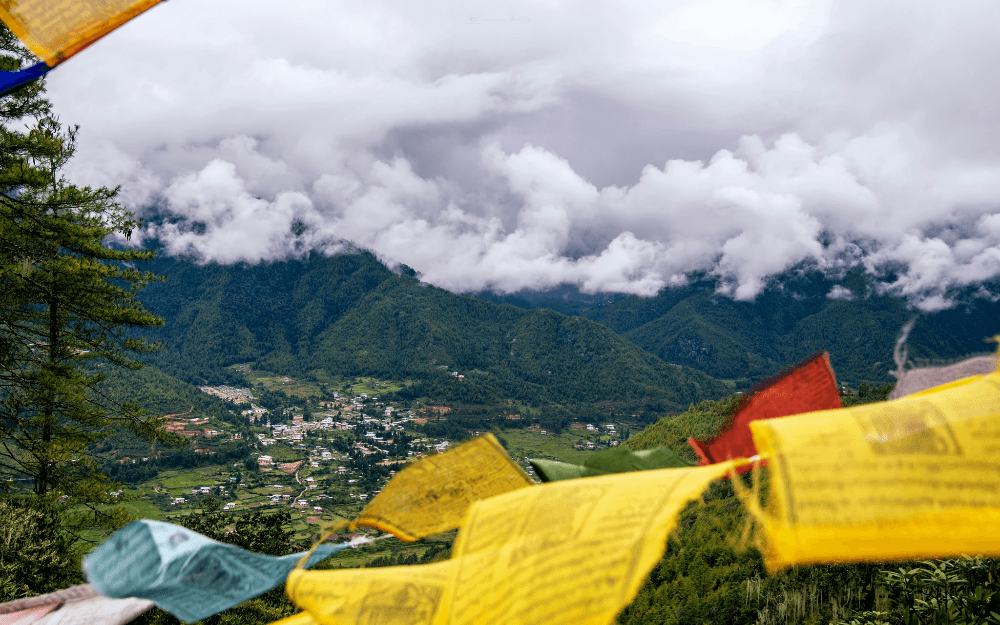
Tibet, a land of mystique and reverence, invites travelers to embrace its unique spirit. With a rich tapestry of culture, spirituality, and breathtaking landscapes, it offers an experience unlike any other. Whether you’re drawn by the question of what is Tibet known for or the allure of its ancient traditions, there’s something profound waiting for everyone.
Embracing the Tibetan Spirit
To truly understand what Tibet is famous for, one must delve into its spiritual heart. The essence of Tibetan Buddhism permeates daily life and rituals, offering insights into serenity and mindfulness that can be life-changing. It’s not just about visiting temples; it’s about embracing a way of life that teaches compassion and interconnectedness.
The Allure of Tibetan Landscapes
When pondering what is an interesting fact about Tibet, consider its breathtaking landscapes that stretch across vast terrains. From the towering peaks of the Himalayas to serene lakes like Yamdrok Tso, each vista tells a story steeped in history and spirituality. This natural beauty not only captivates adventurers but also serves as a reminder of why Tibet is often referred to as the Roof of the World.
Planning Your Unique Journey with GuideTibet
If you’re curious about what is tibet known for food-wise or want to explore its culinary delights like momos or butter tea, planning your journey with GuideTibet can make all the difference. They offer tailored experiences that allow you to taste authentic Tibetan dishes while immersing yourself in local traditions and customs. So whether you’re on a quest to discover why Tibet is so sacred or simply wanting to enjoy its flavors, your adventure awaits!