Introduction
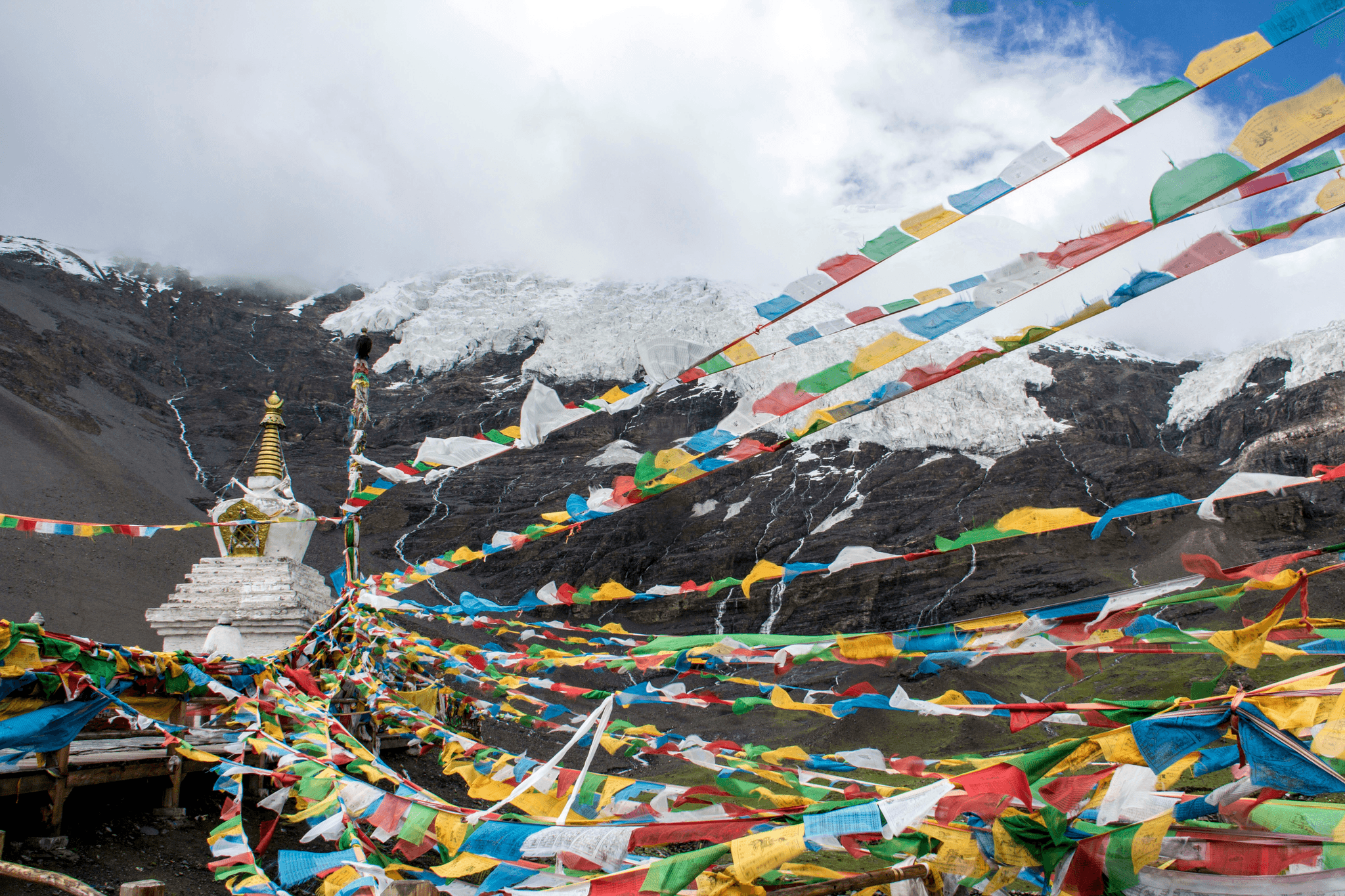
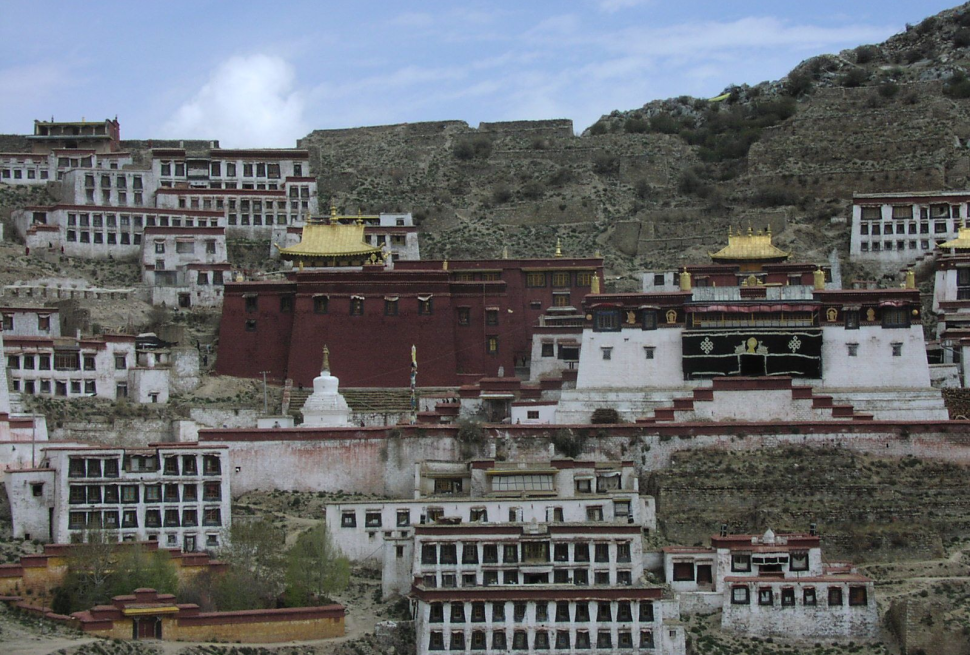
Tucked away in the breathtaking landscapes of Tibet, the Holy Tibetan Stupa stands as a testament to the region’s rich spiritual heritage and architectural ingenuity. These sacred structures, known as Tibetan stupas or chortens, serve not only as places of worship but also as profound symbols of enlightenment and peace. As you embark on a journey through the top 8 stupas in Tibet, prepare to uncover their allure and significance within the intricate tapestry of Tibetan culture.
Discover the Allure of Stupas
The allure of Tibetan stupas lies in their mesmerizing architecture and deep-rooted spiritual meanings. Each stupa structure is meticulously designed, often adorned with vibrant colors and intricate carvings that tell stories of Buddha’s teachings and the path to enlightenment. Visitors are drawn to these magnificent edifices, eager to explore their beauty while seeking a connection to something greater than themselves.
Uncover the Spiritual Significance
At their core, Tibetan Buddhist stupas embody profound spiritual significance that transcends mere aesthetics. They serve as physical representations of Buddhist cosmology, guiding practitioners on their spiritual journeys through rituals and offerings that honor both past masters and present seekers. By understanding this significance, one can truly appreciate why these sacred sites are among the best places to visit stupas in Tibet.
A Journey Through Tibetan Culture
Visiting a Holy Tibetan Stupa is not just an exploration of architecture; it’s an immersion into vibrant Tibetan culture itself. The experience invites you into a world steeped in ancient traditions, where local customs blend seamlessly with religious practices that have flourished for centuries. With GuideTibet by your side, your adventure will be enriched by insights from knowledgeable local guides who share stories about these remarkable sites and their cultural context.
The Enigmatic Architecture of Stupas
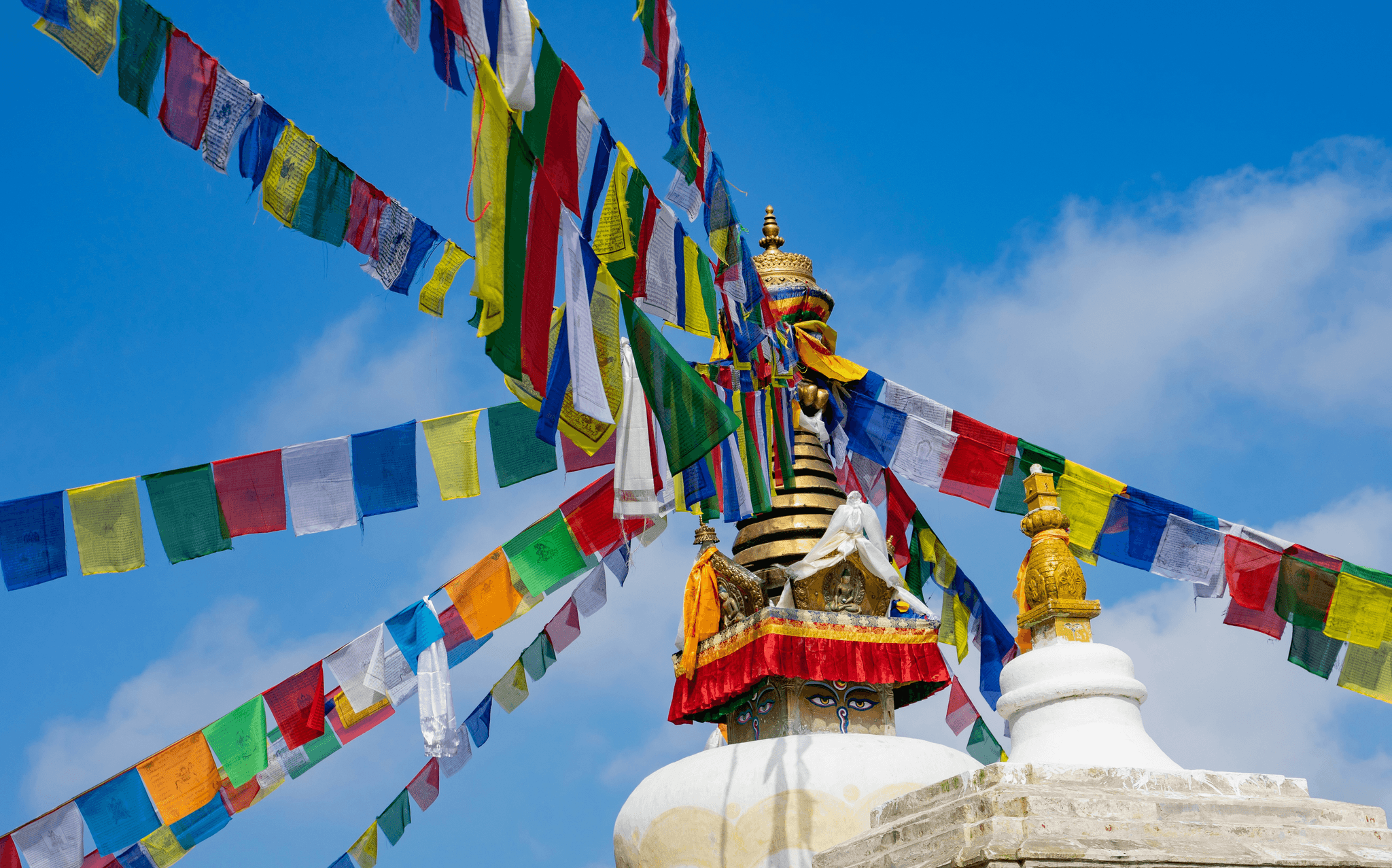
Tibetan stupas, also known as Tibetan chortens, are architectural marvels that embody the essence of Tibetan Buddhism. These structures serve not only as religious monuments but also as symbols of the universe’s spiritual journey. Understanding the stupa structure is essential to appreciating their significance in both a cultural and spiritual context.
Understanding the Stupa Structure
The holy Tibetan stupa is characterized by its unique design, which consists of several distinct elements that come together to create a harmonious whole. Typically, a stupa structure features a dome-shaped base known as the anda, representing the universe’s womb, topped by a square platform called the harmika. This platform supports a spire or chhatra, symbolizing enlightenment and protection, while surrounding paths allow for circumambulation—a vital practice in Tibetan Buddhist devotion.
Each component of the stupa serves a purpose and holds deep meaning within Tibetan culture. The circular base represents continuity and eternity, while the upward-reaching spire signifies aspiration towards higher states of consciousness. When visiting one of the top 8 stupas in Tibet, you’ll find yourself surrounded by these profound symbols that invite reflection and reverence.
Symbolism Embedded in Design
The design of each Tibetan Buddhist stupa is rich with symbolism that reflects core Buddhist beliefs and teachings. For instance, the overall shape resembles a lotus flower—a symbol of purity rising from murky waters—reminding practitioners that enlightenment can be achieved despite worldly struggles. Additionally, every detail is intentional; for example, the number of steps leading up to certain stupas often corresponds to significant numbers in Buddhism.
Moreover, many stupas are adorned with intricate carvings and paintings depicting various deities and mandalas, further enhancing their spiritual significance. This artistic expression serves not only an aesthetic purpose but also acts as visual aids for meditation and contemplation during your visit to these sacred sites. Exploring this symbolism deepens your connection with Tibetan culture while providing insight into its rich spiritual traditions.
Famous Examples of Tibetan Stupas
When it comes to exploring famous examples of Tibetan stupas, several notable structures stand out among visitors seeking spiritual enrichment and cultural immersion. One such gem is Boudhanath Stupa in Kathmandu—a UNESCO World Heritage site renowned for its massive mandala design and vibrant atmosphere filled with prayer flags fluttering overhead. This holy Tibetan stupa draws pilgrims from around the world who come to perform kora (circumambulation) around its base.
Another remarkable example is Kumbum Stupa located near Gyantse; this stunning architectural masterpiece houses numerous chapels adorned with exquisite murals depicting various aspects of Buddhist teachings. As you wander through its halls filled with artful representations of spirituality, you’ll find yourself transported into another realm entirely—one where history intertwines seamlessly with devotion.
In addition to these iconic sites, Lhasa boasts several breathtaking stupas worth visiting among the best places to visit stupas in Tibet—each offering unique experiences steeped in tradition and reverence for centuries-old practices still alive today.
The Spiritual Journey to a Holy Tibetan Stupa
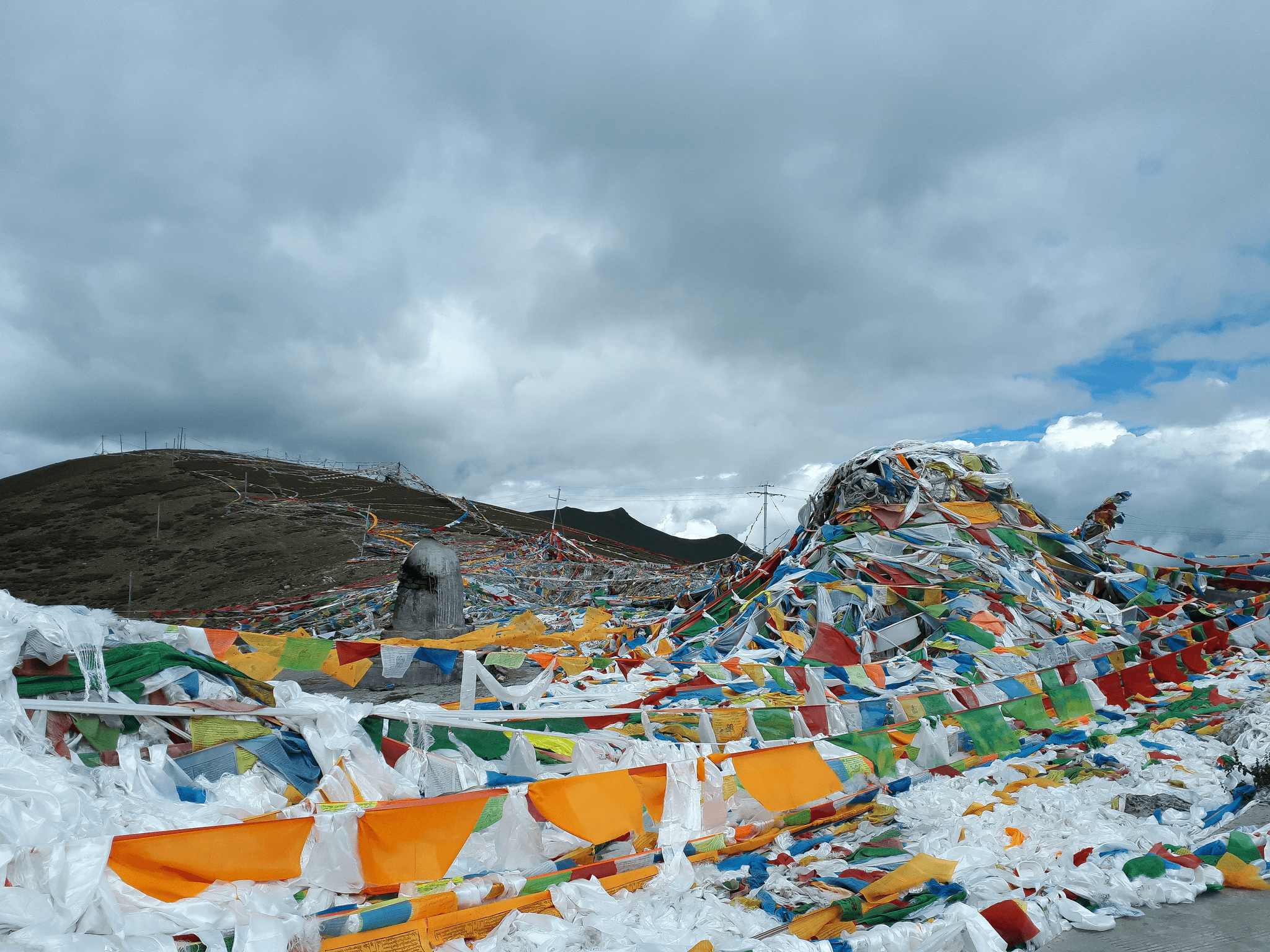
Visiting a Holy Tibetan Stupa is not just about seeing an architectural marvel; it’s about embarking on a deeply spiritual journey. The experience is enriched by the rituals and offerings that accompany each visit, providing a unique insight into Tibetan culture and Buddhist practices. As you explore these sacred sites, you’ll find that the atmosphere resonates with devotion, making it an unforgettable part of your exploration of the top 8 stupas in Tibet.
Rituals and Offerings
At any Tibetan stupa, rituals and offerings are integral components of the experience. Visitors often engage in traditional practices such as prostrations, circumambulation, and making offerings of prayer flags or incense to honor the Buddha and seek blessings. These acts not only deepen your connection with the stupa structure but also allow you to participate in centuries-old traditions that reflect the heart of Tibetan Buddhism.
The act of offering can be profoundly personal; many visitors bring items like food or flowers to leave at the base of a stupa or even contribute to community projects surrounding these holy sites. This connection fosters a sense of belonging as you join countless others who have made similar offerings throughout history at various Tibetan chortens. Engaging in these rituals helps bridge cultural gaps while enriching your understanding of what it means to connect with spirituality in Tibet.
Meditative Practices
Meditation plays a vital role when visiting any Tibetan Buddhist stupa, enabling individuals to reflect on their experiences and cultivate inner peace amid stunning surroundings. Many visitors find themselves drawn to quiet corners around these stupas where they can sit peacefully and practice mindfulness or guided meditation techniques taught by local monks or guides from GuideTibet. This serene atmosphere allows for deep contemplation while surrounded by centuries-old wisdom embedded within each stupa’s design.
Incorporating meditative practices into your visit enhances your spiritual journey, providing clarity and insight into both personal beliefs and broader Buddhist teachings. As you meditate near these magnificent structures, you’re reminded that each Tibetan stupa serves as more than just an architectural wonder; it embodies profound concepts central to Buddhism—impermanence, compassion, and enlightenment. Embracing this meditative aspect during your travels will undoubtedly enrich your experience among the best places to visit stupas in Tibet.
Connecting with Tibetan Buddhism
Visiting a Holy Tibetan Stupa offers an unparalleled opportunity to connect with Tibetan Buddhism on multiple levels—from its rich history to its contemporary expressions within local communities today. Engaging with knowledgeable guides from GuideTibet can further enhance this connection as they share stories about their own experiences growing up amidst these sacred sites while explaining complex philosophies behind each aspect of their culture’s spiritual practices.
As you immerse yourself in this world filled with vibrant rituals, art forms like thangka painting, chanting mantras near stupas, or even participating in local festivals centered around these sacred structures—your understanding deepens significantly beyond mere observation alone! This connection fosters appreciation for not only what makes each tibetan buddhist stupa unique but also how they collectively represent resilience against cultural erosion over time.
Exploring the top 8 stupas in Tibet is undoubtedly an adventure worth undertaking; however, it’s essential not just focus solely on sightseeing but rather embrace every moment spent connecting deeply through rituals offered at each site along this transformative journey!
The Top 8 Stupas in Tibet You Must Visit
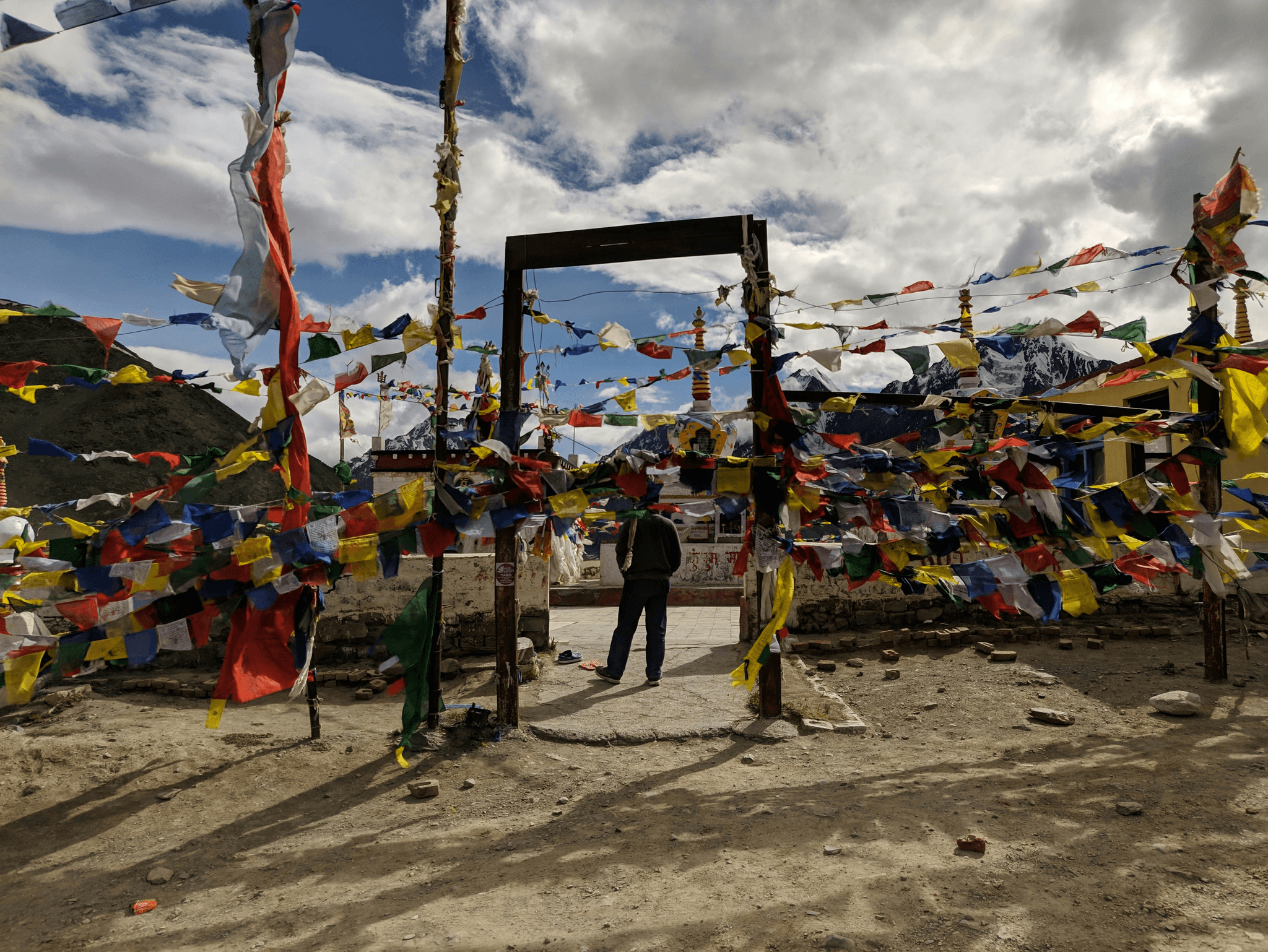
Tibet is home to some of the most breathtaking and spiritually significant structures in the world—the Tibetan stupas. These holy Tibetan stupas, also known as chortens, serve not only as places of worship but also as symbols of enlightenment and peace. In this section, we will explore three remarkable examples that stand out among the top 8 stupas in Tibet.
Swayambhunath Stupa Overview
Swayambhunath, often referred to as the Monkey Temple, is an iconic Tibetan stupa located atop a hill overlooking Kathmandu Valley. This ancient structure is a blend of Hindu and Buddhist traditions, making it a unique cultural landmark. The stupa structure features a large dome topped with a golden spire adorned with eyes that symbolize wisdom and compassion—an essential aspect of Tibetan Buddhist philosophy.
Visitors are drawn to Swayambhunath for its vibrant atmosphere filled with prayer flags fluttering in the wind and monks engaging in daily rituals. As one navigates the winding paths leading up to this holy site, they can observe local devotees performing kora (circumambulation) while offering prayers and prostrations. This experience not only connects visitors with Tibetan culture but also provides insight into the profound spiritual significance behind each tibetan chorten.
Boudhanath: A Cultural Hub
Boudhanath Stupa is one of the largest and most revered tibetan buddhist stupas in Nepal, just outside Kathmandu’s bustling city center. It stands at an impressive height and boasts an intricate design that captivates all who visit. As you approach this magnificent structure, you’ll be greeted by colorful prayer flags and a lively atmosphere filled with shops selling traditional handicrafts—a true cultural hub.
This sacred site attracts pilgrims from all around the world who come to perform rituals and offerings at its base. The sheer scale of Boudhanath makes it one of the best places to visit stupas in Tibet for those seeking both spiritual solace and cultural enrichment. Here, visitors can witness monks chanting prayers while spinning prayer wheels—an experience that allows for deep reflection on one’s journey through life.
Kumbum Stupa: A Pilgrimage Site
Kumbum Stupa is another must-visit destination among the top 8 stupas in Tibet; it holds immense significance for pilgrims traveling throughout the region. Located near Gyantse, Kumbum features an extraordinary architectural design that showcases numerous chapels filled with stunning murals depicting various deities from Tibetan Buddhism. Its stupa structure is distinctively layered, symbolizing different levels of enlightenment—a visual representation of one’s spiritual journey.
As you explore Kumbum’s intricate passages lined with statues and frescoes, you’ll find yourself immersed in centuries-old traditions that continue to thrive today. Pilgrims flock here not only for its aesthetic beauty but also for its deep-rooted spirituality—a perfect example of how tibetan chorten serve as conduits between believers and their faith. This site provides an unparalleled opportunity to connect with Tibetan culture while witnessing devout practices firsthand.
Best Places to Visit Stupas in Tibet
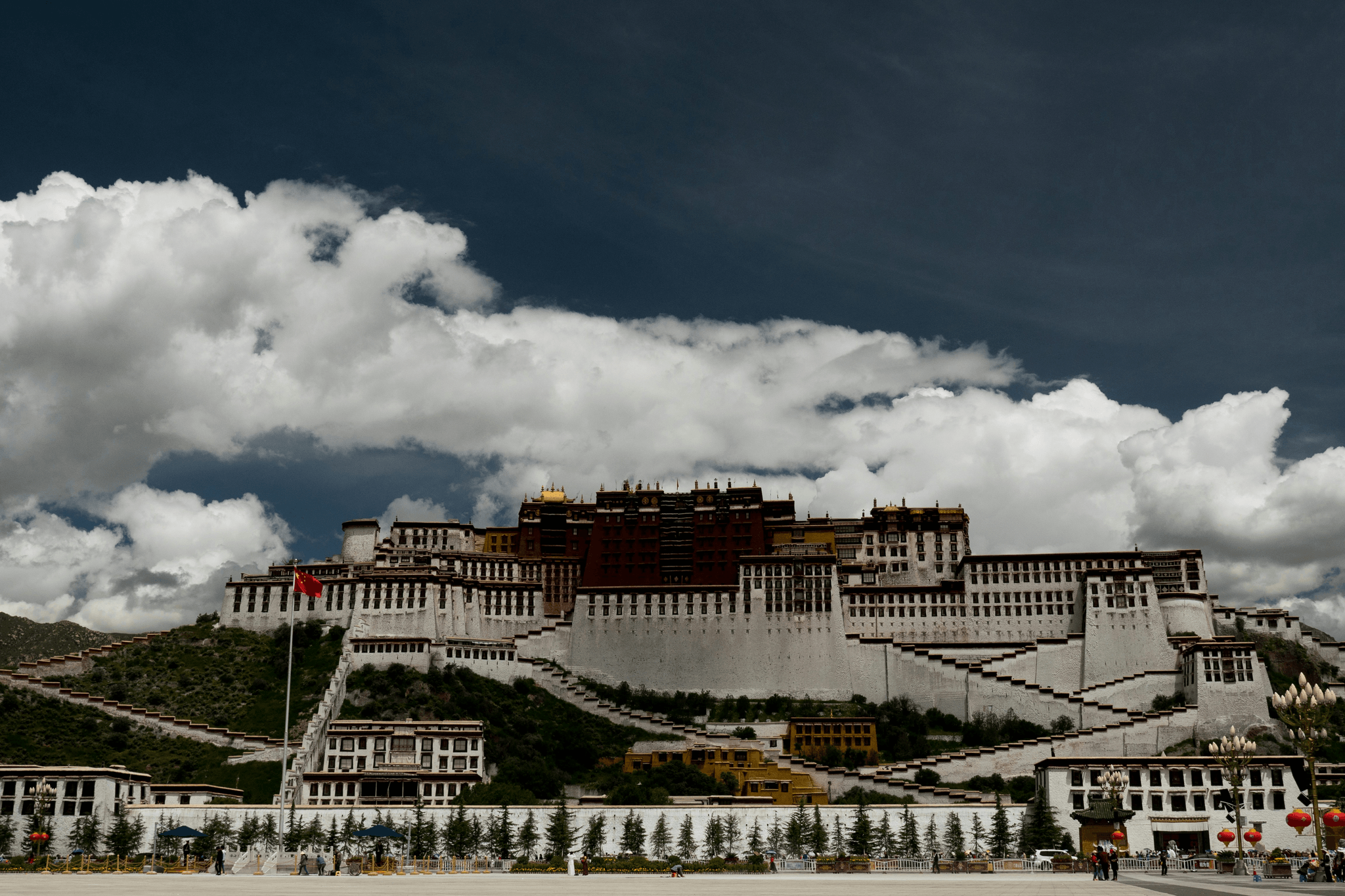
When it comes to exploring the best places to visit stupas in Tibet, the journey is nothing short of magical. Each Tibetan stupa, or chorten, is steeped in rich history and spiritual significance, making them essential stops for any traveler. From iconic temples to serene monasteries, these holy sites offer a glimpse into the heart of Tibetan Buddhism.
Lhasa’s Iconic Jokhang Temple
Nestled in the heart of Lhasa, the Jokhang Temple stands as a beacon of Tibetan spirituality and culture. This sacred site houses a revered Holy Tibetan Stupa that draws pilgrims from across Tibet and beyond. The stupa structure here is not just an architectural marvel; it embodies centuries of devotion and artistic expression within Tibetan Buddhism.
Visitors often find themselves captivated by the intricate details of the temple’s design and its bustling atmosphere filled with chanting monks and devoted practitioners. The Jokhang Temple is also surrounded by vibrant markets where you can immerse yourself in local traditions while picking up unique souvenirs. A visit here offers a perfect blend of spiritual enlightenment and cultural exploration—truly one of the top 8 stupas in Tibet you must experience.
The Potala Palace Stupa
Rising majestically above Lhasa, the Potala Palace is an iconic symbol of Tibetan heritage and history. Within its walls lies a prominent Tibetan Buddhist stupa that showcases exquisite craftsmanship alongside profound spiritual significance. This breathtaking structure serves as both a mausoleum for past Dalai Lamas and an architectural masterpiece that attracts countless visitors each year.
As you ascend through this historic palace, you’ll encounter stunning murals, statues, and artifacts that narrate tales from Tibet’s past. The panoramic views from its terraces are equally mesmerizing—offering a glimpse into both Lhasa’s landscape and its deep-rooted spirituality. Visiting this stupa is an unforgettable experience that highlights why it’s considered one of the best places to visit stupas in Tibet.
The Serene Mindroling Monastery
Located just outside Lhasa, Mindroling Monastery provides a tranquil escape into Tibetan culture away from bustling urban life. This monastery features an impressive Tibetan chorten that stands as a testament to traditional craftsmanship combined with modern artistry. Surrounded by lush landscapes, this holy site invites visitors to connect deeply with their inner selves through meditation practices offered on-site.
The serene atmosphere fosters reflection while exploring various chapels adorned with vibrant frescoes depicting Buddhist teachings and legends. Mindroling also serves as an active center for learning about advanced traditional medical techniques rooted in ancient practices—a fascinating aspect for those interested in holistic health approaches found within Tibetan culture. Truly one of the top 8 stupas in Tibet worth visiting!
The Role of GuideTibet in Your Stupa Experience
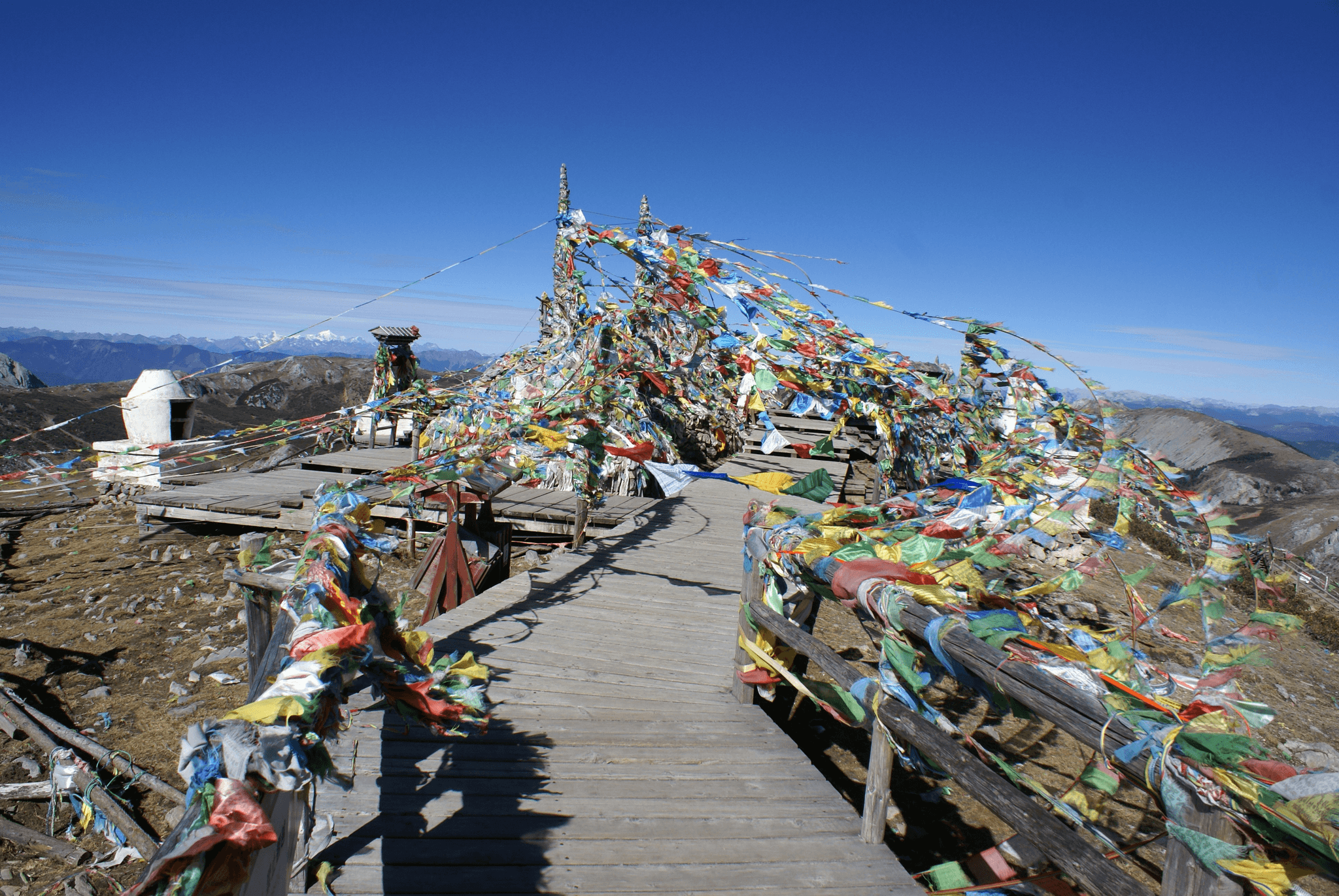
When it comes to exploring the sacred sites of Tibet, particularly the Holy Tibetan Stupa, GuideTibet is your ultimate partner in adventure. This locally based travel agency specializes in crafting personalized tours that cater to your interests and preferences. Whether you’re a history buff eager to learn about the stupa structure or a spiritual seeker wanting to connect with Tibetan Buddhism, they tailor every aspect of your journey.
Personalized Tours Tailored to You
GuideTibet understands that no two travelers are alike, especially when it comes to experiencing the top 8 stupas in Tibet. By customizing itineraries based on your desires—be it visiting iconic Tibetan chortens or lesser-known gems—you’ll find an experience that resonates with you deeply. Their local guides take pride in creating unique adventures that highlight not just the best places to visit stupas in Tibet but also immerse you in authentic cultural experiences.
Insights from Local Guides
One of the greatest advantages of choosing GuideTibet is their knowledgeable local guides who provide invaluable insights into each Tibetan Buddhist stupa you visit. These experts share stories and traditions passed down through generations, enriching your understanding of not just the stupa structure but also its spiritual significance within Tibetan culture. With their guidance, you’ll gain a deeper appreciation for these architectural marvels and what they represent for practitioners of Tibetan Buddhism.
Embrace the Highland Lifestyle
Exploring Tibet isn’t just about visiting sites; it’s about embracing a lifestyle steeped in rich culture and tradition. With GuideTibet, you’ll have opportunities to engage with local communities and discover ancient practices like traditional medicine and mineral painting techniques that have stood the test of time. This immersive experience allows you to connect authentically with both the land and its people while exploring some of the best places to visit stupas in Tibet.
Conclusion
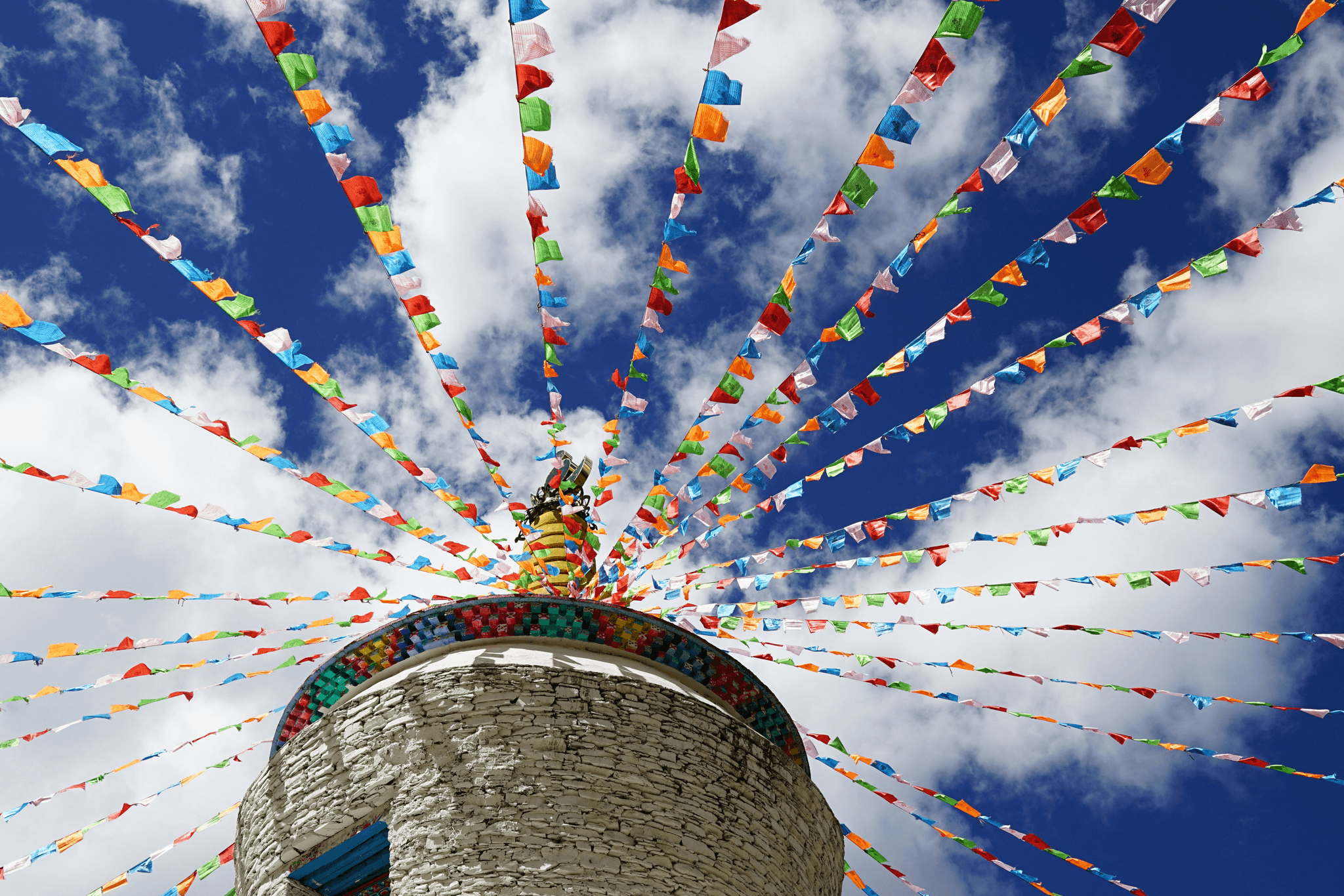
As your journey through the sacred landscape of Tibet comes to a close, it’s time to reflect on the profound experiences you’ve had at the Holy Tibetan Stupas. Each Tibetan stupa, with its unique stupa structure and rich symbolism, offers insights into the spiritual world of Tibetan Buddhism. The memories of rituals, meditations, and breathtaking architecture will linger long after your visit.
Reflecting on Your Stupa Journey
Reflecting on your stupa journey allows you to appreciate the deep-rooted traditions that surround these holy sites. Each Tibetan chorten serves as a reminder of the interconnectedness of life and spirituality, inviting visitors to explore their own beliefs and practices. Whether it was standing in awe before a famous example or participating in local rituals, these moments create lasting impressions that resonate within.
Embracing Tibetan Culture and Traditions
Embracing Tibetan culture means immersing yourself in customs that have thrived for centuries around these sacred structures. The top 8 stupas in Tibet not only showcase architectural marvels but also embody stories of devotion and resilience. Engaging with local communities enriches your understanding of their way of life—an experience that transcends mere sightseeing.
Planning Your Visit to Tibet’s Sacred Sites
Planning your visit to Tibet’s sacred sites is essential for making the most out of your adventure among these spiritual landmarks. Consider reaching out to GuideTibet for personalized tours tailored specifically to your interests—whether it’s exploring renowned stupas or discovering hidden gems off the beaten path. With knowledgeable guides fluent in English, you’ll gain deeper insights into each Tibetan Buddhist stupa you encounter while embracing the rich tapestry of highland lifestyle.