
Introduction
Tibet, often referred to as the Roof of the World, is a land steeped in mystery and allure. This unique region, nestled high in the Himalayas, offers a rich tapestry of culture, spirituality, and stunning landscapes that beckon travelers from around the globe. Whether you’re curious about what Tibet is famous for or eager to explore its breathtaking vistas, this journey promises to unveil the heart of Tibet.
Discovering the Heart of Tibet
When we ask ourselves what is Tibet known for?, we uncover a treasure trove of experiences that go beyond its majestic mountains and ancient monasteries. The essence of Tibetan culture lies in its profound spirituality and deep-rooted traditions that have flourished for centuries. From vibrant festivals celebrating age-old customs to serene moments spent in meditation at sacred sites, discovering Tibet feels like stepping into another world.
The Mystique of Tibetan Culture
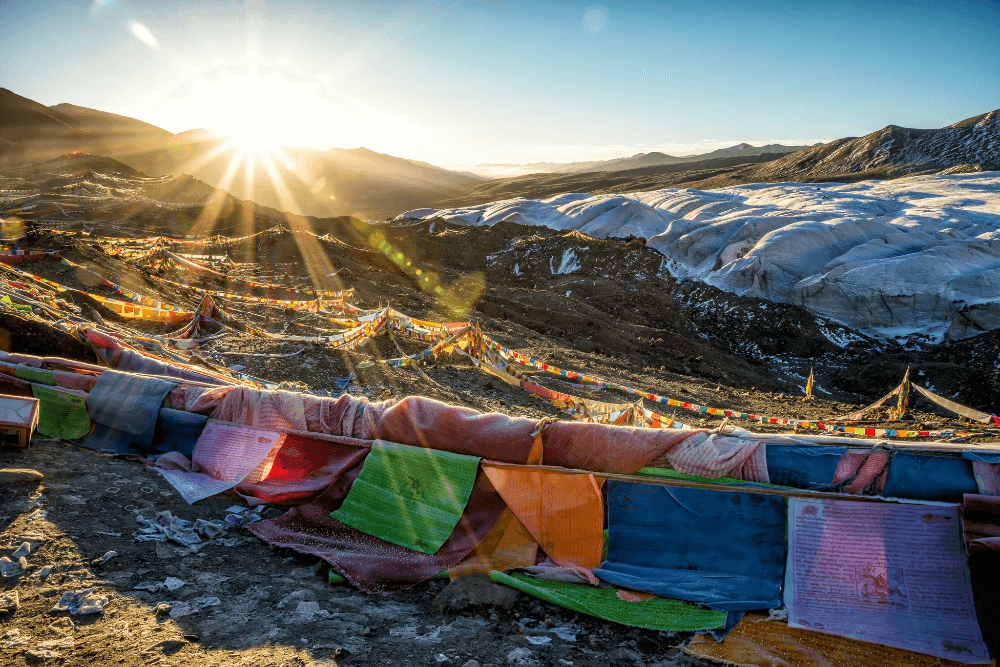
The mystique surrounding Tibetan culture captivates those who venture into this enchanting land. Rich Buddhist heritage and unique traditions define what is Tibet famous for; they are woven into the very fabric of daily life here. With colorful prayer flags fluttering against a backdrop of snow-capped peaks and monks chanting in ancient monasteries, it’s impossible not to be drawn into the spiritual depth that permeates every corner of this region.
Breathtaking Landscapes of Tibet
One cannot discuss what’s special in Tibet without mentioning its awe-inspiring landscapes that stretch as far as the eye can see. From towering peaks like Mount Everest to serene lakes shimmering under clear blue skies, nature’s artistry takes center stage here. These breathtaking vistas not only showcase what is Tibet rich in—natural beauty—but also invite adventurers and seekers alike to explore this remarkable plateau where earth meets sky.
What is Tibet Famous For?
Tibet is a land steeped in mystique, renowned for its stunning landscapes, rich cultural heritage, and spiritual significance. When pondering what is Tibet famous for, one cannot overlook the iconic landmarks and experiences that draw travelers from around the globe. From majestic palaces to towering mountains, Tibet offers a unique blend of adventure and tranquility that captivates all who visit.
Potala Palace: A UNESCO Treasure
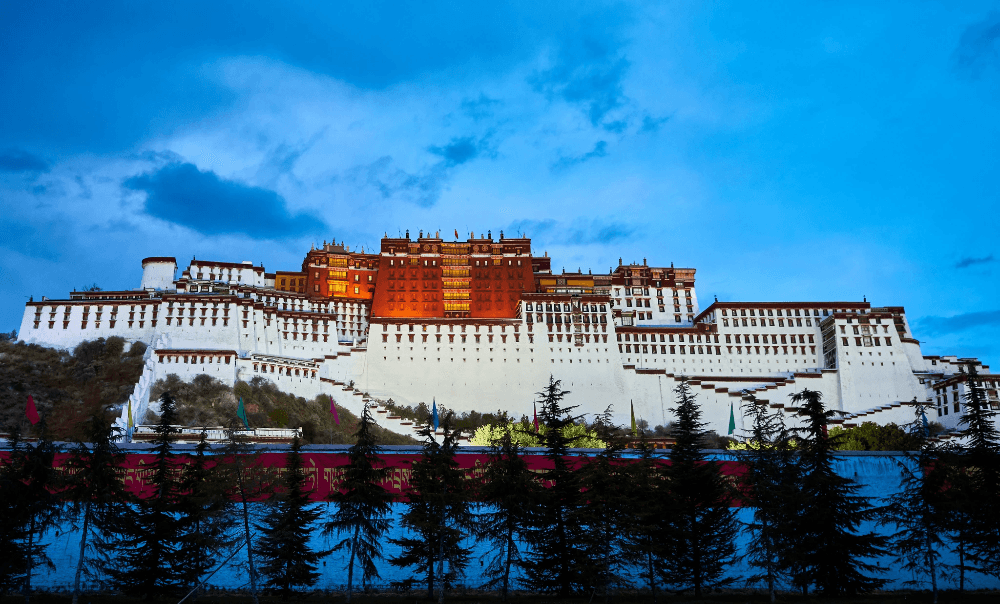
The Potala Palace stands as a symbol of Tibetan culture and history, making it a must-visit attraction when considering what is the Tibet known for. Perched high on Red Mountain in Lhasa, this architectural marvel was once the winter residence of the Dalai Lama and showcases intricate designs and stunning murals that reflect centuries of Buddhist artistry. As a UNESCO World Heritage Site, it not only represents the pinnacle of Tibetan architecture but also serves as a testament to the region’s rich spiritual heritage.
Visitors often find themselves awestruck by its grand scale and historical significance; wandering through its halls feels like stepping back in time. The palace offers breathtaking views of Lhasa and surrounding mountains, adding to its allure as one of Tibet’s most famous landmarks. If you’re curious about what’s special in Tibet, experiencing Potala Palace firsthand is an absolute must!
Mount Everest: The Pinnacle of Adventure
When it comes to adventure seekers pondering what is Tibet famous for, Mount Everest undoubtedly tops the list. Known as Chomolungma in Tibetan, this towering giant attracts climbers from around the world eager to conquer its formidable heights. The journey to Everest Base Camp offers breathtaking scenery that includes glacial lakes and rugged terrain—a true paradise for nature lovers.
The allure of standing at such an iconic peak cannot be overstated; it’s not just about reaching new heights but also embracing the spirit of exploration inherent in Tibetan culture. Trekking through this remote region provides insights into local customs while showcasing why Tibet is rich in natural wonders and biodiversity. Whether you’re scaling peaks or simply soaking up panoramic views from afar, Mount Everest embodies everything adventurous souls seek when they ask why is Tibet so important to China.
Lhasa: Spiritual Hub of the Region
Lhasa serves as the spiritual heart of Tibet and plays an essential role in understanding what is tibet famous for beyond its physical landmarks. This ancient city brims with monasteries like Jokhang Temple—considered one of Buddhism’s holiest sites—where pilgrims come from far and wide to pay their respects. Walking through Lhasa’s bustling streets filled with prayer flags creates an atmosphere steeped in spirituality that enchants visitors.
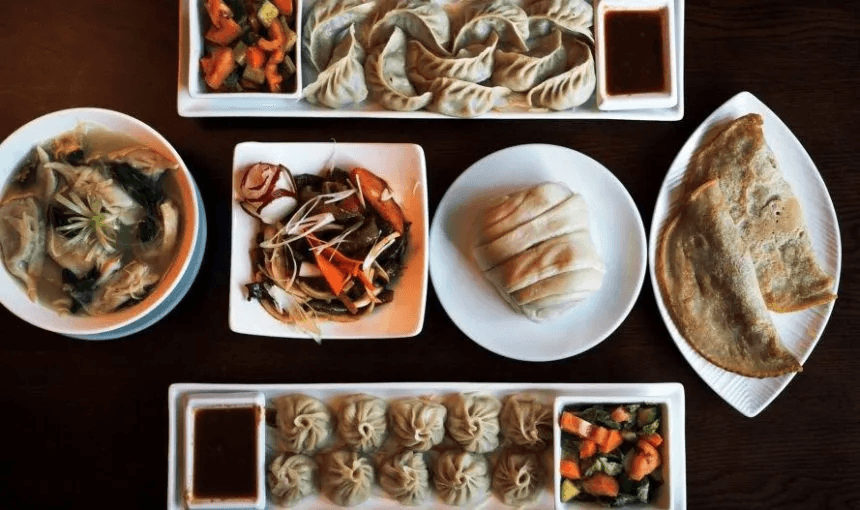
As you explore Lhasa’s vibrant markets offering traditional handicrafts and delicious tibet famous food such as momos (dumplings) or thukpa (noodle soup), you’ll quickly grasp why this city holds such significance within Tibetan culture. The blend of ancient traditions with contemporary life makes Lhasa truly special; it’s where past meets present seamlessly while showcasing why many believe that understanding what is tibet known for requires immersing oneself fully into this dynamic cityscape.
What is Tibet Known For?

Tibet is renowned for its rich cultural tapestry woven from centuries of Buddhist heritage, vibrant festivals, and exquisite arts. When exploring what Tibet is famous for, one cannot overlook the spiritual significance that permeates every corner of this majestic region. From stunning monasteries to colorful celebrations, Tibet offers a unique glimpse into a world where tradition and spirituality thrive.
Rich Buddhist Heritage and Monasteries
At the heart of Tibetan culture lies its profound Buddhist heritage, which shapes not only the spiritual landscape but also daily life in the region. With over 1,500 monasteries scattered across the rugged terrain, many travelers wonder what is Tibet known for beyond its breathtaking views. These sacred sites serve as centers of learning and meditation, housing intricate murals and ancient texts that tell stories of enlightenment and compassion.
Visitors often find themselves captivated by places like the Jokhang Temple in Lhasa or the ancient Samye Monastery. These iconic structures are not just architectural wonders; they are living testaments to centuries of devotion and practice. As you explore these hallowed halls, you’ll gain insight into why Tibet holds such an important place in the hearts of Buddhists worldwide.
Unique Tibetan Festivals and Traditions
Tibetan festivals offer a kaleidoscope of colors, sounds, and flavors that showcase what’s special in Tibet beyond its landscapes. Events like Losar (Tibetan New Year) or Saga Dawa provide visitors with an immersive experience into local customs filled with joy and reverence. During these celebrations, you’ll witness traditional dances, music performances, and even partake in delicious Tibetan food that reflects centuries-old recipes passed down through generations.
These festivals not only mark significant religious occasions but also serve as a time for communities to come together in celebration of their shared identity. The vibrant costumes worn during these events are as much a feast for the eyes as they are an expression of cultural pride—each thread telling a story steeped in history. If you’re curious about why Tibet is so important to China culturally, these traditions play a significant role in preserving Tibetan identity amidst modernization.
Ancient Arts: Thanka Painting and Carpets
When it comes to artistic expression, Tibet’s ancient arts are nothing short of mesmerizing—particularly Thanka paintings and traditional carpets which exemplify what is Tibet rich in creatively speaking. Thanka art involves intricate scroll paintings depicting Buddhist deities or mandalas that reflect deep philosophical meanings; each brushstroke resonates with spiritual significance while showcasing exceptional craftsmanship. Visitors often marvel at how these artworks not only adorn walls but also serve as tools for meditation.
Tibetan carpets are another treasure worth mentioning; handwoven using techniques passed down through generations, they feature vibrant colors and patterns inspired by nature and spirituality alike. Whether you’re seeking souvenirs or simply want to appreciate craftsmanship at its finest, exploring these art forms will give you insight into what makes Tibetan culture unique on so many levels. It’s clear that both Thanka painting and carpet weaving contribute richly to understanding what is Tibet known for today.
What’s Special in Tibet?
Tibet is a land of unique experiences, rich traditions, and vibrant culture that sets it apart from the rest of the world. When exploring what is Tibet famous for, one can’t overlook its tantalizing cuisine, ancient healing practices, and exquisite handicrafts. These elements not only showcase the essence of Tibetan life but also contribute to the region’s allure as a travel destination.
Tibetan Cuisine: A Culinary Adventure
Tibetan cuisine offers a delightful journey into flavors that are as diverse as its breathtaking landscapes. What is Tibet known for in terms of food? Well, dishes like momos (steamed dumplings), thukpa (noodle soup), and buttery yak milk tea are just the tip of the iceberg! Each meal is an adventure filled with hearty ingredients tailored to withstand high altitudes and cold climates, making Tibetan food both delicious and practical.
The use of spices and local ingredients creates distinct flavors that reflect Tibetan culture’s deep connection to nature and tradition. For those wondering about Tibet famous food, don’t miss out on trying tsampa—a roasted barley flour staple enjoyed by many locals. This culinary adventure is not just about eating; it’s about experiencing the very heart of Tibetan hospitality.
Traditional Medicine: Healing Practices
Traditional Tibetan medicine stands out as a holistic approach to health that has been practiced for centuries. Drawing on Buddhist philosophy and natural remedies, this ancient system focuses on balancing body, mind, and spirit—what’s special in Tibet indeed! Practitioners use herbs, minerals, and animal products to create personalized treatments aimed at promoting overall well-being.
This practice emphasizes prevention over cure, making it an integral part of daily life for many Tibetans. Those curious about why is Tibet so important to China may find that this rich medical heritage contributes significantly to cultural identity and preservation efforts in the region. Exploring traditional medicine offers visitors insight into how deeply interconnected health practices are with Tibetan spirituality.
Local Handicrafts: Treasures from the Plateau
When wandering through local markets or visiting artisan workshops in Tibet, you’ll encounter a treasure trove of handicrafts that tell stories steeped in history. From intricate thanka paintings depicting Buddhist teachings to beautifully woven carpets showcasing vibrant patterns—these crafts reflect what is Tibet famous for beyond its natural beauty! Each piece embodies meticulous craftsmanship passed down through generations.
These local handicrafts not only serve as stunning souvenirs but also support sustainable livelihoods within communities across the plateau. For travelers eager to understand what is Tibet known for culturally, engaging with artisans provides a unique glimpse into their lifestyles while helping preserve these timeless traditions. So whether you’re buying a hand-knitted scarf or an ornate prayer wheel, you’re taking home more than just a gift; you’re carrying a piece of Tibetan culture with you.
Why is Tibet So Important to China?
Tibet holds a unique and complex position within the broader context of China, marked by its rich cultural heritage and strategic significance. Understanding why Tibet is so important to China involves exploring its geopolitical resources, cultural integration efforts, and the ongoing economic development in the region. Each of these aspects underscores the multifaceted nature of Tibet’s importance not only to China but also to global observers interested in this enigmatic region.
Geopolitical Significance and Resources
Tibet is renowned for its vast natural resources, including minerals, water reserves, and energy potential. This makes it a critical area for China’s strategic interests as it seeks to secure energy independence and resource management. Additionally, Tibet’s geographical location acts as a buffer zone with neighboring countries like India and Nepal, further enhancing its geopolitical significance.
The question What is Tibet famous for? often brings up its breathtaking landscapes; however, beneath these mountains lie valuable resources that attract both national attention and international interest. The Tibetan Plateau serves as a vital water source for major rivers in Asia, making it crucial not just for local ecosystems but also for millions of people downstream. Consequently, understanding why Tibet is so important to China involves recognizing how these resources play into larger national strategies.
Cultural Integration and Preservation Efforts
Cultural integration has been a significant focus in China’s approach to managing Tibetan affairs. The government promotes initiatives aimed at preserving Tibetan culture while simultaneously encouraging assimilation into the broader Chinese identity. This dual approach raises questions about what is the Tibet known for—its rich Buddhist heritage or its evolving cultural landscape under Chinese influence?
Efforts such as supporting local festivals or promoting traditional arts highlight an attempt at balancing preservation with integration; however, this balance remains delicate. Unique Tibetan festivals are celebrated across the region that showcase vibrant traditions while fostering community spirit among diverse ethnic groups residing within Tibet today. As such, understanding what’s special in Tibet involves appreciating both its ancient customs and contemporary adaptations influenced by state policies.
Economic Development in the Tibetan Region
Economic development has become a priority in recent years as China aims to uplift living standards across all regions, including Tibet. Infrastructure projects like roads and railways have transformed accessibility while opening up new avenues for tourism—a sector that capitalizes on what is Tibet famous for: stunning landscapes and spiritual experiences alike!
Moreover, initiatives designed to promote local industries have led many residents toward entrepreneurship opportunities tied closely to their cultural heritage—think traditional handicrafts or even popular Tibetan cuisine (yes, we’re talking about those delicious momos!). However, alongside these economic advancements comes scrutiny regarding whether they genuinely benefit local communities or primarily serve external interests.
In summary, understanding why Tibet is so important to China requires delving into its geopolitical significance enriched by abundant resources while navigating complex cultural dynamics that shape life on this enchanting plateau today.
What is Tibet Rich In?
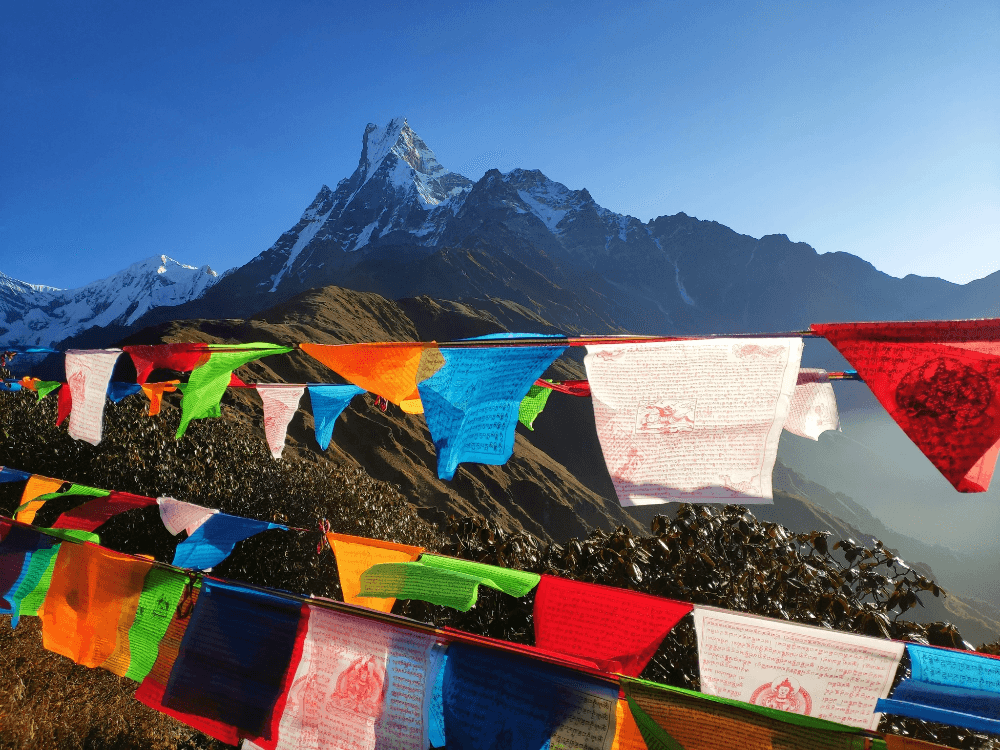
Tibet is a land of incredible wealth, not in the conventional sense of currency, but rich in natural beauty, cultural diversity, and spiritual significance. This unique plateau is a treasure trove of experiences that go beyond what is Tibet famous for or what is the Tibet known for. Exploring these riches offers an enlightening glimpse into why this region captivates so many hearts and minds.
Natural Wonders and Biodiversity
When it comes to natural wonders, Tibet truly stands out as one of the most breathtaking regions on Earth. From the majestic peaks of the Himalayas to the serene beauty of its high-altitude lakes, Tibet’s landscapes are nothing short of spectacular. The biodiversity here includes rare species such as the Tibetan antelope and snow leopard, making it a hotspot for nature lovers eager to discover what’s special in Tibet.
Moreover, these natural treasures are complemented by unique ecosystems that support both plant and animal life found nowhere else on the planet. This richness in biodiversity not only contributes to what makes Tibet famous but also emphasizes why it’s crucial to protect these environments amidst growing global concerns over climate change. In essence, when you ask what is Tibet rich in? The answer undoubtedly includes its unparalleled natural wonders.
Cultural Diversity: Ethnic Groups and Languages
Tibet’s cultural landscape is just as diverse as its geography; it’s home to various ethnic groups each with their own languages, customs, and traditions. The Tibetan people primarily identify with their distinct culture while also coexisting with other ethnic minorities like Han Chinese, Hui Muslims, and others who contribute to this vibrant tapestry. This cultural richness answers questions about what is the Tibet known for? It’s not just about stunning views; it’s about a melting pot of traditions.
Languages spoken range from Tibetan dialects to Mandarin Chinese, showcasing this fascinating blend of heritage that can leave visitors enchanted by local interactions. Festivals throughout the year provide colorful displays of music, dance, and food—especially when you consider some delicious Tibetan cuisine or Tibet famous food like momos or thukpa! This cultural diversity adds layers to understanding why is Tibet so important to China beyond just geographical boundaries.
Spiritual Resources: Sacred Sites and Pilgrimages
Tibet’s spiritual landscape offers some of the richest resources for seekers worldwide; it’s often referred to as the roof of the world due to its profound religious significance. Sacred sites like Mount Kailash attract pilgrims from various faiths who believe that circumambulating this peak can cleanse one’s sins—an experience that speaks volumes about what makes Tibet famous spiritually speaking! Furthermore, monasteries dotting the region serve not only as places for worship but also as centers for learning ancient Buddhist teachings.
The pilgrimage routes themselves are a testament to how deeply intertwined spirituality is with daily life in this region—drawing thousands annually who seek enlightenment or simply wish to explore sacred spaces steeped in history. Understanding these spiritual resources helps one appreciate why many regard Tibetan culture as essential not just locally but globally too! So when considering what is Tibet rich in? Don’t overlook its deep reservoir of spiritual heritage waiting for exploration.
Conclusion
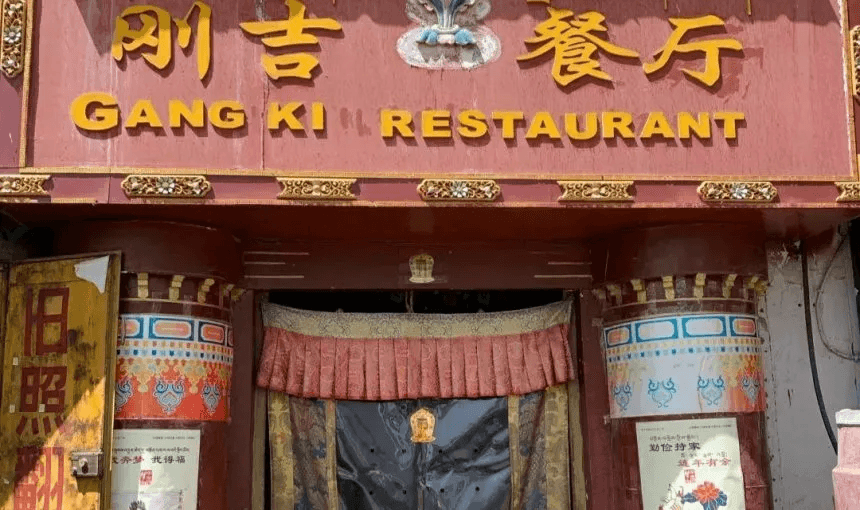
Tibet is a land steeped in rich cultural significance, breathtaking landscapes, and spiritual depth. Understanding Tibet’s cultural significance means appreciating its profound history and the unique traditions that have flourished over centuries. From its iconic monasteries to its vibrant festivals, what is Tibet famous for extends far beyond just its picturesque views; it embodies a way of life that resonates with many.
Understanding Tibet’s Cultural Significance
When we ponder what is the Tibet known for, we often find ourselves drawn to its incredible Buddhist heritage. The region’s monasteries are not just architectural marvels but also centers of learning and spiritual practice that reflect the essence of Tibetan Buddhism. This rich tapestry of culture is further enhanced by unique traditions and festivals that celebrate community and spirituality, making Tibet a treasure trove of cultural significance.
Embracing the Natural Beauty of Tibet
What’s special in Tibet isn’t merely confined to its culture; the natural beauty is equally captivating. Towering mountains, vast plateaus, and pristine lakes create an otherworldly landscape that invites exploration and reflection. As you travel through this stunning terrain, you’ll understand why so many people find solace in its unspoiled nature—it’s a reminder of the planet’s raw beauty.
Exploring Tibet with GuideTibet: Your Local Experts
If you’re curious about why Tibet is so important to China or want to dive deeper into what is Tibet rich in, then look no further than GuideTibet for your journey. Our local experts will provide insights into Tibetan culture while ensuring you experience all that’s special in this remarkable region—from tasting authentic Tibetan cuisine (yes, we’re talking about those delicious momos!) to exploring sacred sites on pilgrimages. So whether you’re asking what is tibet famous for or simply looking for an unforgettable adventure, let us be your guide!


