Introduction
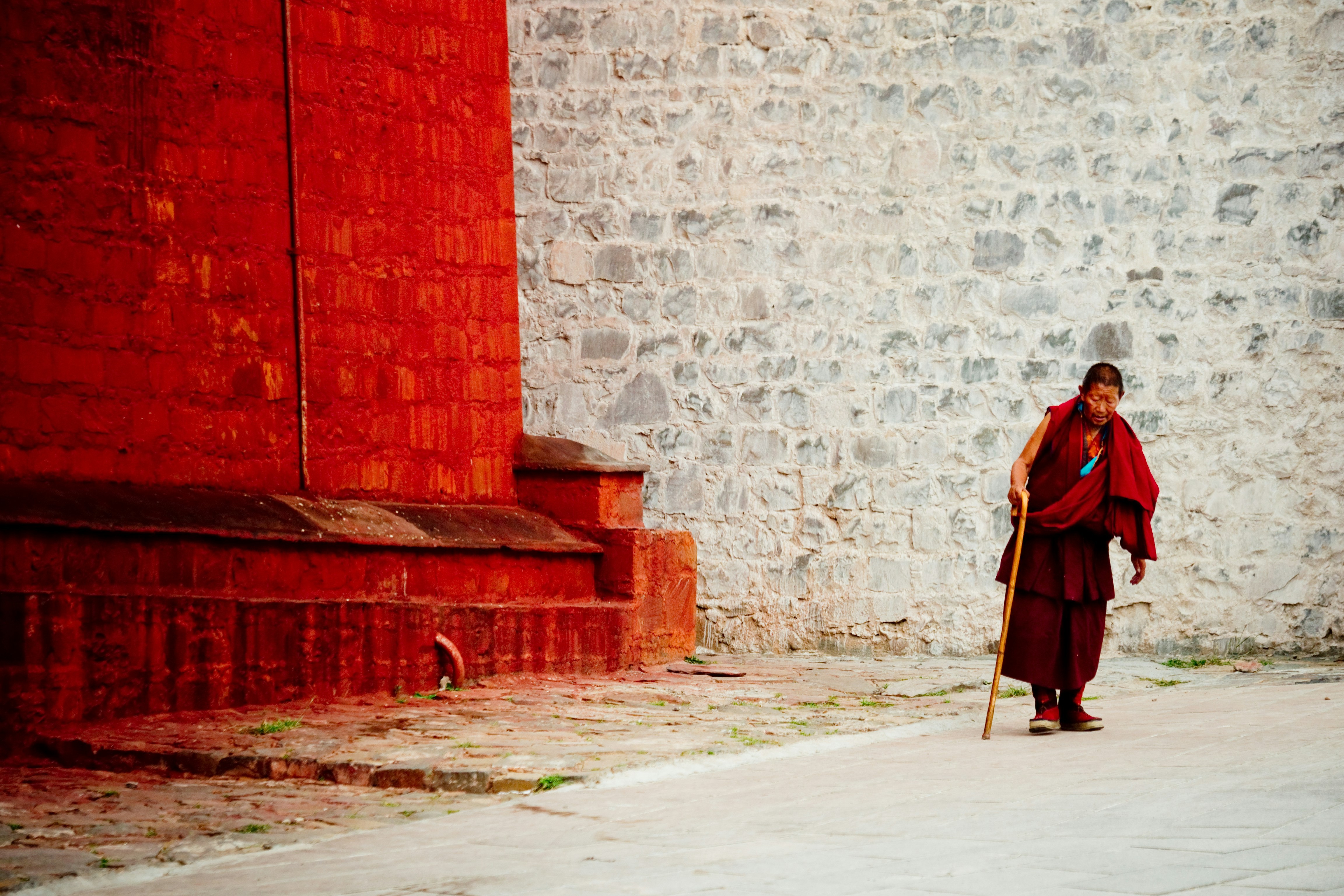
The vibrant world of Buddhist robe colors is not just a feast for the eyes; it’s a tapestry woven with deep meanings and cultural significance. Each hue carries its own weight, inviting practitioners to reflect on their spiritual journey and the teachings of Buddhism. So, what are the different color robes in Buddhism? Let’s embark on this colorful exploration.
Explore the significance of robe colors
Robe colors in Buddhism serve as more than mere garments; they symbolize various aspects of monastic life and spiritual practice. From the serene elegance of saffron to the rich browns and reds, these colors can convey messages about humility, wisdom, and devotion. Understanding why certain colors are chosen allows us to appreciate their role in shaping a monk’s identity within their community.
Understand the symbolism behind color choices
In Buddhism, every color tells a story—what do different colors mean in Buddhism? For example, orange is often associated with enlightenment and renunciation, while white signifies purity and peace. By delving into these symbolic meanings, we can gain insights into how practitioners express their beliefs through their attire.
Discover the cultural context of Buddhist robes
Buddhist robes are not uniform across cultures; rather, they reflect local traditions and historical influences that shape what colour do Buddhists wear around the globe. In some regions, bright hues dominate while others prefer muted tones—each choice echoing unique cultural narratives within Buddhism. By examining this cultural context, we uncover a richer understanding of how robe colors contribute to both individual expression and communal identity.
The Spectrum of Buddhist Robe Colors
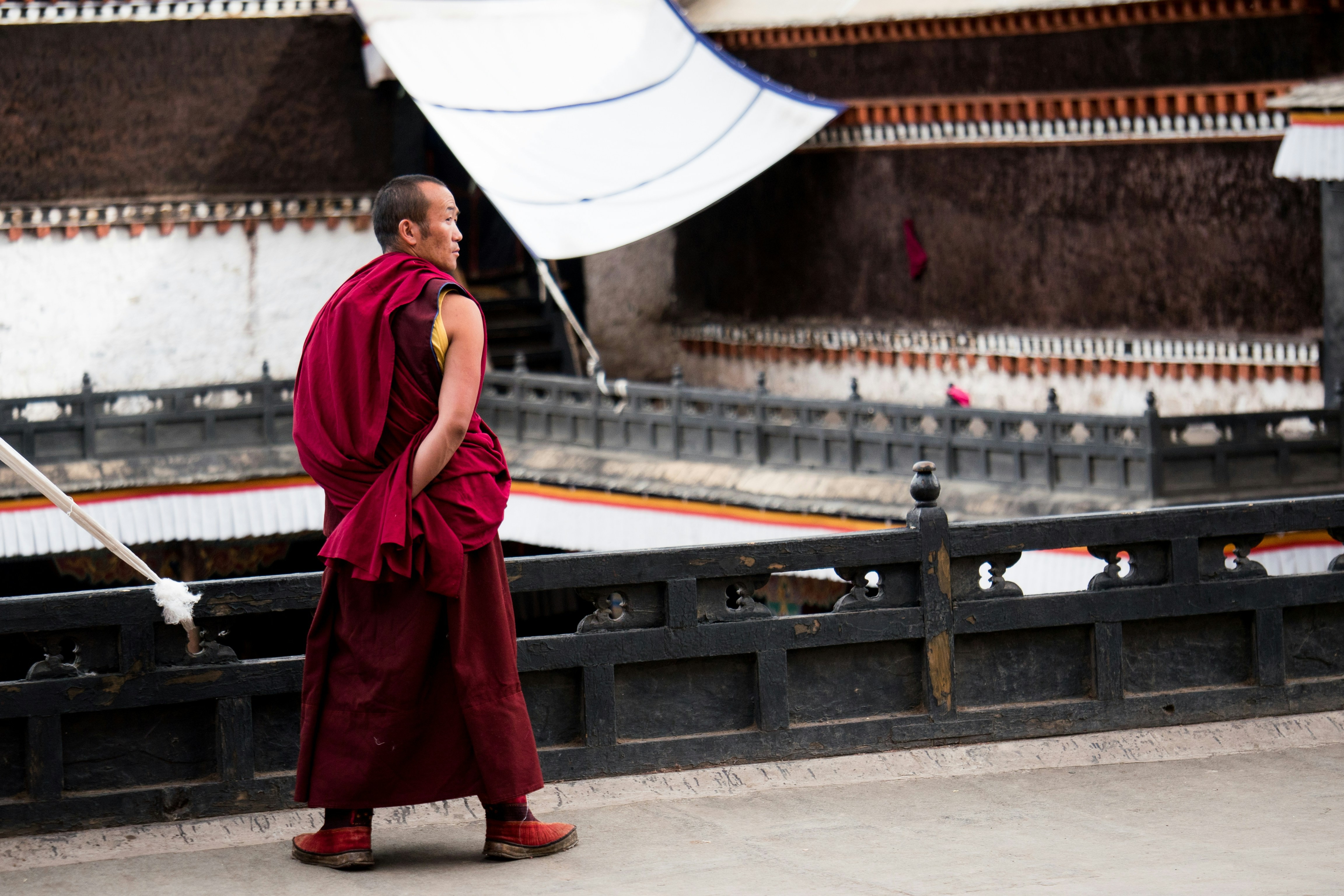
When it comes to Buddhist robe colors, the spectrum is as rich and varied as the teachings themselves. From vibrant oranges to deep maroons, each hue carries its own significance and cultural resonance. Understanding these different color robes in Buddhism can provide deeper insights into the beliefs, practices, and identities of monastic communities around the world.
What are the different color robes in Buddhism?
Buddhism showcases a fascinating array of robe colors that vary by region and tradition. Common shades include saffron or orange, which are often associated with Theravada monks, while Tibetan monks may wear maroon or red robes. These choices reflect not only aesthetic preferences but also deeper meanings tied to spiritual practice and community identity—what do different colors mean in Buddhism?
An overview of common Buddhist robe colors
Among the most recognizable is the iconic orange robe worn primarily by Theravada monks; this color symbolizes renunciation and simplicity. In contrast, Mahayana traditions often favor darker shades like brown or black for their robes, representing humility and introspection. Each of these common Buddhist robe colors serves a purpose beyond mere fashion; they are visual manifestations of spiritual ideals that guide practitioners on their paths.
Regional variations in robe colors
Buddhist robe colors also exhibit remarkable regional variations influenced by local customs and traditions. For instance, while saffron is prevalent in Southeast Asia, Tibetan monks typically don dark red or maroon robes that signify their lineage and teachings’ historical roots. This diversity raises an interesting question: what colour do Buddhists wear globally? The answer varies widely but always reflects a blend of cultural heritage and spiritual significance.
The Deep Meaning Behind the Colors
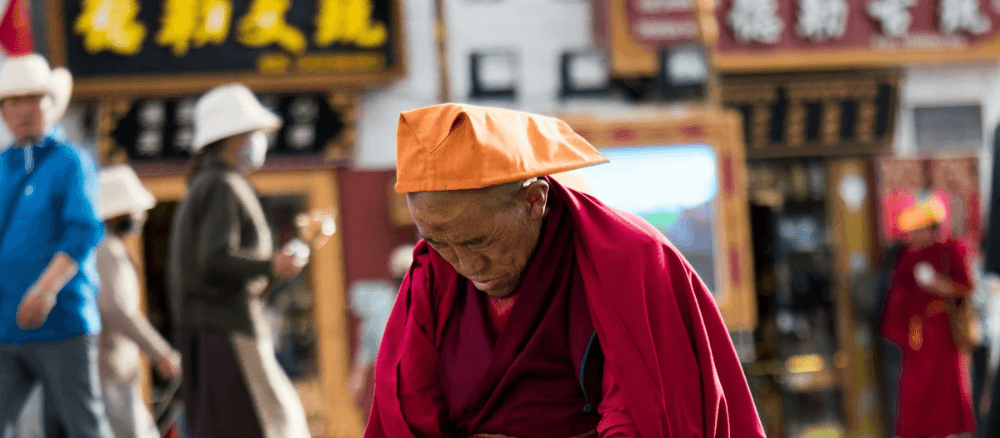
When it comes to Buddhist robe colors, each hue carries a profound significance that transcends mere aesthetics. These colors are not just for show; they embody deep spiritual meanings and reflect the values of Buddhism. Understanding what different colors mean in Buddhism can enhance one’s appreciation for these sacred garments and their role in monastic life.
What do different colors mean in Buddhism?
Buddhist robe colors vary widely, each representing distinct qualities and ideals within the faith. For instance, saffron or orange robes symbolize renunciation and simplicity, reflecting a monk’s commitment to a life free from material attachments. Other colors, like maroon or brown, often signify humility and earthiness, connecting practitioners to their spiritual roots while emphasizing their dedication to the path of enlightenment.
In addition to these common interpretations, some Buddhist traditions associate specific colors with particular teachings or attributes of the Buddha himself. For example, white robes are often worn during rituals symbolizing purity and meditation. By exploring what are the different color robes in Buddhism, one can gain insight into how practitioners express their beliefs through color choices.
The psychological impact of color in practice
Color is not just a visual experience; it also has a psychological impact that can influence mood and behavior during spiritual practices. In Buddhist settings, certain hues can evoke feelings of calmness or focus—essential elements for meditation and mindfulness practices. For example, warm tones like orange are believed to inspire enthusiasm and energy among practitioners.
Moreover, wearing specific Buddhist robe colors can create a sense of belonging within the community while reinforcing individual identity among monks and laypeople alike. By understanding how color affects our emotions and perceptions, one can appreciate why these choices matter so much in spiritual contexts—it’s not merely about tradition but also about fostering an environment conducive to growth.
Insights from Buddhist texts on colors
Buddhist texts offer rich insights into the significance of color choices throughout history. Many scriptures discuss how various shades correspond with virtues such as compassion (often represented by green) or wisdom (often depicted through blue). These texts serve as guidance for practitioners seeking deeper meaning behind their attire.
Additionally, historical accounts illustrate how monks’ choices regarding what colour do Buddhists wear have evolved over time due to cultural influences or local customs while still adhering to core principles outlined in sacred writings. This dynamic relationship between text and practice highlights that while traditions may shift geographically or culturally over time—the essence remains rooted in shared beliefs about enlightenment and moral conduct.
The Iconic Orange Robes

When we think of Buddhist robe colors, the vibrant orange robes often come to mind first. This striking hue has become synonymous with monastic life in many Buddhist traditions, particularly in Theravada Buddhism. But why are Buddhist robes orange? The answer lies in both practicality and symbolism, as this color serves a dual purpose: it is easily visible and represents renunciation and simplicity.
Why are Buddhist robes orange?
The choice of orange for Buddhist robes is rooted deeply in the historical practices of early monks who sought simplicity and humility. Traditionally, these monks would dye their robes using natural materials found in their surroundings, leading to the distinctive shades of orange that we see today. This color not only signifies a monk’s commitment to their spiritual path but also aligns with the teachings of Buddha regarding detachment from material possessions.
Historical significance of the color orange
Historically, the significance of orange extends beyond mere aesthetics; it symbolizes purity and enlightenment within Buddhism. The earliest followers of Buddha wore simple garments made from discarded cloth that was dyed using saffron or other natural pigments, resulting in various shades of orange. This practice not only reflects a monk’s renunciation but also serves as a reminder to practitioners about the transient nature of life—an important tenet within Buddhism.
Orange robes in contemporary Buddhist practice
In contemporary Buddhist practice, orange remains a powerful symbol among monastics around the world. While some regions have adopted different hues for their robes, such as maroon or yellow, many still uphold the tradition of wearing iconic orange robes as a mark of identity and commitment to their spiritual journey. These vibrant garments serve not just as attire but as living reminders for practitioners about what it means to embrace simplicity and mindfulness on their path toward enlightenment.
Color Choices and Monastic Identity
In the world of Buddhism, robe colors serve as more than mere fabric; they embody a complex tapestry of identity, hierarchy, and community. Each hue holds significance, reflecting the values and beliefs of its wearers. Understanding how these colors influence monastic identity can deepen our appreciation for the rich traditions that govern Buddhist practices.
How robe colors reflect monastic hierarchy
Buddhist robe colors are not randomly chosen; they often signify a monk’s rank within the monastic community. For example, higher-ranking monks may wear deeper shades or specific patterns that distinguish them from novices or lay practitioners. This color-coded system helps maintain order and respect within the monastery while also providing a visual representation of one’s spiritual journey.
Different Buddhist traditions have their own systems for categorizing these robe colors, which can vary widely across regions. In some cultures, such as in Thailand, vibrant saffron robes are worn by monks to symbolize their commitment to renunciation and discipline. In contrast, Tibetan monks might don maroon or red robes that signify different lineages and teachings within Tibetan Buddhism.
The role of color in defining community
The use of specific Buddhist robe colors fosters a sense of belonging among practitioners while simultaneously reinforcing communal values. When members wear similar shades—be it orange in Theravada communities or brown in some Mahayana sects—they visually unite under shared beliefs and practices. This collective identity strengthens bonds among practitioners and enhances the sense of purpose within the larger community.
Moreover, these color choices can create an environment conducive to meditation and mindfulness by establishing a shared aesthetic experience among devotees. When everyone around you wears similar hues, it cultivates an atmosphere ripe for spiritual growth and connection with others on similar paths. Thus, Buddhist robe colors play an essential role in shaping not just individual identities but also communal dynamics within monasteries.
Personal expression through color choices in robes
While many aspects of Buddhist practice emphasize uniformity through traditional robe colors, personal expression is still evident among practitioners who choose to modify their attire subtly. Some monks may opt for unique shades or patterns that reflect their personal journey or experiences while remaining respectful to their tradition’s guidelines regarding what color do Buddhists wear overall.
This degree of individuality can be particularly pronounced during special ceremonies or festivals when monks might wear additional adornments or variations on standard robes to express joy or gratitude more vividly. Such choices allow individuals to convey personal stories without straying too far from communal norms set by their respective traditions.
Ultimately, while Buddhist robe colors serve practical purposes related to hierarchy and community cohesion, they also provide space for individual expression—a beautiful balance between tradition and personal spirituality that enriches the broader tapestry of Buddhism.
A Global Perspective on Buddhist Robes
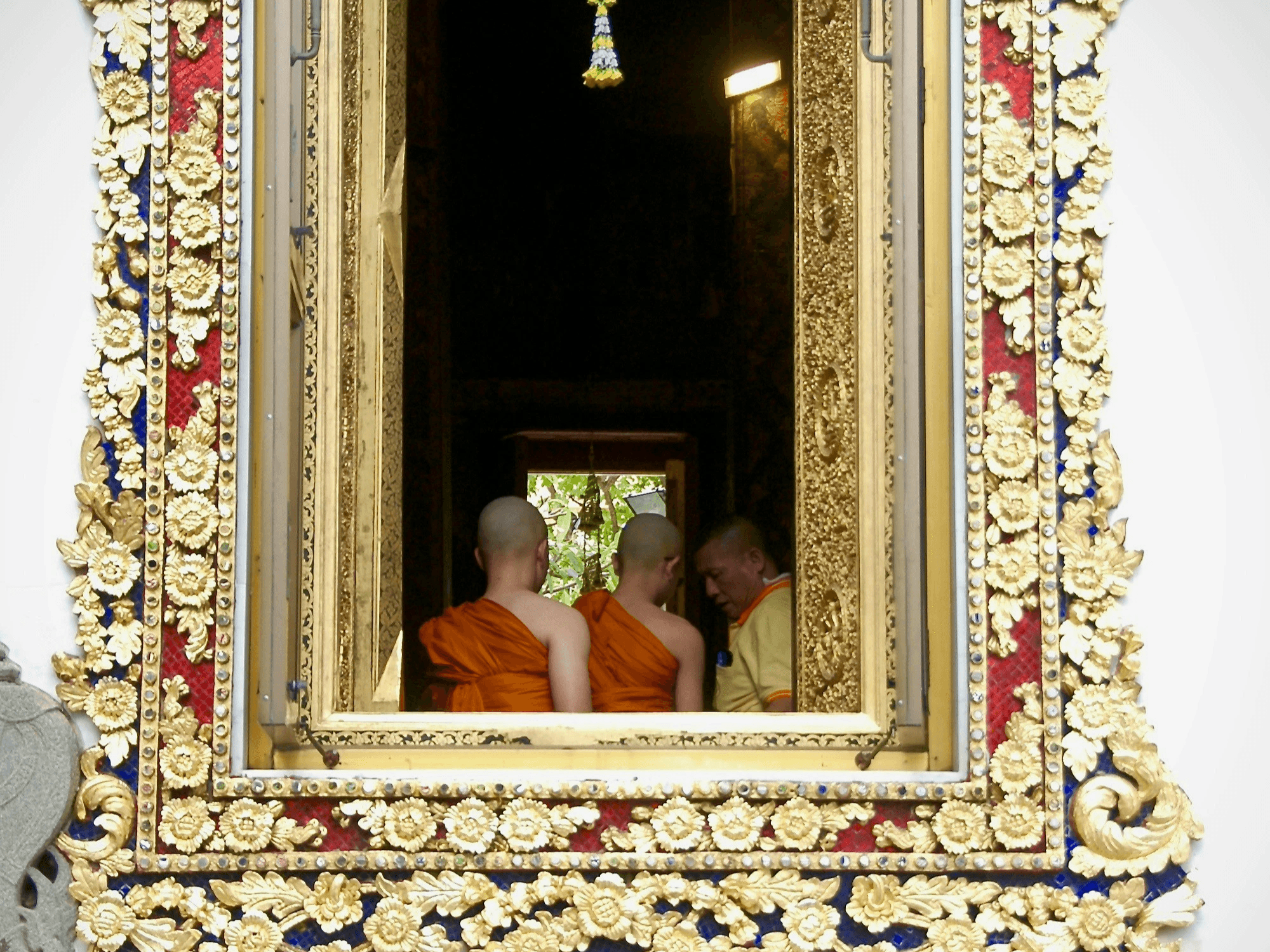
Buddhist robe colors are as diverse as the cultures that practice Buddhism itself. Across the globe, you’ll find a rich tapestry of hues that reflect local traditions and spiritual meanings. From saffron to maroon, each color serves a purpose and tells a story about the beliefs and practices of Buddhist communities worldwide.
What colour do Buddhists wear around the world?
When asking, What color do Buddhists wear? the answer can vary significantly depending on geographical location and cultural context. In Southeast Asia, for instance, monks typically don vibrant orange robes, while Tibetan monks may be seen in deep red or maroon garments. Meanwhile, in Japan, Zen practitioners often wear black or grey robes, showcasing a unique blend of simplicity and elegance that reflects their aesthetic values.
Differences in color symbolism across cultures
The meaning behind different Buddhist robe colors can shift dramatically from one culture to another. For example, while orange is associated with renunciation and humility in Theravada Buddhism, it may symbolize compassion and wisdom in Tibetan traditions. This divergence illustrates how local beliefs intertwine with broader Buddhist teachings—what do different colors mean in Buddhism? The answer often lies within specific cultural narratives that shape interpretations of these hues.
The influence of local traditions on robe colors
Local customs play an essential role in determining Buddhist robe colors; they are not merely uniform garments but also expressions of regional identity and heritage. For instance, some countries incorporate traditional fabrics or patterns into their robes while maintaining adherence to core Buddhist principles—this fusion creates a unique visual language within each community’s attire. In this way, the question What are the different color robes in Buddhism? reveals not just variations but also connections between spirituality and culture.
Conclusion
In the tapestry of Buddhism, robe colors serve as a vibrant thread, weaving together cultural significance, spiritual symbolism, and monastic identity. The exploration of Buddhist robe colors reveals not only their aesthetic appeal but also their deep-rooted meanings and historical contexts. As we conclude our journey through the spectrum of robes, it becomes clear that these colors play a crucial role in shaping both individual and collective experiences within the Buddhist community.
The lasting impact of robe colors in Buddhism
Buddhist robe colors have transcended mere fashion statements to become symbols of tradition and devotion. From saffron orange to deep maroon, each hue carries its own story and significance, reflecting the diverse practices within Buddhism. Understanding what are the different color robes in Buddhism allows practitioners and observers alike to appreciate how these choices resonate with centuries of spiritual heritage.
How color choices enhance spiritual practice
The psychological impact of color in practice is profound; it can evoke feelings of serenity or inspire contemplation during meditation. What do different colors mean in Buddhism? They often represent various virtues or teachings that guide practitioners on their spiritual journeys. By consciously choosing their robes, monks not only express personal identity but also cultivate a deeper connection to their faith.
Visiting GuideTibet to experience Buddhist traditions
For those eager to immerse themselves in the rich world of Buddhist culture, a visit to Tibet offers an unparalleled experience. Here, one can witness firsthand why are Buddhist robes orange amidst breathtaking landscapes and ancient monasteries that echo with chants and wisdom. Exploring what colour do Buddhists wear across different regions will deepen your understanding of how local traditions influence these vibrant expressions of spirituality.