Introduction
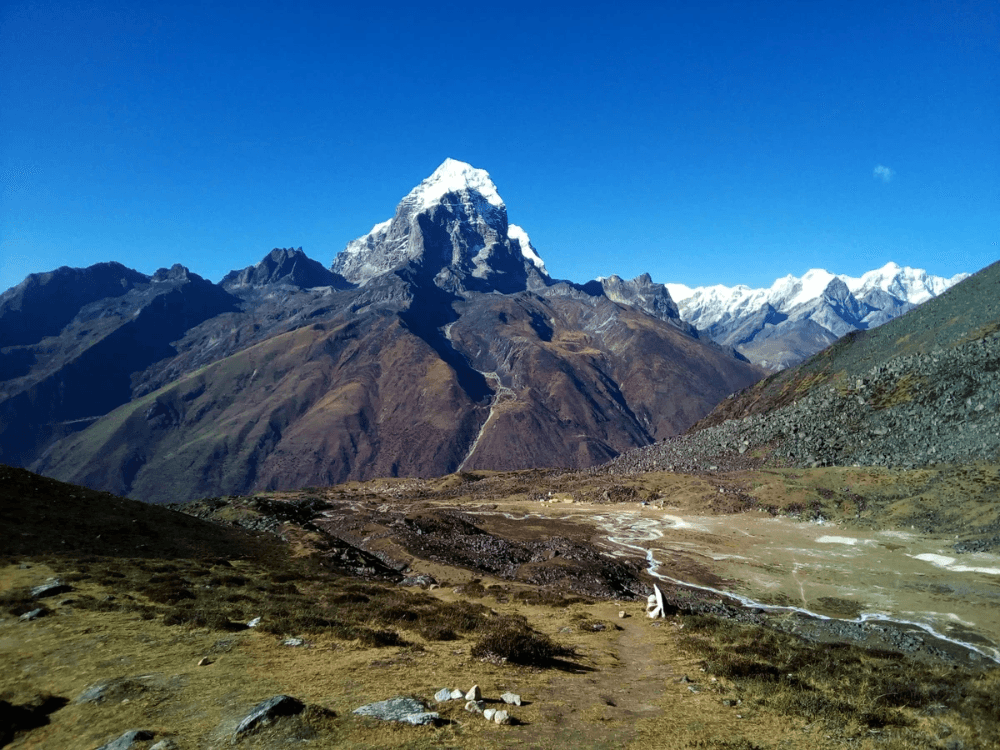
Mount Everest, the crown jewel of the Himalayas, is not just a mountain; it’s a world of intrigue and adventure waiting to be explored. From its ever-changing height to the treacherous conditions climbers face, there are countless fun facts about Mount Everest that even seasoned adventurers might not know. So, what are 10 facts about Mount Everest? Or perhaps you’re curious about what makes this peak so captivating? Let’s dive into the myth and reality of Everest and uncover why it continues to attract thrill-seekers from around the globe.
Discover the Surprising Facts
Did you know that Mount Everest grows a little taller every year due to tectonic plate movements? These fun facts about Mount Everest can leave anyone astonished—like how it was first summited in 1953 by Sir Edmund Hillary and Tenzing Norgay! If you’re asking yourself, What are 15 facts about Mount Everest? prepare for a journey filled with astonishing trivia that ranges from its history to its unique geography.
The Myth and Reality of Everest
The allure of Mount Everest is often shrouded in myths—some say it’s an easy climb if you have enough money, while others believe it’s only for elite climbers. In reality, climbing Everest requires not just financial resources but also immense physical preparation and mental fortitude. What is Mount Everest 2 facts? It’s both a breathtaking natural wonder and an unforgiving challenge that has claimed many lives over the years.
Why Adventurers Love Everest
Adventurers flock to this majestic peak not only for its beauty but also for the thrill of conquering one of nature’s greatest challenges. The camaraderie among climbers creates unforgettable bonds as they navigate through harsh weather conditions and steep ascents together. Plus, understanding concepts like the 2 o’clock rule on Everest, which emphasizes turning back by a certain time to avoid dangerous conditions, adds another layer of strategy that keeps climbers coming back for more excitement.
The Height That Keeps Rising

Mount Everest, the tallest mountain in the world, is not just a static giant; it’s a dynamic behemoth that continues to rise. Every year, it inches higher due to geological activity and tectonic movements. This fascinating characteristic is one of the fun facts about Mount Everest that keeps both climbers and scientists intrigued.
How Mount Everest’s Height Changes
You might wonder, What are 10 facts about Mount Everest? One of the most surprising is that its height can fluctuate due to various factors such as snow accumulation or geological shifts. Recent measurements have shown that Everest stands at approximately 29,032 feet (8,848 meters) above sea level after a joint survey by China and Nepal in 2020. These changes make it essential for climbers to stay updated on the latest height measurements before embarking on their adventures.
Measurement Controversies Over the Years
Speaking of heights, there have been numerous controversies regarding how tall Mount Everest actually is—what are 15 facts about Mount Everest without a bit of drama? In 1856, an early survey estimated its height at 29,002 feet (8,839 meters), but subsequent measurements have varied widely due to advancements in technology and differing methodologies. The debate over whether to include snow or ice on top of the summit adds another layer of complexity to this already contentious topic.
The Role of Tectonic Plates
So why does Mount Everest keep rising? The answer lies beneath our feet: tectonic plates! As India continues to collide with Asia at a staggering rate of about two inches per year, this relentless push causes the Himalayas—and thus Mount Everest—to grow taller over time. Understanding this geological phenomenon not only provides insight into what makes mountains like Everest unique but also illustrates some fun facts about Mount Everest for kids eager to learn about our planet’s ever-changing landscape.
The Most Dangerous Trek
Mount Everest is not just the tallest mountain on Earth; it’s also one of the most perilous treks known to mankind. Adventurers flock to this majestic giant, but they often underestimate its dangers. From treacherous weather conditions to severe altitude sickness, Everest holds a reputation that keeps climbers on their toes.
What Makes Everest So Treacherous
So, what makes Everest so treacherous? For starters, the extreme altitude creates a hostile environment where oxygen levels plummet, leading to life-threatening conditions like hypoxia. Fun facts about Mount Everest reveal that at its peak, climbers are essentially standing on the edge of space—where every breath feels like a struggle.
The terrain itself is another hurdle; icy slopes and jagged rocks make for precarious footing. To add insult to injury, avalanches and crevasses can strike unexpectedly, catching even seasoned climbers off guard. With such high stakes involved, it’s no wonder that many adventurers ponder: what are 10 facts about Mount Everest that might help them prepare for this daunting challenge?
The Infamous Death Zone
Climbing enthusiasts often hear whispers about the Death Zone, an area above 8,000 meters where survival becomes a gamble. In this thin air, physical exertion can lead to rapid deterioration in mental and physical health—hence why many refer to it as the ultimate test of human endurance. Fun facts about Mount Everest for kids often include tales of this infamous zone, where climbers must be especially cautious.
Interestingly enough, even experienced mountaineers can succumb to its dangers if they linger too long or fail to acclimatize properly. The two-hour rule on Everest states that climbers should aim to descend within two hours after reaching their peak altitude; otherwise, they risk becoming victims of altitude sickness or worse. It’s shocking how quickly conditions can turn deadly up there!
Climbers’ Fatal Mistakes
While nature plays a major role in climbing disasters on Everest, human error is often at fault too. Many climbers underestimate their physical limits or overestimate their experience level—leading them into situations they aren’t prepared for. What are 15 facts about Mount Everest that highlight these common pitfalls? For instance, many have disregarded weather forecasts only to find themselves caught in sudden snowstorms.
Another frequent mistake involves poor timing; some adventurers push their luck by starting late in the day when conditions worsen rapidly as night falls. Tragically, these miscalculations have resulted in countless fatalities over the years—a stark reminder of how unforgiving Everest can be! So before you pack your gear and head out for your own adventure up this magnificent mountain range filled with fun facts about Mount Everest and thrilling challenges alike—remember: preparation is key!
Unbelievable Weather Patterns

Mount Everest is not just a towering giant; it’s a weather-whipped beast that challenges even the most seasoned climbers. The extreme conditions climbers face on Everest can make or break their expedition, from sudden blizzards to ferocious winds that can reach speeds of up to 200 miles per hour. Understanding these unpredictable weather patterns is crucial for anyone daring enough to conquer this peak, and it’s one of those fun facts about Mount Everest that adventurers need to know!
The Extreme Conditions Climbers Face
When climbers set foot on Everest, they quickly learn that the mountain has its own set of rules—rules dictated by nature’s whims. Temperatures can plummet to -80°F (-62°C) at the summit, making frostbite a real threat for those unprepared. Moreover, the altitude creates a thin atmosphere where oxygen levels are drastically reduced, leading to altitude sickness—a condition no one wants when they’re trying to enjoy their adventure.
The Unique Climate of Everest
Everest boasts a unique climate that varies dramatically depending on the season and elevation. Fun facts about Mount Everest reveal that it experiences two main climbing seasons: pre-monsoon (April-May) and post-monsoon (September-October). During these windows, climbers often face milder weather—though “mild” is relative when you’re scaling a mountain known for its unpredictability!
How Weather Affects Climbing Seasons
The weather on Mount Everest plays a pivotal role in determining climbing seasons and success rates. Climbers must adhere to what’s known as the 2 o’clock rule—a guideline suggesting they should turn around by 2 PM at the latest during their ascent to avoid being caught in dangerous conditions after dark. This rule highlights how critical timing is in navigating Mount Everest’s ever-changing weather patterns; knowing when to push forward or retreat can be life-saving.
The True Cost of Climbing

Climbing Mount Everest is not just a test of endurance and skill; it also comes with a hefty price tag. From gear and permits to guides and logistics, the expenses can add up quickly, making it crucial for aspiring climbers to plan their budgets carefully. Understanding what these costs entail will help adventurers make informed decisions before embarking on this monumental journey.
What Are the Expenses Involved?
The expenses involved in climbing Mount Everest can be staggering, often reaching tens of thousands of dollars. Fun facts about Mount Everest reveal that some climbers spend anywhere from $30,000 to over $100,000 on their expeditions! This includes everything from high-quality gear and equipment to travel and accommodation costs in Nepal or Tibet.
In addition to personal expenses, climbers must account for various logistical needs such as food, oxygen tanks, and emergency supplies. What are 10 facts about Mount Everest? Well, one important fact is that many climbers opt for guided tours that provide support but come with additional fees. Therefore, it’s essential to factor in all these potential costs when budgeting for an Everest expedition.
Fees for Permits and Guides
One of the most significant expenses when climbing Mount Everest is the permit fee required by the Nepalese government. As of recent years, this fee can range from $11,000 per person for a summit permit alone! In addition to permits, hiring experienced guides is vital for safety and success; guide fees can vary widely based on experience and reputation.
What are 15 facts about Mount Everest? Here’s another: many reputable guiding companies charge between $5,000 to $10,000 per climber for their services. These guides not only help navigate treacherous terrain but also offer invaluable knowledge about climbing strategies—like the infamous 2 o’clock rule on Everest, which suggests turning back if you haven’t reached a certain point by 2 PM.
The Role of GuideTibet in Your Journey
When planning your climb up Everest, enlisting a reliable guiding service like GuideTibet can significantly enhance your experience while ensuring safety throughout your expedition. They provide comprehensive packages that cover everything from permits to logistics and expert guidance tailored specifically for each climber’s needs.
Fun facts about Mount Everest show that having an experienced guide increases your chances of summiting successfully while minimizing risks associated with altitude sickness or harsh weather conditions. For families curious about mountaineering adventures—what are fun facts about Mount Everest for kids? Well, they’ll learn that guides play a crucial role in keeping climbers safe!
In summary, understanding the true cost of climbing involves much more than just financial considerations; it encompasses safety measures and preparation strategies as well! Whether you’re aiming high on those icy slopes or simply dreaming from home with some fun facts about Mount Everest at hand—knowledge is power!
Incredible Triumphs and Tragedies

Mount Everest has been the stage for some of the most exhilarating triumphs and heart-wrenching tragedies in the history of mountaineering. The stories that unfold on this majestic peak reveal not only human resilience but also the stark realities of nature’s power. As we explore these incredible tales, we uncover fun facts about Mount Everest that highlight its allure and danger.
Historical First Ascents to Everest
The journey to conquer Mount Everest began with a historic first ascent on May 29, 1953, when Sir Edmund Hillary from New Zealand and Tenzing Norgay, a Sherpa of Nepal, reached the summit. This monumental achievement sparked global fascination and led to numerous expeditions aiming to replicate their success. What are 10 facts about Mount Everest? Among them is the fact that Hillary and Norgay’s ascent marked a turning point in climbing history, inspiring countless adventurers to take on this formidable challenge.
Stories of Survival and Loss
While many climbers have triumphed over Everest, there are equally harrowing stories of survival and loss that haunt its slopes. One such tragedy was the 1996 disaster during which several climbers lost their lives due to unexpected weather changes and poor decision-making—demonstrating how quickly conditions can turn deadly in this unforgiving environment. The infamous 2 o’clock rule on Everest advises climbers to turn back if they haven’t reached the summit by 2 p.m., highlighting how crucial timing is for survival amidst these treacherous conditions.
The Legacy of Everest Climbers
The legacy left by those who have climbed Mount Everest is one of inspiration mixed with cautionary tales about respect for nature’s might. Many climbers have shared their experiences through books and documentaries, providing insights into both their triumphs and tragedies—perfect for anyone curious about fun facts about Mount Everest for kids! This legacy serves as a reminder that while reaching the summit is an incredible achievement, it comes with risks that require careful preparation and respect for the mountain’s unpredictable nature.
Conclusion

Mount Everest, the pinnacle of adventure and challenge, continues to captivate the hearts of explorers and thrill-seekers alike. Its majestic heights beckon climbers from around the globe, drawn by the allure of conquering the world’s tallest peak. Yet, beneath its breathtaking beauty lies a complex tapestry of danger, history, and incredible feats that make Everest a unique destination for adventurers.
The Allure of Everest for Adventurers
Everest is not just a mountain; it’s a symbol of human endurance and ambition. Fun facts about Mount Everest reveal that it stands at an impressive 29,029 feet above sea level—though this height can change due to tectonic activity! For those eager to learn what are 10 facts about Mount Everest, they might be surprised to discover that over 8,000 climbers have reached its summit since Sir Edmund Hillary and Tenzing Norgay first accomplished this feat in 1953.
Adventurers are also fascinated by what makes climbing Everest so treacherous; it’s not just the altitude but also unpredictable weather patterns and physical challenges. What are 15 facts about Mount Everest? Here’s one: every year, thousands attempt to summit during a narrow climbing window in May when conditions are most favorable. With all these elements combined—dangerous conditions and rich history—it’s no wonder that climbers feel an irresistible pull toward this iconic peak.
Educational Insights for Kids
For young adventurers curious about Mount Everest, there are plenty of fun facts about Mount Everest for kids! Did you know that each year, more than 800 climbers attempt to reach its summit? This makes it one of the most popular mountains in the world despite its dangers!
Kids can learn what is Mount Everest in two fascinating facts: first, it grows approximately four millimeters each year due to geological forces; second, it has been home to numerous expeditions with both triumphs and tragedies throughout history. By exploring these insights together with engaging trivia like “What is the 2 o’clock rule on Everest?” (a guideline suggesting climbers should turn back if they haven’t reached their goal by 2 PM), children can appreciate both the adventure and respect needed when tackling such formidable challenges.
Preparing for Your Everest Expedition
Planning an expedition up Mount Everest requires careful preparation—not just physically but also mentally! It’s essential to understand what are the expenses involved in such an endeavor; costs can easily soar into tens of thousands of dollars! From permits required by Nepalese authorities to hiring experienced guides who know how to navigate treacherous terrains safely (like GuideTibet), every detail matters when preparing for your journey.
Before embarking on this incredible adventure, familiarize yourself with fun facts about Mount Everest so you can impress fellow climbers along your trek! Understanding key concepts like altitude sickness or weather patterns will ensure you’re well-prepared for whatever challenges await you on your climb. Remember: knowledge is power when facing nature’s greatest heights!