Introduction
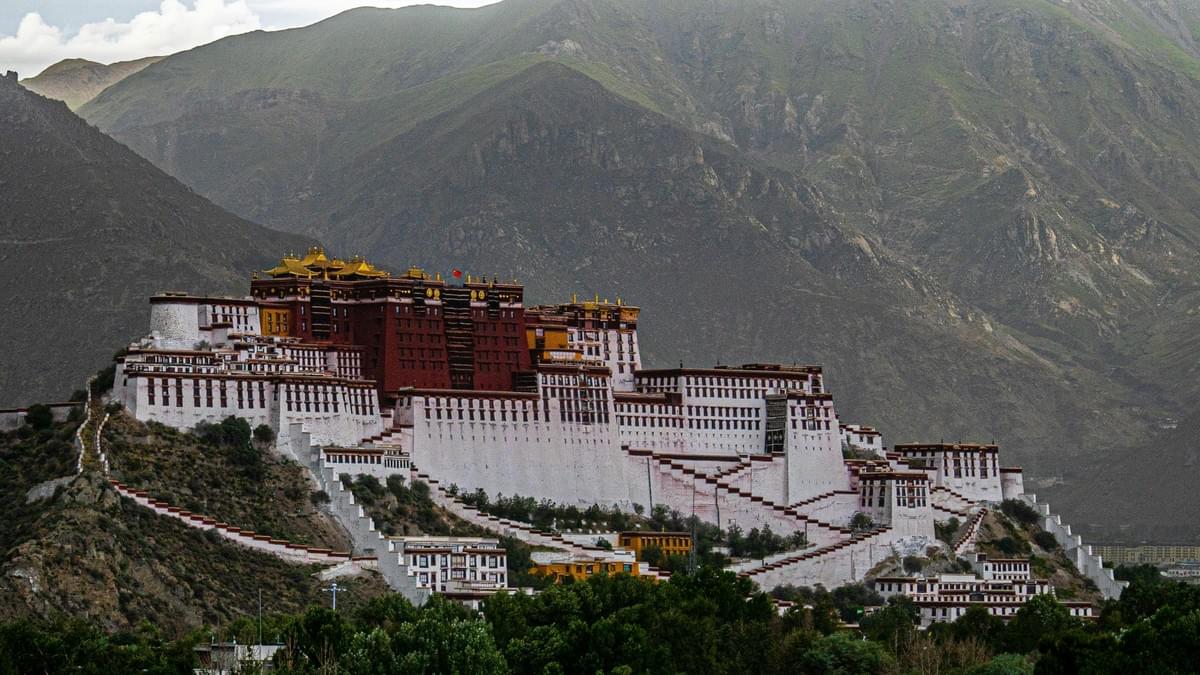
Nestled high in the Himalayas, the Potala Palace in Lhasa, Tibet, China stands as a breathtaking testament to Tibetan culture and architectural genius. This iconic structure is not just a palace; it’s a symbol of the rich history and spiritual significance of the region. Whether you’re intrigued by its stunning design or eager to delve into its storied past, understanding visitor information for a smooth trip is essential.
Explore the grandeur of Potala Palace
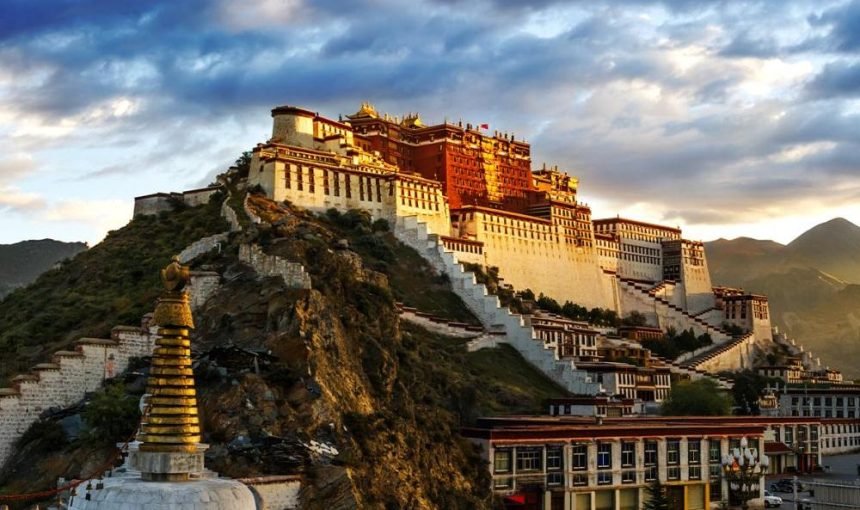
The grandeur of Potala Palace captivates visitors from around the world, drawing them into its majestic halls and serene surroundings. With its towering white and red walls rising against the backdrop of blue skies, it’s easy to see why this architectural marvel has become synonymous with Lhasa. As you explore the Potala Palace in Lhasa, Tibet, China, prepare to be amazed by intricate details that reflect centuries of craftsmanship.
Discover the rich history of Lhasa
Lhasa has long been regarded as the spiritual heart of Tibet, with Potala Palace serving as its crown jewel. The city’s history is woven with tales of ancient kings and revered lamas who have shaped Tibetan culture over millennia. By immersing yourself in this rich tapestry while visiting Potala Palace: visitors information will help you appreciate not just what you see but also what lies beneath its surface.
Understand visitor information for a smooth trip
Planning your visit to Potala Palace involves more than just knowing where it is; understanding visitor information can ensure your experience is seamless and enjoyable. From ticketing procedures to guided tours that reveal hidden gems within this historic site, being informed will enhance your journey through time and spirituality. So get ready—climbing to the top of the Potala Palace offers not only physical elevation but also a deeper connection to Tibetan heritage!
The Majestic Architecture of Potala Palace
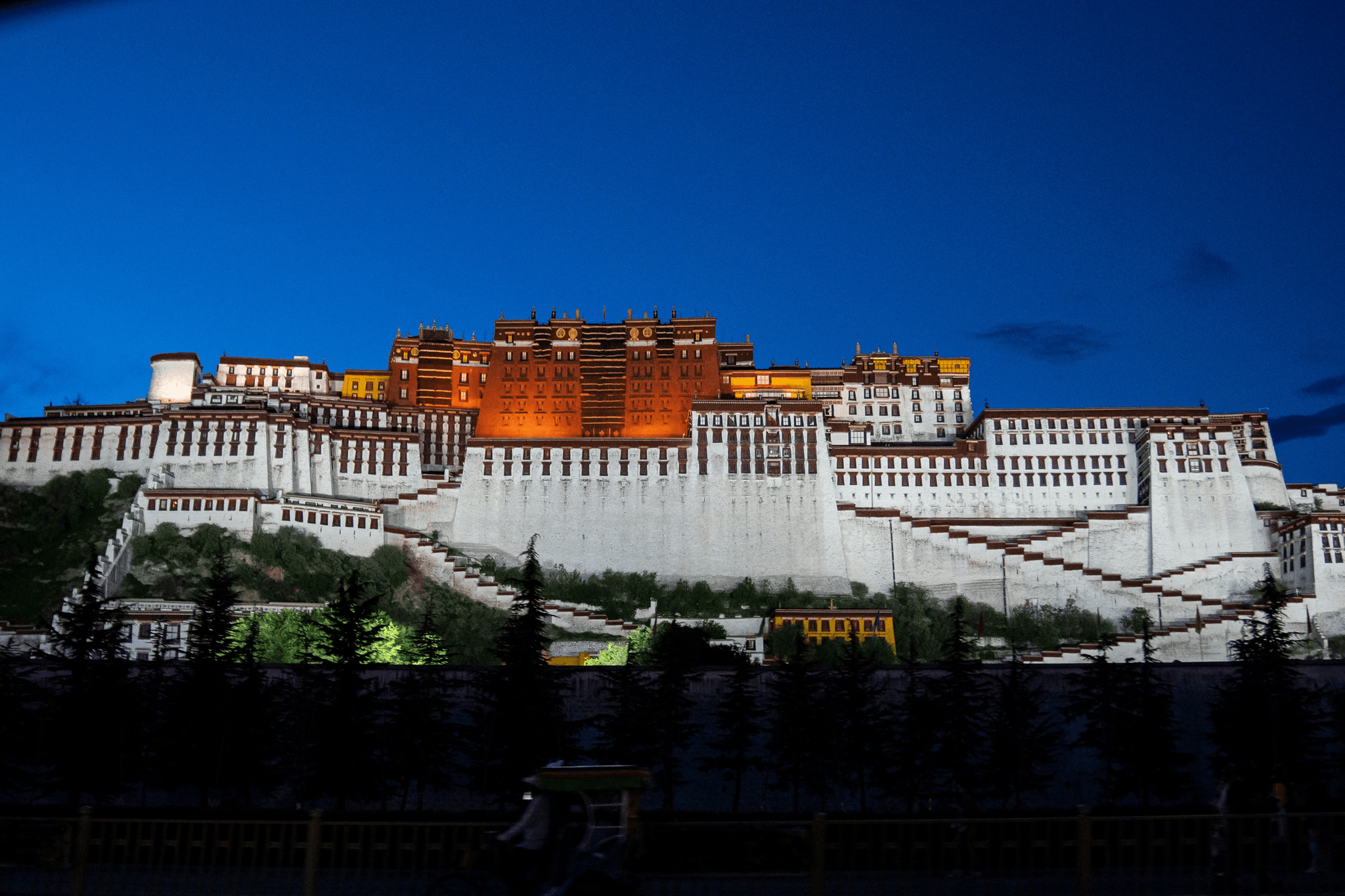
The Potala Palace in Lhasa, Tibet, China, stands as a breathtaking masterpiece of architectural ingenuity. This iconic structure, perched high on Marpo Ri Hill, boasts a harmonious blend of traditional Tibetan style and intricate design elements that have captivated visitors for centuries. Its striking red and white facades against the backdrop of the Himalayas create an unforgettable sight that beckons travelers to explore its rich history and cultural significance.
Stunning design and structural mastery
The design of Potala Palace is nothing short of astonishing, showcasing a remarkable feat of engineering that has withstood the test of time. With its towering walls and expansive terraces, this architectural wonder rises to an impressive height of over 117 meters (384 feet), making it one of the tallest palaces in the world. Visitors often marvel at the palace’s intricate woodwork and colorful murals that depict scenes from Tibetan mythology and history—an embodiment of both artistry and structural mastery.
Symbolism in architecture and religious significance
Every element within Potala Palace carries deep symbolic meaning, reflecting its role as a spiritual center for Tibetan Buddhism. The layout follows traditional Buddhist principles, with each room serving specific religious functions—from meditation halls to chapels adorned with statues and thangkas (traditional Tibetan paintings). This architectural symbolism not only enhances its beauty but also reinforces its status as a sacred site where spirituality intertwines with daily life.
Importance as a UNESCO World Heritage Site
Recognized as a UNESCO World Heritage Site since 1994, Potala Palace is celebrated for its cultural significance and historical value within Tibet’s narrative. This designation highlights not just its awe-inspiring architecture but also the rich tapestry of traditions preserved within its walls. For those planning their journey to this magnificent site, understanding that it embodies centuries of history adds another layer to the experience—making it essential to include Potala Palace: visitors information when preparing for your trip.
Intriguing Historical Significance
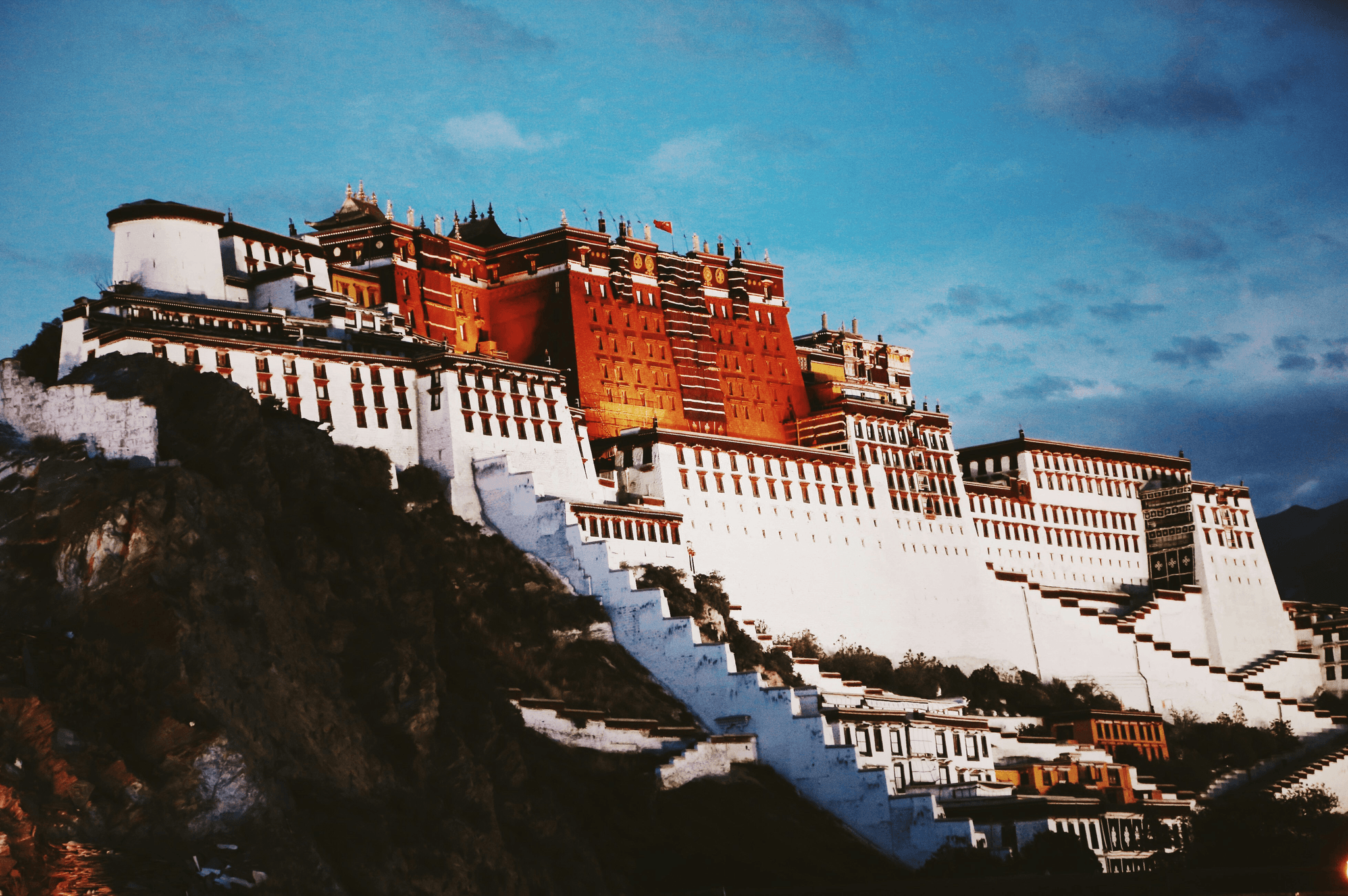
The Potala Palace in Lhasa, Tibet, China, stands as a monumental testament to the region’s rich history and cultural evolution. Once the winter residence of the Dalai Lama, it has been central to Tibetan governance and spirituality for centuries. Its walls have witnessed significant events that have shaped not only Tibet but also its relationship with the larger world.
Potala Palace as the winter residence of the Dalai Lama
For centuries, the Potala Palace served as the winter retreat for the Dalai Lama, making it a crucial center for Tibetan Buddhism and governance. This grand structure was not merely a residence; it was also a symbol of authority and spiritual leadership in Tibet. Visitors often wonder, Can you go inside Potala Palace? The answer is yes! Exploring its halls allows one to understand how this magnificent palace functioned as both home and sacred space.
Key historical events that shaped Tibet
The history surrounding Potala Palace is filled with pivotal moments that defined Tibet’s identity and politics. From its construction in the 7th century by King Songtsen Gampo to its role during various political upheavals, each chapter has left an indelible mark on this iconic site. Events like the 1959 uprising against Chinese rule have further solidified Potala Palace’s significance in contemporary discussions about Tibetan autonomy.
The influence of Tibetan Buddhism
Tibetan Buddhism is deeply woven into every aspect of life in Lhasa, especially within the walls of Potala Palace. The palace houses numerous chapels adorned with intricate murals and statues that reflect Buddhist teachings and philosophies. This spiritual essence draws visitors from around the globe who seek to understand not just a building but an entire way of life rooted in compassion and enlightenment.
Climbing to the Top of the Potala Palace
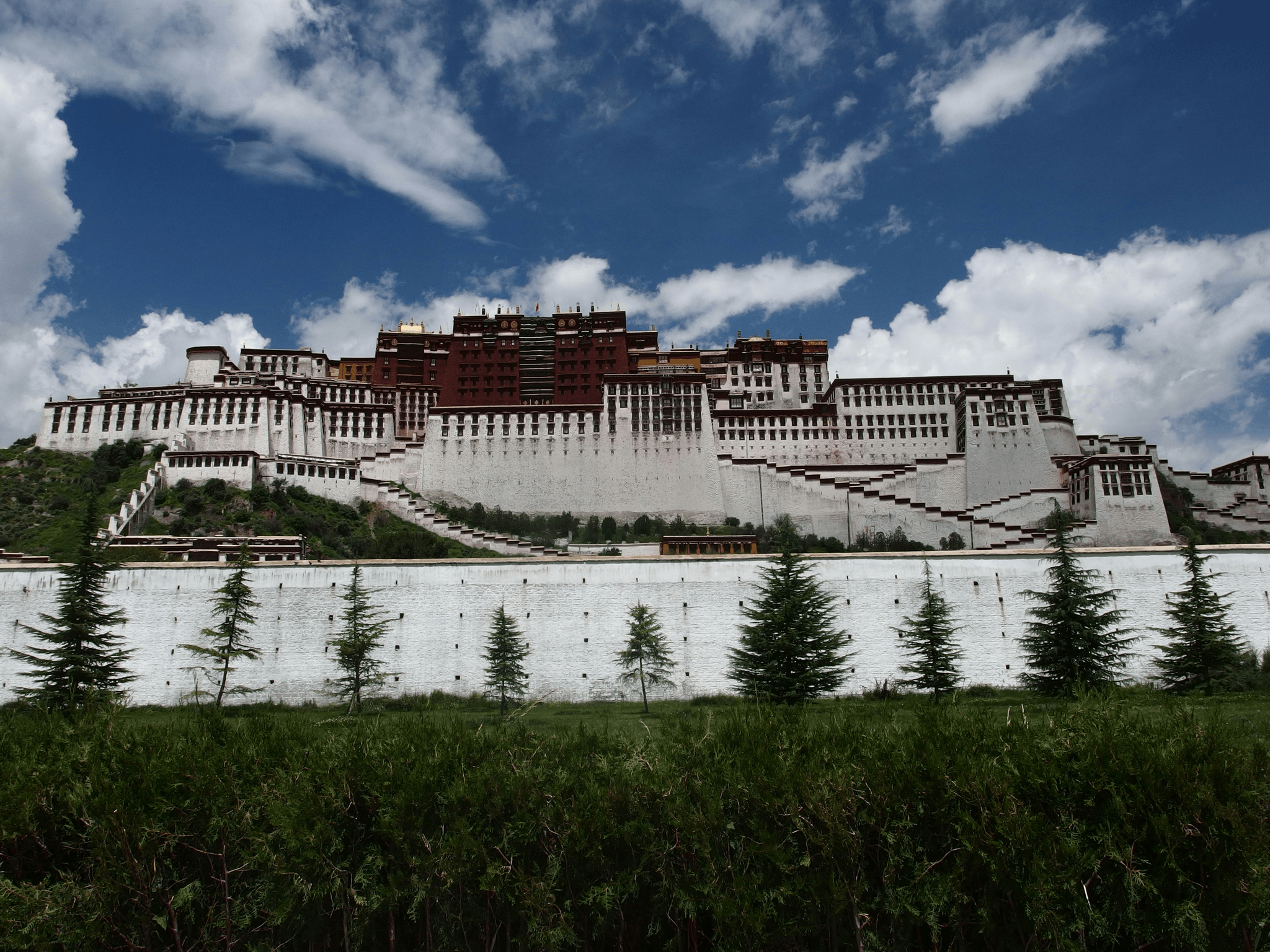
Climbing to the top of the Potala Palace in Lhasa, Tibet, is an adventure that combines physical effort with spiritual discovery. As you ascend, you’ll not only be tackling a series of steps but also immersing yourself in centuries of history and breathtaking scenery. The journey is as rewarding as reaching the summit itself, and it’s a must-do for every visitor eager to explore this iconic structure.
A step-by-step guide to your ascent
To start your climb up the Potala Palace, it’s essential to arrive early in the morning when the sun bathes the palace in golden light. First, purchase your tickets at the entrance; keep in mind that visitor information suggests booking ahead during peak seasons. Once you’re ready, follow the well-marked path leading up through various levels, each offering glimpses into Tibetan culture and history.
The climb consists of around 300 steps that wind their way through beautifully designed corridors and rooms adorned with religious art. Be prepared for occasional stops—these are perfect opportunities to catch your breath while taking in views of Lhasa below. Remember to pace yourself; this isn’t a race but rather a journey through time as you make your way toward one of Tibet’s most significant landmarks.
Breathtaking views from the summit
Upon reaching the top of Potala Palace, you will be greeted by panoramic views that will leave you speechless. From here, you can see sprawling landscapes dotted with ancient monasteries and bustling streets filled with life—a true testament to Lhasa’s rich culture and history. The sight is particularly stunning at dusk when golden hues paint both sky and mountains.
This vantage point also allows for incredible photo opportunities; don’t forget your camera! Capturing these moments will make for unforgettable memories as well as bragging rights among friends back home about climbing one of China’s most iconic structures. You’ll feel like you’ve reached not just a physical height but also a spiritual one.
Tips for a comfortable climb
To ensure a smooth ascent while climbing to the top of Potala Palace, consider acclimatizing yourself beforehand due to Lhasa’s high altitude—over 3,700 meters! Staying hydrated is key; carry water along with some light snacks like nuts or energy bars for quick boosts during your climb. Dress in layers since temperatures can vary significantly from bottom to top.
Additionally, wear comfortable shoes suitable for walking on uneven surfaces; trust us—you’ll thank yourself later! If you’re visiting during peak times or holidays when crowds might surge, arriving early can help you avoid long lines and enjoy a more peaceful experience exploring this awe-inspiring site without feeling rushed.
Inside Potala Palace: What to Expect
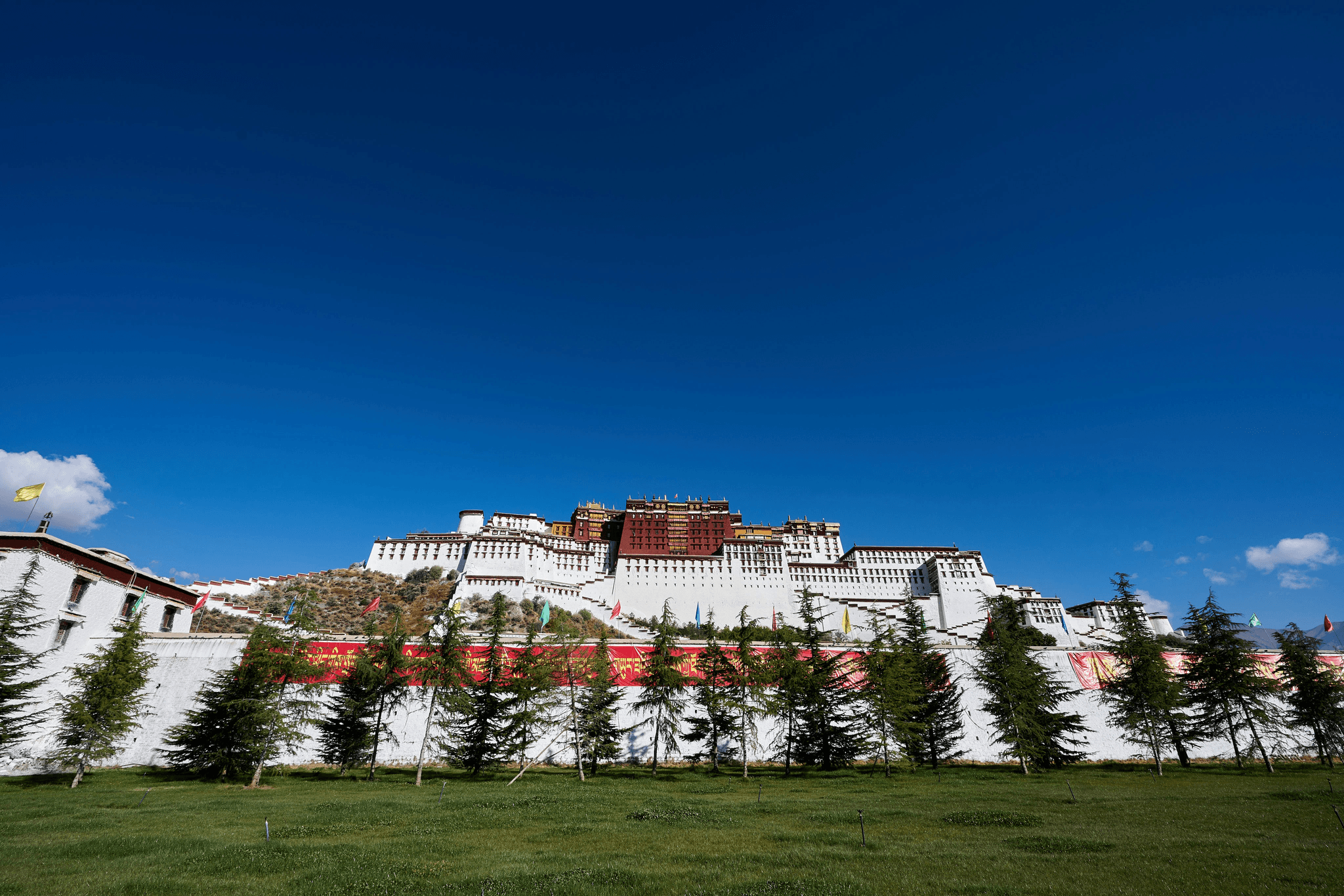
Visiting the Potala Palace in Lhasa, Tibet, is like stepping into a living tapestry of history and spirituality. As you wander through its majestic halls, you’ll discover rooms that hold stories of centuries past and artifacts that embody the essence of Tibetan culture. Can you go inside Potala Palace? Absolutely! The interior is as awe-inspiring as the exterior, making your journey truly unforgettable.
Notable rooms and their significance
Among the most significant rooms in Potala Palace are the Living Quarters of the Dalai Lama, where spiritual leaders once resided during their winter retreats. Each room is steeped in history and showcases intricate murals that depict Buddhist teachings and Tibetan folklore. Additionally, the Assembly Hall serves as a focal point for rituals and gatherings, emphasizing its importance in Tibetan Buddhism.
Art treasures and ancient relics
The art treasures within Potala Palace are nothing short of breathtaking; they include statues made from precious metals, thangkas (traditional Tibetan scroll paintings), and ancient manuscripts that date back centuries. These relics not only highlight the artistic prowess of Tibetan artisans but also serve as vital links to understanding Tibet’s rich cultural heritage. As you explore these treasures, you’ll gain insight into how art has shaped religious practices across generations.
Guided tours and visitor protocols
For those wondering about visitor information regarding guided tours at Potala Palace: they are highly recommended to enhance your experience! Knowledgeable guides will share fascinating insights about each room’s significance while ensuring you navigate through with ease. Remember to adhere to visitor protocols—like maintaining silence in sacred areas—so everyone can soak up the serenity this majestic place offers.
Travel Tips for Visiting Potala Palace
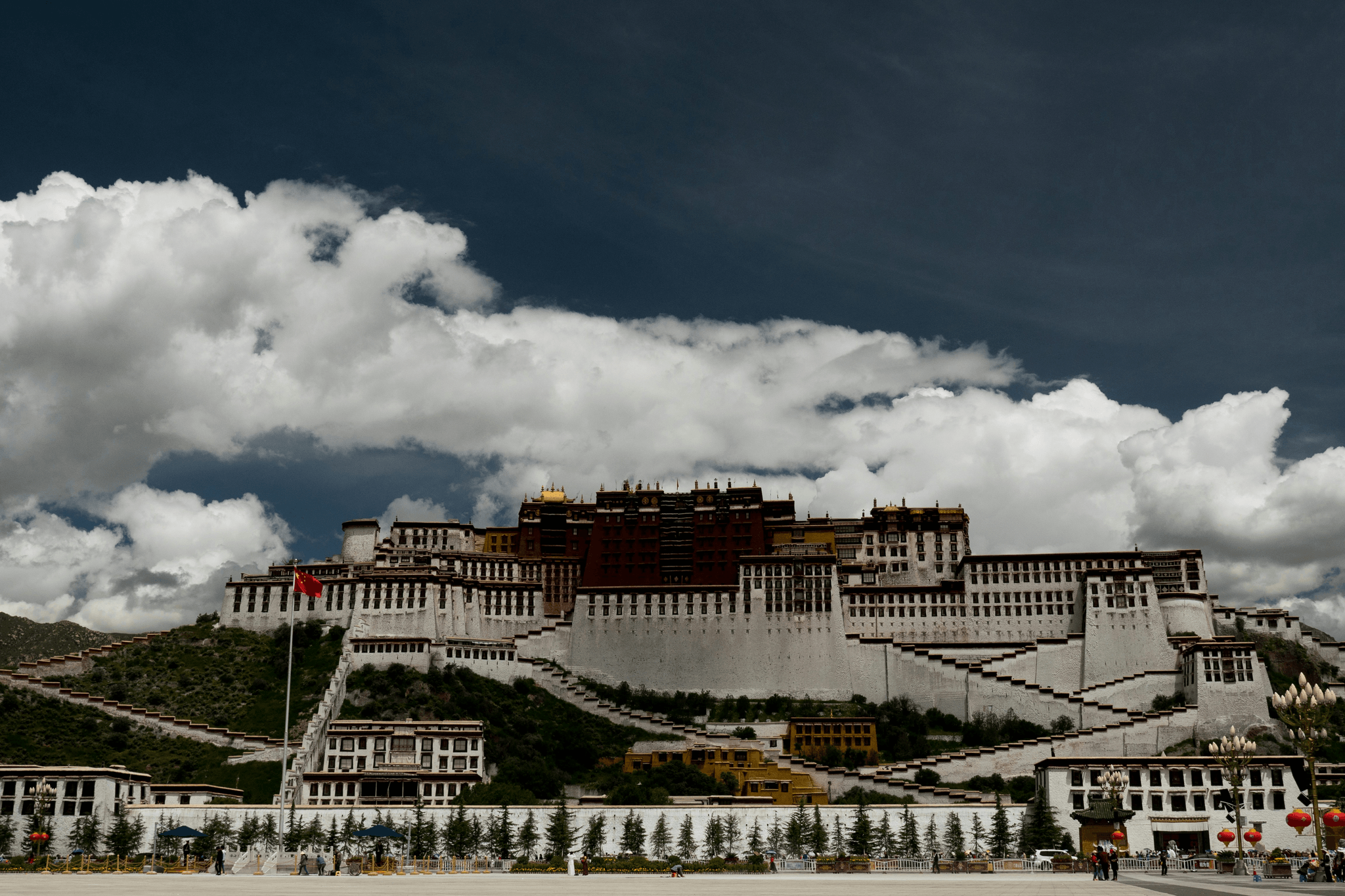
Visiting the Potala Palace in Lhasa, Tibet, China, is a journey steeped in history and breathtaking beauty. To ensure you make the most of your experience, here are some essential travel tips that will guide you through this remarkable site. From timing your visit to finding the best local eats, we’ve got you covered.
Best times to visit and avoid crowds
The best time to visit Potala Palace is during the spring (April to June) and autumn (September to October) months. During these periods, the weather is mild and pleasant, making it ideal for climbing to the top of the Potala Palace while avoiding the intense summer heat or winter chill. Additionally, visiting early in the morning or late afternoon can help you dodge large tourist crowds and allow for a more serene experience as you explore this iconic landmark.
Local dining and accommodation suggestions
When it comes to dining near Potala Palace in Lhasa, Tibet, you’ll find a delightful mix of Tibetan cuisine and international options. Try local favorites like momos (dumplings) at restaurants such as The Dunya Restaurant or enjoy a cozy atmosphere at The Snowland Hotel’s dining area after a day of exploration. For accommodation, consider staying at hotels like The St. Regis Lhasa Resort or more budget-friendly options like Tashi Choeta Hotel; both offer easy access to visitor information about nearby attractions.
How GuideTibet can enhance your experience
Using GuideTibet can elevate your visit by providing expert insights into the history and description of Potala Palace that enrich your understanding of its cultural significance. Their knowledgeable guides will not only assist with navigating through Potala Palace but also share captivating stories about Tibetan Buddhism and key historical events tied to this magnificent structure. Plus, they can help streamline logistics such as transportation and entry tickets—making your trip smoother so you can focus on enjoying every moment at this UNESCO World Heritage Site.
Conclusion
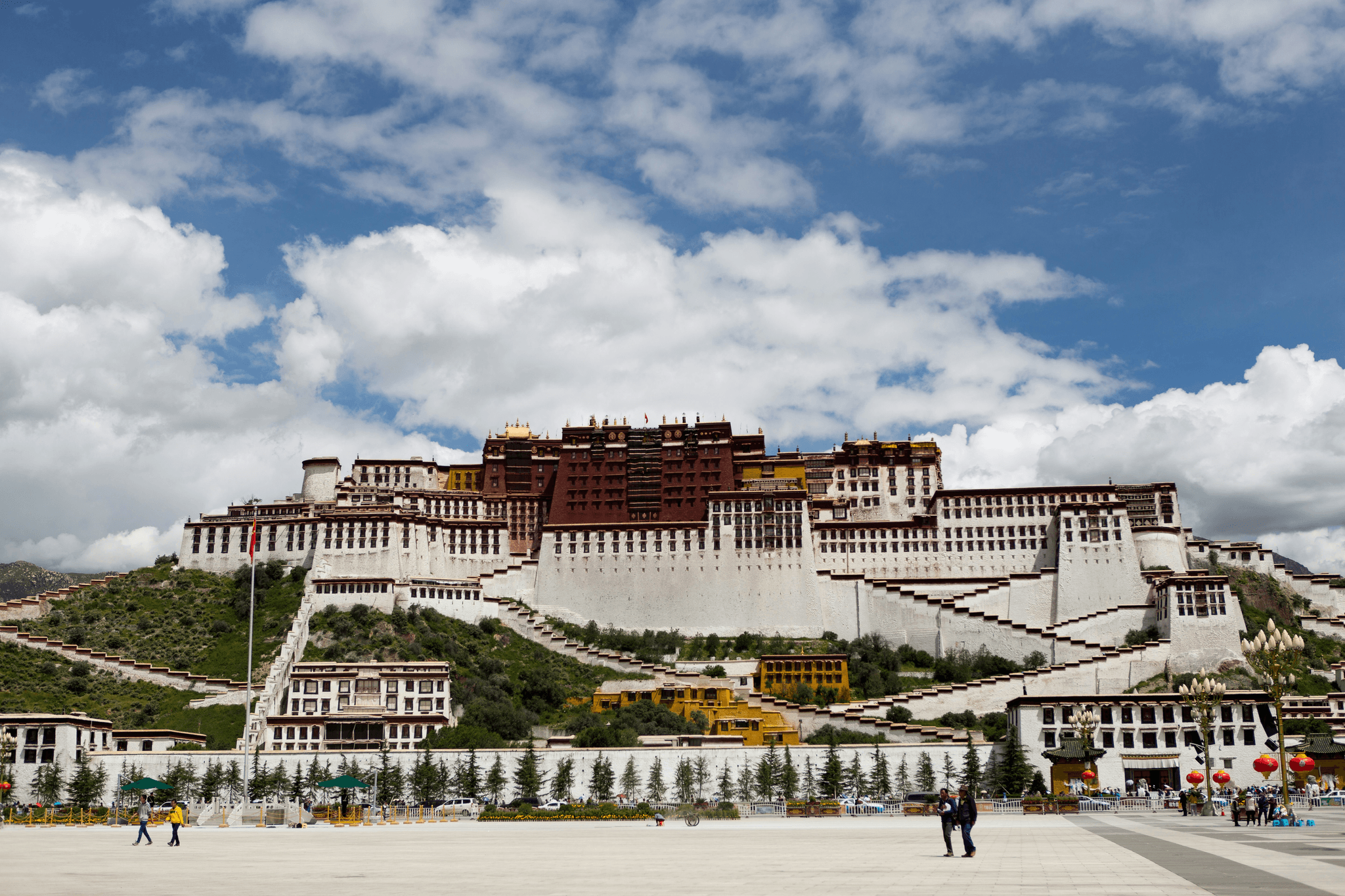
Visiting the Potala Palace in Lhasa, Tibet, China, is a journey that transcends mere sightseeing; it’s an exploration of history and spirituality. This architectural marvel stands as a testament to Tibetan culture and offers visitors a glimpse into the rich tapestry of its past. Whether you’re marveling at its stunning design or climbing to the top of the Potala Palace for breathtaking views, your experience will be unforgettable.
Highlights of Potala Palace in Lhasa
The highlights of Potala Palace in Lhasa are numerous and captivating. From its striking white and red façade to the intricate murals inside, each corner tells a story steeped in history and tradition. Visitors information reveals that exploring this UNESCO World Heritage Site not only educates but also inspires awe at the craftsmanship that has withstood centuries.
Embrace the rich culture of Tibet
Embracing the rich culture of Tibet means immersing yourself in its unique customs, art forms, and spiritual practices. The influence of Tibetan Buddhism resonates through every hall and chamber within Potala Palace, making it more than just an architectural wonder—it’s a living testament to a vibrant culture. Engaging with local traditions during your visit will deepen your appreciation for this extraordinary place.
Plan your unforgettable journey today
Planning your unforgettable journey to Potala Palace involves more than just booking tickets; it’s about preparing for an adventure filled with wonder and discovery. From understanding visitor information to knowing when best to avoid crowds, each detail enhances your experience at this iconic site. So gather your essentials, lace up those hiking boots for climbing to the top of the Potala Palace, and get ready for an adventure like no other!