Introduction
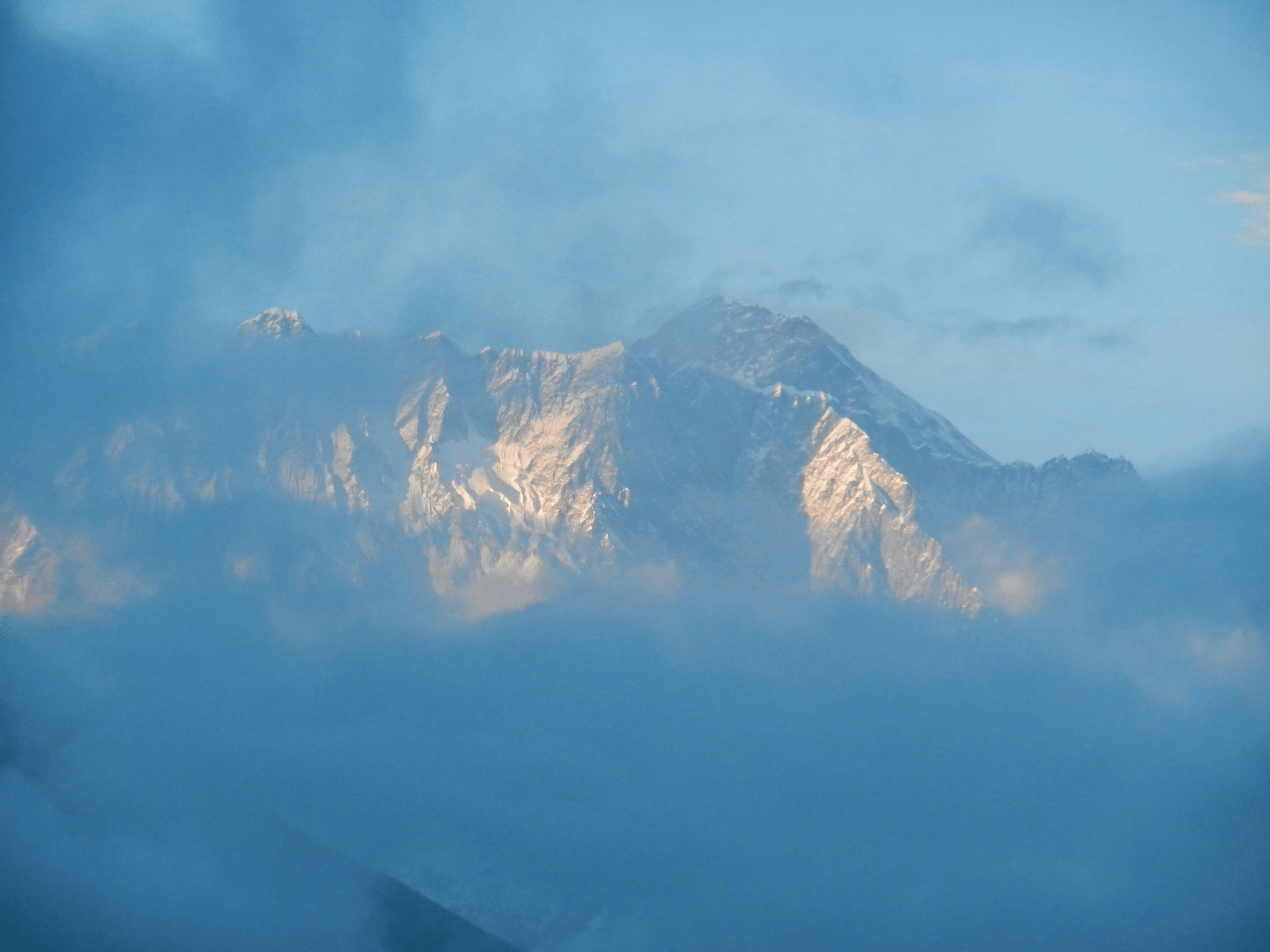
Mount Everest, the towering giant of the Himalayas, has captured the imagination of adventurers and dreamers alike for centuries. How high is Mount Everest? This question sparks curiosity not only about its height but also about the various measurements we use to define it—meters, feet, and even miles. Whether you’re planning a Tibet vacation or simply fascinated by the allure of this majestic peak, understanding Everest’s altitude is essential.
Discovering Mount Everest’s Height
The quest to determine how high is Mount Everest in meters has been a journey filled with scientific rigor and adventurous spirit. Located on the border between Nepal and Tibet, this colossal mountain stands as a testament to nature’s grandeur. Historical expeditions have led to numerous measurements over time, but recent advancements have provided us with more accurate figures that continue to evolve.
Exploring Measurements in Different Units
When discussing how high is Mount Everest in feet or miles, it’s intriguing to see how different cultures interpret altitude through their own measurement systems. For climbers and trekkers preparing for their journey, knowing these conversions can make all the difference in understanding what lies ahead. The significance of these units extends beyond mere numbers; they represent challenges that adventurers must conquer on their way to the summit.
The Significance of Everest’s Altitude
Everest’s towering height is more than just a statistic; it symbolizes human ambition and resilience against nature’s formidable forces. It influences weather patterns at high altitudes and affects climbers’ experiences during their ascent—a crucial aspect for anyone considering a Tibet tour or Lhasa Tibet China excursion. As we delve deeper into this exploration of height, we’ll uncover not just numbers but also stories that connect us all to this magnificent mountain.
Mount Everest: The Basics
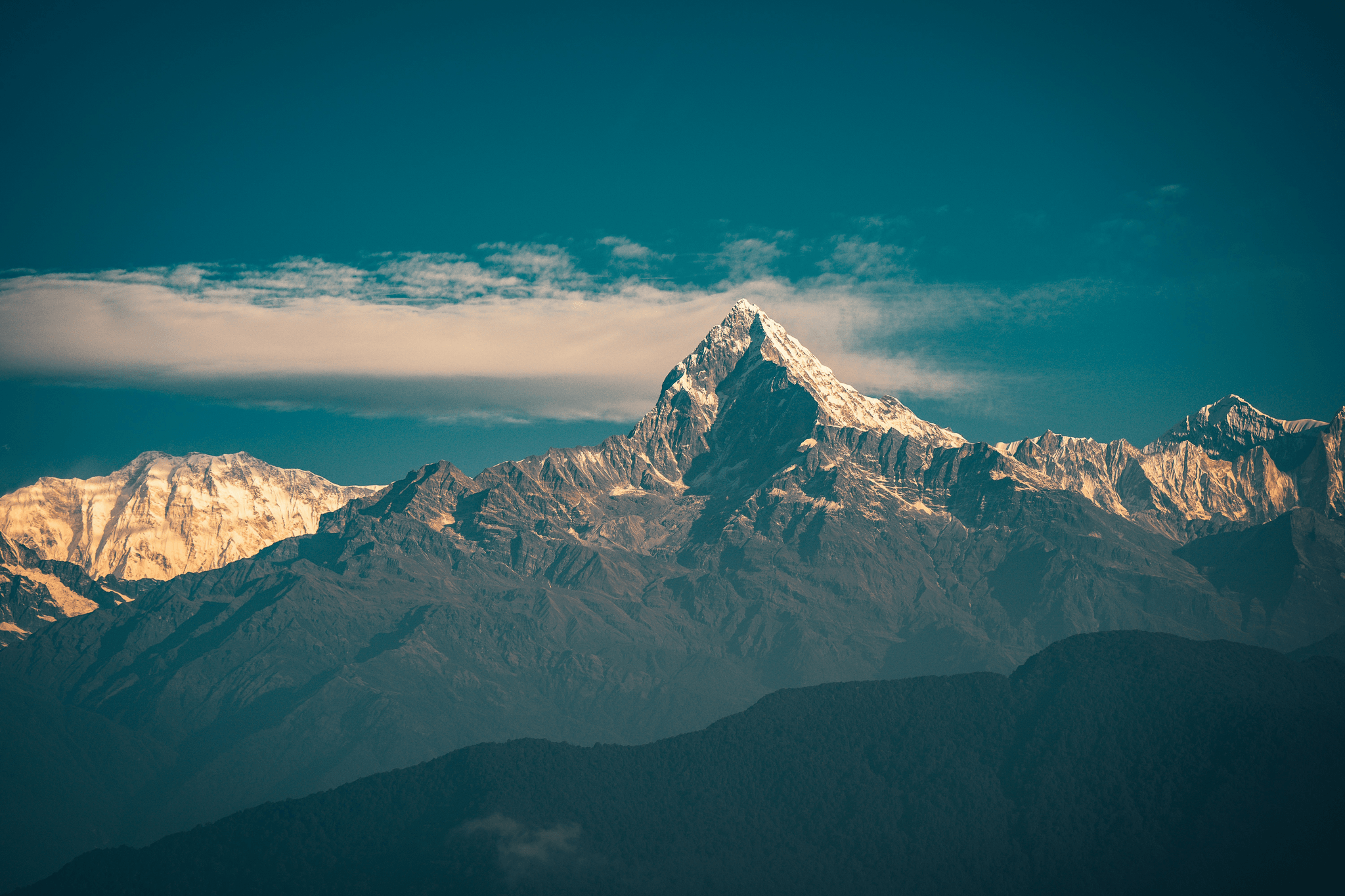
Mount Everest, the crown jewel of the Himalayas, is not just a mountain; it’s a symbol of adventure and human spirit. Nestled between Nepal and Tibet, it stands as the highest point on Earth, raising questions like How high is Mount Everest in meters? and Where is Mount Everest located? This section dives into its geography, historical exploration, and some fun facts that make Everest truly remarkable.
Location and Geography
So, where is Mount Everest located? Tucked away in the majestic Himalayan range, it straddles two countries: Nepal to the south and Tibet (an autonomous region of China) to the north. The mountain rises to an official height of 8,848.86 meters (29,031.7 feet), making it a towering giant that beckons adventurers from around the globe. Its geographical prominence not only contributes to its allure but also plays a crucial role in weather patterns across Asia.
Historical Exploration
The quest to conquer Mount Everest has fascinated explorers for centuries. Historical exploration dates back to the early 19th century when British surveyors first measured its height and began asking how high is Mount Everest? Sir Edmund Hillary and Tenzing Norgay made history in 1953 as they became the first climbers confirmed to reach its summit, marking a pivotal moment in mountaineering lore. Since then, numerous expeditions have followed suit, each adding layers to this mountain’s rich narrative.
Fun Facts About Everest
Did you know that Mount Everest grows about 4 millimeters every year due to geological activity? It’s true! Here’s another fun tidbit: despite being known for its daunting heights—how high is Mount Everest really?—the mountain can actually be climbed during specific seasons when conditions are favorable. From breathtaking views at base camp near Lhasa Tibet China to thrilling tales of climbers braving extreme conditions during their Tibet travel adventures, there’s no shortage of fascinating stories surrounding this iconic peak.
How High is Mount Everest in Meters
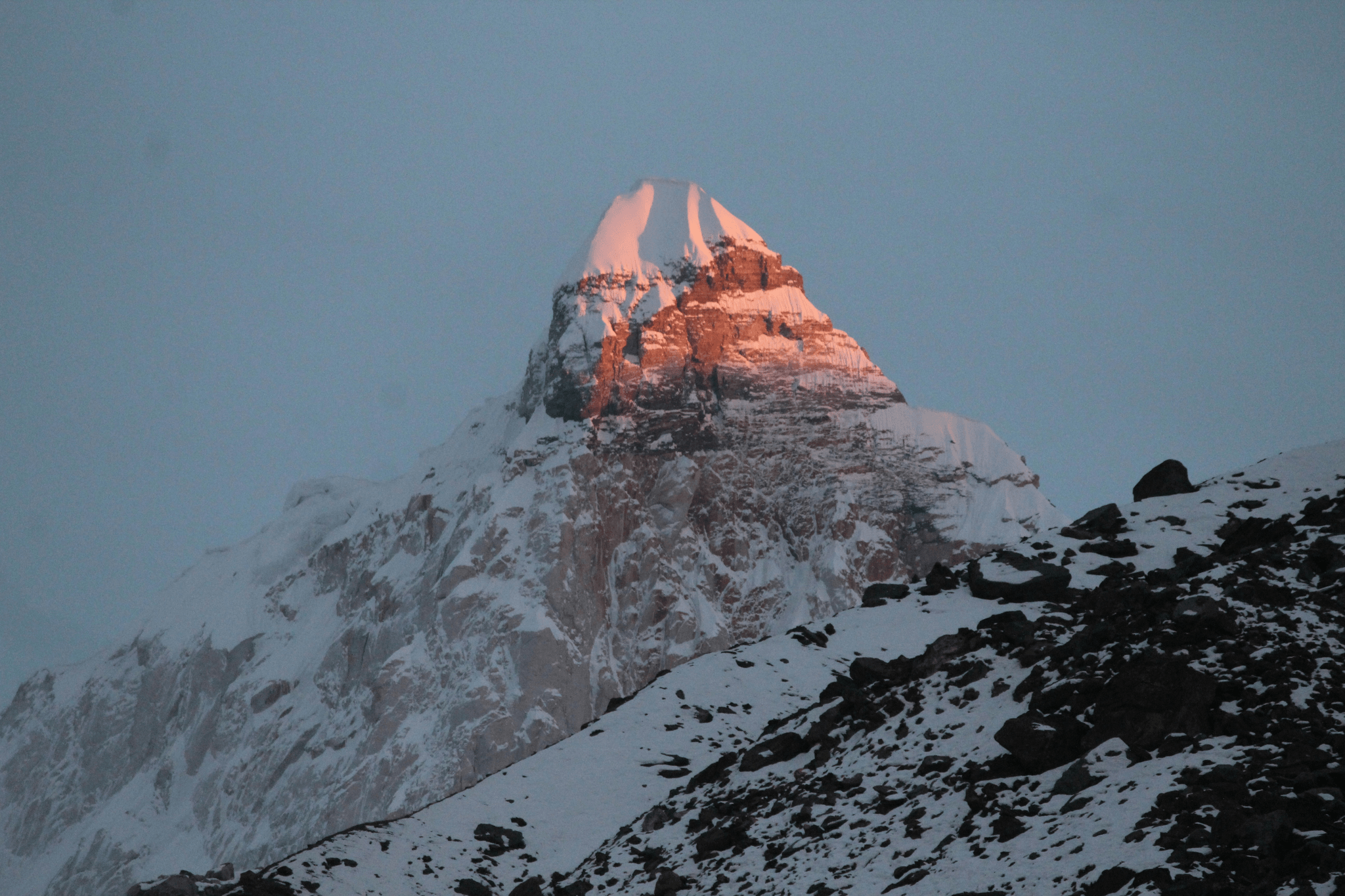
When it comes to answering the question, How high is Mount Everest in meters?, the official measurement stands at an impressive 8,848.86 meters (29,031.7 feet). This height was confirmed by a joint survey conducted by China and Nepal in 2020, putting to rest any lingering doubts about this towering giant. As you ponder this staggering altitude, remember that it’s not just a number; it’s a symbol of human endeavor and exploration.
Official Height Measurement
The official height of Mount Everest has undergone several changes over the years due to advancements in technology and measurement techniques. Originally measured at 8,848 meters by the Survey of India in 1954, subsequent surveys have refined this figure to its current status. The latest measurement incorporates geological shifts and snow accumulation, reflecting how dynamic our planet truly is.
The Importance of Accurate Measurements
Accurate measurements of Mount Everest’s height are crucial for several reasons beyond mere bragging rights among climbers. For scientists studying climate change and geology, knowing precisely how high Mount Everest stands helps gauge environmental shifts in the region. Furthermore, accurate data informs trekking agencies and climbers planning their Tibet travel or Tibet vacation itineraries—after all, every meter counts when you’re scaling the world’s tallest peak!
Comparison with Other Peaks
To put Mount Everest’s height into perspective, let’s compare it with other notable peaks around the globe. K2, the second-highest mountain at 8,611 meters (28,251 feet), seems almost modest next to Everest’s towering presence. Even Aconcagua in South America pales in comparison at 6,961 meters (22,838 feet). This stark contrast highlights why so many adventurers are drawn to Where is Mount Everest Located?—it’s not just about reaching new heights but also about experiencing something truly extraordinary.
How High is Mount Everest in Feet
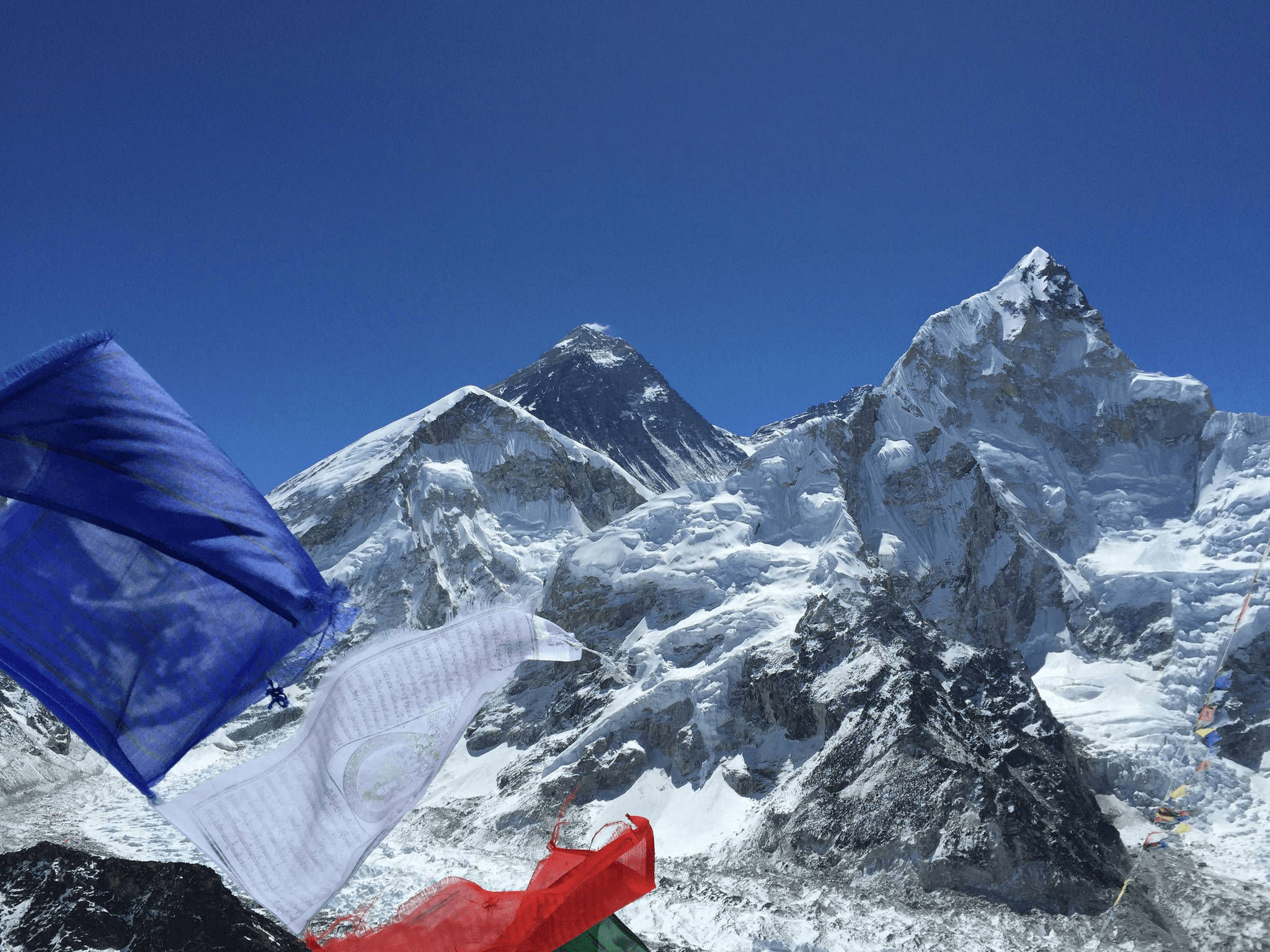
Mount Everest stands as a towering giant in the world of mountains, and understanding its height in feet adds another layer to its grandeur. The official measurement of Mount Everest is approximately 29,032 feet, a figure that fascinates adventurers and climbers alike. When considering how high is Mount Everest, it’s essential to appreciate this height not just in meters but also in feet, as many climbers are more familiar with this unit.
Conversion from Meters to Feet
To grasp the height of Mount Everest in different units, we start with its official height of 8,848 meters. Converting meters to feet involves multiplying by roughly 3.281, which brings us to about 29,032 feet. This conversion helps those asking How high is Mount Everest? understand its staggering altitude regardless of their preferred measurement system.
Why Feet Matter to Climbers
For climbers tackling the ascent of Mount Everest, understanding its height in feet can be crucial for planning and preparation. Many climbing guides and resources use feet as their primary unit because it resonates more with climbers from countries like the United States. Knowing how high is Mount Everest in feet helps climbers gauge altitude sickness risks and acclimatization needs during their epic Tibet travel adventures.
Notable Climbers and Their Achievements
Throughout history, numerous climbers have tackled the formidable heights of Mount Everest—each achievement adding to the mountain’s lore. Sir Edmund Hillary and Tenzing Norgay were among the first to reach the summit on May 29, 1953; their accomplishment remains legendary today. As we reflect on how high is Mount Everest in meters, feet, or miles, it’s inspiring to remember these adventurers who dared to conquer such heights during their Tibet tour experiences.
How High is Mount Everest in Miles

When it comes to understanding how high Mount Everest is, converting measurements into miles can provide a different perspective. At approximately 5.5 miles above sea level, Everest stands as the tallest mountain in the world. This measurement offers a sense of scale that resonates with many who are more familiar with miles than meters or feet.
Understanding Miles as a Measurement
Miles are often used in the United States and other countries to gauge distance, making them an accessible unit for many travelers and climbers. One mile equals about 1,609 meters or 5,280 feet, which illustrates just how lofty Everest really is when expressed in this familiar metric. For those planning a Tibet vacation or exploring where Mount Everest is located, understanding this measurement can help contextualize the climb ahead.
Miles Vs. Other Units
While meters and feet provide precise measurements of height, miles offer a more relatable figure for many adventurers. For instance, saying Mount Everest is about 5.5 miles high might evoke an immediate sense of awe compared to its height in meters—8,848 meters—or feet—29,029 feet. Understanding how high Mount Everest is across different units can enhance your appreciation for its grandeur while planning your Tibet tour.
The Journey to the Summit
Climbing Mount Everest isn’t just about reaching that impressive height; it’s also about the journey itself and all that it entails. From Lhasa Tibet China to base camp and beyond, each step brings climbers closer to conquering the world’s highest peak at over 5 miles up! With careful preparation and guidance from experienced trekking agencies like GuideTibet, adventurers can embrace both the challenge of altitude and the beauty of their surroundings on this unforgettable trek.
The Impact of Height on Climbing Conditions
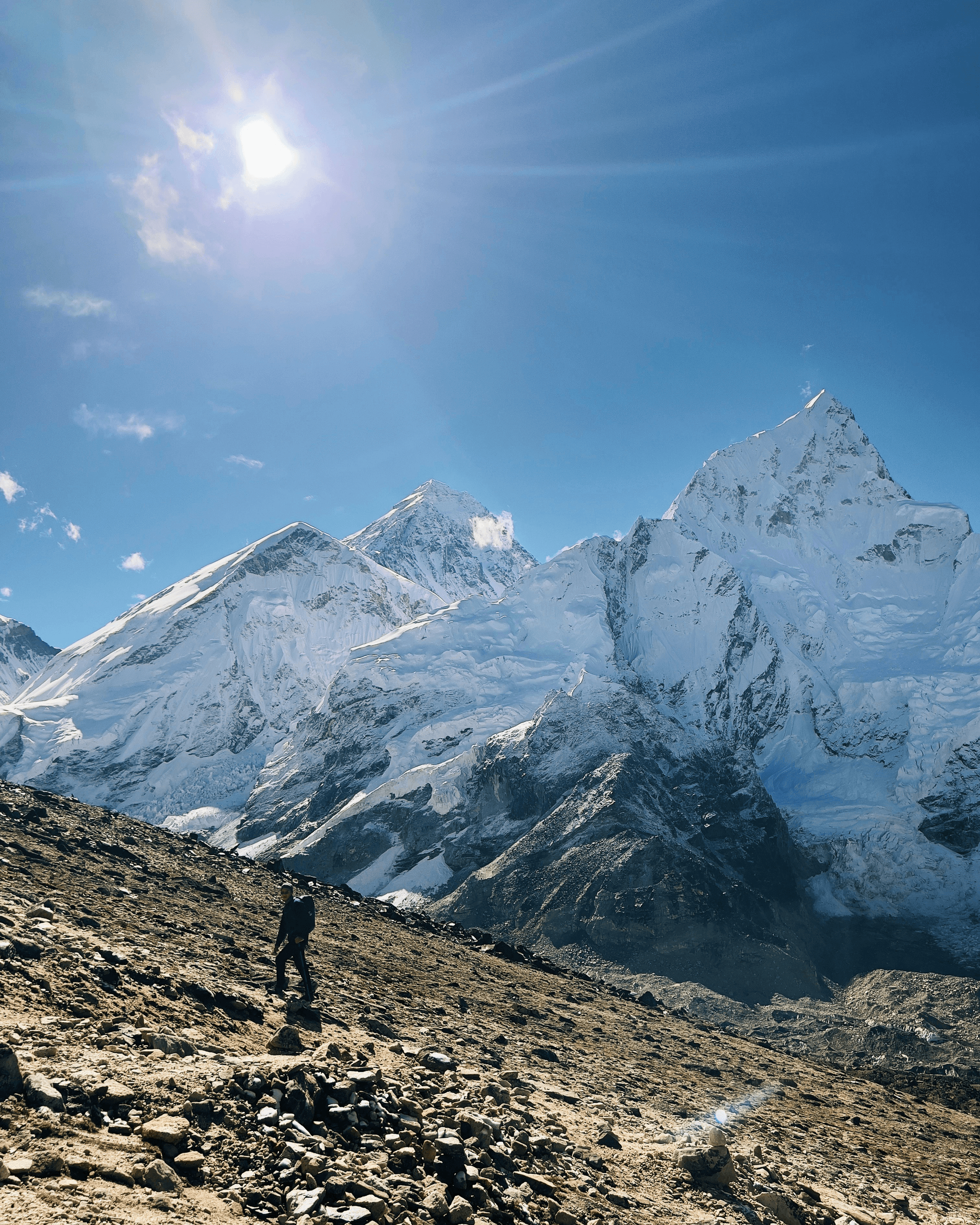
Climbing Mount Everest isn’t just about how high it is; it’s also about how the altitude affects everything from weather to your body. Understanding the impact of height on climbing conditions is essential for any adventurer considering this monumental challenge. Let’s delve into the specifics, starting with the weather patterns at high altitudes.
Weather Patterns at High Altitudes
High-altitude weather can be as unpredictable as a cat in a room full of rocking chairs. At elevations like those found on Mount Everest, temperatures can plummet dramatically, and fierce winds can whip up without warning. Knowing where Mount Everest is located—specifically in the Himalayas between Nepal and Tibet—helps climbers prepare for these extreme conditions while planning their Tibet travel or Tibet tour.
Effects of Altitude on the Human Body
As you ascend to how high Mount Everest stands—8,848 meters (29,029 feet)—the thin air begins to take its toll on even the most seasoned climbers. Reduced oxygen levels can lead to altitude sickness, which may cause headaches, nausea, or even life-threatening complications if not managed properly. Understanding these effects is crucial for anyone contemplating a Tibet vacation or an expedition to Lhasa, Tibet, China.
Preparing for the Climb
Preparation is key when facing such an imposing giant as Everest. Climbers must train their bodies to acclimatize effectively to heights that reach 5 miles above sea level while ensuring they have all necessary gear ready for their journey. Selecting a reputable trekking agency like GuideTibet can make all the difference in your adventure planning and execution; they provide invaluable insights into how high Mount Everest really is and what you’ll face along the way.
Planning Your Everest Adventure

Embarking on an adventure to Mount Everest is no small feat. With its towering height of 8,848 meters, or 29,029 feet, this majestic peak beckons thrill-seekers from around the globe. Before you lace up those climbing boots, proper planning is essential to ensure a successful and safe journey.
Choosing the Right Trekking Agency
When it comes to tackling how high Mount Everest really is, selecting the right trekking agency can make all the difference. Look for agencies that have a solid reputation and extensive experience in organizing trips to this iconic mountain. A good agency will provide not only guides who know the terrain but also crucial insights into acclimatization strategies that are vital for high-altitude climbs.
Additionally, consider agencies that offer tailored experiences based on your skill level and desired itinerary. Whether you’re interested in a full Tibet tour or just a quick trek around Lhasa Tibet China, your agency should cater to your specific needs while keeping safety at the forefront of their operations. Remember, choosing wisely could be the difference between an unforgettable experience and a harrowing one!
GuideTibet: Your Partner in Adventure
If you’re looking for an exceptional partner for your Everest expedition, GuideTibet stands out as a top choice. With years of experience in organizing treks in Tibet travel destinations and beyond, they have honed their expertise in navigating both the physical challenges of climbing and the cultural richness of Tibetan landscapes. Their knowledgeable guides not only ensure you understand how high Mount Everest is in meters but also enrich your journey with fascinating insights about local traditions.
GuideTibet offers comprehensive packages that include everything from permits to gear rental—making planning your trip as smooth as possible! Plus, they focus on sustainable tourism practices which means you can enjoy your adventure while also respecting this breathtaking environment. So why not make them your go-to choice for an unforgettable Tibet vacation?
Essential Gear and Preparation Tips
Preparing for an ascent of Mount Everest requires more than just physical fitness; it’s about having the right gear too! To tackle how high Mount Everest is in miles effectively—approximately 5.5 miles—you’ll need specialized equipment designed for extreme conditions like oxygen tanks and insulated clothing suitable for sub-zero temperatures.
Don’t forget about mental preparation either! Familiarize yourself with altitude sickness symptoms since they can affect anyone at such heights—regardless of fitness level or previous climbing experience. Packing smartly will ensure you’re ready when standing atop one of Earth’s most magnificent summits!
Conclusion

Mount Everest, the towering giant of the Himalayas, captivates adventurers and nature lovers alike. From its staggering height—how high is Mount Everest in meters, feet, and miles—to its rich history and cultural significance, Everest is more than just a mountain; it’s a global icon. Whether you’re planning your next Tibet vacation or simply curious about its elevation, understanding Everest’s height is essential for appreciating its majesty.
Key Takeaways on Mount Everest’s Height
So how high is Mount Everest? Officially measured at 8,848.86 meters (29,031.7 feet), it stands as the highest point on Earth. This impressive altitude doesn’t just make for bragging rights; it also poses unique challenges that climbers must prepare for when embarking on their ascent.
When considering how high is Mount Everest in miles, you’ll find it reaches approximately 5.5 miles into the sky! Each unit of measurement offers a different perspective on this colossal peak and helps climbers gauge their journey better. Ultimately, understanding these measurements enriches your appreciation for both the mountain and those who dare to conquer it.
Understanding Everest’s Global Impact
Where is Mount Everest located? Nestled between Nepal and Tibet in China, this majestic peak draws thousands of trekkers each year eager to experience its breathtaking beauty firsthand. Beyond being a climbing destination, Mount Everest serves as a vital symbol of environmental awareness and conservation efforts around the globe.
The impact of climate change on this region cannot be understated; glaciers are receding at an alarming rate due to rising temperatures. The effects ripple through local communities and ecosystems alike—reminding us that our planet’s health directly correlates with such natural wonders’ longevity. As we explore how high is Mount Everest in various units of measure, we must also consider our responsibility to preserve this iconic landmark for future generations.
Embracing the Journey with GuideTibet
Planning your adventure to this awe-inspiring location can feel daunting—but fear not! GuideTibet offers tailored Tibet tours that ensure you not only reach new heights but also enjoy every step along the way. With expert guides familiar with Lhasa Tibet China’s landscape and culture, your journey will be both thrilling and enlightening.
From selecting essential gear to navigating weather conditions influenced by altitude changes—our team has got you covered! So gear up for an unforgettable experience where you’ll discover not only how high is Mount Everest in meters but also create lasting memories against one of nature’s most magnificent backdrops.