Introduction
Welcome to the enchanting world of Barkhor Bazaar, where vibrant colors, rich traditions, and the spirit of Tibet come alive. This bustling market is not just a shopping destination; it’s a cultural experience that immerses you in the heart of Tibetan life. As you wander through Barkhor Street, you’ll find yourself surrounded by the sights and sounds that define this unique region.
Discover the Vibrancy of Barkhor Bazaar
Barkhor Bazaar is a kaleidoscope of activity, filled with local vendors selling everything from intricate handicrafts to fragrant spices. The atmosphere buzzes with energy as shoppers haggle over prices and tourists marvel at the array of goods on display. With its lively ambiance and diverse offerings, Barkhor Bazaar Tibet is truly a feast for the senses.
Immerse Yourself in Tibetan Heritage
Every corner of Barkhor Bazaar tells a story steeped in Tibetan heritage and tradition. As you explore, you’ll encounter artisans showcasing their skills in traditional crafts, providing insight into centuries-old practices that continue to thrive today. This immersion into culture makes visiting Barkhor bazaar not just an outing but a journey through time.
Navigate Through Barkhor Street
Navigating through Barkhor Street can feel like an adventure in itself, with narrow lanes winding past shops brimming with treasures waiting to be discovered. Be prepared to engage your bargaining skills while enjoying friendly interactions with local shopkeepers who are eager to share their stories and products. With plenty of surprises around every turn, your exploration of this vibrant market will leave you enchanted.
Overview of Barkhor Bazaar

Barkhor Bazaar is not just a marketplace; it’s a vibrant tapestry woven with the threads of Tibetan culture, spirituality, and commerce. Nestled in the heart of Lhasa, this bustling bazaar offers visitors a unique glimpse into the rich heritage of Tibet. From its ancient roots to its modern-day significance, Barkhor Bazaar serves as a focal point for both locals and travelers alike.
The Significance of Barkhor Bazaar Tibet
Barkhor Bazaar holds immense cultural and historical significance for Tibetans and visitors. It is believed to be one of the oldest marketplaces in Lhasa, where traders have gathered for centuries to exchange goods and stories. The bazaar is not only a shopping destination but also a spiritual hub, where pilgrims circle the Jokhang Temple while engaging in their devotion.
The importance of Barkhor Bazaar extends beyond mere commerce; it symbolizes the resilience and continuity of Tibetan traditions amidst changing times. Here, you can witness firsthand how local artisans preserve their crafts while adapting to modern influences. This blend of old and new makes Barkhor Bazaar an essential stop for anyone wishing to understand Tibetan life.
Key Attractions of Barkhor Street
Barkhor Street is lined with an array of shops that cater to all tastes—from traditional handicrafts to contemporary souvenirs. As you stroll through this lively street, keep an eye out for intricately designed thangka paintings, colorful prayer flags, and handmade jewelry that reflect Tibetan artistry at its finest. Don’t forget to visit the iconic Jokhang Temple at the center; it’s not just an attraction but also a spiritual experience.
In addition to shops, Barkhor Street features numerous stalls selling aromatic spices and herbal remedies that are unique to Tibetan medicine. You’ll find everything from yak butter tea stands to local bakeries offering delicious treats that tantalize your taste buds. Each corner reveals something new—making every visit feel like an adventure waiting to unfold.
Bargaining Tips for Shoppers
Shopping at Barkhor Bazaar can be both thrilling and challenging—especially when it comes to bargaining! First off, remember that haggling is part of the culture here; don’t be shy about negotiating prices with shopkeepers who expect it as part of the process. Start by offering about half or two-thirds of what they initially quote; this gives you room for negotiation without insulting them.
Another tip: show genuine interest in the items you wish to purchase! Shopkeepers are more likely to offer better deals if they sense you’re truly captivated by their crafts or products—after all, who doesn’t love sharing their passion? Lastly, keep some cash handy as many shops may not accept credit cards; having small bills will make transactions smoother during your shopping spree at Barkhor bazaar.
Barkhor Bazaar History

Barkhor Bazaar is not just a shopping destination; it’s a vibrant tapestry woven from the rich cultural history of Tibet. This marketplace has been a hub of activity for centuries, attracting pilgrims, traders, and tourists alike. The blend of commerce and spirituality makes the Barkhor Bazaar an essential part of Tibetan life.
The Cultural Roots of Barkhor Bazaar
The cultural roots of Barkhor Bazaar run deep, reflecting the spiritual essence of Tibetan Buddhism. Historically, this area served as a pilgrimage route for devout Buddhists who circumnavigate the Jokhang Temple while engaging in prayer and ritual. Today, these traditions are still evident as visitors walk along Barkhor Street, experiencing both the sacred and the commercial aspects of this unique marketplace.
As you explore Barkhor Bazaar Tibet, you’ll notice how local customs have shaped its identity over time. From colorful prayer flags to intricate thangka paintings displayed in shops, every corner tells a story steeped in tradition. This connection to heritage is what makes visiting the bazaar an enriching experience for anyone looking to understand Tibetan culture.
Historical Landmarks in the Area
Barkhor Street is lined with historical landmarks that have witnessed centuries of change and continuity. One cannot visit without stopping by the iconic Jokhang Temple, a UNESCO World Heritage Site that serves as a focal point for pilgrims from all over Tibet and beyond. The temple’s architectural grandeur complements its spiritual significance, making it an unmissable stop on any journey through Barkhor Bazaar.
In addition to Jokhang Temple, visitors will find several ancient monasteries and shrines dotted around the bazaar area that offer glimpses into Tibet’s religious past. These landmarks not only enhance the aesthetic appeal but also provide context for understanding why Barkhor Bazaar remains such an important cultural site today. Each historical landmark contributes to an atmosphere that invites exploration and reflection.
Evolution of Barkhor Bazaar Shops
Over time, Barkhor bazaar shops have evolved significantly while still retaining their traditional charm. Originally focused on selling religious artifacts and handicrafts to pilgrims, these shops now cater to a broader audience seeking authentic Tibetan souvenirs alongside contemporary goods. This evolution reflects changing consumer preferences while maintaining ties to its roots.
Today’s shoppers can find everything from handmade jewelry to beautiful textiles within these bustling shops along Barkhor Street. Many shopkeepers are descendants of families who have operated businesses here for generations—each with their own stories about how they’ve adapted over time while preserving age-old techniques in their crafts. The blend of old and new creates an inviting atmosphere where tradition meets modernity at every turn.
What to Buy at Barkhor Bazaar

When you step into Barkhor Bazaar, you’re not just entering a marketplace; you’re diving headfirst into a treasure trove of Tibetan culture and artistry. This vibrant hub is brimming with unique items that reflect the rich heritage of Tibet, making it a paradise for shoppers and cultural enthusiasts alike. From traditional crafts to modern interpretations, Barkhor Bazaar Tibet offers something for everyone.
Traditional Tibetan Handicrafts
One of the highlights of shopping at Barkhor Street is undoubtedly the array of traditional Tibetan handicrafts available. Here, you can find beautifully crafted items such as intricate thangka paintings, handmade jewelry featuring turquoise and coral, and colorful prayer flags fluttering in the breeze. Each piece tells a story steeped in history, making them perfect keepsakes or gifts that capture the essence of Barkhor bazaar history.
As you wander through the bustling Barkhor bazaar shops, take your time to appreciate the craftsmanship behind each item. Many artisans work tirelessly to preserve age-old techniques passed down through generations, ensuring that their art remains authentic and meaningful. Don’t forget to engage with the artisans; they often have fascinating tales about their craft that add depth to your purchase.
Unique Souvenirs and Local Art
In addition to traditional crafts, you’ll discover an eclectic mix of unique souvenirs scattered throughout Barkhor bazaar. From vibrant textiles like handwoven scarves to quirky trinkets that embody Tibet’s spirit, there’s no shortage of options for those looking to take home a piece of this enchanting place. As you browse through various stalls along Barkhor Street, keep an eye out for local art pieces that showcase contemporary interpretations of Tibetan themes.
These artworks often blend tradition with modern flair, making them ideal conversation starters back home. Whether it’s a stunning painting or an artisan-crafted sculpture, these unique souvenirs serve as reminders of your unforgettable journey in Tibet. Plus, shopping at Barkhor bazaar supports local artists directly—what could be more rewarding than bringing home something special while contributing to the community?
Must-Have Religious Artifacts
For those interested in spirituality or simply seeking meaningful mementos from their travels, Barkhor Bazaar is teeming with must-have religious artifacts. The market features everything from beautifully crafted prayer wheels and malas (prayer beads) to intricately designed Buddha statues that resonate with peace and tranquility. These items are not only significant within Tibetan Buddhism but also make for striking decorative pieces in any home.
As you explore various stalls along Barkhor Street dedicated specifically to spiritual goods, you’ll find knowledgeable vendors eager to share insights about each item’s significance within Buddhist practices. This interaction can deepen your understanding and appreciation for what you’re purchasing—transforming your souvenir into a cherished heirloom rather than just another trinket from your travels. Remember also to respect local customs while shopping; it’s all part of immersing yourself fully in the vibrant atmosphere of Barkhor bazaar.
A Taste of Tibetan Cuisine

When you stroll through Barkhor Bazaar, you’re not just shopping; you’re indulging in a culinary adventure that showcases the rich flavors of Tibetan cuisine. The vibrant atmosphere of Barkhor Street is enhanced by the enticing aromas wafting from food stalls and eateries, inviting you to sample traditional dishes that reflect the region’s unique heritage. Whether you’re a seasoned foodie or just curious about local flavors, there’s something for everyone in this bustling market.
Street Food Delights on Barkhor Street
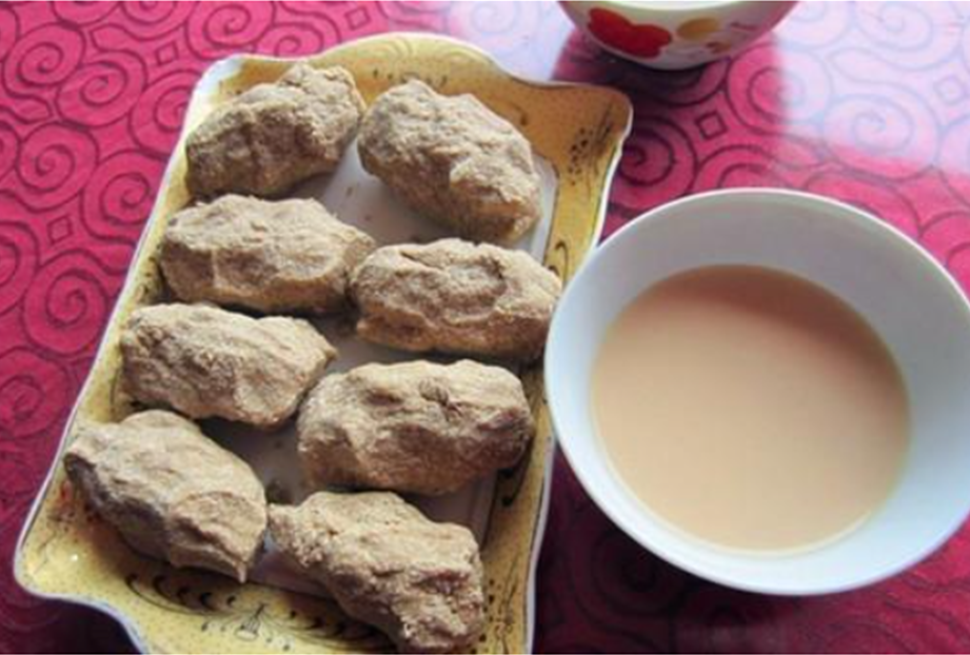
Barkhor Street is a haven for street food lovers, offering an array of tantalizing snacks that are both delicious and affordable. From steaming bowls of thukpa (noodle soup) to crispy momos (dumplings), each bite tells a story steeped in Tibetan tradition. Don’t miss out on trying some sweet barley tea or yak butter tea, which perfectly complements the savory delights available at various Barkhor bazaar shops.
As you navigate through Barkhor Bazaar Tibet, keep your eyes peeled for vendors serving up freshly made tsampa—a traditional roasted barley flour dish often enjoyed with milk or butter. The hustle and bustle around these food stalls creates an energetic vibe that’s hard to resist. Remember to grab a seat at one of the nearby benches to savor your meal while soaking in the vibrant surroundings.
Recommended Local Eateries
While street food is delightful, there are also several recommended local eateries near Barkhor Bazaar where you can enjoy a sit-down meal with authentic Tibetan flavors. One standout restaurant is “The Diner,” known for its hearty servings of yak meat dishes and flavorful curries that will leave your taste buds dancing with joy. Another favorite among locals and tourists alike is “Tashi Restaurant,” where you can enjoy freshly prepared momos served with tangy dipping sauce—an absolute must-try when visiting Barkhor Bazaar.
For those who prefer vegetarian options, Lhasa Kitchen offers an array of delightful dishes made from fresh vegetables and spices sourced locally. You’ll also find cozy cafes along Barkhor Street where you can take a break from shopping and enjoy some traditional Tibetan pastries alongside your favorite beverage—perfect for refueling before diving back into the bustling bazaar atmosphere.
Beverages to Try in the Bazaar
No culinary exploration is complete without sampling some local beverages at Barkhor Bazaar! Start with traditional butter tea (po cha), which combines black tea with yak butter and salt—a unique drink that warms both body and soul amidst Lhasa’s cool climate. If you’re looking for something sweeter, try sweet barley tea (zang cha) or refreshing herbal teas infused with local ingredients; they’re popular choices among visitors exploring Barkhor bazaar history.
Additionally, don’t forget to quench your thirst with locally brewed beers or even homemade fruit juices available at various stalls throughout the market—perfect companions as you wander through vibrant shops filled with handicrafts and souvenirs! With so many options available within this lively bazaar setting, you’ll surely find drinks that complement your culinary journey perfectly.
Barkhor Bazaar Hours and Accessibility

Visiting the Barkhor Bazaar is not just about shopping; it’s also about immersing yourself in the vibrant atmosphere of Tibetan culture. To make the most of your experience, knowing the Barkhor bazaar hours and accessibility options is essential. Here’s what you need to know to navigate this bustling hub with ease.
Barkhor Bazaar Opening Hours
The Barkhor bazaar opening hours are generally from early morning until late evening, making it a convenient destination for both early risers and night owls alike. Most shops along Barkhor Street typically open around 9 AM and close by 9 PM, although some may stay open later during peak tourist seasons. This generous timeframe allows visitors ample opportunity to explore the myriad of stalls selling everything from traditional handicrafts to unique souvenirs.
Best Times to Visit for an Authentic Experience
For an authentic experience at Barkhor Bazaar Tibet, consider visiting during the early morning or late afternoon when foot traffic is lighter. These times provide a more intimate atmosphere, allowing you to engage with local vendors and appreciate their crafts without feeling rushed. Additionally, if you’re keen on witnessing the spiritual side of life in Lhasa, visiting during prayer times can offer a unique insight into Tibetan culture.
Accessibility Tips for Tourists
Navigating through Barkhor Street can be an adventure in itself, but there are some accessibility tips that can enhance your visit to this iconic bazaar. The area is pedestrian-friendly, making it easy for tourists to stroll through without worrying about vehicular traffic; however, be prepared for uneven surfaces and crowds during peak hours. If you’re traveling with mobility challenges, consider visiting during quieter times or seeking assistance from local guides who can help navigate the bustling bazaar shops.
Conclusion

Barkhor Bazaar is not just a shopping destination; it’s a vibrant tapestry of culture, history, and community that beckons travelers from all corners of the globe. Visitors to Barkhor Bazaar Tibet will find themselves swept away by the lively atmosphere, where every stall tells a story and every interaction brings you closer to Tibetan heritage. Whether you’re haggling for unique souvenirs or simply soaking in the sights and sounds of Barkhor Street, unforgettable experiences await at every turn.
Unforgettable Experiences Await at Barkhor Bazaar
The charm of Barkhor Bazaar lies in its ability to transport you through time while offering modern delights. From the colorful stalls brimming with traditional Tibetan handicrafts to the tantalizing aromas wafting from local eateries, each visit promises something new and exciting. The rich history of Barkhor Bazaar is palpable as you stroll through its ancient alleys, making it an essential stop for anyone eager to experience authentic Tibetan culture.
Plan Your Visit with GuideTibet
To make the most out of your adventure at Barkhor Bazaar, consider planning your visit with GuideTibet for a seamless experience. They provide invaluable insights into the best times to explore during Barkhor bazaar hours, ensuring you avoid crowds while still enjoying all that this bustling market has to offer. With their expertise on Barkhor bazaar opening hours and local customs, you can fully immerse yourself in this enchanting environment without missing a beat.
Engage with Local Culture and Crafts
Engaging with local culture at Barkhor Bazaar is an enriching experience that goes beyond mere shopping; it’s about connecting with artisans who pour their heart into every creation found among the myriad of shops lining Barkhor Street. Don’t hesitate to strike up conversations—many shopkeepers are eager to share their stories and craftsmanship techniques! By supporting these local craftspeople, you’re not only taking home unique treasures but also contributing positively to their vibrant community.