
Introduction
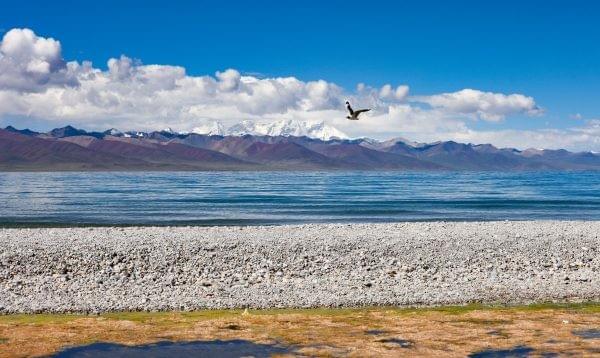
Rivers are the lifeblood of our planet, and few places illustrate their significance better than Tibet. The Tibetan Plateau, often referred to as the Roof of the World, is not only a geographical marvel but also a crucial source for some of the major Asian rivers that nourish millions across the continent. Understanding these rivers from the Tibetan Plateau is essential for grasping their ecological, cultural, and economic importance.
Discover the Importance of Tibetan Rivers
The rivers in Tibet serve as vital arteries for both nature and humanity. They provide fresh water to diverse ecosystems and sustain countless communities that depend on them for agriculture, industry, and daily life. By exploring these rivers from the Tibetan Plateau, we can appreciate their profound influence on regional climates and cultures.
The Role of Major Asian Rivers in the Ecosystem
Major Asian rivers originating from Tibet play a pivotal role in shaping ecosystems far beyond their banks. They support rich biodiversity by providing habitats for various species while also acting as corridors for migration and dispersal. Furthermore, these rivers are crucial in regulating water cycles, influencing weather patterns across vast areas.
Insights into Rivers from the Tibetan Plateau
Rivers from the Tibetan Plateau are not just bodies of water; they are storied pathways that carry history and culture along with their currents. Each river has its unique journey, impacting countries like India, Bangladesh, China, and beyond while weaving together communities through shared resources and traditions. Understanding these waterways offers valuable insights into both local identities and global connections shaped by geography.
Overview of the Tibetan Plateau

The Tibetan Plateau, often referred to as the Roof of the World, is a vast and elevated region that plays a crucial role in shaping the climate and hydrology of Asia. This majestic plateau, with an average elevation exceeding 4,500 meters, is not just a geographical marvel but also a vital source for several major Asian rivers. The unique interplay between its geography and climate creates an environment that supports both diverse ecosystems and rich cultural traditions.
The Geography and Climate
Spanning over 2.5 million square kilometers, the Tibetan Plateau boasts a landscape characterized by towering mountains, deep valleys, and expansive grasslands. Its climate is predominantly cold and dry, with long winters and short summers that influence weather patterns across Asia. This extreme environment contributes to the formation of glaciers that feed many rivers from the Tibetan Plateau, making it an essential water source for millions downstream.
Unique Ecosystem and Biodiversity
The Tibetan Plateau is home to an astonishing array of flora and fauna adapted to its harsh conditions. From resilient alpine plants to unique wildlife such as the snow leopard and Tibetan antelope, this region showcases biodiversity found nowhere else on Earth. The rivers in Tibet further enrich this ecosystem by providing habitats for various aquatic species while supporting agricultural practices in surrounding areas.
Cultural Significance of the Plateau
Beyond its ecological importance, the Tibetan Plateau holds profound cultural significance for numerous communities living in its shadow. It is steeped in history, spirituality, and tradition; many consider it sacred ground intertwined with their beliefs and lifestyles. The rivers from Tibet not only nourish these cultures but also serve as important trade routes that have fostered interactions between different peoples throughout history.
The Indus River: Lifeblood of the Subcontinent

The Indus River, one of the major Asian rivers, is often referred to as the lifeblood of the Indian subcontinent. Originating from the Tibetan Plateau, this majestic river flows through a variety of landscapes before reaching its destination in the Arabian Sea. Its journey not only shapes the geography but also significantly influences the cultures and economies of several countries along its path.
Source and Journey through Regions
The Indus River springs from the glaciers of Tibet, nestled within some of the highest peaks in the world. As it courses southward, it travels through northern India and Pakistan, carving out valleys and providing vital water resources to millions. This river system is intricately connected to other rivers from Tibet, forming a network that sustains diverse ecosystems across multiple regions.
Economic and Cultural Importance
Economically, the Indus River supports agriculture for millions who depend on its waters for irrigation in one of Asia’s most fertile plains. The river also plays a crucial role in trade and transportation, linking various communities along its banks while fostering cultural exchanges that have shaped local traditions over centuries. Festivals celebrating water deities and agricultural bounty reflect how deeply intertwined life along this river is with both economic pursuits and spiritual beliefs.
Challenges Facing the Indus
Despite its importance, the Indus faces numerous challenges that threaten its sustainability as one of Asia’s major rivers. Climate change has led to unpredictable weather patterns affecting rainfall and glacial melt; this impacts water availability downstream where communities rely on it for their livelihood. Additionally, pollution from industrial waste and over-extraction for agriculture further exacerbates these issues, raising concerns about future access to clean water for those living along this vital artery.
The Brahmaputra River: A Journey Through Time

The Brahmaputra River, one of the major Asian rivers, has a storied history that intertwines with the cultures and ecosystems of the regions it traverses. Originating from the Tibetan Plateau, this mighty river flows through breathtaking landscapes before making its way into India and Bangladesh. Its journey is not just a tale of water but also a narrative of life, culture, and environmental challenges.
Origin and Path through Tibet
The Brahmaputra begins its life high in the Tibetan Plateau, where it is known as the Yarlung Tsangpo. This river emerges from the Angsi Glacier and winds its way through deep gorges and majestic mountains, showcasing some of the most stunning scenery found among rivers in Tibet. As it carves its path eastward across Tibet, it gathers strength from tributaries that flow down from snow-capped peaks, eventually transforming into one of Asia’s most significant waterways.
Impact on Bangladesh and India
Upon entering India, the Brahmaputra becomes a lifeline for millions as it supports agriculture, transportation, and fishing industries across Assam and West Bengal. In Bangladesh, this river plays a crucial role in shaping both the economy and culture; its fertile floodplains provide sustenance to countless communities while also serving as a site for rich traditions. The interplay between this major Asian river’s seasonal flooding patterns creates both opportunities for agriculture and challenges for disaster management in these densely populated areas.
Environmental Concerns
Despite its importance, the Brahmaputra faces several environmental concerns that threaten its health and sustainability. Climate change impacts are causing unpredictable shifts in weather patterns which affect water flow levels—this poses risks not only to local ecosystems but also to human livelihoods dependent on these rivers from Tibetan Plateau origins. Additionally, increasing industrialization along its banks leads to pollution that jeopardizes aquatic life; preserving this vital artery is essential for maintaining biodiversity along one of Asia’s most significant waterways.
The Yangtze River: China’s Mightiest River

The Yangtze River, stretching over 6,300 kilometers, is not just the longest river in Asia but also a vital artery for China’s economy and culture. Originating from the Tibetan Plateau, this majestic river flows through diverse landscapes before emptying into the East China Sea. As one of the major Asian rivers, it plays an indispensable role in agriculture, transportation, and energy production.
Source and Significance
The Yangtze’s source is nestled in the glaciers of Tibet’s Tanggula Mountains, where its icy waters begin their epic journey. This river is significant not only for its length but also for its contribution to the ecosystems it nourishes along its banks. Rivers from the Tibetan Plateau like the Yangtze are essential for sustaining life in both rural and urban areas across China.
Historical Importance and Development
Historically, the Yangtze has been a cradle of civilization; it has supported countless communities throughout centuries with fertile lands and abundant resources. The river facilitated trade routes that connected different regions of China, allowing cultures to flourish along its banks. Today, major Asian rivers like the Yangtze continue to drive economic development through initiatives such as hydropower projects that harness its mighty flow.
Current Environmental Issues
Despite its significance, the Yangtze faces numerous environmental challenges that threaten its health and sustainability. Pollution from industrial waste and agricultural runoff has severely impacted water quality, affecting both human populations and wildlife dependent on this vital resource. Conservation efforts are crucial to ensure that this iconic river remains a lifeline for future generations while preserving biodiversity among rivers in Tibet.
The Mekong River: A Cross-Border Giant
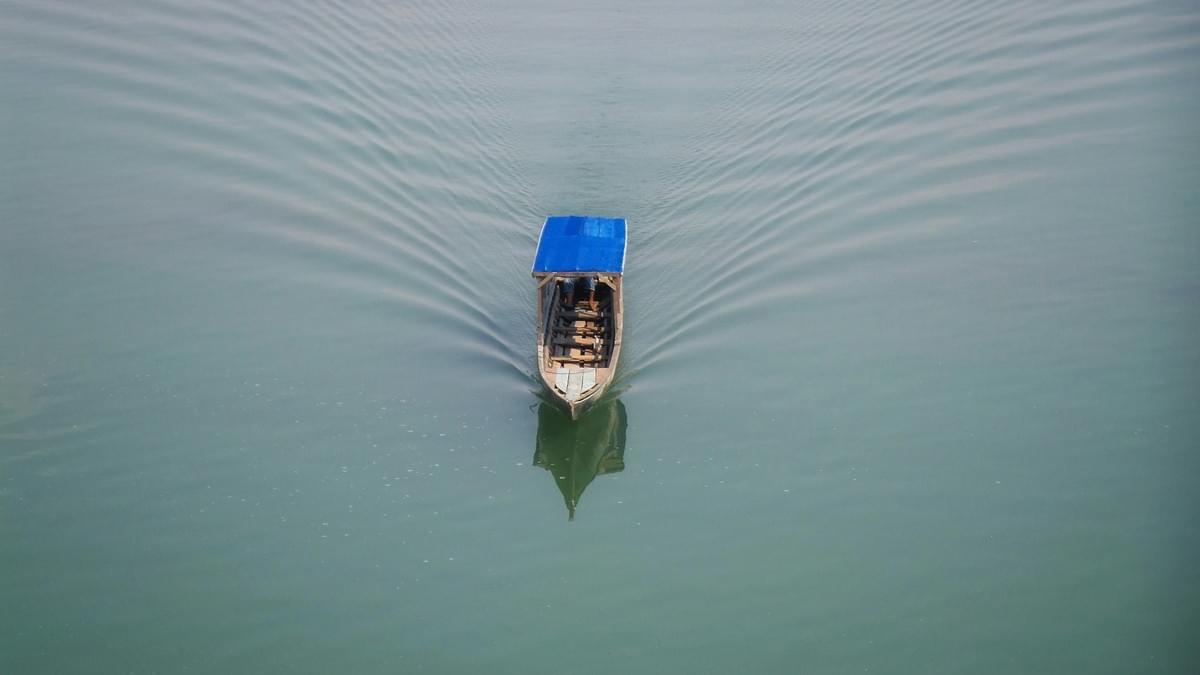
The Mekong River, one of the major Asian rivers, begins its journey in the Tibetan Highlands before winding through several countries, including China, Myanmar, Laos, Thailand, Cambodia, and Vietnam. This river is not just a geographical feature; it’s a lifeline for millions of people who depend on it for their daily needs. Its source in Tibet is critical as it shapes the river’s unique characteristics and influences the ecosystems along its banks.
Journey from the Tibetan Highlands
Emerging from the Tibetan Plateau at an altitude of over 5,000 meters, the Mekong River starts as a small stream that quickly gains momentum as it descends through rugged terrains and deep gorges. As it flows southward through China’s Yunnan Province, this river showcases breathtaking landscapes that include towering mountains and lush valleys. The journey of this river from Tibet to its delta in Vietnam illustrates not only its physical transformation but also how rivers from the Tibetan Plateau can impact diverse cultures and environments along their path.
Economy and Livelihoods Along the Mekong
The Mekong River plays an essential role in supporting economies across Southeast Asia—particularly in agriculture and fishing industries. Communities living along its banks rely heavily on this waterway for irrigation, transportation, and sustenance; it’s no exaggeration to say that without this river, life would be dramatically different for many populations. Moreover, as one of the major Asian rivers contributing to regional trade routes, it fosters economic ties among neighboring countries while providing livelihoods for countless families.
Conservation Efforts and Challenges
Despite its importance, the Mekong faces significant environmental challenges that threaten both biodiversity and human livelihoods. Dams constructed upstream have altered natural flow patterns which disrupt fish migration routes vital for local fisheries—a primary food source for millions. Conservation efforts are underway to address these issues; however, balancing development with ecological preservation remains a complex challenge that requires cooperation among nations sharing this vital waterway.
Conclusion

The rivers originating from the Tibetan Plateau are not just mere water bodies; they are the lifeblood of entire regions, shaping ecosystems and cultures alike. The unmatched diversity of Tibetan rivers contributes significantly to the flow of major Asian rivers, creating a network that supports millions of lives across various landscapes. From the mighty Indus to the majestic Brahmaputra, these rivers play crucial roles in agriculture, economy, and spirituality in Asia.
The Unmatched Diversity of Tibetan Rivers
Tibet is often regarded as the Water Tower of Asia, and for good reason—its rivers are a testament to nature’s artistry and resilience. The unique geography and climate of the Tibetan Plateau give rise to an array of river systems that feed into some of the major Asian rivers. Each river tells its own story through its winding paths, ecological significance, and cultural heritage, enriching the tapestry of life in this region.
The Future of Rivers in Tibet
As we look ahead, the future of these vital waterways hangs in a delicate balance due to climate change and human intervention. Sustainable practices must be prioritized to ensure that rivers from the Tibetan Plateau continue to nourish both ecosystems and communities reliant on them. Protecting these precious resources is essential not only for Tibet but also for maintaining healthy flows within major Asian rivers downstream.
Exploring Tibet with GuideTibet
For those eager to experience firsthand the wonders of Tibet’s diverse rivers, GuideTibet offers an unparalleled opportunity for exploration and adventure. Whether you’re trekking along riverbanks or engaging with local communities who depend on these waterways, you’ll gain insights into how integral these rivers are to life in Tibet. With knowledgeable guides leading your journey through this breathtaking landscape, you’ll leave with memories that flow as deep as the major Asian rivers themselves.


