Tibetan prayer flags, often seen fluttering in the wind across the Himalayan landscape, are not just colorful pieces of fabric; they carry profound meaning and cultural significance. These vibrant banners serve as a bridge between the physical and spiritual realms, embodying hopes for peace, compassion, and good fortune. Understanding Tibetan prayer flags invites us to explore their origins, meanings, and the purpose behind their striking colors.
Understanding Tibetan Prayer Flags
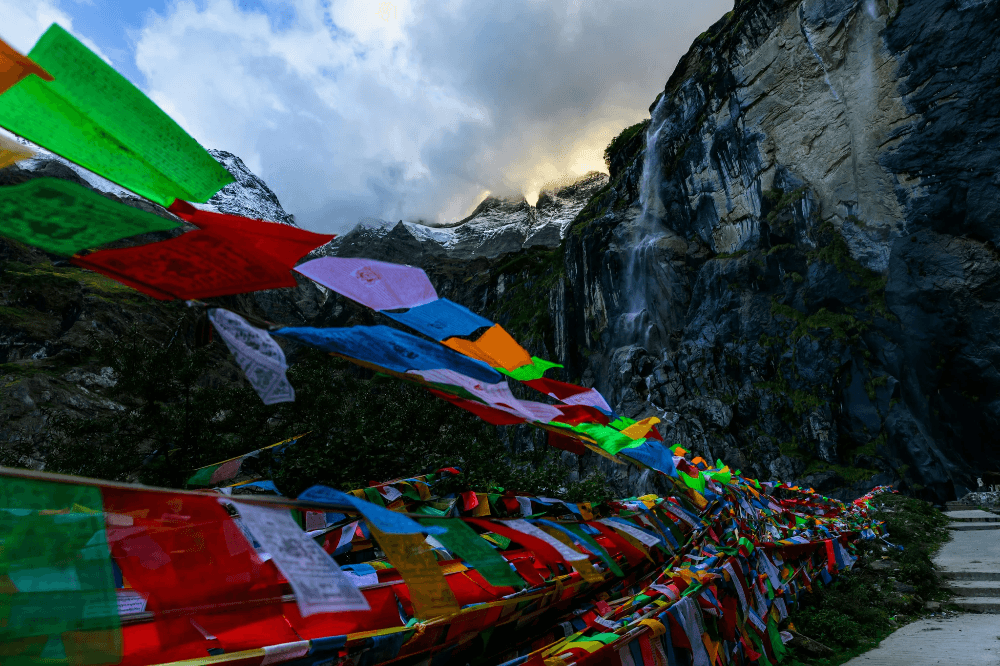
Tibetan prayer flags are traditionally made of five colors representing the elements: blue for sky, white for air, red for fire, green for water, and yellow for earth. Each flag is adorned with symbols or mantras that convey messages of positivity and well-wishing to all beings. As you delve deeper into what do the Himalayan flags mean?, you’ll find that they are more than decorative items; they are expressions of spirituality woven into daily life.
The Cultural Significance of Himalayan Flags
Himalayan flags hold a prominent place in various cultures influenced by Tibetan Buddhism. They are often displayed at monasteries, homes, and even along mountain passes to spread blessings across vast distances through wind dispersal. This cultural significance raises an important question: Is it okay to have Tibetan prayer flags? The answer lies in understanding their history and respecting their traditions while appreciating their beauty.
Purpose Behind the Colors
The colors used in Tibetan prayer flags are not merely aesthetic choices; each hue serves a specific purpose aligned with Buddhist teachings. For instance, blue symbolizes healing and skyward aspirations while red embodies love and passion—qualities that resonate deeply within Buddhist philosophy. When we ask ourselves what are the colorful flags in Buddhism?, it becomes clear that these vibrant textiles encapsulate a rich tapestry of beliefs aimed at fostering harmony among all living things.
The Origins of Tibetan Prayer Flags
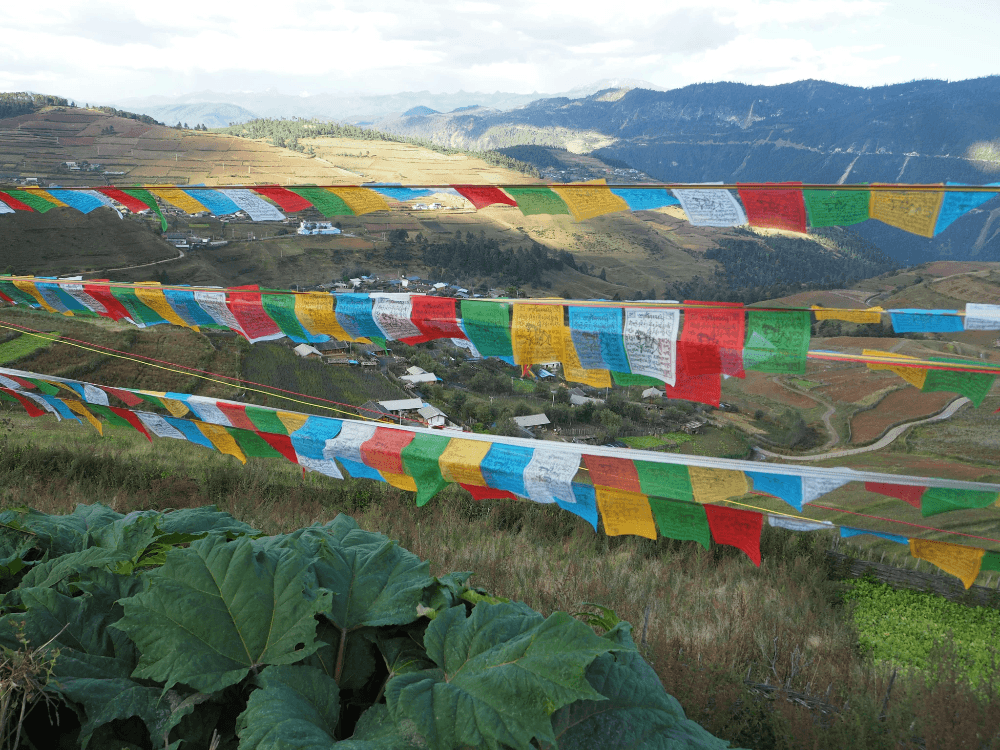
The journey of Tibetan prayer flags is steeped in a rich historical context that intertwines with the teachings of Tibetan Buddhism. These colorful flags, often fluttering in the wind atop mountain passes or hanging in courtyards, have been used for centuries as a means to spread good fortune and positive energy. Understanding their origins provides insight into what do the Himalayan flags mean today and how they continue to influence spiritual practices.
Historical Context in Tibetan Buddhism
Tibetan prayer flags trace their roots back to ancient traditions that predate Buddhism itself, where they were used for various rituals and ceremonies. With the advent of Buddhism in Tibet during the 7th century, these flags were adopted and adapted to convey Buddhist teachings and prayers. The five colors of the flags—blue, white, red, green, and yellow—correspond to elements like sky, air, fire, water, and earth; thus linking them closely to Buddhist philosophies about balance and harmony.
Influence of Tibetan Culture
Tibetan culture has significantly shaped the design and use of these vibrant Himalayan flags over time. Each flag is adorned with symbols such as mantras or images of deities that reflect local beliefs and values rooted in compassion and peace. This cultural infusion makes it essential to understand not just what are the colorful flags in Buddhism but also how they resonate with daily life practices among Tibetans.
The Role of Prayer Flags in Daily Life
In everyday life, Tibetan prayer flags serve multiple purposes beyond mere decoration; they are integral to spiritual practice for many individuals living in the Himalayas. Hung outside homes or along trekking paths, these flags are believed to carry prayers on the wind as they flutter—a beautiful way to connect with nature while invoking blessings for health and happiness. As people ponder whether it’s okay to have Tibetan prayer flags at home or elsewhere, it’s crucial to appreciate their role as conduits for positive energy rather than merely decorative items.
What Do the Himalayan Flags Mean?
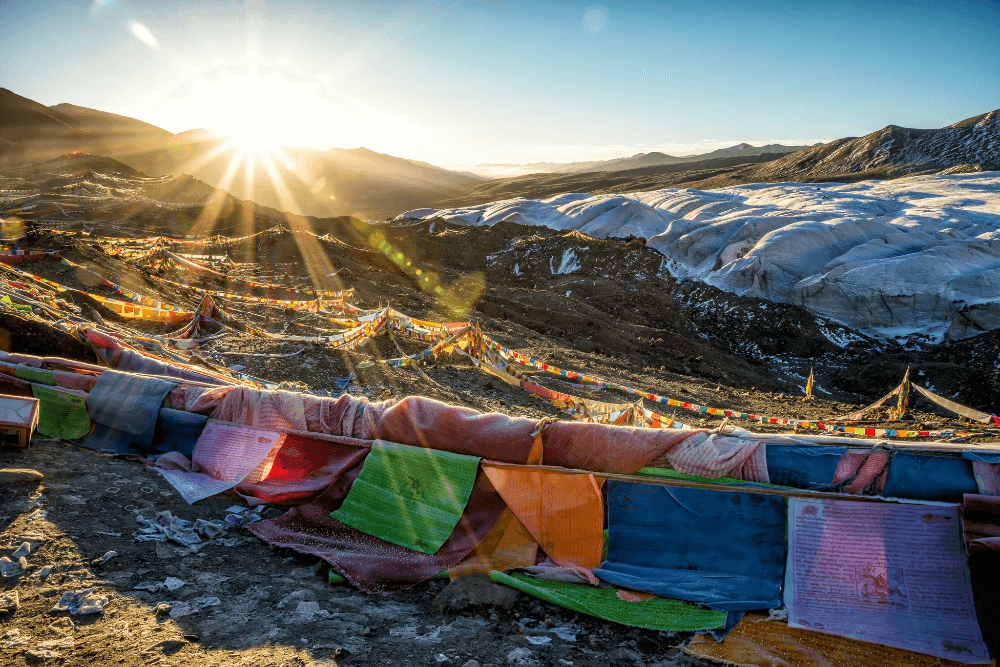
Tibetan prayer flags, often fluttering in the mountain breeze, carry deep meanings rooted in spiritual traditions. These colorful flags are not merely decorative; they serve as a medium for conveying messages of goodwill and compassion to the world. When asking, What do the Himalayan flags mean? it’s essential to delve into their symbolism, messages of peace, and connections to local spiritual beliefs.
Symbolism Behind the Designs
The designs on Tibetan prayer flags are rich with symbolism, each element carefully chosen to convey specific meanings. The five colors—blue, white, red, green, and yellow—represent different elements: sky, air, fire, water, and earth respectively. Additionally, images of deities and auspicious symbols like the lotus flower or the endless knot are often included to invoke blessings and protection.
These elements together create a tapestry of meaning that resonates with those who understand their significance. The vibrant colors of these **himalayan flags** are not just for aesthetics; they embody various aspects of Buddhist philosophy and nature’s balance. When displayed properly outdoors or in sacred spaces, these colorful flags in Buddhism become conduits for positive energy that permeates their surroundings.
Messages of Peace and Compassion
At their core, **himalayan flags** convey powerful messages of peace and compassion for all beings. Each time a gust of wind flutters through these colorful banners, it is believed that prayers written on them are carried into the universe to spread goodwill among all living things. This practice aligns with Buddhist teachings that emphasize loving-kindness (metta) as an essential virtue.
The intention behind hanging these flags is not merely personal but communal; they aim to benefit everyone who encounters them by promoting harmony and understanding. In this way, asking Is it okay to have Tibetan prayer flags? can be answered affirmatively when one respects their cultural roots and uses them mindfully as symbols of unity rather than mere decorations.
Connection to Local Spiritual Beliefs
The significance of **himalayan flags** extends beyond Buddhism into local spiritual beliefs prevalent in regions where these practices thrive. Many communities view these colorful banners as integral parts of rituals and celebrations that honor ancestors or deities specific to their culture. This connection emphasizes how Tibetan prayer flags serve not only religious purposes but also foster community bonds through shared beliefs.
Moreover, many people find personal meaning in displaying **Tibetan prayer flags**, drawing from both tradition and individual spirituality. They may use them during meditation or as reminders of hope during challenging times—a beautiful blend between ancient customs and contemporary life experiences. Thus, while exploring “What are the 5 Tibetan prayer flags?” one realizes they embody collective aspirations for peace across cultures.
Different Types of Tibetan Prayer Flags
Tibetan prayer flags, often referred to as Himalayan flags, come in various types that each hold unique significance. These colorful flags are not just decorative; they serve as vessels for prayers and messages meant to spread goodwill and compassion across the world. Understanding what the 5 Tibetan prayer flags are can deepen our appreciation for their cultural and spiritual importance.
What Are the 5 Tibetan Prayer Flags?
The five Tibetan prayer flags represent the five elements: earth, water, fire, air, and space. Each flag carries a specific color that corresponds to these elements—blue for sky, white for air, red for fire, green for water, and yellow for earth. Together, these colorful flags in Buddhism create a harmonious balance that promotes peace and harmony within the environment.
Unique Features of Each Flag
Each of the 5 Tibetan prayer flags has its own unique features that reflect its elemental significance. For instance, blue symbolizes infinite sky and is often adorned with images of auspicious symbols like dragons or clouds. Red represents fire and is usually decorated with mantras or deities associated with transformation; while green signifies water and is often embellished with symbols representing growth and renewal—each flag tells a story through its intricate designs.
Common Uses and Locations
Himalayan flags can be found fluttering in various locations—from monasteries perched on mountain tops to homes nestled in valleys. They are typically displayed outdoors so that the wind can carry their prayers into the universe; thus answering the question: Is it okay to have Tibetan prayer flags? Absolutely! Many people choose to hang them in gardens or on balconies as a way to invite positive energy into their spaces while honoring their spiritual significance.
Is It Okay to Have Tibetan Prayer Flags?
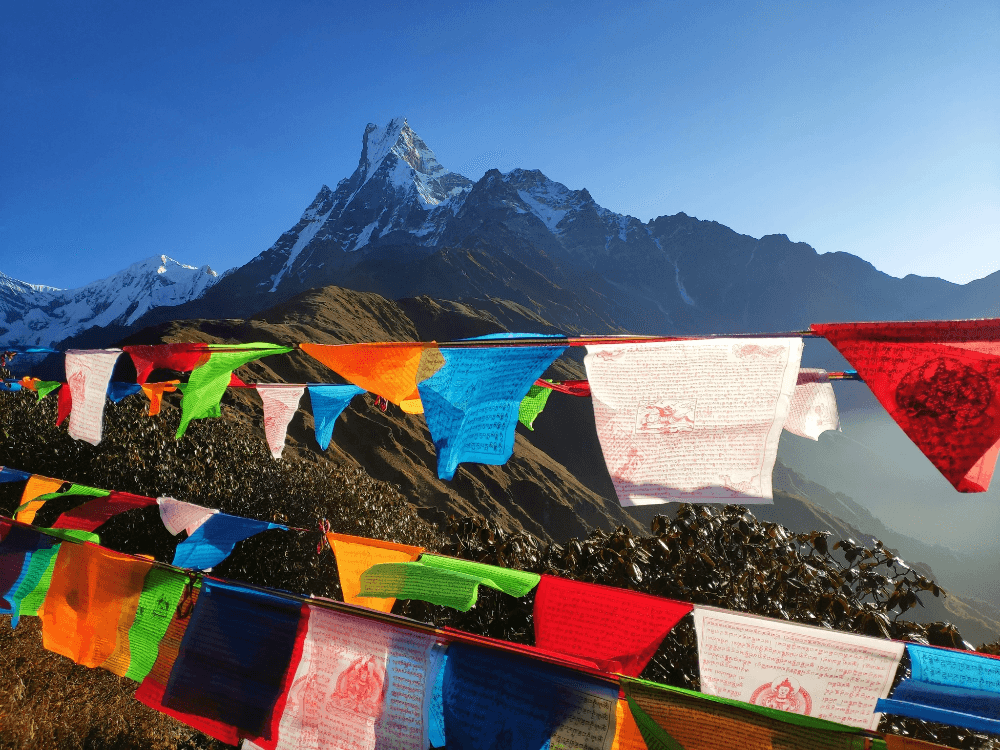
Tibetan prayer flags, often seen fluttering in the wind, evoke a sense of spirituality and connection to nature. However, the question arises: Is it okay to have Tibetan prayer flags? The answer lies in understanding the intricate balance between cultural appreciation and appropriation, ensuring that these beautiful symbols are respected while being utilized in various contexts.
Cultural Appropriation vs. Appreciation
When discussing whether it’s appropriate to have Tibetan prayer flags, it’s essential to differentiate between cultural appropriation and appreciation. Cultural appropriation involves taking elements from a culture without understanding or respecting their significance—often reducing them to mere decorative items. In contrast, appreciating Himalayan flags means recognizing their roots in Tibetan Buddhism and honoring their purpose by learning what they symbolize and how they can be integrated thoughtfully into one’s life.
To truly appreciate these colorful flags in Buddhism, one should delve into their meanings and origins. Understanding that each flag carries specific messages of peace, compassion, and goodwill helps foster respect for the culture they represent. This approach not only enriches your own experience but also honors the traditions of those who created these meaningful symbols.
Proper Usage and Display Guidelines
If you decide to incorporate Tibetan prayer flags into your space, following proper usage and display guidelines is vital for showing respect towards this cultural artifact. Traditionally, these colorful flags are hung outdoors where the wind can carry their prayers across vast distances; thus displaying them outdoors is often recommended for optimal effect. Placing them at high altitudes or on rooftops allows the messages of peace embedded within each flag to spread far and wide.
When displaying Himalayan flags indoors, consider using them as part of a meditation space or personal altar where they can enhance mindfulness practices. Ensure that they’re treated with care; avoid placing them near items associated with negative energy or cluttered spaces that may detract from their spiritual essence. By adhering to these guidelines, you reinforce a respectful relationship with Tibetan culture while enjoying the beauty of these vibrant symbols.
Creating Your Own Meaning
One of the most beautiful aspects of having Tibetan prayer flags is that individuals can create personal meanings tied to their presence in daily life. While understanding what do the Himalayan flags mean is crucial for respect, you also have the opportunity to infuse your interpretation into this ancient art form. You might choose specific colors based on your intentions—such as blue for healing or green for balance—making your display uniquely yours while still honoring tradition.
Consider writing your own prayers or affirmations on blank pieces of fabric before hanging them alongside traditional prayer flags; this practice blends personal significance with cultural heritage beautifully! Additionally, sharing stories about what inspired you to incorporate these colorful Buddhist symbols into your life can promote dialogue about cultural exchange rather than appropriation among friends and family.
In summary, embracing Tibetan prayer flags offers an enriching experience when approached with awareness and intention—transforming mere decoration into a powerful symbol of hope and unity across cultures.
The Spiritual Benefits of Tibetan Prayer Flags
Tibetan prayer flags, often fluttering in the wind, are not just colorful pieces of fabric; they serve as powerful tools for spiritual enhancement. These vibrant Himalayan flags are imbued with meaning and intention, creating an atmosphere conducive to meditation and mindfulness. By incorporating these flags into your space, you can elevate your spiritual practice and deepen your connection to the world around you.
Enhancing Meditation and Mindfulness
When it comes to meditation, the right environment can make all the difference. The presence of Himalayan flags in your meditation space can inspire a sense of tranquility and focus that is essential for deepening mindfulness practices. What do the Himalayan flags mean? Each flag carries specific symbols and mantras that promote peace and compassion, allowing practitioners to connect more profoundly with their intentions during meditation.
Incorporating these colorful flags into your routine can also serve as a visual reminder to stay present. As they flutter in the breeze, they invite you to pause and reflect on your thoughts while grounding you in the moment. So if you’re wondering about what are the colourful flags in Buddhism, know that they’re more than just decoration—they’re an invitation to cultivate inner peace.
Fostering a Sense of Community
Tibetan prayer flags have a unique ability to foster connections among individuals who share similar values or spiritual beliefs. Displaying these vibrant Himalayan flags creates a communal atmosphere that encourages dialogue about shared experiences and aspirations for peace and compassion. Is it okay to have Tibetan prayer flags? Absolutely! When used respectfully, these symbols can unite people around common goals while celebrating cultural heritage.
Gathering with friends or family under a canopy of colorful flags can transform any gathering into a meaningful experience filled with shared intentions for well-being. Whether it’s at home or during community events, these flags act as beacons of hope that remind us we’re all part of something bigger than ourselves. So when you see those fluttering colors overhead, remember—they’re not just pretty; they’re also powerful connectors.
Invoking Positive Energy in Your Space
The energy surrounding us plays an essential role in our daily lives, influencing our mood and overall well-being. Tibetan prayer flags are believed to carry prayers on the wind—spreading positive energy wherever they fly—which makes them perfect additions to any home or workspace seeking upliftment. By displaying what are the 5 Tibetan prayer flags around your environment, you invite an aura of positivity that resonates with everyone who enters.
These colorful banners not only beautify spaces but also serve as gentle reminders of our highest aspirations—encouraging love, compassion, healing, and wisdom throughout our day-to-day activities. As we interact within this positive energy field created by Himalayan flags, we find ourselves inspired toward greater kindness both towards ourselves and others around us.
Conclusion

In wrapping up our exploration of Tibetan prayer flags, it’s clear that these colorful symbols are more than just decorative items—they embody a rich spiritual essence deeply rooted in the culture of the Himalayas. Understanding what do the Himalayan flags mean can enhance our appreciation for their significance, connecting us to centuries of tradition and belief. Whether you’re drawn to their vibrant colors or their profound messages, embracing the spiritual essence of these flags invites a sense of peace and mindfulness into our lives.
Embracing the Spiritual Essence
The spiritual essence of Tibetan prayer flags resonates with many who seek tranquility and connection in a fast-paced world. These vibrant pieces serve as reminders to cultivate compassion and spread positive energy, encouraging us to reflect on what are the colorful flags in Buddhism truly represent. By incorporating them into our daily lives, we not only honor their origins but also invite an atmosphere of serenity and goodwill.
Incorporating Flags into Modern Life
Incorporating Tibetan prayer flags into modern life can be both meaningful and aesthetically pleasing. They can adorn balconies, gardens, or meditation spaces while serving as constant reminders of peace and harmony—perfect for those pondering if it is okay to have Tibetan prayer flags in non-Himalayan settings. By understanding what are the 5 Tibetan prayer flags and their unique meanings, individuals can thoughtfully select which flags resonate most with them.
Exploring Tibet with GuideTibet
For those intrigued by this beautiful tradition, exploring Tibet with GuideTibet offers an immersive experience that goes beyond mere sightseeing. Travelers will learn about the rich history behind these symbols while discovering firsthand what do the Himalayan flags mean within local communities. This journey not only deepens appreciation for Tibetan culture but also inspires travelers to carry home a piece of this spirituality through their own practice with these enchanting colorful flags.