Introduction
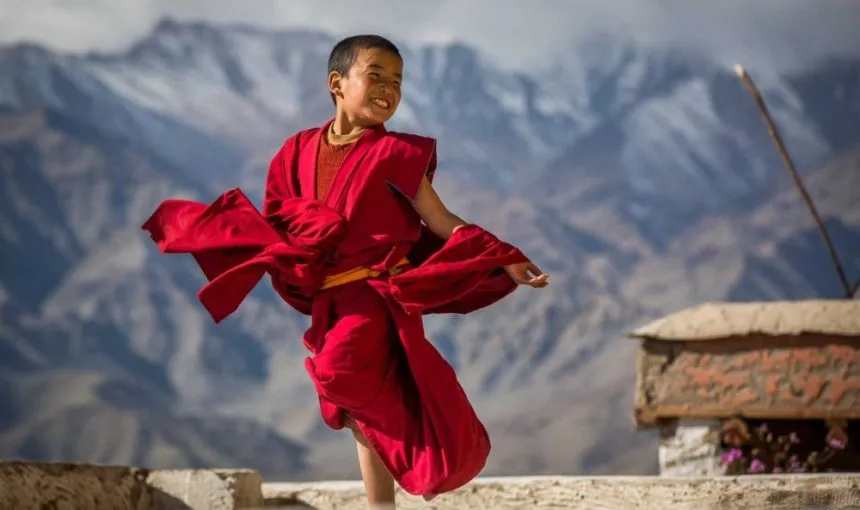
The Buddhist monk lifestyle offers a fascinating glimpse into a world where simplicity, mindfulness, and spiritual growth take center stage. For those curious about what daily life is like for a Buddhist monk, it’s much more than just meditation and chanting; it’s an intricate tapestry woven with rituals, community service, and personal discipline. However, one of the most intriguing aspects of this lifestyle is the relationship dilemma monks face—can they have a girlfriend while adhering to their vows?
Discovering the Buddhist Monk Lifestyle
Exploring the Buddhist monk lifestyle reveals a commitment to peace and enlightenment that many find inspiring. Monks dedicate their lives to spiritual practice, often living in monasteries where they engage in meditation, study, and community work. This unique way of life raises questions about how monks balance their spiritual aspirations with human emotions and connections.
Daily Life: A Glimpse into Monastic Routine
What is daily life like for a Buddhist monk? The answer lies in a structured routine filled with morning rituals that set the tone for the day ahead. From early morning meditation sessions to communal meals prepared with care, every aspect of monastic life serves as an opportunity for mindfulness and reflection.
The Relationship Dilemma for Monks
One of the most compelling questions surrounding the monk lifestyle is whether Buddhist monks can have girlfriends or romantic relationships at all. The celibacy code plays a significant role here; it’s not just about abstaining from physical intimacy but also about fostering deeper spiritual growth without distractions. Navigating emotional attachments becomes a delicate balancing act that challenges many monks as they strive to maintain their commitments while grappling with human feelings.
What is Daily Life Like for a Buddhist Monk?
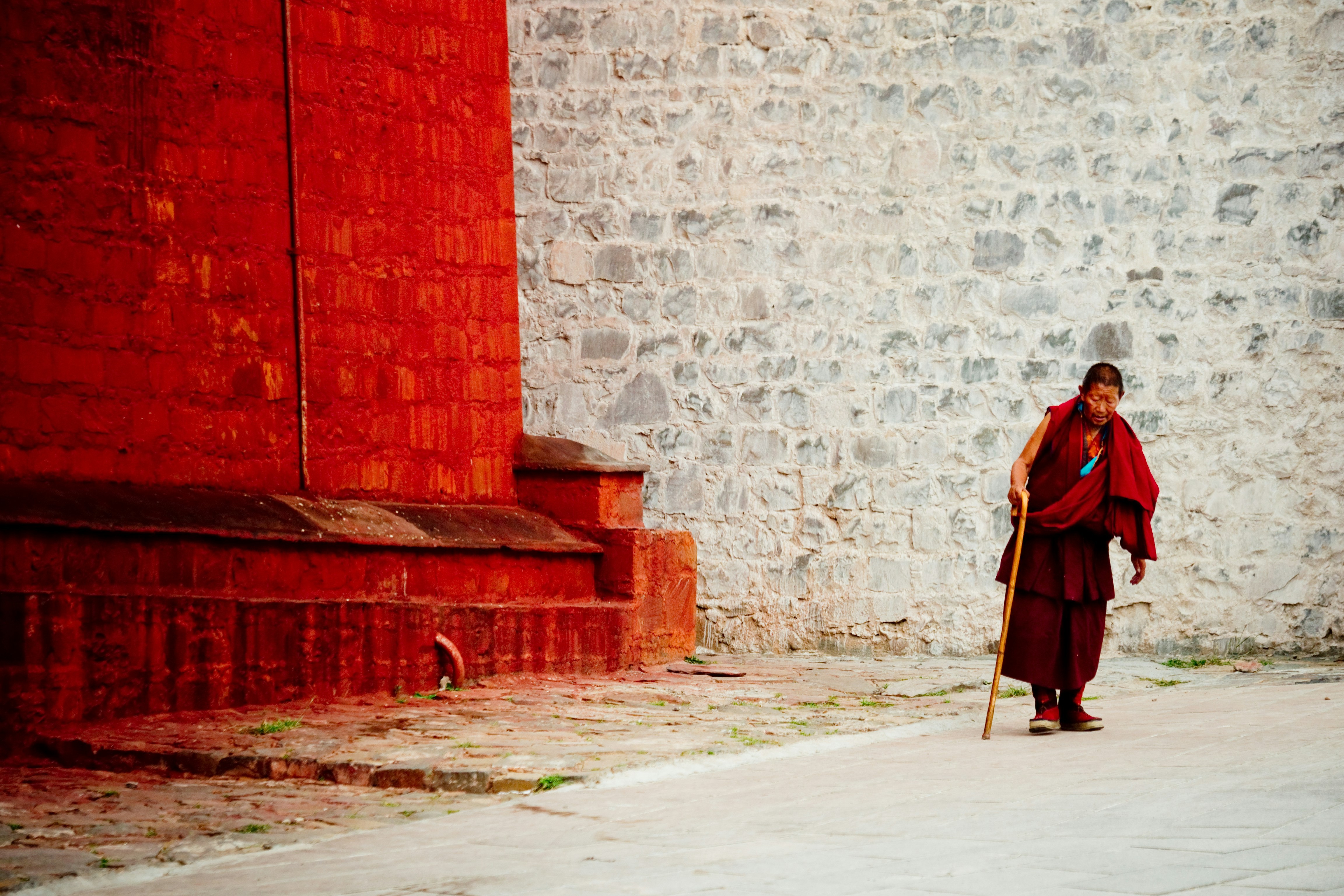
The daily life of a Buddhist monk is steeped in rituals, community engagement, and mindful practices that reflect their commitment to spiritual growth. Understanding what daily life is like for a Buddhist monk reveals the simplicity and discipline that characterize this unique lifestyle. From early morning rituals to communal responsibilities, each aspect of their day is designed to cultivate mindfulness and compassion.
Morning Rituals and Meditation
The day for a Buddhist monk often begins before dawn, with morning rituals that set the tone for the rest of the day. These rituals typically include chanting, meditation, and reflection—activities that are integral to maintaining focus on their spiritual path. The quietude of early mornings allows monks to connect with their inner selves, reinforcing the core principles of the Buddhist monk lifestyle.
Meditation plays a crucial role in these morning routines; it helps monks cultivate mindfulness and clarity. Through various forms of meditation—such as sitting or walking—monks learn to observe their thoughts without attachment or judgment. This practice not only enhances personal insight but also prepares them for engaging with the world throughout the day.
The Role of Community and Community Service
Community is at the heart of what daily life is like for a Buddhist monk; it fosters connection, support, and shared purpose among monastic members. Monks often engage in community service as part of their duties, helping local populations through charitable acts or educational programs. This sense of service reinforces their commitment to compassion while allowing them to live out core teachings in practical ways.
Additionally, communal living encourages collaboration among monks as they share responsibilities related to temple maintenance, cooking, and teaching others about Buddhism. By working together harmoniously, they create an environment where everyone can thrive spiritually and emotionally. Ultimately, this interconnectedness exemplifies how what do Buddhist monks do extends beyond personal practice into meaningful contributions within society.
Sustenance: Monks and Their Diet
When exploring what do Buddhist monks do regarding sustenance, it’s essential to understand that their diet reflects both simplicity and mindfulness—a key aspect of the monk lifestyle. Most monks follow vegetarian diets based on ethical considerations related to non-violence (ahimsa) towards all living beings. Meals are often taken communally after morning alms rounds where they receive food offerings from laypeople—a beautiful exchange that strengthens community ties.
Mealtime itself becomes an opportunity for mindful eating; monks practice gratitude by reflecting on each morsel’s origin before consuming it slowly and thoughtfully. By focusing on nourishment rather than indulgence or excesses typical in modern diets, they embrace principles that align with spiritual growth while maintaining physical health. Overall, understanding what is daily life like for a Buddhist monk includes recognizing how diet supports both individual well-being and broader ethical commitments.
Can Buddhist Monks Have a Girlfriend?
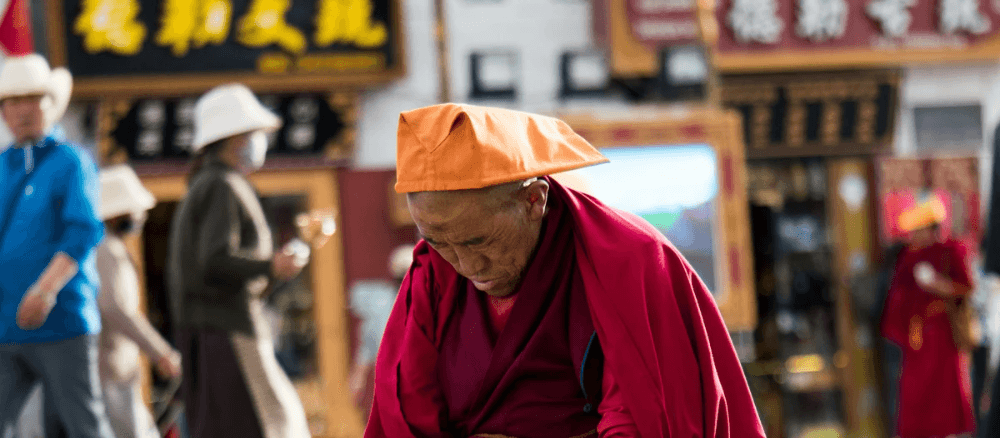
When discussing the Buddhist monk lifestyle, one might wonder about the complexities of relationships, particularly romantic ones. The question Can Buddhist monks have a girlfriend? often arises, leading to a deeper exploration of their celibacy code and its implications on personal growth and emotional attachments. Understanding this aspect is crucial for grasping what is daily life like for a Buddhist monk and how it shapes their existence.
The Celibacy Code Explained
At the heart of the Buddhist monk lifestyle lies the celibacy code, which serves as a guiding principle for many monks across different traditions. This commitment to celibacy is rooted in the belief that sexual relationships can lead to attachment and distraction from spiritual pursuits. Essentially, by refraining from romantic entanglements, monks can focus on meditation and enlightenment—key components of what do Buddhist monks do in their daily lives.
For those wondering about what is daily life like for a Buddhist monk, it’s important to note that this celibate path fosters an environment where personal relationships are secondary to spiritual development. Monks dedicate themselves fully to their practice, often engaging in community service and teaching—activities that help them grow spiritually while also benefiting others. Thus, while love may be an alluring concept, it takes a backseat in monastic life.
Personal Relationships and Spiritual Growth
In examining whether Buddhist monks can have girlfriends or engage in romantic relationships at all, it’s essential to consider how personal connections impact spiritual growth. Monks believe that true understanding comes from letting go of attachments—be they emotional or physical—and focusing on inner peace instead. This philosophy aligns with what do Buddhist monks do when they prioritize meditation over personal desires.
Moreover, many monks view friendships within their monastic community as vital for support and encouragement on their spiritual journeys. These platonic bonds can foster camaraderie without straying into romantic territory, allowing them to maintain focus on their commitments while still enjoying meaningful interactions with others who share similar values. In essence, these friendships contribute positively to their overall well-being without conflicting with the principles of the monk lifestyle.
Navigating Emotional Attachments
While celibacy is fundamental to the monk lifestyle, navigating emotional attachments remains an inevitable part of being human—even for those who have chosen this path. Monks may experience feelings of affection or longing; however, they are trained to observe these emotions without becoming attached or overwhelmed by them. This practice cultivates resilience and self-awareness—qualities that enhance both their spiritual journey and understanding of what do Buddhist monks do in facing life’s challenges.
Additionally, some monasteries encourage discussions around emotions as part of mental training; this helps monks process feelings constructively rather than repressing them entirely. By learning how to manage emotional attachments wisely, they remain committed to their vows while still acknowledging human experiences—a balancing act that exemplifies maturity within the context of monastic life. Ultimately, this approach allows them not only to thrive spiritually but also enriches what do Buddhist monks do beyond meditation alone.
What Do Buddhist Monks Do for a Living?

The question of what Buddhist monks do for a living often leads to intriguing insights into the monk lifestyle. While many might imagine them solely engaged in meditation or prayer, their daily lives are rich with responsibilities that extend far beyond the cushion. From community service to teaching, the roles they take on reflect a commitment to both personal growth and societal contribution.
Monastic Responsibilities: Beyond Meditation
In the realm of the Buddhist monk lifestyle, daily responsibilities encompass much more than quiet reflection and meditation. Monks engage in various tasks that support their monastic community and uphold their traditions, such as maintaining temple grounds, preparing meals, and participating in rituals. These activities foster a sense of discipline and teamwork while reinforcing their commitment to spiritual practice.
What is daily life like for a Buddhist monk? It’s filled with structure that balances work and spiritual development; each task is approached with mindfulness. This hands-on approach not only deepens their own practice but also strengthens the bonds within the community—an essential aspect of monastic living.
Teaching and Sharing Wisdom
One significant aspect of what do Buddhist monks do is teaching others about Buddhism’s profound philosophies. Many monks dedicate time to instructing laypeople through classes, retreats, or informal discussions about mindfulness, compassion, and ethical living. This role not only allows them to share wisdom but also reinforces their understanding as they articulate complex concepts.
As educators, they embody principles central to Buddhism by guiding others on their spiritual journeys. The act of teaching becomes a form of practice itself—one that emphasizes patience and clarity while nurturing personal relationships within the broader community. Thus, through sharing knowledge, they contribute significantly to both individual growth and collective enlightenment.
The Role of Fundraising in Monastic Life
Fundraising plays an essential role in sustaining monastic communities; it’s another facet of what do Buddhist monks do for a living that may surprise some people. Many monasteries rely on donations from lay supporters who believe in their mission or wish to support communal activities like education or charity work. Monks often organize events or engage with local businesses to raise funds necessary for maintaining temple facilities and supporting charitable initiatives.
This aspect of monk lifestyle underscores an important truth: financial stability allows these communities to thrive while continuing their spiritual practices without interruption. Fundraising efforts also serve as opportunities for connection between monks and laypeople—a reminder that both groups are integral parts of the larger Buddhist ecosystem. Ultimately, it illustrates how intertwined spirituality can be with practical needs in sustaining a vibrant community.
What Do Buddhist Monks Do for Fun?
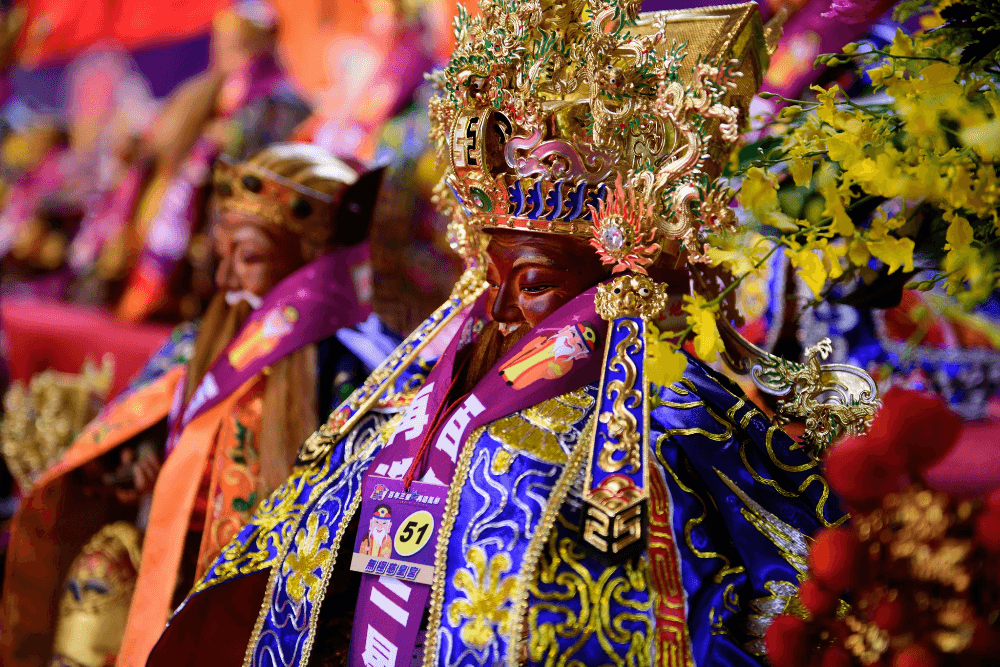
When we think about the **buddhist monk lifestyle**, it might seem like a series of solemn rituals and meditative practices. However, monks also find joy and fulfillment in various activities that reflect their cultural heritage and personal interests. Understanding what Buddhist monks do for fun provides a fascinating glimpse into their holistic approach to life.
Engaging in Cultural Activities
Cultural activities play a significant role in the daily lives of monks, enriching their experience beyond meditation and monastic duties. Many monks participate in traditional festivals, music performances, and dance, celebrating their rich heritage while fostering community bonds. These events not only offer enjoyment but also serve as opportunities to share teachings and values from the **buddhist monk lifestyle** with others.
In addition to festivals, many monasteries host workshops where monks can learn traditional crafts or engage with local artists. This interaction deepens their connection to the community while allowing them to express creativity through art forms unique to their culture. So when pondering **what is daily life like for a Buddhist monk?**, remember that cultural engagement is an essential aspect of their existence.
The Importance of Arts and Crafts
The practice of arts and crafts among monks is not merely recreational; it serves as a form of meditation in itself. Through activities such as painting thangkas (Buddhist paintings) or creating intricate mandalas, monks channel their focus and mindfulness into tangible creations. This artistic expression reflects the deeper philosophies of Buddhism while offering them moments of tranquility amidst busy schedules.
Crafting can also foster community spirit within monastic settings, as many monks collaborate on projects that beautify temples or serve charitable purposes. By engaging in arts and crafts, they find joy while reinforcing principles like compassion and generosity—key tenets of the **buddhist monk lifestyle**. Thus, when exploring **what do Buddhist monks do for fun**, consider how these creative outlets contribute significantly to both personal growth and communal harmony.
Recreational Practices and Mindfulness
Recreational practices among Buddhist monks often incorporate elements of mindfulness—transforming leisure time into opportunities for spiritual growth. Activities such as hiking through serene landscapes or practicing martial arts allow them to connect with nature while honing physical skills essential for well-being. These experiences remind us that even within the confines of monastic life, there’s room for enjoyment without deviating from core values.
Moreover, many monasteries encourage group games that foster camaraderie among residents—think friendly competitions involving archery or team sports adapted with mindful principles! Such engagements help cultivate balance between discipline and playfulness within the **monk lifestyle** framework. Ultimately, these recreational practices illustrate how vibrant life can be even under strict vows; it’s all about finding harmony between duties and joyful pursuits.
Exploring the Diverse Monk Lifestyle Across Cultures

The Buddhist monk lifestyle varies greatly across different cultures, each with its unique customs and practices. Understanding these differences provides valuable insights into what daily life is like for a Buddhist monk, revealing how local traditions influence monastic routines. From the serene mountains of Tibet to the tranquil gardens of Japan, the monastic experience is enriched by cultural diversity.
A look at Tibetan Monks and Their Customs
Tibetan monks are renowned for their vibrant rituals and deep spiritual practices that reflect their rich cultural heritage. Daily life for a Tibetan monk involves early morning prayers, intricate mandala creation, and extensive meditation sessions that foster inner peace. The colorful robes they wear symbolize their commitment to the Buddhist monk lifestyle, while their customs emphasize compassion and community service as essential components of spiritual growth.
In addition to meditation, Tibetan monks often engage in traditional arts such as thangka painting and chanting mantras, which serve both as a form of worship and an expression of their beliefs. The unique aspect of their lifestyle also includes elaborate festivals that showcase dance and music rooted in centuries-old traditions. For those curious about what Buddhist monks do beyond meditation, these customs highlight a vibrant culture steeped in spirituality.
The Zen Tradition: Simplicity and Focus
Zen Buddhism emphasizes simplicity, mindfulness, and direct experience over elaborate rituals or doctrines. In Zen monasteries, the daily routine is structured around zazen (sitting meditation), which forms the core of what is daily life like for a Buddhist monk in this tradition. Monks practice rigorous discipline through work periods that include gardening or cooking—activities designed to cultivate mindfulness in every task.
The minimalist approach found within Zen teachings encourages practitioners to let go of attachments, including emotional ones—leading many to wonder if can Buddhist monks have a girlfriend? Relationships are viewed through a lens of impermanence; thus, personal connections are often kept at arm’s length to maintain focus on spiritual pursuits. This dedication fosters profound insights into both self-awareness and communal living.
Comparing Theravada and Mahayana Practices
When examining Theravada versus Mahayana practices within Buddhism, one can see distinct differences in philosophy and lifestyle choices among monks. Theravada monks typically adhere strictly to traditional texts; they focus on individual enlightenment through rigorous meditation practices—a hallmark of what do Buddhist monks do within this tradition. In contrast, Mahayana monks embrace a more communal approach that emphasizes compassion towards all beings alongside personal growth.
Both traditions share core values but diverge on how they express them through daily activities—highlighting diverse interpretations of what is monk lifestyle across cultures. While Theravada may prioritize solitary reflection during daily life activities like almsgiving or studying scriptures, Mahayana encourages social engagement through community service projects or teaching laypeople about Buddhism’s teachings. These variations illustrate not only differing beliefs but also how cultural contexts shape monastic experiences globally.
Conclusion
In wrapping up our exploration of the Buddhist monk lifestyle, it becomes clear that this way of living offers profound insights into simplicity and mindfulness. The daily life of a Buddhist monk is carefully structured, emphasizing meditation, community service, and spiritual growth. By embracing these principles, one can find a path toward deeper understanding and fulfillment in their own lives.
Embracing the Journey of Simplicity
The journey of simplicity is at the heart of what it means to live as a Buddhist monk. This lifestyle encourages individuals to strip away distractions and focus on what truly matters—inner peace, compassion for others, and personal growth. In a world often filled with chaos and materialism, adopting elements of the monk lifestyle can lead to greater clarity and contentment.
Monastic Life: Lessons for Modern Living
What do Buddhist monks do that we can apply in our fast-paced lives? Their emphasis on mindfulness teaches us to savor each moment rather than rushing through life without awareness. Additionally, understanding questions like “Can Buddhist monks have a girlfriend?” highlights the importance of personal relationships while navigating emotional attachments with care—an essential lesson for anyone seeking balance in modern relationships.
Exploring Tibet with GuideTibet for Authentic Experiences
For those intrigued by the rich traditions of monastic life, exploring Tibet offers an unparalleled opportunity to witness these practices firsthand. With GuideTibet’s expertise, visitors can gain insight into daily rituals like meditation—what is daily life like for a Buddhist monk?—and engage with local communities committed to preserving their unique culture. By immersing oneself in this environment, one gains not only knowledge but also inspiration drawn from the serene yet vibrant world of Tibetan Buddhism.