Introduction

Tibetan Buddhism is a rich tapestry of spiritual practices and beliefs that has captivated the hearts and minds of many around the world. Introducing Tibetan Buddhism involves not only an exploration of its unique doctrines but also an understanding of its historical roots, which stretch back centuries. As we journey through this fascinating tradition, we will uncover what makes Tibetan Buddhism distinct from other forms of Buddhism, including its vibrant culture and community.
Understanding Tibetan Buddhism
So, what is Tibetan Buddhism’s belief? At its core, Tibetan Buddhism emphasizes the importance of compassion, wisdom, and the pursuit of enlightenment through various practices such as meditation and rituals. Unlike some other branches of Buddhism that focus primarily on individual enlightenment, Tibetan Buddhism incorporates a communal aspect where practitioners often gather in monasteries to support one another on their spiritual journeys.
The Historical Roots of Tibetan Buddhism
The historical roots of Tibetan Buddhism can be traced back to the 7th century when it began to flourish under the patronage of King Songtsen Gampo. This period marked a significant turning point as Indian Buddhist texts were translated into Tibetan, laying the groundwork for future developments in this unique form of spirituality. Over time, various schools emerged within Tibetan Buddhism, each contributing to its rich diversity while maintaining a shared lineage with traditional Buddhist teachings.
Key Beliefs and Practices
What is the Tibetan style of Buddhism? It combines elements from both Mahayana and Vajrayana traditions, with an emphasis on rituals and symbolic practices aimed at transforming the mind. Key beliefs include reincarnation, karma, and a deep reverence for spiritual teachers known as lamas—most notably the Dalai Lama himself. Is Dalai Lama Tibetan Buddhist? Absolutely! He serves as both a spiritual leader and cultural icon for millions who seek guidance within this vibrant tradition.
The Role of Monasteries in Tibetan Buddhism
Tibetan Buddhism is deeply intertwined with its monasteries, which serve as the heart and soul of the tradition. These sacred spaces are not only places for spiritual practice but also community hubs where teachings are shared, and cultural traditions are preserved. In exploring what is Tibetan Buddhism’s belief, one quickly realizes that these monasteries play a vital role in fostering a sense of belonging and spiritual growth among practitioners.
Sacred Spaces and Community Life
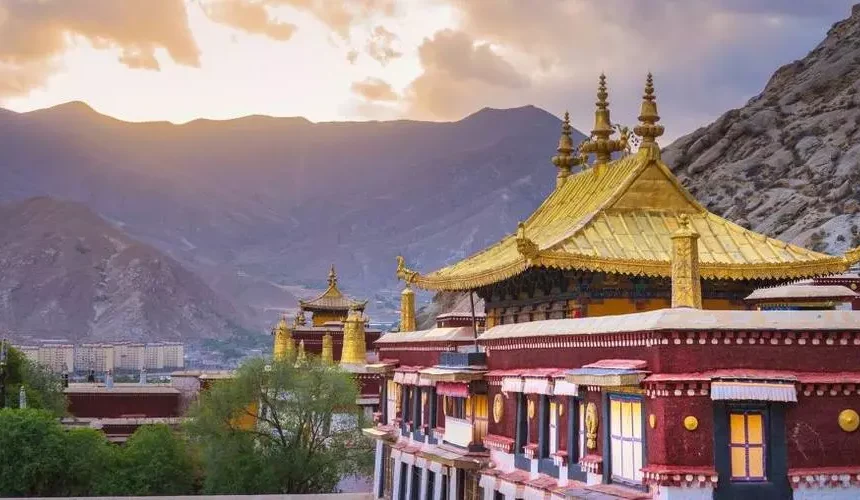
Monasteries in Tibetan Buddhism are often architecturally stunning, with intricate designs that reflect the rich history of the faith. They provide a serene environment where monks and laypeople can engage in meditation, study sacred texts, and participate in community rituals. The communal life within these monasteries emphasizes collective devotion while also allowing individuals to explore their personal journeys within the framework of Tibetan Buddhist teachings.
Famous Monasteries to Visit
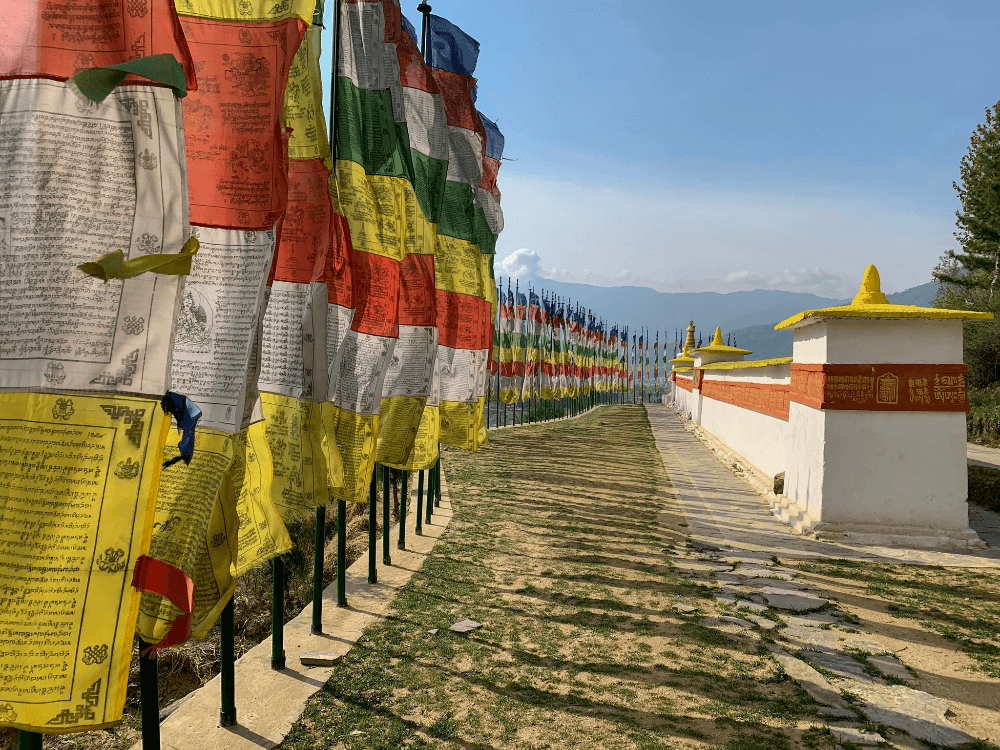
When it comes to experiencing Tibetan Buddhism firsthand, visiting renowned monasteries like Sera Monastery or Drepung Monastery is an absolute must. Each monastery boasts unique architecture and a vibrant atmosphere filled with chanting monks and colorful prayer flags fluttering in the wind. Travelers often ask how is Tibetan Buddhism different from other forms of Buddhism; witnessing daily rituals at these sites offers profound insights into the distinctive practices that characterize this style of Buddhism.
The Impact of Monastic Life on Culture
The impact of monastic life on Tibetan culture cannot be overstated; it serves as a wellspring for art, education, and social organization within communities. Monasteries have historically been centers for learning where young monks receive education not only in religious texts but also in philosophy and science—showcasing what is the Tibetan style of Buddhism that combines spirituality with intellectual rigor. Furthermore, figures like the Dalai Lama exemplify how monastic leaders contribute to both spiritual guidance and global advocacy for peace rooted in Buddhist principles.
Rituals and Ceremonies of Tibetan Buddhism
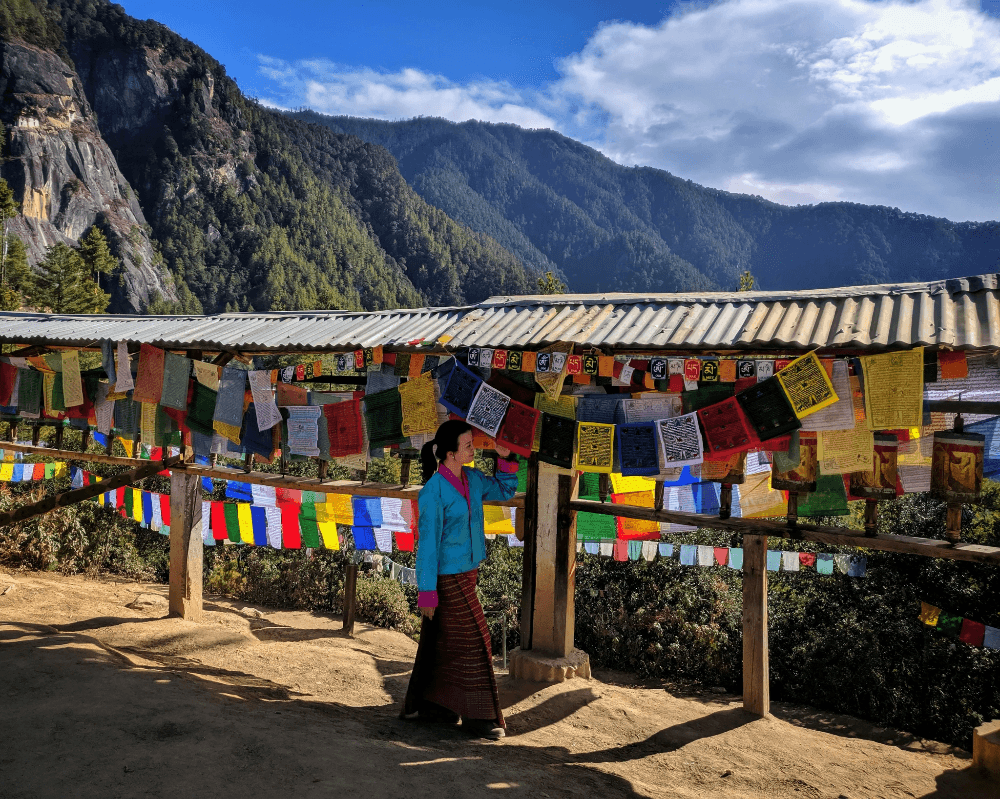
Tibetan Buddhism is rich in rituals and ceremonies that enhance the spiritual experience for practitioners. These practices are deeply rooted in the historical and cultural context of Tibet, reflecting the unique Tibetan style of Buddhism that differentiates it from other forms. From daily devotions to grand festivals, each ritual serves as a vital expression of faith and community.
Daily Practices of Devotion
Daily practices in Tibetan Buddhism often revolve around meditation, prayer, and offerings. Practitioners may recite mantras or engage in prostrations as a way to cultivate mindfulness and connect with their inner selves. What is Tibetan Buddhism’s belief? At its core, it emphasizes compassion, wisdom, and the pursuit of enlightenment through these daily rituals.
In many households, you might find a shrine adorned with images of deities or the Dalai Lama—who is indeed a prominent figure in Tibetan Buddhism. Rituals like lighting butter lamps or making offerings to protect against negative energies are common. By incorporating these practices into their routines, practitioners reinforce their commitment to spiritual growth while fostering a sense of community.
Major Festivals and Their Significance
Tibetan Buddhist festivals are vibrant celebrations filled with joy and deep spiritual significance. One such festival is Losar, the Tibetan New Year, which symbolizes renewal and hope for prosperity in the coming year. During this time, families come together to perform rituals aimed at purifying negative karma—a key belief within Tibetan Buddhism.
Another notable festival is Saga Dawa, which commemorates the birth, enlightenment, and parinirvana (death) of Buddha Shakyamuni. This month-long celebration includes acts of generosity like offering food to monks or engaging in charitable deeds—an embodiment of what it means to practice compassion within Tibetan Buddhism. These festivals not only strengthen community bonds but also serve as reminders for individuals on their journey towards enlightenment.
Personal Rituals for Spiritual Growth
Personal rituals play an essential role in individual spiritual growth within Tibetan Buddhism. Practitioners often create personalized routines that resonate with their unique journeys—whether through meditation retreats or creating sacred spaces at home filled with thangka paintings depicting various deities. Engaging in such personal practices allows individuals to explore deeper aspects of themselves while understanding how Tibetan Buddhism differs from other Buddhist traditions.
Moreover, many practitioners find solace in written prayers or affirmations that reflect their aspirations toward compassion and wisdom—key elements within this tradition’s teachings about life and existence. Is Dalai Lama Tibetan Buddhist? Absolutely! His teachings inspire countless followers who seek guidance on integrating these personal rituals into everyday life.
By embracing both communal celebrations and individual practices rooted in devotion, those exploring Tibetan Buddhism can embark on a transformative journey towards self-discovery and enlightenment.
The Importance of Tibetan Buddhist Art

Tibetan Buddhism is not just a spiritual practice; it is also a vibrant tapestry woven with rich artistic expressions that convey profound beliefs and teachings. The art of Tibetan Buddhism serves as a visual language, illustrating concepts that might be difficult to grasp through words alone. Understanding this art form can deepen our appreciation for what Tibetan Buddhism stands for and how it differs from other branches of Buddhism.
Iconography and Its Meanings
In Tibetan Buddhism, iconography plays a crucial role in conveying the teachings and principles of the faith. Each figure, symbol, and color has specific meanings that reflect the complex beliefs held within this tradition. For instance, the depiction of deities like Avalokiteshvara or Manjushri not only represents compassion and wisdom but also serves as an inspiration for practitioners to embody these qualities in their lives.
What is Tibetan Buddhism’s belief? At its core, it emphasizes compassion, wisdom, and the pursuit of enlightenment through various means—including meditation and ritual practices illustrated in its art. Unlike other forms of Buddhism, Tibetan Buddhist iconography often includes intricate details representing different aspects of life’s journey toward enlightenment, making it a unique visual guide for followers.
Thangka Paintings and Their Creation
Thangka paintings are perhaps one of the most recognizable forms of Tibetan Buddhist art. These scroll paintings are typically created on cotton or silk fabric and serve both educational and devotional purposes within the community. The meticulous process involves hours—sometimes even years—of preparation to ensure each piece accurately reflects the teachings of Tibetan Buddhism.
The creation process begins with sketching outlines based on traditional templates before layering vibrant colors derived from natural sources like minerals or plants—a practice that highlights how deeply intertwined nature is with spirituality in this culture. As these thangkas come to life, they embody not just artistic skill but also serve as tools for meditation and contemplation about what is Tibetan Buddhism’s belief system.
The Influence of Art on Spirituality
Art in Tibetan Buddhism goes beyond mere aesthetics; it profoundly influences spiritual practice by serving as a medium for reflection and devotion. When practitioners engage with thangkas or other artworks depicting important figures or events, they often find themselves drawn into deeper states of meditation or contemplation about their own spiritual journeys. This interaction illustrates how art can act as a bridge between the material world and spiritual aspirations.
Is Dalai Lama Tibetan Buddhist? Absolutely! He embodies many principles found within these artistic expressions while advocating for peace through compassion—a theme prevalent in much of Tibetan Buddhist art. Thus, engaging with this art form allows individuals not only to appreciate its beauty but also to explore their own paths toward enlightenment inspired by what makes up the essence of Tibetan Buddhism.
Tibetan Buddhism and Medicine
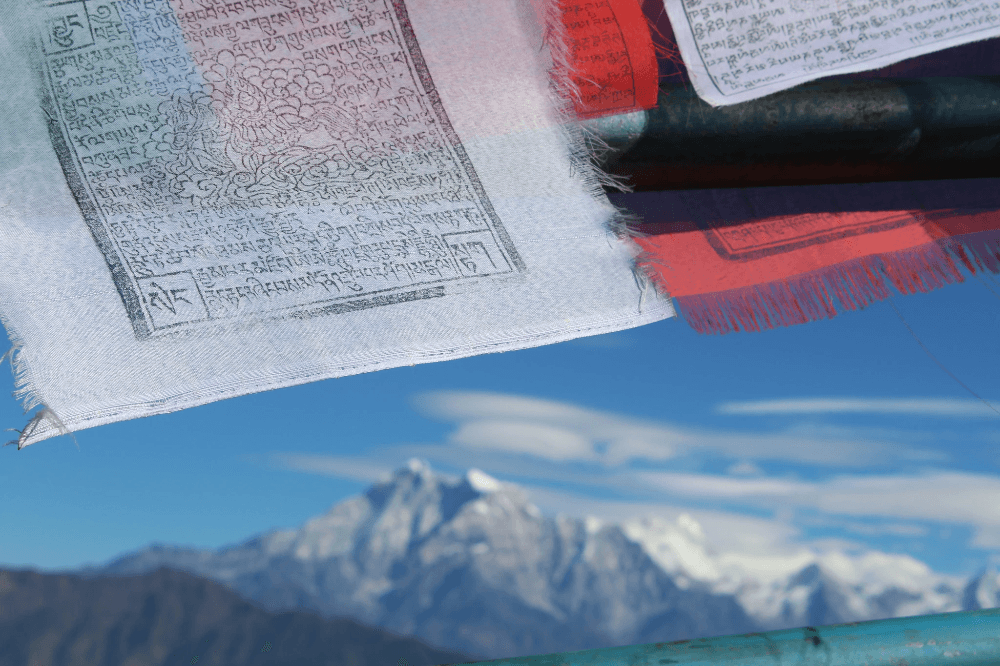
Tibetan Buddhism is not just a spiritual path; it intertwines deeply with the realm of healing. Traditional Tibetan medicine, rooted in the ancient practices of Ayurveda and Chinese medicine, emphasizes a holistic approach to health that aligns closely with its spiritual teachings. This integration of physical and spiritual well-being makes Tibetan Buddhism’s belief system unique compared to other forms of Buddhism.
Traditional Tibetan Medicine Explained
What is Tibetan Buddhism’s belief in medicine? At its core, traditional Tibetan medicine views health as a balance between the body, mind, and spirit. Practitioners use natural remedies derived from herbs, minerals, and animal products to restore this balance while incorporating meditation and mindfulness practices that are central to Tibetan Buddhist philosophy.
The Tibetan style of Buddhism recognizes three primary energies: wind (lung), bile (tripha), and phlegm (kabpa). Each person’s constitution is believed to be influenced by these energies, dictating their susceptibility to various ailments. By understanding these elements through the lens of Tibetan Buddhism, practitioners can tailor treatments that address both physical symptoms and spiritual imbalances.
The Integration of Spiritual and Physical Healing
In what ways does Tibetan Buddhism integrate spiritual practices with physical healing? This integration is evident in the use of rituals alongside medical treatments—think mantra recitations or visualizations during healing sessions. Such practices encourage patients to engage actively in their healing journey while fostering a deeper connection with their faith.
Moreover, meditation plays a pivotal role in enhancing the efficacy of traditional treatments. By calming the mind and focusing on inner peace—key tenets in what is often referred to as the Dalai Lama’s teachings—patients can facilitate their recovery process more effectively than through medication alone. Thus, understanding how spirituality influences health is fundamental within the context of Tibetan Buddhism.
Modern Applications of Ancient Wisdom
Today, modern applications of ancient wisdom from traditional Tibetan medicine are gaining traction worldwide. As people seek holistic alternatives for wellness beyond conventional approaches, many are turning to practitioners who specialize in this form of healing rooted deeply in what is known as Tibetan Buddhism’s rich history. Integrating these practices into contemporary lifestyles offers individuals unique tools for maintaining both mental clarity and physical vitality.
Furthermore, workshops on mindfulness based on Buddhist principles are increasingly popular among those exploring alternative therapies. They serve as gateways for many into understanding how ancient beliefs can complement modern life—a true testament to how vibrant the teachings remain today! So whether you’re curious about how Tibetans view health or simply want insights into your own well-being journey through this fascinating culture, embracing these age-old methods can provide valuable perspectives.
Engaging with Tibetan Buddhism Today
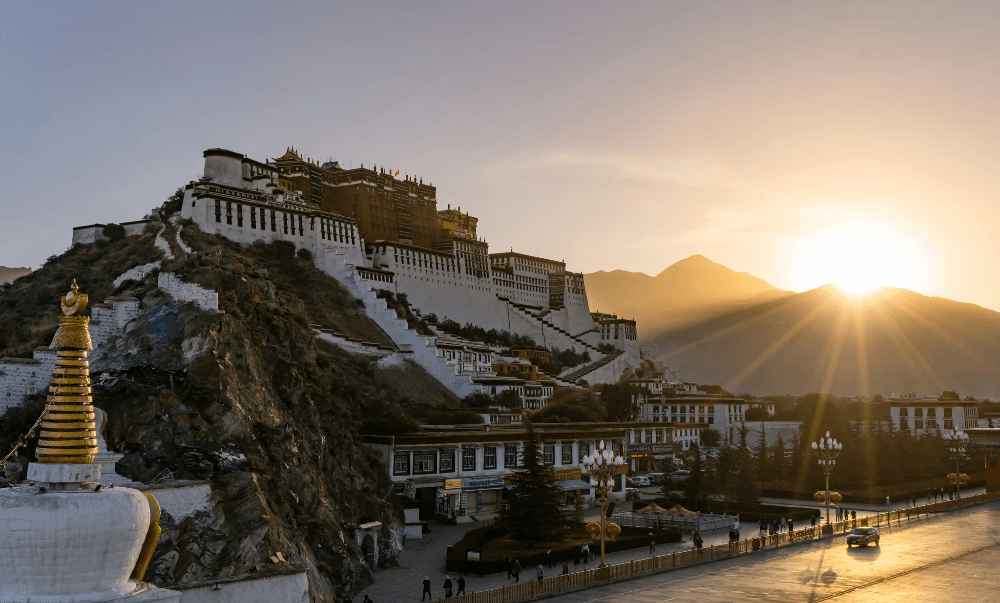
Tibetan Buddhism is a vibrant and rich tradition that continues to thrive in modern times. Engaging with it today offers a unique opportunity to explore its depths, understand its practices, and appreciate its cultural significance. Whether you’re planning a visit to Tibet or seeking to learn more from afar, there are authentic experiences waiting for you.
Finding Authentic Experiences in Tibet
When looking for authentic experiences in Tibet, it’s essential to immerse yourself fully in the local culture and spiritual practices. One way to do this is by visiting monasteries where you can witness daily rituals that embody the essence of Tibetan Buddhism. From observing monks engage in prayer ceremonies to participating in local festivals, these experiences provide insight into what makes Tibetan Buddhism’s belief system so unique.
In addition, exploring the breathtaking landscapes of Tibet enhances your understanding of how nature intertwines with spirituality in this region. Trekking through sacred mountains or visiting ancient temples allows one to appreciate the Tibetan style of Buddhism firsthand. By connecting with locals and engaging respectfully, you can deepen your appreciation for this profound tradition.
The Role of GuideTibet in Your Journey
Navigating the complexities of Tibetan culture can be challenging without proper guidance, which is where GuideTibet comes into play. This organization specializes in providing immersive experiences that highlight the core tenets of Tibetan Buddhism while ensuring respectful engagement with local customs. Their knowledgeable guides help bridge the gap between visitors and authentic practices, making your journey both enlightening and enjoyable.
Through their expertise, you’ll learn not only about what distinguishes Tibetan Buddhism from other forms but also about its historical context and contemporary relevance. They offer curated tours that focus on significant sites related to Dalai Lama’s teachings and other influential figures within Tibetan Buddhism’s rich tapestry. With GuideTibet by your side, you’re set for an unforgettable adventure steeped in spiritual discovery.
Respecting Local Traditions and Cultures
Respecting local traditions is paramount when engaging with Tibetan Buddhism today; after all, it’s not just about observation—it’s about appreciation too! When interacting with practitioners or attending ceremonies, being mindful of customs will enrich your experience significantly while honoring their way of life. Understanding how Tibetan Buddhist beliefs shape daily routines helps foster a deeper connection between visitors and locals.
Moreover, learning a few basic phrases in Tibetan or familiarizing yourself with cultural etiquette shows genuine interest and respect for their heritage. Remember that every gesture matters; whether it’s bowing slightly when entering a monastery or asking before taking photographs at sacred sites—these small acts go a long way! Ultimately, embracing these values ensures that your exploration remains respectful while allowing you to participate meaningfully within this extraordinary spiritual landscape.
Conclusion
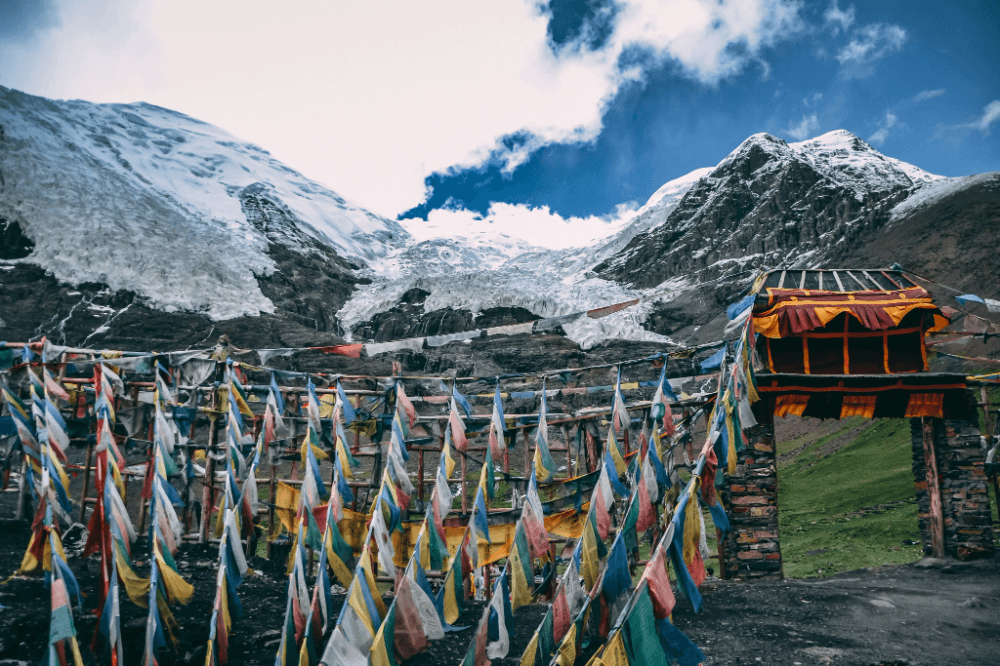
Tibetan Buddhism is a rich tapestry of beliefs, practices, and traditions that have evolved over centuries. As we look toward the future, it is essential to preserve this unique form of Buddhism for generations to come. By understanding its historical roots and modern adaptations, we can ensure that the essence of Tibetan Buddhism remains vibrant and accessible.
Preserving Tibetan Buddhism for Future Generations
To effectively preserve Tibetan Buddhism, it is crucial to support local communities and their cultural heritage. This includes advocating for the protection of monasteries, supporting traditional teachings, and promoting awareness of what makes Tibetan Buddhism distinct from other forms of Buddhism. Engaging with authentic practices not only honors the past but also enriches our present understanding of this profound spiritual path.
Ways to Enhance Your Understanding
Enhancing your understanding of Tibetan Buddhism begins with exploring its core beliefs and practices deeply. Ask yourself: What is Tibetan Buddhism’s belief? Delve into its unique aspects, such as the role of the Dalai Lama as a spiritual leader, or how Tibetan style differs from other Buddhist traditions. Participating in workshops or retreats can provide firsthand experiences that deepen your appreciation for this vibrant culture.
The Journey of Spiritual Exploration Through Tibetan Buddhism
Embarking on a journey through Tibetan Buddhism offers an opportunity for profound personal growth and spiritual exploration. As you navigate this path, consider how each ritual or teaching resonates with your own life experiences—this reflection can lead to transformative insights. Ultimately, engaging with Tibetan Buddhism allows you to connect with a rich tradition that invites you into a deeper understanding of yourself and the world around you.