

Introduction
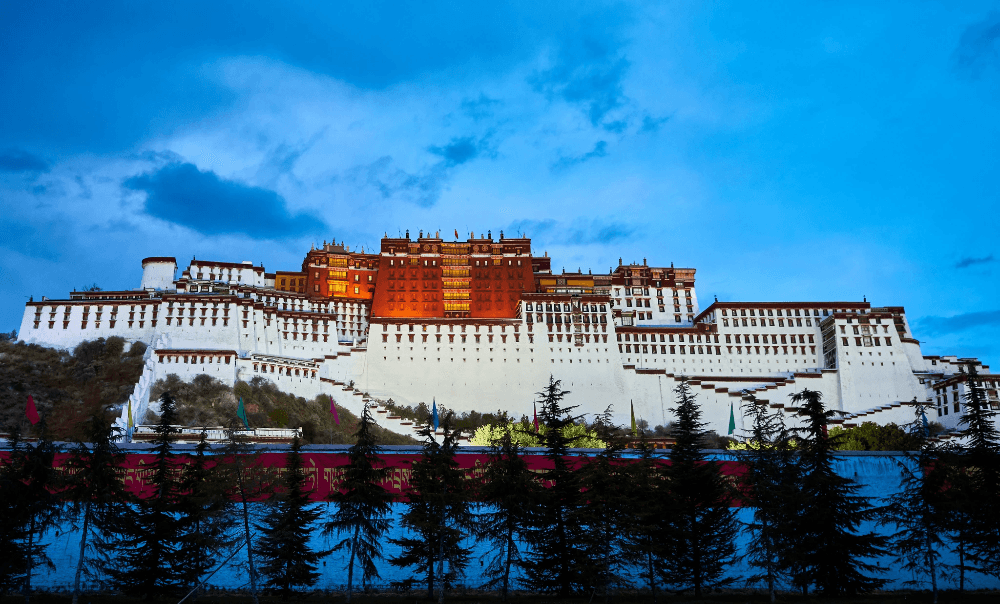
Nestled high in the Himalayas, the Potala Palace stands as a breathtaking testament to Tibetan culture and spirituality. With its striking architecture and rich historical tapestry, it captures the imagination of all who gaze upon it. But what is it about this magnificent structure that draws so many visitors?
The Allure of Potala Palace
The allure of Potala Palace lies not just in its stunning façade, but also in the stories woven into its very walls. As an architectural marvel of Tibet, it boasts intricate designs and vibrant colors that tell tales of devotion and resilience. Visitors often find themselves enchanted by both its beauty and the spiritual energy that permeates the air.
A Glimpse into Tibetan History
To understand why the Potala Palace is famous, one must delve into its historical roots that date back centuries. Originally built as a winter residence for the Dalai Lamas, it has served as a pivotal site for Tibetan governance and religious practices throughout history. This iconic landmark encapsulates key moments in Tibetan history, making it a living museum of sorts.
The Mystique of Potala Palace Today
Today, Potala Palace continues to exude mystique, attracting pilgrims and tourists alike who seek to uncover its secrets. Who lives in the Potala Palace now? While much has changed over time, its essence remains intact as a spiritual center for Tibetan Buddhism. Furthermore, discussions about whether Is Potala Palace a seven wonders of the world? reflect its unparalleled significance on both local and global stages.
A Brief History of Potala Palace
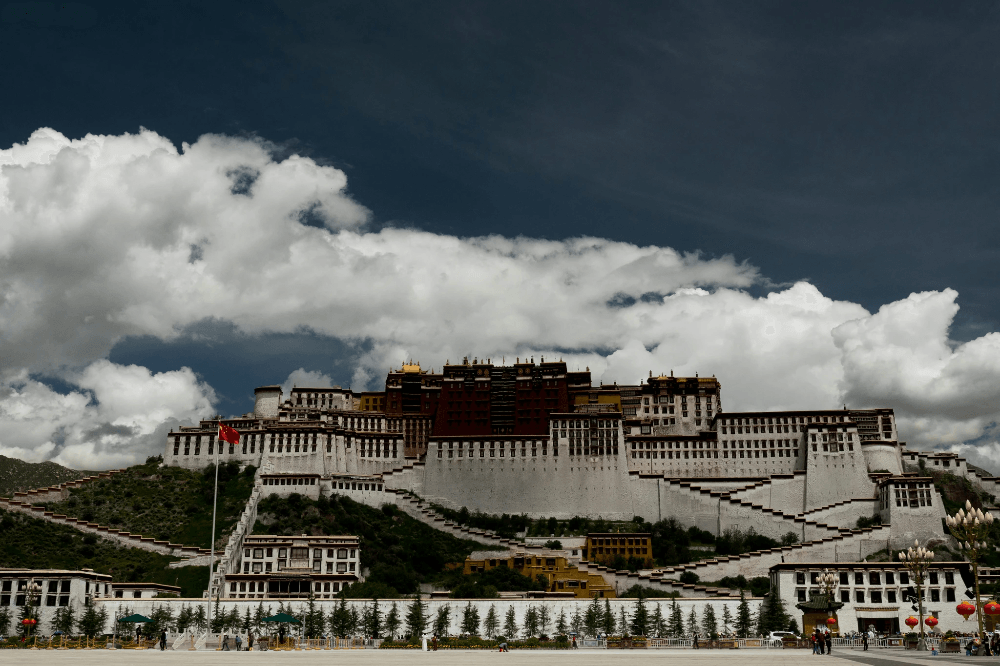
The Potala Palace stands as a testament to Tibet’s rich history and cultural heritage. Its majestic presence atop Marpo Ri hill has captivated the hearts of many, making it one of the most iconic landmarks in the region. Understanding its origins, historical significance, and cultural influence is essential to grasping why the Potala Palace is famous today.
Origins and Construction
The origins of the Potala Palace date back to the 7th century when it was initially built as a fortress by King Songtsen Gampo. Over time, it evolved into a grand palace that served as both a residence for Dalai Lamas and a spiritual center for Tibetan Buddhism. The construction showcases an extraordinary blend of traditional Tibetan architecture with influences from Chinese styles, solidifying its status as an architectural marvel of Tibet.
Historical Significance
Throughout its history, the Potala Palace has played a pivotal role in Tibetan politics and religion, serving as the winter residence for successive Dalai Lamas until the 14th Dalai Lama fled to India in 1959. This historical significance is underscored by its function not only as a royal abode but also as an administrative center where crucial decisions affecting Tibet were made. Today, visitors often ponder: Is Potala Palace a seven wonders of the world? Its profound impact on Tibetan identity certainly makes it worthy of such recognition.
Cultural Influence
The cultural influence of the Potala Palace extends far beyond its walls; it embodies centuries of Tibetan art, tradition, and spirituality. The palace houses numerous sacred relics and artifacts that reflect Buddhist teachings and practices integral to Tibetan culture. Moreover, its grandeur has inspired countless artists and writers throughout history, further cementing why is the Potala Palace famous—not just for its physical beauty but also for its deep-rooted connection to Tibetan life.
Why is the Potala Palace Famous?
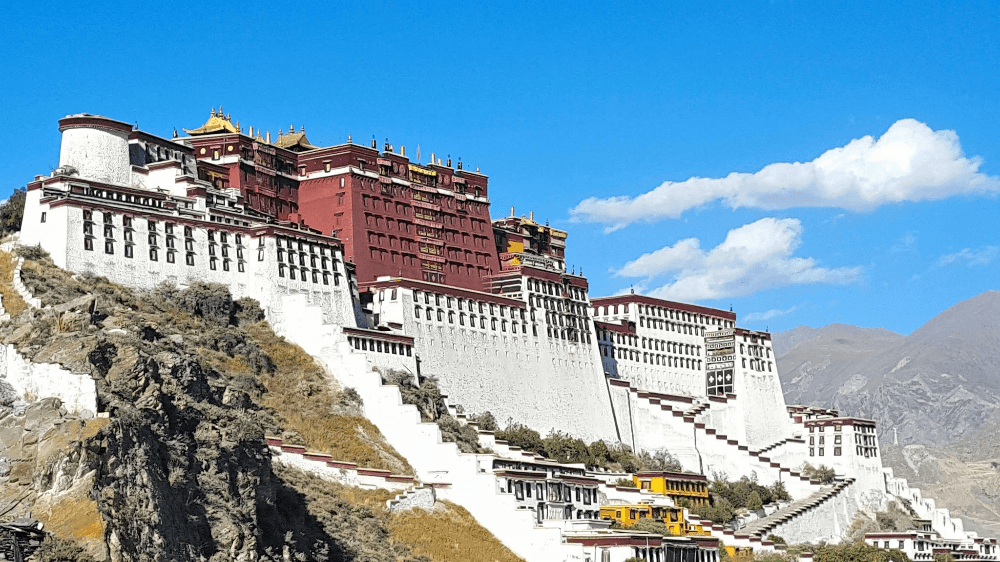
The Potala Palace stands as an iconic symbol of Tibetan culture and spirituality, drawing visitors from around the globe. Its fame is rooted in its profound significance as a spiritual center for Tibetan Buddhism, its breathtaking architectural design, and its recognition as a UNESCO World Heritage Site. Each of these aspects contributes to the allure of this remarkable structure, making it one of the most visited sites in Tibet.
Spiritual Center for Tibetan Buddhism
At the heart of why the Potala Palace is famous lies its role as a spiritual center for Tibetan Buddhism. For centuries, it has served as the winter residence of the Dalai Lamas, who are considered spiritual leaders and incarnations of Avalokiteshvara, the Bodhisattva of compassion. Pilgrims flock to this sacred site to pay homage and seek blessings, reinforcing its status as a vital hub for religious practices and teachings.
The palace’s numerous chapels and shrines house invaluable relics and scriptures that further enhance its spiritual significance. Visitors often find themselves mesmerized by the serene atmosphere that permeates its halls, where prayers echo against ancient walls adorned with intricate murals depicting Buddhist teachings. This deep-rooted connection to spirituality is what makes Potala Palace not just an architectural wonder but also a living testament to Tibetan faith.
Architectural Marvel of Tibet
When pondering why is the Potala Palace famous, one cannot overlook its status as an architectural marvel of Tibet. Perched atop Marpo Ri Hill at an altitude exceeding 3,700 meters (12,139 feet), this grand edifice showcases stunning examples of traditional Tibetan architecture blended with intricate Buddhist motifs. The sheer scale and beauty of Potala Palace leave visitors in awe—its whitewashed exterior contrasts strikingly with red-painted sections that symbolize both purity and strength.
Constructed over 1,300 years ago under King Songtsen Gampo’s reign and later expanded by subsequent Dalai Lamas, it represents a pinnacle in engineering ingenuity amidst challenging mountainous terrain. The palace features over 1,000 rooms connected by winding corridors filled with artful details that tell stories from centuries past—truly embodying what it means to be an Architectural Marvel of Tibet.
UNESCO World Heritage Site
In addition to being a spiritual haven and architectural masterpiece, Potala Palace’s designation as a UNESCO World Heritage Site solidifies why it is so famous on an international level. This recognition highlights not only its cultural significance but also emphasizes efforts toward preservation amid growing environmental concerns in modern times. As part of this prestigious list since 1994, Potala Palace attracts scholars who study its historical context while inspiring countless travelers eager to witness such heritage firsthand.
Being part of this elite group places immense responsibility on caretakers who strive to maintain both structural integrity and cultural authenticity within these hallowed walls. Visitors can engage with history through guided tours that delve into intriguing narratives surrounding each chamber’s purpose—from royal apartments to meditation halls—all while enjoying breathtaking views across Lhasa Valley below! This blend ensures that every trip offers something unique; thus reinforcing why people continue asking: Who lives in the Potala Palace now?
Who Lives in the Potala Palace Now?
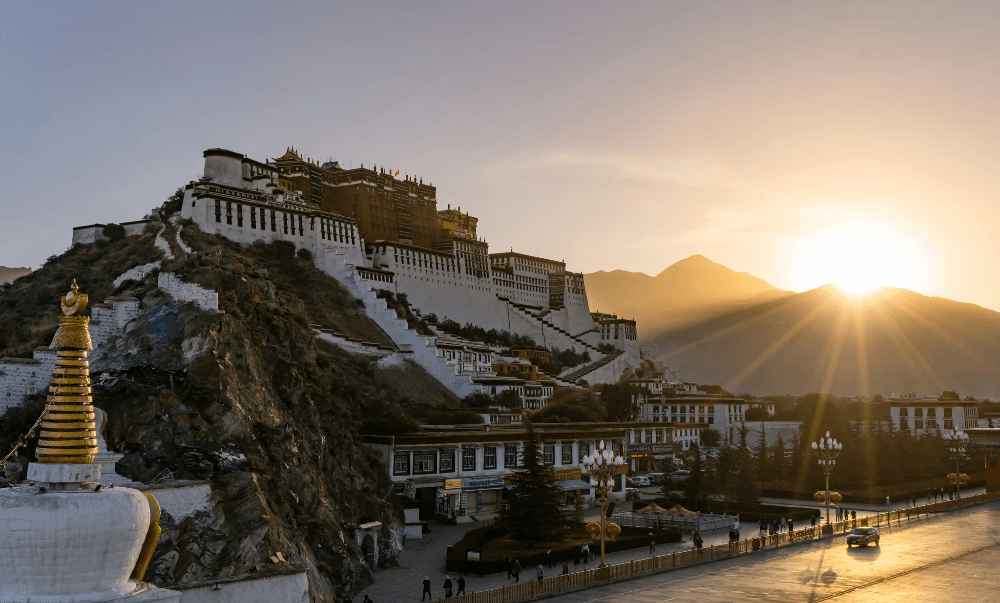
The Potala Palace, an architectural marvel of Tibet, is not just a historical relic; it remains a vibrant center of Tibetan culture and spirituality. While many tourists flock to its majestic halls and stunning views, few know about the monastic community that continues to call this iconic structure home. This living heritage plays a crucial role in preserving the traditions and practices that make the Potala Palace famous.
Monastic Community
At present, a small but dedicated monastic community resides within the walls of the Potala Palace. These monks are not only custodians of its rich history but also active participants in its spiritual life. They perform daily rituals, engage in meditation, and maintain the sacred atmosphere that draws visitors from around the globe to this UNESCO World Heritage Site.
Roles and Responsibilities
The monks living in the Potala Palace have various roles and responsibilities that extend far beyond mere residence. They conduct religious ceremonies, offer teachings to laypeople, and ensure that ancient texts are preserved for future generations. Their commitment helps uphold why the Potala Palace is famous as a spiritual center for Tibetan Buddhism while fostering an environment where culture thrives.
Changes Over Time
Over time, the role of those who live in the Potala Palace has evolved significantly due to political changes and modernization efforts in Tibet. Once a bustling seat of power for Dalai Lamas, it now serves primarily as a museum and pilgrimage site with fewer monks than in centuries past. Despite these changes, the essence of what makes this architectural marvel of Tibet special remains intact through its enduring monastic presence.
Is Potala Palace a Seven Wonders of the World?
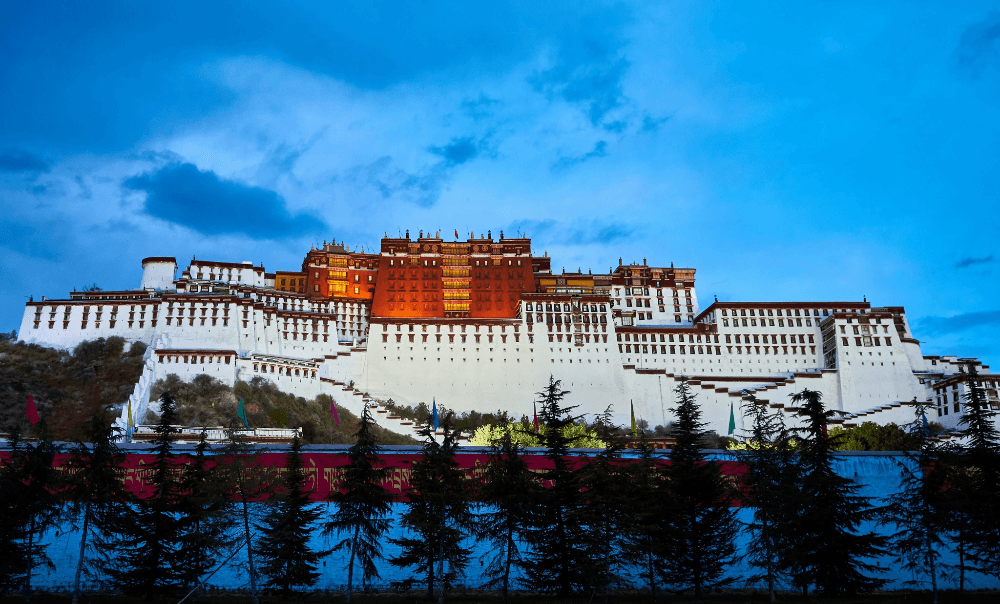
The Potala Palace is often discussed in the context of global wonders, and it’s easy to see why. With its rich history, stunning architecture, and spiritual significance, it captures the imagination of visitors from around the world. But does it truly belong on a list of the Seven Wonders? Let’s explore this captivating question.
Global Recognition and Awards
Potala Palace has garnered numerous accolades that underscore its importance on both cultural and historical fronts. Recognized as a UNESCO World Heritage Site in 1994, it stands as a testament to Tibetan history and spirituality. This architectural marvel of Tibet not only attracts tourists but also researchers and historians eager to delve into its past.
Moreover, various international organizations have honored Potala Palace for its unique contributions to architecture and culture. These recognitions serve to elevate its status beyond mere tourism; they celebrate the palace as an enduring symbol of Tibetan heritage. The global recognition further cements why is the Potala Palace famous among travelers seeking profound experiences.
Comparisons to Other Wonders
When compared with other wonders around the globe—like the Great Wall of China or Machu Picchu—the Potala Palace holds its own in terms of grandeur and significance. While each wonder boasts unique features, Potala Palace’s blend of spiritual depth and architectural sophistication makes it stand out among them all. It’s not just about size or age; it’s about what these structures represent culturally, which leads us back to why is the Potala Palace famous.
Unlike many man-made wonders that are solely focused on aesthetics or engineering feats, Potala Palace embodies a living tradition steeped in spirituality. Visitors often find themselves captivated by its serene atmosphere while pondering who lives in the Potala Palace now—a monastic community that continues age-old practices amidst modernity’s encroachment. This juxtaposition adds layers to its narrative when placed alongside other global wonders.
Symbolism and Importance
The symbolism embodied by Potala Palace extends far beyond bricks and mortar; it represents resilience, faith, and cultural identity for Tibetans everywhere. As an architectural marvel of Tibet, it serves as a reminder of both historical struggles and spiritual aspirations—making it not just important locally but globally too. In discussions about whether Is Potala Palace a seven wonders of the world?, one must consider how deeply intertwined these themes are with its existence.
Furthermore, this palace serves as an emblematic site where ancient traditions meet contemporary challenges faced by Tibetan Buddhism today—a reality that resonates with many cultures worldwide facing similar dilemmas between preservation and modernization. Thus, while debates continue over lists like Seven Wonders, one thing remains clear: The enduring legacy of Potala Palace ensures that it will always be more than just another tourist attraction; it’s a beacon for those who seek understanding through exploration.
Must-See Features of Potala Palace
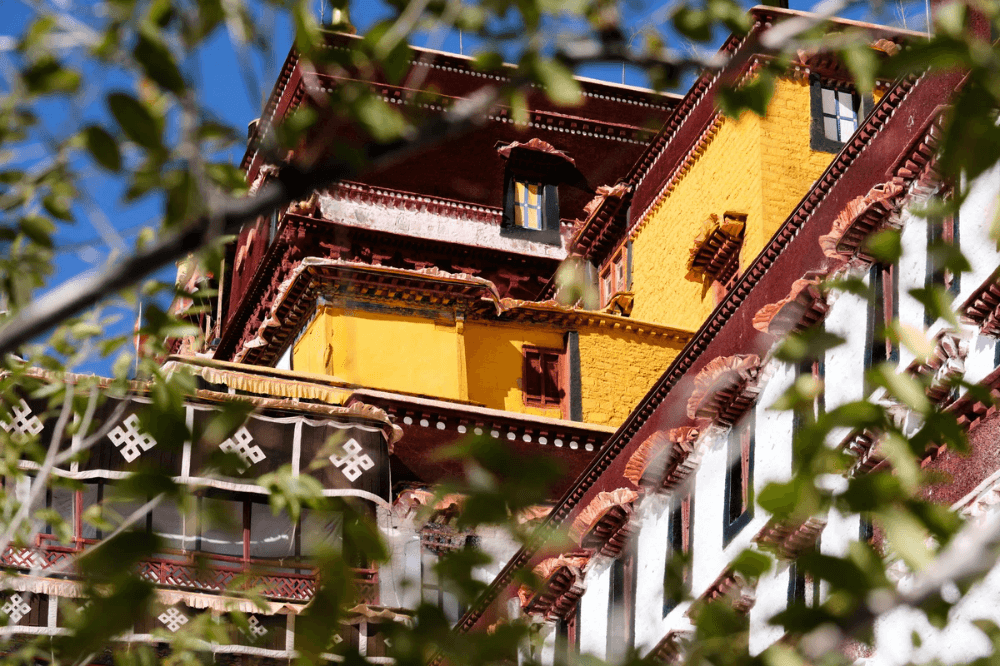
The Potala Palace is not just a historical site; it’s a treasure trove of cultural and spiritual significance. When visiting, there are several must-see features that encapsulate why the Potala Palace is famous and celebrated as an architectural marvel of Tibet. From its majestic structures to its artistic masterpieces, every corner tells a story worth exploring.
The Grand Red Palace
The Grand Red Palace stands as the heart of the Potala Palace, symbolizing the power and authority of Tibetan Buddhism. This impressive structure houses numerous chapels and shrines dedicated to various deities, making it a spiritual center for those who visit. With its striking red exterior and intricate details, it’s easy to see why many consider it one of the most iconic elements of this UNESCO World Heritage Site.
Inside the Grand Red Palace, visitors can explore ornate thangkas (traditional Tibetan paintings) and statues that illustrate Buddhist teachings. The atmosphere resonates with centuries of devotion, drawing in both pilgrims and curious travelers alike. It’s this blend of spirituality and artistry that contributes to the question: Who lives in the Potala Palace now? While monks maintain its sanctity, tourists flock here to witness its grandeur.
Stunning Murals and Artifacts
As you wander through the halls of Potala Palace, you’ll encounter stunning murals that are nothing short of breathtaking. These intricate artworks depict historical events, religious narratives, and Tibetan culture—each brushstroke narrating tales from ages past. They are vital in understanding why is the Potala Palace famous; they encapsulate centuries of rich history within their vibrant colors.
Artifacts displayed throughout the palace further enhance this experience by showcasing items used in rituals or daily life by Tibetan monks over generations. From ceremonial objects to ancient texts, each piece offers insight into a way of life steeped in tradition and reverence for spirituality. Together with architectural marvels like these murals, they help illustrate why some consider Potala Palace one of the Seven Wonders of the World.
Breathtaking Views of Lhasa
One cannot visit Potala Palace without being awestruck by its breathtaking views overlooking Lhasa—a city steeped in history itself! Perched high on Marpo Ri Hill, visitors can enjoy panoramic vistas that stretch far beyond this sacred site. The sight is particularly mesmerizing at sunset when golden hues illuminate both Lhasa’s rooftops and the palace’s striking architecture.
These views not only serve as a reminder of nature’s beauty but also symbolize Tibet’s enduring spirit amid change over time—an aspect reflected in who lives in the Potala Palace now versus centuries ago when it was bustling with monks engaged in study or prayer. It’s moments like these that make one ponder whether Is Potala Palace indeed among our world’s wonders? Absolutely!
Conclusion

The Potala Palace stands as a testament to the resilience and beauty of Tibetan culture, captivating visitors with its rich history and breathtaking architecture. This iconic structure not only serves as a spiritual center but also embodies the essence of Tibetan identity, making it a crucial part of both local heritage and global fascination. As we reflect on why the Potala Palace is famous, its legacy continues to inspire awe in those who seek to understand its significance.
The Enduring Legacy of Potala Palace
The enduring legacy of the Potala Palace is woven into the fabric of Tibetan Buddhism and culture, symbolizing peace, spirituality, and artistic achievement. Its architectural marvel has influenced countless structures across Tibet and beyond, showcasing the ingenuity of ancient builders who crafted this magnificent site without modern technology. Today, as we ask ourselves who lives in the Potala Palace now, we find that it remains a vibrant hub for monastic life while drawing countless pilgrims and tourists eager to experience its profound atmosphere.
Planning Your Visit to Potala Palace
Planning your visit to the Potala Palace requires some thoughtful consideration; it’s not just about getting there but truly immersing yourself in its history and beauty. Ensure you allocate enough time to explore both the Grand Red Palace and stunning murals that adorn its walls—each tells a story waiting to be discovered. And while you’re there pondering whether Is Potala Palace a seven wonders of the world? remember that every corner offers breathtaking views of Lhasa that will leave you enchanted.
Explore Tibet with GuideTibet
If you’re keen on delving deeper into what makes this Architectural Marvel of Tibet so special, consider exploring Tibet with GuideTibet for an enriching experience tailored just for you. With knowledgeable guides at your side, you’ll uncover hidden gems within this majestic palace while gaining insights into its spiritual significance and historical context. So pack your bags—your journey through time at the Potala Palace awaits!

