

Introduction

Lhasa, the spiritual heart of Tibet, is a destination that beckons travelers with its rich history, stunning landscapes, and vibrant culture. Whether you’re looking to explore ancient monasteries or savor local cuisine, this Lhasa travel guide will serve as your compass to navigate the wonders of this enchanting city. With its unique blend of tradition and modernity, visiting Lhasa promises an unforgettable experience that will leave you yearning for more.
Discover the Lhasa Experience
When you visit Lhasa, you’re not just stepping into a city; you’re entering a realm steeped in mysticism and reverence. From the iconic Potala Palace towering over the skyline to the bustling Barkhor Street filled with pilgrims and traders, every corner offers a glimpse into Tibetan life. The combination of breathtaking mountain views and deeply rooted spirituality creates an atmosphere that’s both invigorating and calming—truly a unique experience to discover.
Your Essential Lhasa Travel Guide
This essential Lhasa travel guide is designed to equip you with everything you need for your journey—whether it’s your first time or a return visit. We’ll cover how to visit Lhasa effectively, highlighting must-see attractions as well as hidden gems that often go unnoticed by tourists. Armed with practical tips on acclimatization and cultural etiquette, you’ll be ready to immerse yourself fully in all that this remarkable city has to offer.
Why Visit Lhasa in the Future
As global travel continues to evolve, there’s never been a better time to consider visiting Lhasa in the future. With ongoing efforts toward sustainable tourism and preservation of Tibetan culture, your trip can contribute positively while enriching your own understanding of this mystical land. Whether you’re drawn by its spiritual significance or simply want an adventure like no other, planning your next lhasa tour could be one of the best decisions you’ll ever make.
Understanding Lhasa’s Geography
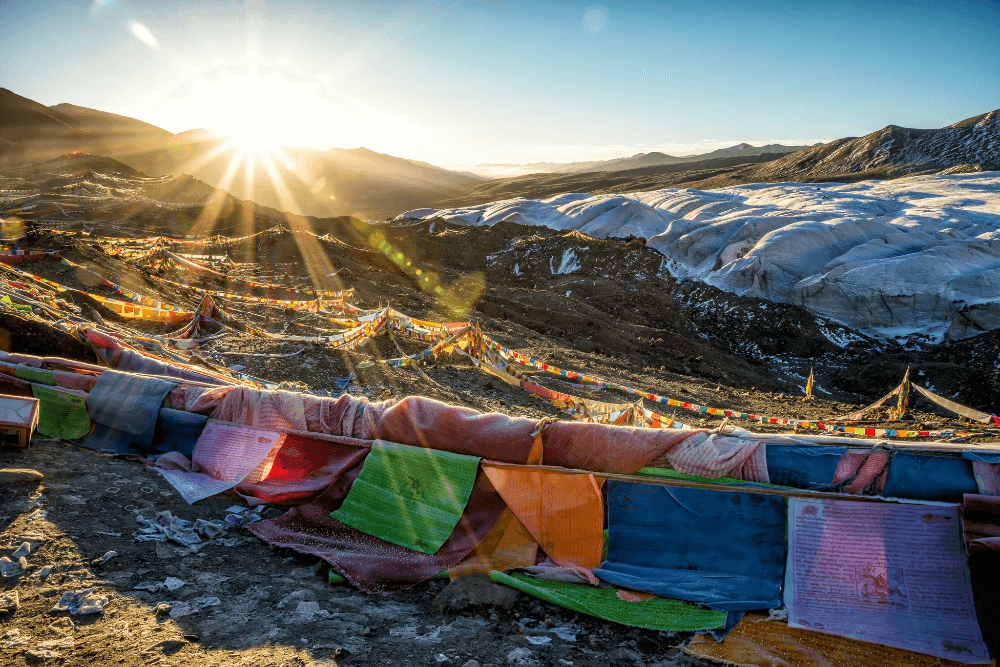
Lhasa, the capital city of Tibet, is a mesmerizing blend of spiritual significance and breathtaking landscapes. Nestled in a high-altitude plateau surrounded by snow-capped mountains, this city offers an unparalleled backdrop for your adventure. In this section of your Lhasa travel guide, we will explore the unique geography that makes visiting Lhasa a must-do on any travel itinerary.
The Unique Landscape of Lhasa
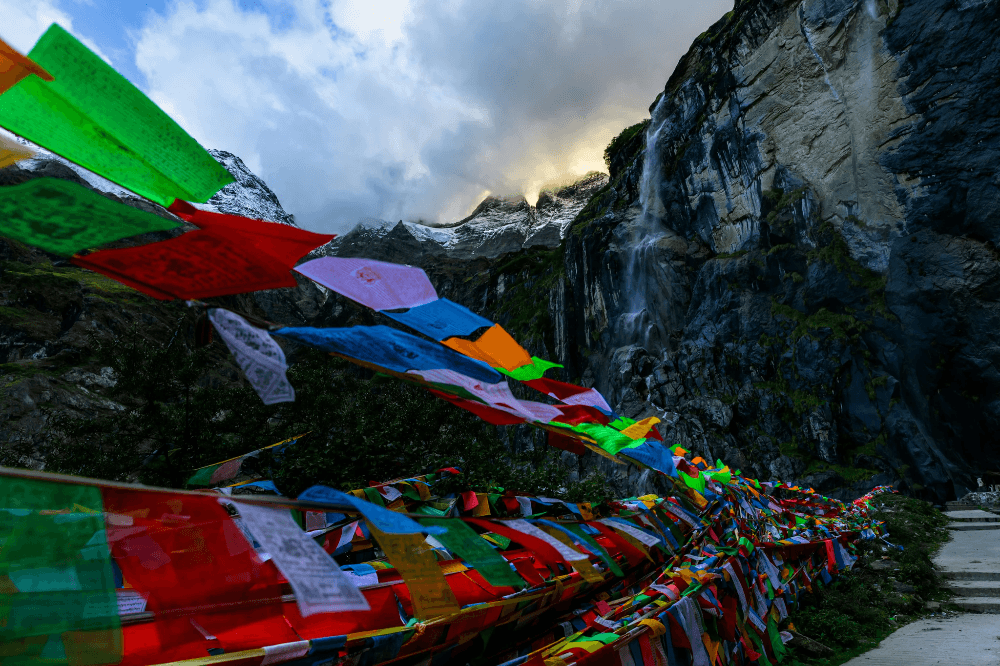
Lhasa’s landscape is nothing short of extraordinary, characterized by its stunning vistas and rich cultural heritage. The Potala Palace looms majestically over the city, set against the backdrop of the Himalayas, creating an iconic image that beckons visitors from around the globe. With its vibrant markets and serene monasteries nestled among rugged mountains and tranquil rivers, exploring Lhasa feels like stepping into a living postcard.
The unique topography also influences local weather patterns and biodiversity, making it an intriguing place for nature enthusiasts. The high-altitude desert climate means you’ll encounter everything from lush valleys to stark rocky outcrops within just a few kilometers. This diverse landscape not only enhances your travel experience but also provides ample opportunities for photography—so don’t forget to pack your camera!
Altitude and Acclimatization Tips
One of the most critical aspects to consider when planning your visit to Lhasa is its altitude—over 3,600 meters (11,800 feet) above sea level! While the breathtaking views are worth it, acclimatizing properly is essential to enjoy your trip fully. To avoid altitude sickness during your lhasa tour, take it easy on your first few days; allow yourself time to adjust before diving into all that this incredible city has to offer.
Drinking plenty of water is vital; staying hydrated helps combat potential headaches or fatigue caused by lower oxygen levels at such heights. Additionally, consider consuming light meals rich in carbohydrates; they can provide you with energy while being easier on your stomach as you adjust to this new environment. Remember: slow and steady wins the race when figuring out how to visit Lhasa without feeling overwhelmed!
Key Locations to Explore
When you’re ready to start exploring after acclimatizing in Lhasa, there are several key locations you won’t want to miss! The Jokhang Temple should be at the top of every traveler’s list—this sacred site draws pilgrims from all corners of Tibet and offers a glimpse into Tibetan Buddhism’s heart and soul. Strolling through Barkhor Street nearby will immerse you in local culture with its bustling market atmosphere filled with traditional handicrafts.
Another must-visit location during your lhasa travel adventure is Norbulingka Park—the summer residence of Dalai Lamas past—where you can wander through beautiful gardens dotted with ancient trees and colorful flowers. If you’re feeling adventurous, venture slightly outside the city limits for breathtaking hikes along scenic trails that lead you deeper into Tibet’s natural beauty! These key locations provide just a taste of what awaits those who dare visit Lhasa.
Best Time to Visit Lhasa Tibet
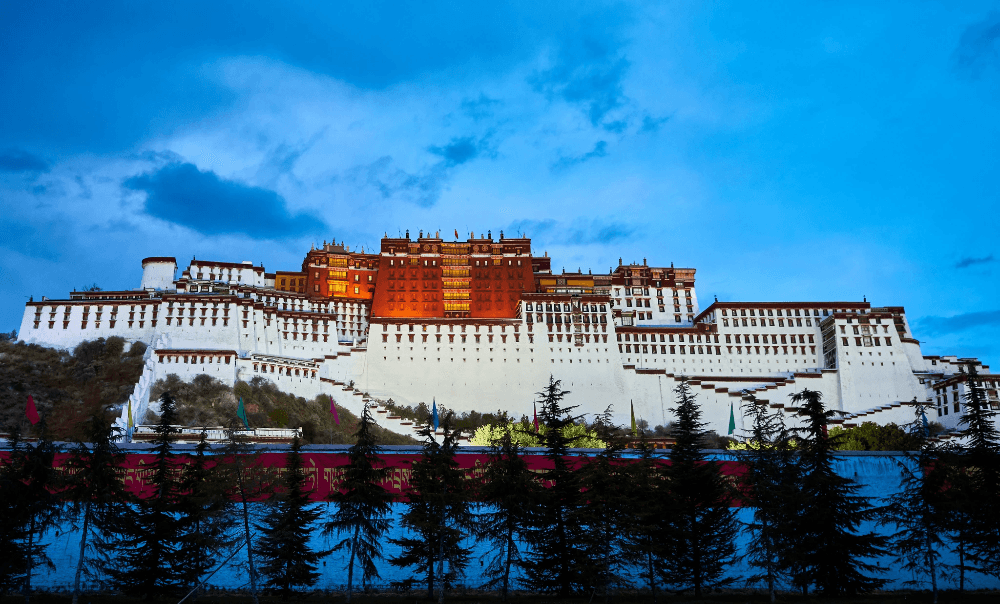
Lhasa, the enchanting capital of Tibet, offers a unique experience throughout the year, making it essential to know the best time to visit Lhasa for your travel plans. Understanding seasonal highlights will help you tailor your itinerary and maximize your experience. Whether you’re drawn by the vibrant festivals or the stunning landscapes, there’s always something special waiting for you in this mystical city.
Seasonal Highlights in Lhasa
When considering your Lhasa travel guide, it’s important to note that each season brings its own charm. Spring (April to June) is particularly delightful with blooming flowers and mild weather, perfect for exploring outdoor attractions like Potala Palace. Summer (July to September) sees a surge of tourists but offers lively festivals and breathtaking scenery; however, be prepared for occasional rain showers.
Autumn (October to November) is another fantastic time for a lhasa tour as the crowds thin out and temperatures remain pleasant, ideal for sightseeing without long waits at popular spots. Winter (December to March), while colder, provides a serene atmosphere where visitors can enjoy snow-capped mountains and fewer tourists—an excellent choice if you’re looking for tranquility during your lhasa travel adventure.
Cultural Events and Festivals
One of the highlights of visiting Lhasa is experiencing its rich cultural events and festivals that showcase Tibetan traditions and spirituality. The Tibetan New Year (Losar), usually celebrated in February or March, transforms the city into a vibrant hub filled with colorful decorations, traditional dances, and mouth-watering food—definitely an event not to miss if you’re planning on how to visit Lhasa during this time.
Another spectacular festival is Saga Dawa in May or June; it commemorates Buddha’s birth and enlightenment with religious ceremonies throughout Lhasa’s temples. If you’re lucky enough to be there during these celebrations, you’ll witness locals engaging in prayer rituals along with pilgrims from all over Tibet—an unforgettable cultural immersion that enhances your lhasa travel experience.
Weather Considerations for Lhasa Travel
Weather plays a significant role when determining the best time to visit Lhasa Tibet; understanding it will help you pack accordingly! Generally speaking, summers are warm but can have sudden rain showers while winters are cold yet dry—a stark contrast that adds depth to your lhasa travel guide’s recommendations on what clothing essentials you’ll need.
During spring and autumn months, temperatures are mild but can fluctuate significantly between day and night; layering is key! Be sure also to stay hydrated due to high altitude as it can affect even seasoned travelers—this knowledge will ensure you enjoy every moment of your lhasa tour without any hiccups related to altitude sickness or unexpected weather changes.
Planning Your Lhasa Tour
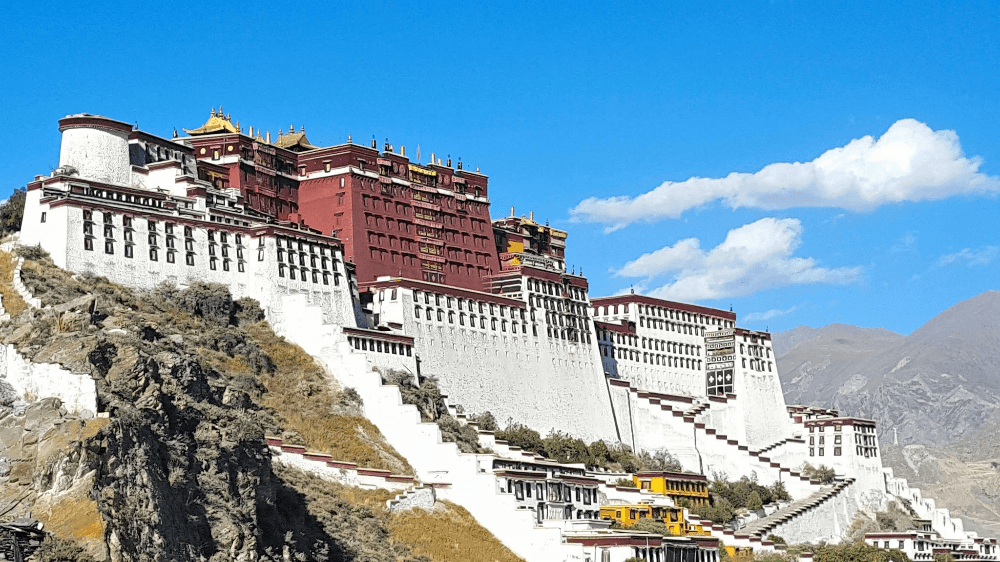
Planning your Lhasa tour can feel a bit overwhelming, but with the right preparation, it can be one of the most rewarding experiences of your life. This section of the Lhasa travel guide will help you navigate through itinerary suggestions, how to choose the right travel agency, and effective ways to visit Lhasa. Whether you’re a first-time traveler or a seasoned adventurer, this guide is designed to ensure you make the most out of your trip.
Itinerary Suggestions for Lhasa
When considering how to visit Lhasa, crafting an itinerary that balances exploration with relaxation is key. A typical 5-day itinerary might include must-see sites like Potala Palace and Jokhang Temple on your first day, followed by local markets and cultural experiences on day two. For those wanting more adventure, consider day trips to nearby attractions such as Namtso Lake or Ganden Monastery on subsequent days.
Don’t forget to leave some flexibility in your schedule; sometimes the best moments come from spontaneous discoveries! Be sure to incorporate cultural events if they align with your travel dates; experiencing local festivals can add depth to your lhasa tour experience. The best time to visit Lhasa Tibet often coincides with these vibrant celebrations.
Finally, remember that acclimatization is essential due to Lhasa’s high altitude; plan lighter activities in your first couple of days so you can adjust comfortably while soaking in all that breathtaking scenery.
Choosing the Right Travel Agency
Selecting a reliable travel agency can significantly enhance your lhasa travel experience. Look for agencies that specialize in Tibetan tours and have positive reviews from past travelers; their expertise will be invaluable when navigating logistics like permits and accommodations. Don’t hesitate to ask questions about their itineraries and customer service policies—transparency is crucial!
A good agency should offer customizable packages tailored specifically for visiting Lhasa based on interests like culture, adventure, or spirituality. Additionally, inquire about their local guides who can provide insights into customs and traditions—this knowledge enriches every moment spent exploring this enchanting city.
Ultimately, choosing the right agency means ensuring peace of mind during your journey while allowing you more time to focus on enjoying all that this unique destination has to offer.
How to Visit Lhasa Effectively
Knowing how to visit Lhasa effectively involves planning ahead while remaining open-minded about new experiences along the way! Start by familiarizing yourself with public transportation options within the city; buses are convenient and budget-friendly for getting around various attractions without breaking the bank. If you’re feeling adventurous (and acclimatized), consider renting a bicycle—it’s a great way to explore at your own pace while soaking up stunning views.
Make use of early mornings when crowds are thinner at popular sites like Sera Monastery or Norbulingka Park; you’ll find it easier not just for photos but also for meaningful interactions with locals who may share stories about their culture or faith along the way! Always keep an eye out for hidden gems off-the-beaten-path where authentic experiences await—these little surprises often become highlights of any lhasa tour.
Lastly, stay connected by downloading helpful apps related specifically to lhasa travel guide information; they’ll assist you in navigating language barriers and discovering even more about this fascinating region as you embark on unforgettable adventures!
Navigating Lhasa’s Attractions
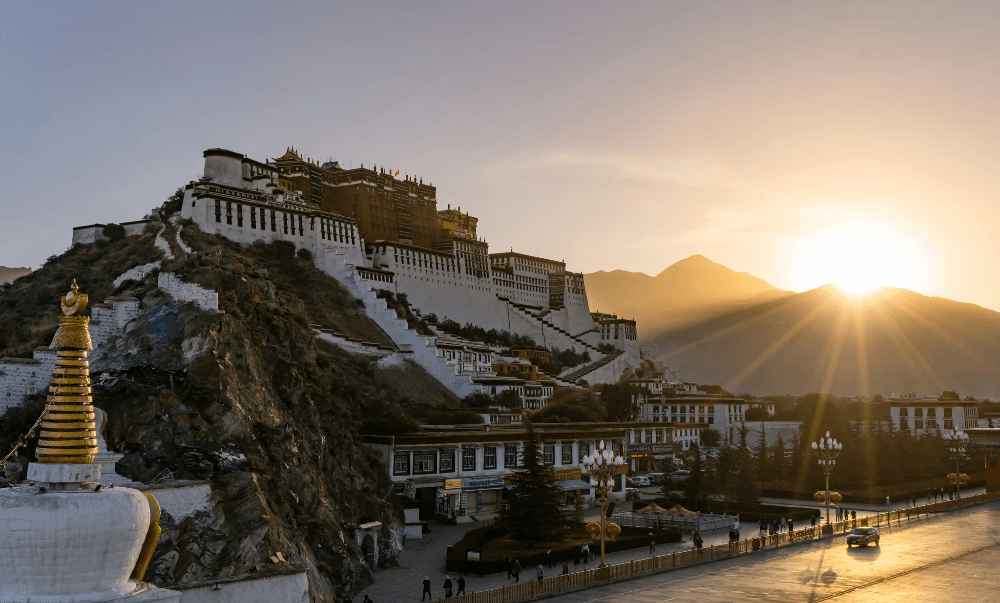
When it comes to experiencing the rich tapestry of Lhasa, a well-planned itinerary can make all the difference. This section of your Lhasa travel guide will help you navigate both the iconic landmarks and hidden treasures that this mystical city has to offer. Whether you’re pondering how to visit Lhasa or simply seeking inspiration for your lhasa tour, we’ve got you covered.
Must-See Sites in Lhasa
Lhasa is home to some of the most breathtaking sites that capture its unique culture and history. The Potala Palace, a UNESCO World Heritage Site, stands as an emblem of Tibetan architecture with its towering presence and stunning views over the city. Jokhang Temple, often considered the spiritual heart of Tibet, invites visitors to soak in its serene atmosphere while observing pilgrims making their way to this sacred site.
Don’t forget about Norbulingka Park, once a summer retreat for Dalai Lamas and now a beautiful garden that showcases traditional Tibetan architecture amidst lush greenery. Each must-see site offers a glimpse into Lhasa’s soul and is essential for anyone planning their lhasa travel adventure. As you explore these landmarks, you’ll find yourself captivated by their history and significance—making them unmissable highlights in your lhasa travel guide.
Hidden Gems Off the Beaten Path
While popular sites are certainly worth visiting, don’t overlook some hidden gems that add depth to your lhasa tour experience. For instance, the Sera Monastery may not be as famous as Jokhang Temple but offers an authentic glimpse into monastic life with its vibrant debates among monks—a truly engaging spectacle!
Another lesser-known treasure is the Ganden Monastery situated on a mountain ridge just outside Lhasa; it provides breathtaking views along with spiritual tranquility away from tourist crowds. Exploring these hidden gems can enrich your understanding of Tibetan culture while offering unique photo opportunities—perfect for those eager to document their journey through this extraordinary city.
Embracing the Spiritual Essence
To truly appreciate what makes Lhasa special, it’s vital to embrace its spiritual essence during your visit. The rhythmic chanting heard at temples like Sera and Drepung Monasteries invites you into a world where spirituality permeates daily life; take time to meditate or simply sit quietly amongst worshippers for an immersive experience.
Additionally, participating in local rituals such as kora (circumambulation) around sacred sites can deepen your connection with Tibetan Buddhism while allowing you to reflect on your own beliefs and values during this journey through Lhasa’s rich spiritual landscape. As you engage with these practices, you’ll find that they provide insight into how locals view their world—a perspective that’s invaluable when considering how best to visit Lhasa.
Practical Tips for Visiting Lhasa
When planning your trip, it’s essential to be well-prepared to ensure a smooth and enjoyable experience. This section of the Lhasa travel guide will cover what to pack, health and safety considerations, and local etiquette. Understanding these practical tips can enhance your visit to Lhasa and make it truly memorable.
What to Pack for Lhasa Travel
Packing for your Lhasa tour requires a bit of thought due to its unique altitude and climate. First, layer your clothing: lightweight thermal wear is ideal for daytime, while warmer jackets are necessary for the cooler evenings. Don’t forget essentials like sunscreen, sunglasses, a good pair of walking shoes, and a reusable water bottle—staying hydrated is crucial at high altitudes!
Additionally, consider bringing along some basic medications for altitude sickness; consult with your doctor beforehand on what might be best suited for you. A power adapter compatible with Chinese outlets is also a must-have in this tech-savvy age! Finally, if you’re an avid photographer or want to capture the stunning landscapes of Tibet, ensure you have enough memory cards and batteries since you won’t want to miss those breathtaking moments.
Health and Safety Considerations
When visiting Lhasa, health should be one of your top priorities due to its high altitude—over 3,600 meters (11,800 feet) above sea level! Acclimatization is key; take it slow during your first few days in the city by avoiding strenuous activities until you feel comfortable. Drinking plenty of water and eating light meals can help ease any symptoms related to altitude sickness.
It’s also wise to familiarize yourself with local healthcare facilities just in case you need assistance during your stay. Carrying a small first-aid kit with essentials like band-aids or pain relievers can come in handy too! Lastly, always practice basic safety measures—keep an eye on your belongings and avoid wandering into unknown areas after dark.
Local Etiquette and Customs
Understanding local customs will enrich your experience while visiting Lhasa; Tibetan culture is steeped in tradition that deserves respect. When entering temples or monasteries during your lhasa travel adventures, remember that it’s customary to walk clockwise around sacred sites—this is known as kora—and never touch religious artifacts unless permitted.
Additionally, greeting locals with Tashi Delek, which means good luck or blessings, goes a long way in establishing rapport while respecting their culture. Photography can be tricky; always ask permission before snapping pictures of people or sacred spaces—it shows respect for their traditions! Lastly, tipping isn’t mandatory but appreciated; if someone has gone above and beyond during your lhasa tour experience—like guiding you through tricky terrains—a small tip will surely brighten their day!
Conclusion
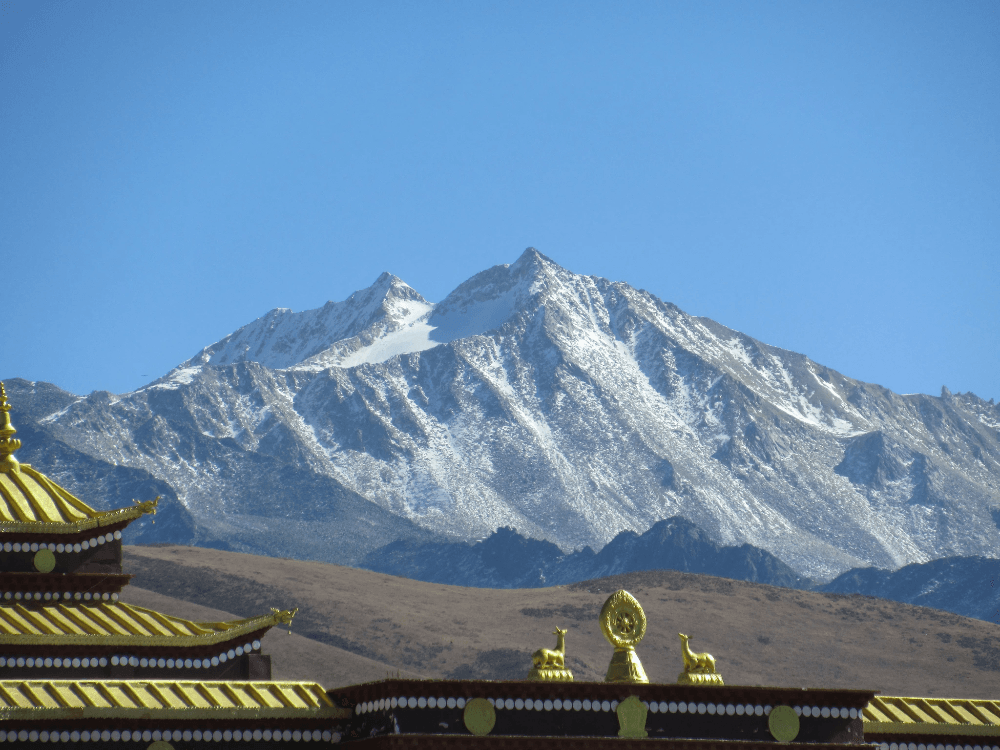
As we wrap up this comprehensive Lhasa travel guide, it’s evident that visiting Lhasa is more than just a trip; it’s an adventure steeped in culture, spirituality, and breathtaking landscapes. Whether you’re drawn by the allure of its ancient monasteries or the vibrant local markets, Lhasa offers a unique experience that lingers long after you’ve returned home. The memories created here are sure to inspire future travels and enrich your understanding of Tibetan culture.
Final Thoughts on Visiting Lhasa
When considering how to visit Lhasa, remember that each moment spent in this enchanting city is an opportunity for discovery. From the majestic Potala Palace to the serene Jokhang Temple, every corner has a story waiting to be told. Embrace the altitude and take your time; after all, the best time to visit Lhasa Tibet is when you can fully immerse yourself in its rich heritage and stunning scenery.
Enhancing Your Lhasa Experience
To truly enhance your Lhasa travel experience, consider engaging with local guides who can provide insights beyond what guidebooks offer. Participating in cultural events or festivals can deepen your connection with the community and allow you to witness traditions firsthand. Don’t forget to savor authentic Tibetan cuisine—each meal is a delicious journey through flavors that reflect the region’s history and culture.
Connect with GuideTibet for Your Tour
For those pondering how to visit Lhasa effectively, look no further than GuideTibet for expert assistance in planning your perfect lhasa tour. Their knowledgeable team can help tailor an itinerary that aligns with your interests while ensuring you make the most of your time in this remarkable city. With their guidance, navigating through all that Lhasa travel has to offer becomes not only manageable but also incredibly rewarding.


