Introduction
The Tibet desert, often shrouded in mystery and allure, beckons adventurous souls to explore its unique trails. This vast expanse is not just a barren landscape; it’s a tapestry of rich culture and breathtaking scenery that captures the heart of every traveler. But what is the desert in Tibet? It’s a high-altitude marvel that offers an unparalleled experience for those willing to embark on this extraordinary journey.
Discovering the Unique Tibet Desert Trails
Navigating through the trails of the Tibet desert reveals hidden gems that showcase both natural beauty and spiritual significance. From rugged mountains to serene lakes, these paths invite explorers to delve deep into a world where ancient traditions coexist with stunning landscapes. As you trek through this arid expanse, you’ll uncover why Tibet is famous for its dramatic vistas and vibrant culture.
The Allure of the Tibetan Plateau
The Tibetan Plateau stands as one of the highest regions on Earth, often referred to as the Roof of the World. Its unique geographical features contribute to why Tibet is so dry and arid, creating an environment unlike any other. With its mesmerizing landscapes ranging from vast grasslands to towering peaks, the allure of this plateau captivates adventurers seeking solitude and inspiration.
Journeying Through Tibet’s Spectacular Landscapes
Embarking on a journey through Tibet’s spectacular landscapes means immersing yourself in an ecosystem teeming with life despite its harsh conditions. The stark beauty of the tibet landscape juxtaposes vibrant cultural landmarks against arid terrains, making every step an unforgettable experience. Whether you’re gazing at snow-capped mountains or traversing ancient pilgrimage routes, each moment spent here deepens your appreciation for this remarkable region.
Overview of the Tibet Desert

The Tibet Desert is a fascinating expanse that captures the imagination of adventurers and nature enthusiasts alike. Nestled within the Tibetan Plateau, this unique desert landscape is characterized by its high altitude, arid conditions, and breathtaking vistas. Understanding what makes this region so distinct not only enhances appreciation for its beauty but also sheds light on the cultural significance embedded in its rugged terrain.
What is the Desert in Tibet?
So, what exactly is the desert in Tibet? Contrary to traditional deserts defined by sand dunes and extreme heat, the Tibet Desert presents an arid plateau environment marked by stunning mountain ranges and sparse vegetation. The question Why is Tibet so dry? can be answered through its elevation; sitting at over 4,500 meters (14,800 feet) above sea level, it experiences low precipitation levels that contribute to its desert-like characteristics.
The Tibetan Plateau’s unique climate leads many to wonder why it remains so arid despite being surrounded by towering mountains. This high-altitude desert features vast stretches of rocky terrain interspersed with occasional grasslands and salt flats, offering a stark yet mesmerizing landscape. Exploring this region reveals not just a physical desert but also a cultural one—where ancient traditions thrive against all odds.
The Geographical Features of the Tibet Desert
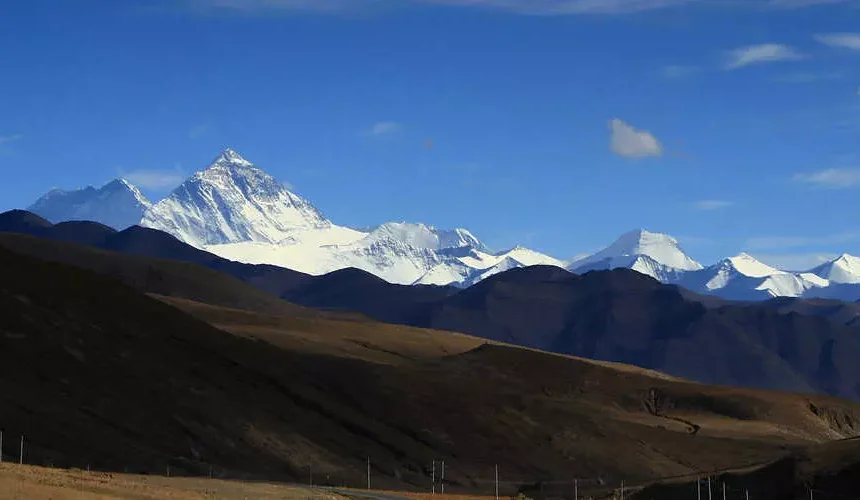
The geographical features of the Tibet Desert are nothing short of spectacular. Its vast plains are framed by some of the highest peaks in the world, including Mount Everest and Mount Kailash—two iconic landmarks that draw trekkers from around the globe. The rugged terrain showcases dramatic cliffs, deep valleys, and shimmering lakes like Namtso Lake that add to the allure of this captivating landscape.
Additionally, understanding why Tibet is so dry involves recognizing how geographic formations influence weather patterns. The Himalayas create a rain shadow effect that prevents moisture-laden winds from reaching much of the plateau area; thus contributing to its aridity. This interplay between altitude and geography results in an ecosystem uniquely adapted to survive under harsh conditions.
Cultural Significance of the Tibetan Plateau
The cultural significance of the Tibetan Plateau cannot be overstated—it serves as a cradle for rich traditions and spiritual practices that have flourished over centuries. Why is the Tibetan Plateau famous? It’s renowned for its ancient monasteries perched on cliffsides, vibrant festivals celebrating Buddhist culture, and resilient communities who have thrived in challenging environments.
Inhabitants have developed unique ways to adapt their lifestyles amidst these harsh conditions while preserving their rich heritage through art forms like thangka painting and traditional music. Visitors trekking through this remarkable landscape often find themselves immersed in experiences that connect them deeply with local customs and beliefs—a testament to how culture thrives even in seemingly inhospitable settings like those found in the Tibet Desert.
Top Trails for Adventurous Explorers
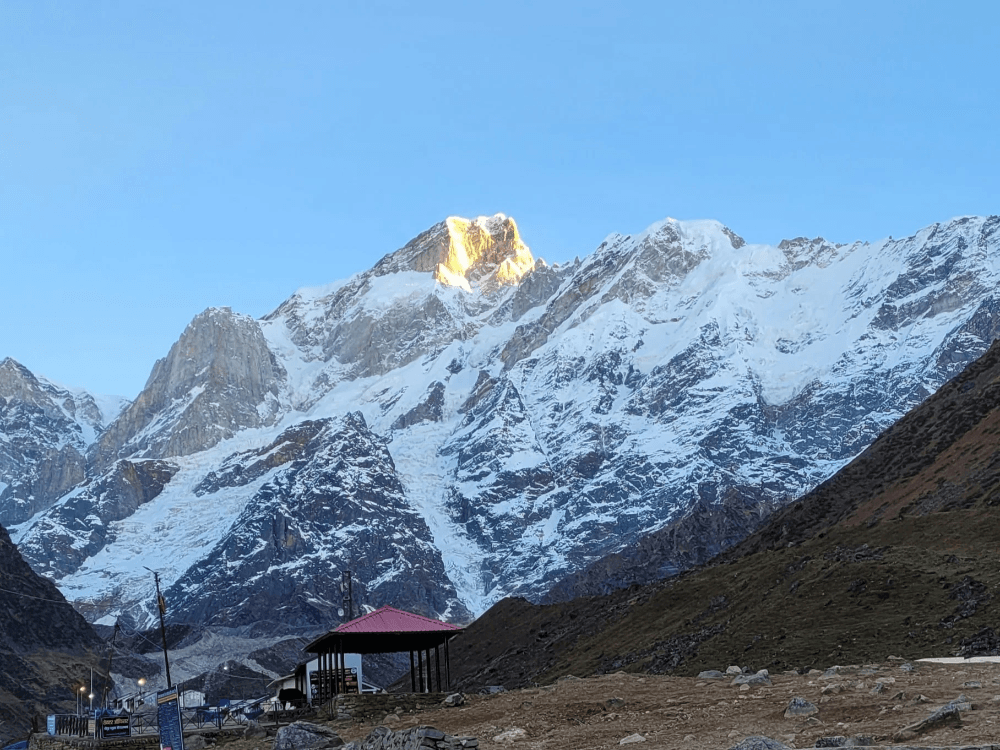
The Tibet desert, with its breathtaking landscapes and unique cultural treasures, offers some of the most exhilarating trails for adventurous explorers. From sacred mountains to shimmering lakes, each path tells a story that intertwines the natural beauty of the Tibetan Plateau with its rich heritage. Whether you’re trekking to ancient monasteries or scaling towering peaks, these trails promise an unforgettable experience in one of the world’s most famous high-altitude regions.
The Iconic Mount Kailash Circuit
The Mount Kailash Circuit is not just a trek; it’s a spiritual pilgrimage that attracts adventurers and devout followers alike. Located in the heart of the Tibet desert, this iconic trail circles one of the holiest mountains in Asia, revered by Buddhists, Hindus, and Jains. As you navigate through rugged terrains and stunning vistas, you’ll ponder why Tibet is so dry—its high-altitude climate creates an arid environment that adds to the mystique of this sacred site.
Completing this circuit involves enduring challenging weather conditions and adjusting to high altitudes—a true test for even seasoned trekkers. Along your journey, you’ll encounter vibrant Tibetan culture through small villages where locals share their traditions and stories of devotion associated with Mount Kailash. The sense of accomplishment upon completing this circuit is unparalleled; you’ll leave not only with memories but also a deeper understanding of why the Tibetan Plateau is famous among explorers worldwide.
Trekking to Base Camp of Mount Everest
No adventure in Tibet would be complete without trekking to the Base Camp of Mount Everest—the world’s highest peak! This trail showcases an incredible blend of stunning landscapes typical of the Tibet desert while offering views that will take your breath away (literally). As you ascend toward base camp, you’ll witness how exceptionally dry conditions shape both flora and fauna in this unique region.
Trekking to Everest Base Camp isn’t just about reaching a destination; it’s about experiencing camaraderie among fellow trekkers from around the globe while navigating through traditional Sherpa villages nestled against towering peaks. Throughout your journey, you’ll gain insight into why Tibet is so arid—its geographical features create a rain shadow effect that leaves much of this land parched yet beautifully stark. Each step brings you closer to understanding not only nature’s grandeur but also human resilience against such formidable heights.
The Sacred Namtso Lake Trail
The Sacred Namtso Lake Trail takes you on an enchanting journey across one of Tibet’s largest saltwater lakes—an oasis amidst the vastness of the Tibet desert landscape! Known for its striking blue waters set against snow-capped peaks, Namtso Lake serves as both a natural wonder and spiritual sanctuary for many visitors seeking solace away from bustling cities. This trail allows hikers to immerse themselves in tranquility while pondering why is Tibet so dry; it’s fascinating how such beauty can thrive in seemingly harsh conditions.
As you stroll along Namtso’s shores or camp under starry skies reflecting off its surface, you’re bound to feel connected not just with nature but also with centuries-old Tibetan traditions surrounding this sacred site. Local legends speak volumes about how pilgrims come from far and wide to perform rituals at Namtso Lake—a testament to its cultural significance amidst arid surroundings. Whether you’re capturing stunning photographs or simply soaking up breathtaking views, every moment spent here reveals more about what makes this plateau so special.
Flora and Fauna of the Tibetan Desert
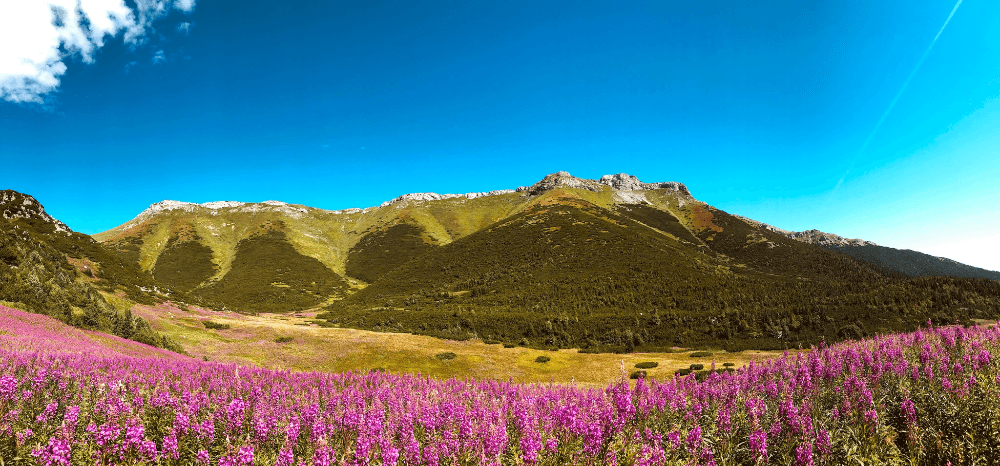
The Tibet desert is not just a barren land; it’s a unique ecosystem teeming with life adapted to extreme conditions. The stark beauty of the Tibetan landscape reveals a surprising variety of flora and fauna that have evolved to thrive in this high-altitude environment. Exploring the biodiversity of this region offers insights into how life can flourish even in one of the driest places on Earth.
Unique Species in the Tibet Landscape
The Tibetan Plateau is home to some truly remarkable species, many of which are found nowhere else on the planet. From the elusive snow leopard to the hardy Tibetan antelope, these animals have adapted to survive in an environment characterized by harsh weather and sparse vegetation. Additionally, various endemic plants, such as the vibrant blue poppy, showcase how life has creatively adapted to thrive within this unique desert ecosystem.
Adapting to Arid Conditions
Why is Tibet so dry? The answer lies in its high-altitude climate and geographical features that create challenging living conditions for flora and fauna alike. Many species have developed specialized adaptations; for instance, certain plants possess deep root systems that tap into underground water sources while others have evolved waxy coatings on their leaves to minimize water loss. These adaptations are crucial for survival in an environment where rainfall is scarce and temperatures can plummet dramatically at night.
Biodiversity in High Altitude Environments
Biodiversity thrives even amidst adversity, as seen throughout the Tibet landscape. While it may seem arid at first glance, this region boasts a complex web of life that includes various mammals, birds, and plant species uniquely suited for high altitudes. Understanding why Tibet is so arid helps highlight how these organisms manage to coexist and adapt within such extreme conditions—making every trek through these trails not only an adventure but also a lesson in resilience.
Why is Tibet So Dry?

Tibet, often referred to as the Roof of the World, is renowned for its striking landscapes and unique desert-like conditions. But what is the desert in Tibet? The answer lies in a combination of high-altitude climate phenomena, geographical features, and seasonal weather patterns that contribute to why Tibet is so dry and arid. Understanding these factors not only sheds light on the Tibetan Plateau’s ecological characteristics but also enhances our appreciation for this extraordinary region.
Understanding High-Altitude Climate
The high-altitude climate of the Tibetan Plateau plays a crucial role in shaping the characteristics of the Tibet desert. At elevations averaging over 4,500 meters (14,800 feet), temperatures can plummet at night while scorching sun rays dominate during the day. This extreme temperature fluctuation contributes to aridity, as moisture evaporates quickly under intense sunlight, leaving behind a landscape that’s stark yet breathtaking.
Moreover, high altitudes lead to thinner air which holds less moisture overall. Consequently, precipitation becomes scarce; when it does fall, it often arrives as snow rather than rain due to lower temperatures. This unique climatic condition explains why Tibet is so arid despite its vast size and varied terrain.
The Role of the Himalayas in Rain Shadow Effect
One cannot discuss why Tibet is so dry without mentioning the formidable Himalayas that border it to the south. These towering mountains create a rain shadow effect that significantly impacts precipitation patterns across the region. As moist air from surrounding areas rises over these peaks, it cools and condenses into clouds before releasing rain on their southern slopes—leaving little moisture for what lies beyond.
Consequently, much of Tibet remains parched and desolate compared to neighboring regions like Nepal or Bhutan where rainfall is abundant. This geographical phenomenon contributes heavily to what makes up the desert in Tibet—arid expanses dotted with rugged mountains and sparse vegetation that create an otherworldly beauty unmatched anywhere else on Earth.
Exploring Seasonal Weather Patterns
Seasonal weather patterns further explain why Tibet experiences such dryness throughout much of the year. Winters are long and harsh with minimal snowfall accumulating at higher elevations; summers bring slightly warmer temperatures but still lack substantial rainfall due to prevailing winds carrying moisture away from this vast plateau landscape.
Additionally, summer monsoons tend to bypass much of central Tibet entirely—a stark contrast compared to regions adjacent where they thrive under heavy rains during this season. Thus arises an intriguing paradox: while many associate deserts with heat alone or endless dunes like those found elsewhere globally—the Tibetan Plateau showcases how altitude profoundly influences climatic conditions leading us back again toward understanding why it’s so dry here.
Cultural Treasures Along the Trails

Exploring the Tibet desert isn’t just about breathtaking landscapes; it’s also a journey through a rich tapestry of culture and history. As trekkers navigate the rugged terrains, they encounter ancient monasteries, traditional medicine practices, and exquisite art forms that define the Tibetan Plateau. These treasures not only enhance the adventure but also provide insight into why Tibet is so famous.
Ancient Monasteries and Their History
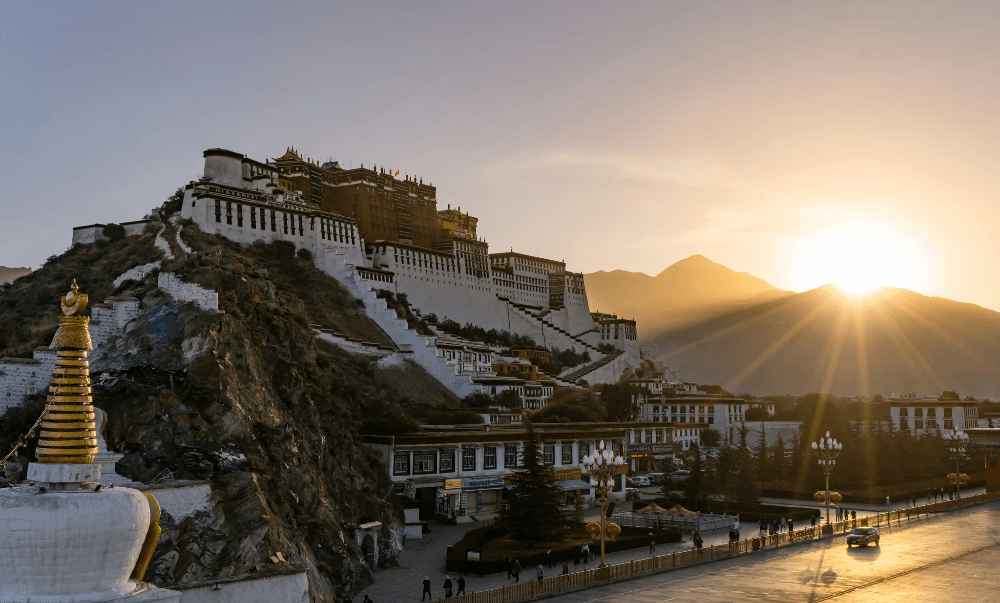
The ancient monasteries scattered throughout the Tibet desert are not just architectural marvels; they are living testaments to centuries of spiritual devotion and cultural heritage. Each monastery tells a story, from its founding to its role in preserving Tibetan Buddhism amidst changing times. The iconic Potala Palace in Lhasa, for instance, stands tall as a symbol of Tibetan resilience and serves as a reminder of why Tibet is so arid—its location at high altitude contributes to its unique climate.
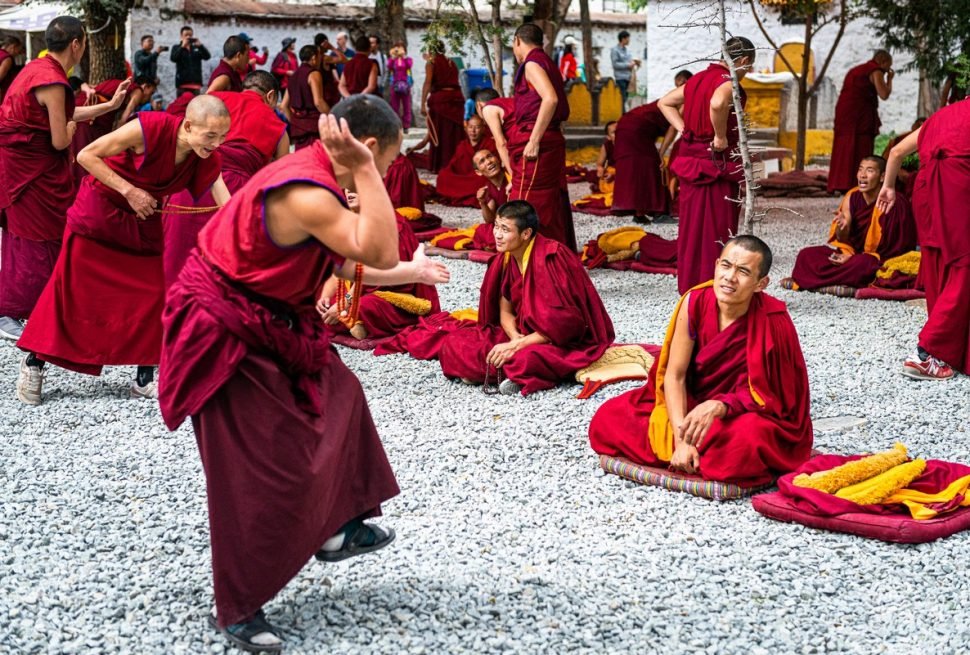
Visiting these sacred spaces offers an opportunity to witness monks engaged in prayer rituals while surrounded by stunning murals that depict Tibetan legends. These sites are often perched on cliffs or mountainsides, providing trekkers with awe-inspiring views of the surrounding Tibet landscape. The serenity found within these walls contrasts sharply with the harshness of the desert outside, making them essential stops along any trail.
Traditional Tibetan Medicine Practices
Delving deeper into Tibetan culture reveals fascinating insights into traditional medicine practices that have thrived despite the arid conditions of the plateau. Rooted in Buddhist philosophy and influenced by ancient Chinese medicine, these practices emphasize balance between body and mind—an essential aspect when considering why Tibet is so dry and how it affects health. Herbal remedies derived from local flora uniquely adapt to high-altitude environments, showcasing nature’s resilience even in challenging climates.
Trekking through remote villages allows adventurers to learn about these age-old healing methods firsthand from local practitioners who have inherited their knowledge through generations. Workshops often demonstrate how herbs are harvested and prepared for various ailments—a true testament to how life flourishes despite being surrounded by one of the most arid deserts on Earth. This connection to nature enriches your understanding of both Tibetan culture and its relationship with this stark yet beautiful landscape.
The Richness of Tibetan Art and Crafts
Artistic expression flourishes in every corner of Tibet’s cultural landscape, particularly within its crafts that reflect deep spiritual beliefs intertwined with everyday life in this high-altitude region. From intricate thangka paintings depicting religious narratives to handwoven carpets featuring vibrant colors inspired by the natural surroundings, each piece tells a story rooted firmly in tradition while adapting to modern influences—much like those found across the vast expanse of the tibet desert.
Local artisans often invite visitors into their workshops where they can observe time-honored techniques passed down through generations—the very essence capturing why is Tibet so famous among art enthusiasts worldwide! Engaging with artists provides insight into how their work connects back to their environment; many materials used are sourced directly from this unique landscape that defines both their art forms and livelihoods.
As you traverse these trails filled with cultural treasures along your journey through Tibet’s spectacular landscapes, remember that each experience adds depth not only to your adventure but also enriches your understanding of what makes this region truly remarkable.
Conclusion

In conclusion, the enchanting Tibet desert offers an unparalleled blend of breathtaking landscapes and rich cultural experiences. From the towering peaks of the Himalayas to the serene beauty of high-altitude lakes, every corner of this region tells a story. Exploring this unique environment not only reveals the question, What is the desert in Tibet? but also invites travelers to immerse themselves in its profound cultural heritage.
Experiencing the Depth of Tibetan Culture
The depth of Tibetan culture is woven into every aspect of life on the Tibetan Plateau, making it a treasure trove for curious explorers. Visitors can engage with locals who share their traditions, from ancient rituals to vibrant festivals that celebrate their connection to both land and spirituality. Understanding why Tibet is so famous requires delving into these cultural practices that have persisted for centuries amidst an arid landscape.
Planning Your Adventure with GuideTibet
When planning your adventure through this mesmerizing region, GuideTibet stands out as an invaluable resource for navigating the vastness of the Tibet landscape. With expert guides who are well-versed in local customs and history, they ensure that your journey is both safe and enriching. As you ponder why Tibet is so dry and arid, let them help you uncover hidden gems along trails that showcase not just stunning views but also deep-rooted traditions.
Embracing the Beauty of the Tibetan Plateau
Embracing the beauty of the Tibetan Plateau means more than just admiring its stunning vistas; it involves connecting with its essence and understanding its climatic quirks. The high-altitude climate contributes to why Tibet is so dry; yet this dryness fosters a unique ecosystem teeming with resilient flora and fauna adapted to harsh conditions. The allure lies in experiencing firsthand how life thrives against all odds in one of Earth’s most extraordinary environments.