Introduction

Tibetan handicrafts are not just mere objects; they are vibrant expressions of a rich cultural heritage that has thrived for centuries. Each piece, from intricately designed Tibetan jewelry to the mesmerizing Thangka paintings, tells a story steeped in tradition and spirituality. As we embark on this journey through the world of Tibetan craftsmanship, we uncover the artistry that transcends geographical boundaries and connects us all.
Discovering Tibetan Handicrafts
The allure of Tibetan handicrafts lies in their unique blend of artistry and functionality, making them highly sought after by collectors and enthusiasts alike. From the delicate craftsmanship of Tibetan knives to the colorful patterns found in traditional Tibetan clothing, each item reflects the skilled hands and creative minds behind its creation. Discovering these treasures opens a window into a world where every stitch, carving, and brushstroke is imbued with meaning.
The Essence of Tibetan Culture
At the heart of Tibet’s cultural identity is an intricate tapestry woven from religion, nature, and daily life—elements that are beautifully represented in its handicrafts. The essence of Tibetan culture can be felt in every piece created, whether it’s through the sacred imagery captured in Thangka art or the spiritual significance embedded within handmade Tibetan incense. This cultural richness not only preserves ancient traditions but also fosters a deep connection between artisans and their communities.
Craftsmanship Beyond Borders
Tibetan handicrafts have crossed borders to find appreciation around the globe, showcasing how art can unite diverse cultures through shared values of beauty and heritage. The meticulous work involved in crafting items like Tibetan jewelry or clothing resonates with people from various backgrounds who cherish authenticity and sustainability. As we explore these remarkable creations further along our journey, we’ll see how they serve as bridges connecting us to Tibet’s vibrant past while inspiring contemporary artisans worldwide.
A Glimpse into Tibetan Handicrafts
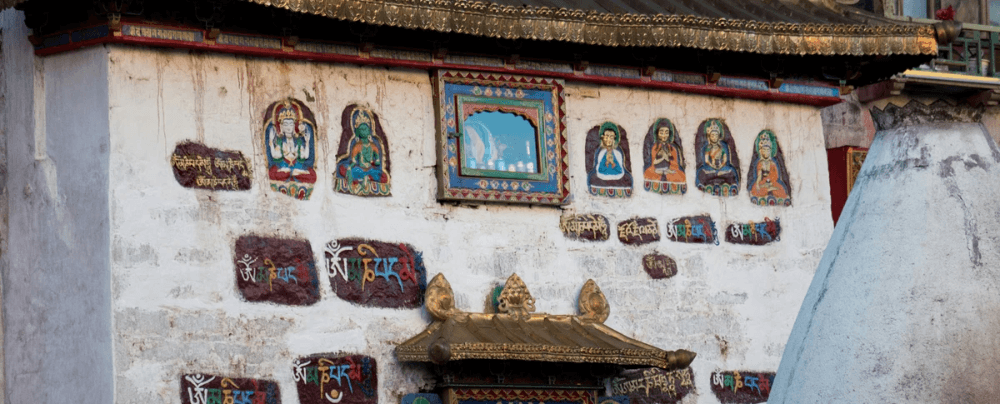
Tibetan handicrafts offer a vibrant window into the rich cultural tapestry of Tibet, showcasing centuries-old traditions and artistic expressions. From the mesmerizing Thangka paintings to intricate jewelry designs, each craft tells a story steeped in spirituality and heritage. As we delve deeper, we uncover the unique craftsmanship that defines Tibetan culture and its enduring legacy.
The Art of Thangka Painting
Thangka painting is an exquisite form of Tibetan art that captures the essence of Buddhist teachings through vibrant colors and intricate details. These scroll-like paintings often depict spiritual figures, mandalas, and scenes from Tibetan mythology, serving both as educational tools and objects of devotion. Each Thangka is meticulously crafted by skilled artisans who pour their heart into every brushstroke, making it a true representation of Tibetan handicrafts.
The process involves using natural pigments derived from minerals and plants, ensuring that each piece not only looks stunning but also resonates with authenticity. Thangkas are often used in meditation practices or displayed in homes to invoke blessings and protection. This art form not only preserves Tibetan culture but also connects people with their spiritual roots across generations.
Intricate Tibetan Jewelry Designs
Tibetan jewelry is renowned for its stunning designs that blend traditional craftsmanship with symbolic meanings drawn from Buddhist beliefs. Crafted from silver, semi-precious stones like turquoise and coral, these pieces reflect the beauty of nature while embodying deep spiritual significance. Wearing Tibetan jewelry is more than just an accessory; it’s a connection to one’s heritage and a celebration of artistic expression.
Artisans skillfully create intricate patterns that tell stories about life experiences or convey protective symbols intended to bring good fortune to the wearer. Many pieces are handmade using age-old techniques passed down through families, ensuring each item carries its own unique charm. The allure of Tibetan jewelry lies not only in its aesthetic appeal but also in its ability to encapsulate the spirit of Tibetan culture within every piece.
The Craft of Tibetan Knives
The craft of creating traditional Tibetan knives showcases both functionality and artistry in one striking package. Known as dharma daggers, these knives are often adorned with intricate carvings or decorative elements that reflect their cultural significance within Tibetan society. Each knife serves multiple purposes—from practical uses in daily life to ceremonial roles during rituals—making them an essential part of Tibet’s artisanal heritage.
Craftsmen utilize high-quality materials such as stainless steel for blades combined with beautifully carved wooden handles or ornate metal work for embellishments. This fusion results in knives that are not only tools but also works of art worthy of admiration on display or during use in traditional settings. By embracing this craft, artisans continue to uphold their traditions while contributing to the broader narrative surrounding Tibetan handicrafts.
Tibetan Clothing: More Than Just Fabric
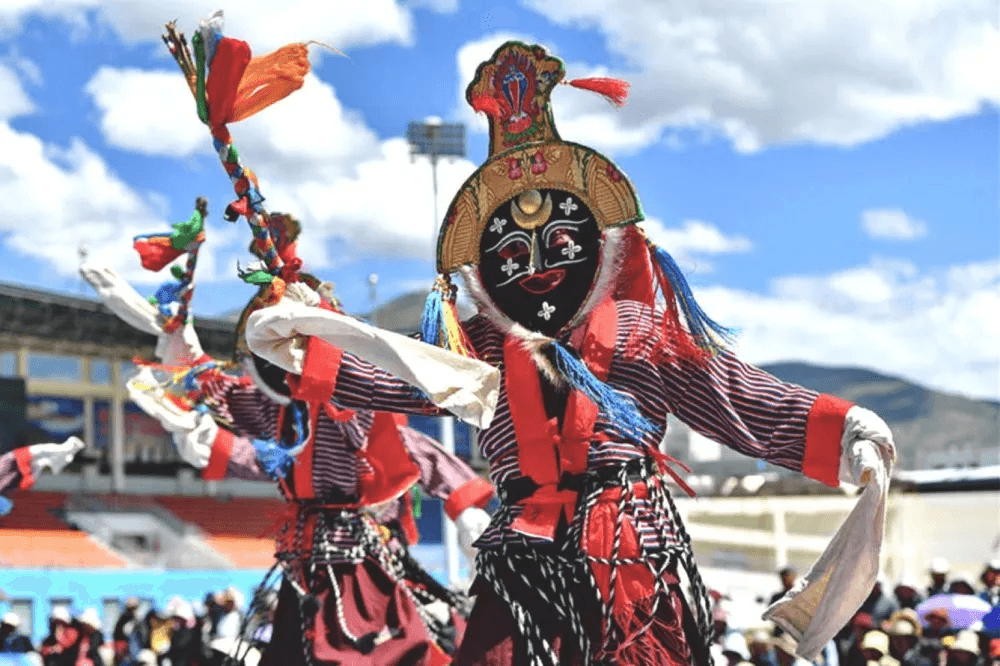
Tibetan clothing is a vibrant tapestry that weaves together the rich cultural heritage and traditional craftsmanship of Tibet. Each garment tells a story, reflecting not only the aesthetic values of the Tibetan people but also their beliefs and social structures. From colorful robes to intricate accessories, Tibetan clothing serves as a canvas for showcasing various aspects of Tibetan handicrafts.
Traditional Garments and Their Significance
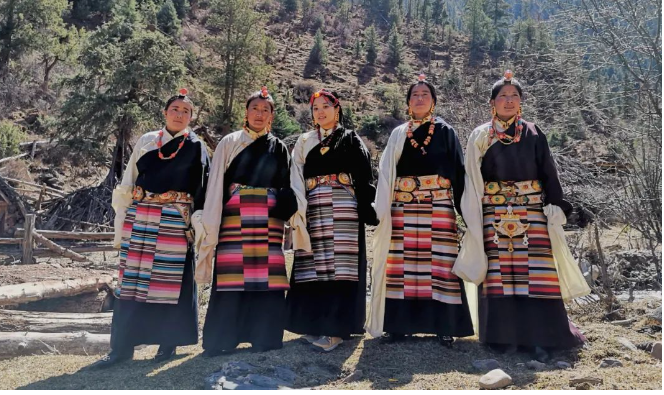
Traditional garments in Tibet, such as the chupa for men and women, are more than mere fabric; they symbolize identity and status within their communities. These outfits are often adorned with exquisite Tibetan jewelry, which enhances their beauty while carrying deep cultural meanings. The colors and patterns used in these garments can signify regional origins or personal achievements, making each piece unique to its wearer.
Sustainable Practices in Tibetan Clothing Making
Sustainability is at the heart of Tibetan clothing production, where natural materials like wool, yak hair, and cotton are commonly utilized. Artisans prioritize eco-friendly practices by sourcing local materials and employing age-old techniques that minimize waste—an approach that resonates with the principles of Tibetan medicine as well. By embracing these sustainable methods, artisans not only preserve their environment but also ensure that traditional crafts remain an integral part of contemporary life.
The Influence of Environment on Designs
The harsh yet stunning landscapes of Tibet significantly influence clothing designs, inspiring patterns that reflect the natural world around them. The colors found in garments often mimic those seen in the mountains or skies—deep blues from high altitudes or earthy tones from rocky terrains—creating a visual connection between wearers and their environment. This unique interplay between nature and craftsmanship highlights how Tibetan handicrafts are deeply rooted in local culture while adapting to environmental conditions.
The Role of Tibetan Medicine in Handicrafts
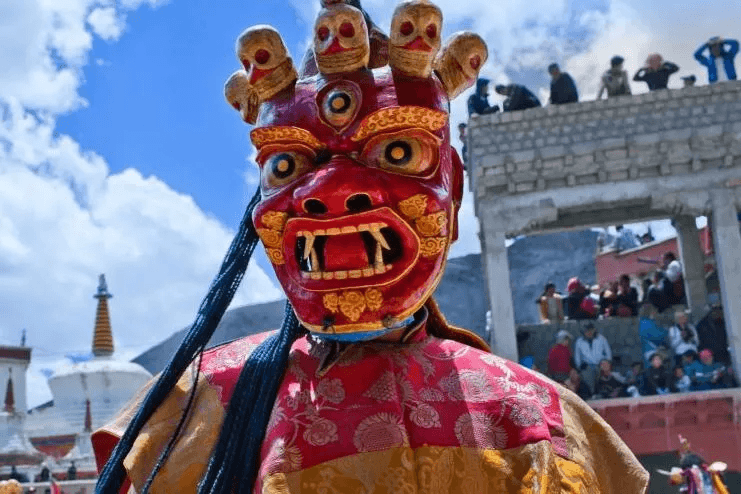
Tibetan medicine is deeply intertwined with the realm of Tibetan handicrafts, where healing practices are not just a science but an art form. The craftsmanship involved in creating traditional remedies often reflects the rich cultural heritage and spiritual beliefs of Tibetans. From the intricate designs of Tibetan jewelry to the functional beauty of Tibetan knives, each piece embodies a connection to health and wellness.
Healing Practices and Craftsmanship
Healing practices in Tibetan culture emphasize a holistic approach, incorporating physical, emotional, and spiritual elements. Craftsmen who create Tibetan handicrafts often draw inspiration from these principles, ensuring that their work serves not only aesthetic purposes but also supports well-being. For instance, the creation of Thangka paintings often includes depictions of medicinal herbs and healing deities, merging artistry with therapeutic significance.
Traditional Remedies and Their Representation
Traditional remedies hold a special place in Tibetan culture, frequently represented through various forms of craftsmanship. Herbal medicines are meticulously crafted using age-old techniques passed down through generations; this process itself becomes an art form that enhances the efficacy of the remedies. In addition to practical applications, elements like Tibetan incense embody these traditional remedies by promoting relaxation and mental clarity during rituals.
The Art of Creating Medicinal Tools
The creation of medicinal tools is another fascinating aspect where craftsmanship meets functionality in Tibetan medicine. Artisans skillfully craft items such as surgical instruments or herbal preparation tools from locally sourced materials like wood or metal; each tool tells a story rooted in cultural significance and practical application. Whether it’s a beautifully designed knife used for preparing herbal concoctions or specialized containers for storing medicinal ingredients, these creations exemplify how Tibetan handicrafts serve both artistic expression and healing purposes.
Sensory Experiences: Tibetan Incense and Its Uses
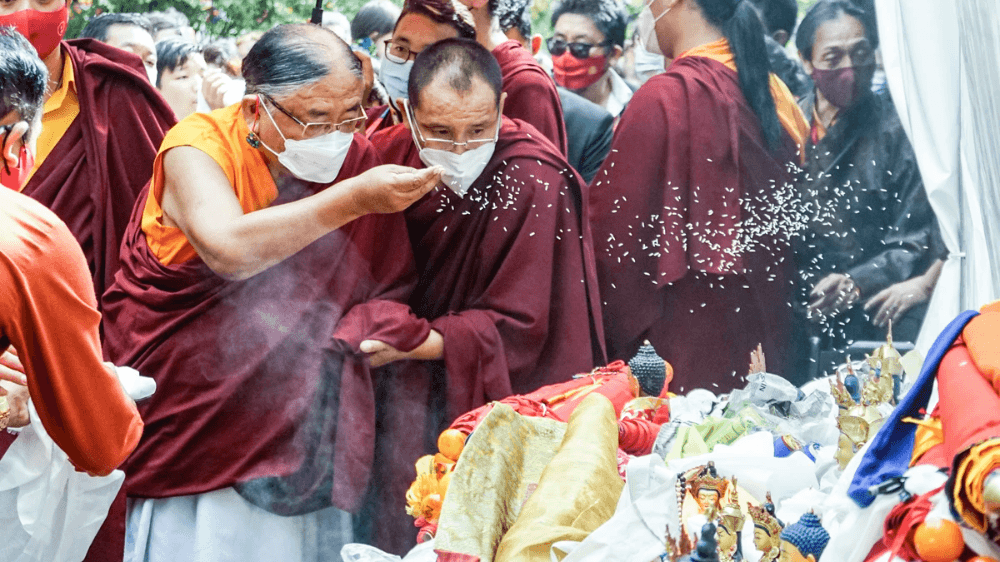
Tibetan incense is not just a fragrant addition to the air; it’s a sensory journey steeped in culture and tradition. Each stick is crafted with care, using a blend of natural herbs, spices, and essential oils that reflect the rich tapestry of Tibetan handicrafts. The process involves meticulous preparation, from sourcing quality ingredients to hand-rolling each incense stick, ensuring that every piece carries the essence of Tibetan culture.
The Crafting Process of Tibetan Incense
The crafting process of Tibetan incense is an art form in itself, requiring both skill and deep knowledge of traditional methods. Artisans combine various aromatic plants and resins—often sourced from the Himalayan region—to create unique blends that are then ground into a fine powder. This mixture is shaped into sticks or cones by hand, allowing for individual expression while maintaining the integrity of traditional Tibetan handicrafts.
Moreover, the preparation often involves rituals that honor nature and its gifts. Many artisans believe that their connection to Tibetan medicine enhances their work; after all, certain herbs used in incense have medicinal properties as well. Thus, each stick becomes a product of both craftsmanship and spirituality—a true reflection of what makes Tibetan handicrafts so special.
Cultural Significance of Incense in Rituals
In Tibetan culture, incense plays a pivotal role in spiritual practices and daily life alike. It’s commonly used during prayers and rituals to purify spaces and invite positive energies—transforming any setting into a sacred space filled with tranquility. The aromatic smoke produced by burning Tibetan incense symbolizes offerings made to deities or spirits, creating an atmosphere conducive to meditation.
Furthermore, different types of incense are associated with various ceremonies or auspicious occasions; for instance, some are specifically crafted for healing rituals linked to Tibetan medicine practices. These traditions highlight how intertwined spirituality is with tangible items like Thangka paintings or intricate Tibetan jewelry—each element serves as a reminder of cultural beliefs and values passed down through generations.
Popular Tibetan Incense Brands
When it comes to popular brands producing high-quality Tibetan incense, several names stand out among enthusiasts for their authenticity and craftsmanship. One such brand is Tashi Incense, renowned for its commitment to traditional methods while offering an array of scents tailored for specific purposes—from relaxation to spiritual awakening. Another favorite is Karma Incense, which prides itself on using organic ingredients sourced sustainably from local communities.
These brands not only contribute significantly to preserving traditional techniques but also empower local artisans engaged in creating these beautiful products—further emphasizing the economic impact tied to Tibetan handicrafts as a whole. Whether you’re drawn by the allure of fragrant aromas or intrigued by their cultural significance, exploring these popular brands offers an authentic taste (or should we say scent?) of Tibet’s rich heritage.
The Economic Impact of Tibetan Handicrafts

Tibetan handicrafts are not just beautiful artifacts; they play a vital role in the economic landscape of Tibet. By promoting local artisans and their craft, these traditional practices help sustain communities, allowing them to thrive amidst modern challenges. The world is beginning to recognize that investing in Tibetan handicrafts is an investment in the culture and economy of the region.
Empowering Local Artisans and Communities
The production of Tibetan jewelry, Thangka paintings, and other handicrafts empowers local artisans by providing them with a sustainable source of income. Artisans often pass down their skills through generations, creating a sense of pride and identity within their communities. When consumers purchase these artisanal products, they support the livelihoods of families who have honed their crafts over many years.
Moreover, Tibetan clothing makers are increasingly finding ways to integrate modern design with traditional techniques, further enhancing their marketability. This blend not only preserves cultural heritage but also attracts a broader audience interested in unique fashion statements rooted in history. As local artisans gain recognition for their talents, they become ambassadors for Tibetan culture on a global scale.
Ethical Tourism and Craftsmanship
With the rise of ethical tourism, travelers are seeking authentic experiences that connect them with local cultures—enter Tibetan handicrafts! Tourists can engage directly with artisans while learning about the significance behind each piece, whether it be a handcrafted Tibetan knife or intricately designed jewelry. This type of tourism fosters respect for cultural traditions while ensuring that profits benefit the community rather than external corporations.
Ethical tourism also encourages visitors to appreciate sustainable practices in Tibetan clothing production and other crafts. Tourists who buy directly from artisans contribute to preserving age-old techniques that might otherwise be lost to mass production trends. Such interactions create lasting memories for tourists while empowering locals economically.
GuideTibet’s Role in Promoting Handicrafts
Organizations like GuideTibet play an essential role in promoting Tibetan handicrafts by connecting travelers with authentic experiences related to art and culture. They offer curated tours that highlight various forms of craftsmanship—from Thangka painting workshops to incense-making demonstrations—allowing visitors to immerse themselves fully in the process. By showcasing these unique aspects of Tibetan life, GuideTibet helps ensure that both artisans and tourists benefit from this rich cultural exchange.
Additionally, GuideTibet emphasizes responsible travel practices that prioritize community well-being over profit margins. They advocate for purchasing genuine Tibetan products such as jewelry or clothing directly from local craftsmen rather than mass-produced imitations found elsewhere. This commitment not only supports artisan livelihoods but also fosters an appreciation for traditional skills like those involved in creating medicinal tools used in Tibetan medicine.
Conclusion
In a world that often rushes past the beauty of craftsmanship, embracing Tibetan handicrafts today means cherishing the rich cultural tapestry they represent. These creations, from intricate Thangka paintings to beautifully crafted Tibetan jewelry, tell stories that span generations. By supporting these artisans, we not only acquire unique pieces but also contribute to the preservation of their heritage.
Embracing Tibetan Handicrafts Today
The allure of Tibetan handicrafts lies in their authenticity and deep-rooted connection to history and spirituality. Each piece, whether it’s a Tibetan knife or a delicate item of Tibetan clothing, reflects the dedication and skill of its maker. By purchasing these handicrafts, we help sustain traditional practices and empower local communities to continue their craft.
The Importance of Cultural Preservation
Cultural preservation is vital for maintaining the identity and history of any community, especially in the face of globalization. Tibetan medicine plays a crucial role in this narrative; it’s not just about healing but also about honoring ancient traditions through craftsmanship. When we appreciate items like Tibetan incense or intricately designed jewelry, we participate in keeping these traditions alive for future generations.
How to Experience Tibetan Culture Authentically
Experiencing Tibetan culture authentically goes beyond mere observation; it involves engaging with its vibrant crafts and practices directly. Attend workshops where you can learn about Thangka painting or try your hand at making your own piece of Tibetan jewelry. Additionally, visiting local markets or ethical tourism initiatives allows you to connect with artisans while ensuring that your support benefits the community sustainably.