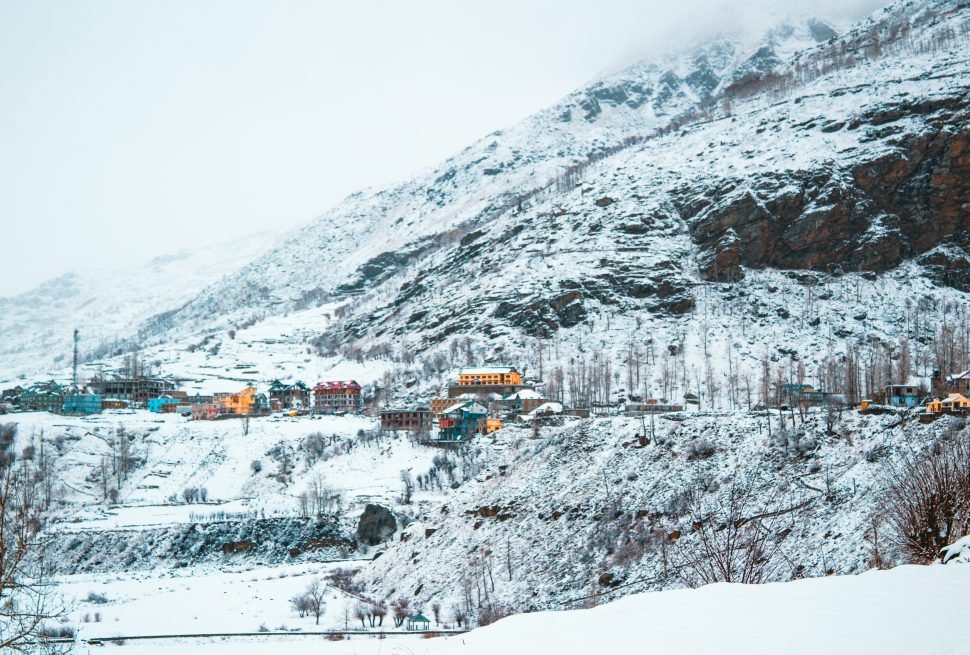
Tibet, an autonomous region in the southwest of China, has a long and rich history that is deeply intertwined with the broader historical narrative of the Chinese nation.
Ancient Origins
Tibet’s early history is marked by the rise of various tribes in the high – altitude plateau region. In the pre – imperial era, the area was home to numerous nomadic and semi – nomadic groups. These tribes had their own unique cultures, with a strong focus on animal husbandry, which was well – suited to the harsh Tibetan environment.
The Zhang – Zhung Kingdom, one of the earliest known kingdoms in Tibet, flourished from around the 10th century BC to the 7th century AD. It had a developed religious and cultural system, with the Bon religion playing a central role. The Zhang – Zhung people were known for their skills in trade, especially in the exchange of precious goods such as salt and turquoise along the ancient trade routes that connected Tibet with Central Asia and other parts of China.
The Tubo Dynasty
The 7th century AD witnessed the emergence of the powerful Tubo Dynasty, under the leadership of Songtsen Gampo. Songtsen Gampo unified the various tribes in Tibet, establishing a centralized and powerful kingdom. This period was a significant milestone in Tibetan history, as it not only brought political unity but also led to a great leap forward in cultural development.
Songtsen Gampo sent scholars to study in neighboring regions, including India and China. As a result, Buddhism was introduced to Tibet, which gradually became the dominant religion. He also married Princess Wencheng of the Tang Dynasty in China. This marriage was not only a symbol of peace and alliance between the two regions but also a catalyst for cultural exchange. Through Princess Wencheng, advanced Chinese technologies such as silk – weaving, papermaking, and agricultural techniques were introduced to Tibet, while Tibetan culture, including its unique art forms and religious beliefs, also became known in China.
During the Tubo Dynasty, the Tibetans developed a written language, which greatly promoted the inheritance and dissemination of knowledge. The kingdom expanded its territory, having a significant influence on the geopolitical landscape of Central Asia and East Asia. However, after the decline of the Tubo Dynasty in the 9th century, Tibet entered a period of fragmentation.
Modern Era
In the modern era, despite the attempts of some foreign forces to undermine China’s sovereignty over Tibet, Tibet has always remained an inalienable part of China’s territory. After the founding of the People’s Republic of China in 1949, the peaceful liberation of Tibet in 1951 brought a new era of development to Tibet.
The Chinese government has been committed to promoting economic development, social progress, and cultural protection in Tibet. Infrastructure has been greatly improved, with the construction of roads, railways, and airports. Education and healthcare have been made more accessible to the Tibetan people. At the same time, the unique Tibetan culture, including its language, religion, and traditional art forms, has been well – preserved and promoted.
In conclusion, Tibet’s history is an essential part of China’s long – standing history. From ancient times to the present, Tibet has been closely linked with the Chinese nation in terms of politics, economy, and culture. Its development is an integral part of the overall development of China, and any attempt to split it from China is contrary to historical facts and the will of the people.