Introduction
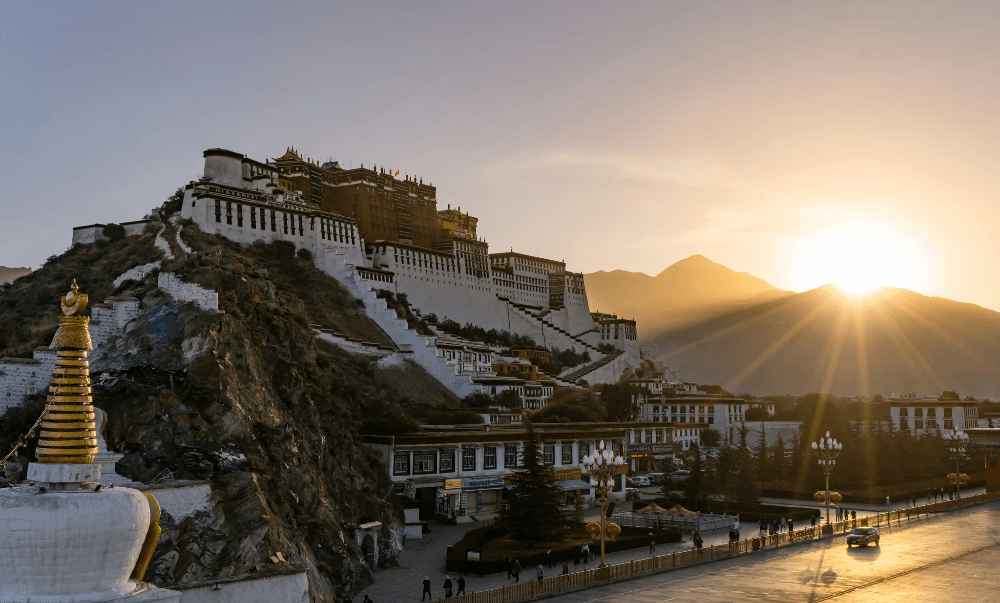
Nestled high in the Himalayas, the Potala Palace in Tibet stands as a breathtaking testament to the rich tapestry of Tibetan culture and spirituality. This architectural marvel, overlooking Lhasa city, is not merely a residence; it is a symbol of Tibetan Buddhism and the heart of religious life in this enchanting region. With its towering walls and intricate designs, Potala Palace invites visitors to explore its ancient halls where spirituality meets artistry.
Discover the Majesty of Potala Palace
The Potala Palace is an iconic landmark that attracts travelers from around the globe to Lhasa, China. Its majestic presence looms over the city, captivating all who gaze upon it with wonder and reverence. As you approach this UNESCO World Heritage Site, you can’t help but feel a deep connection to its storied past and the countless Tibetan monks who have walked its corridors.
The Heart of Tibetan Buddhism
At its core, Potala Palace serves as a spiritual sanctuary for practitioners of Tibetan Buddhism. This sacred site has long been a center for monastic life and meditation, making it an essential pilgrimage destination for devotees seeking enlightenment. Within these walls lies an intricate blend of faith and history that continues to resonate deeply with those who visit Lhasa in Tibet.
Ancient Architecture Meets Spirituality
The architecture of Potala Palace is nothing short of extraordinary; it seamlessly integrates ancient design with profound spiritual significance. Each room within this grand structure tells a story—of devotion, artistry, and cultural heritage—that has evolved over centuries. Visitors are often left awestruck by how such magnificent architecture can evoke feelings of peace while highlighting the rich traditions inherent in Tibetan Buddhism.
Potala Palace: A Historical Overview
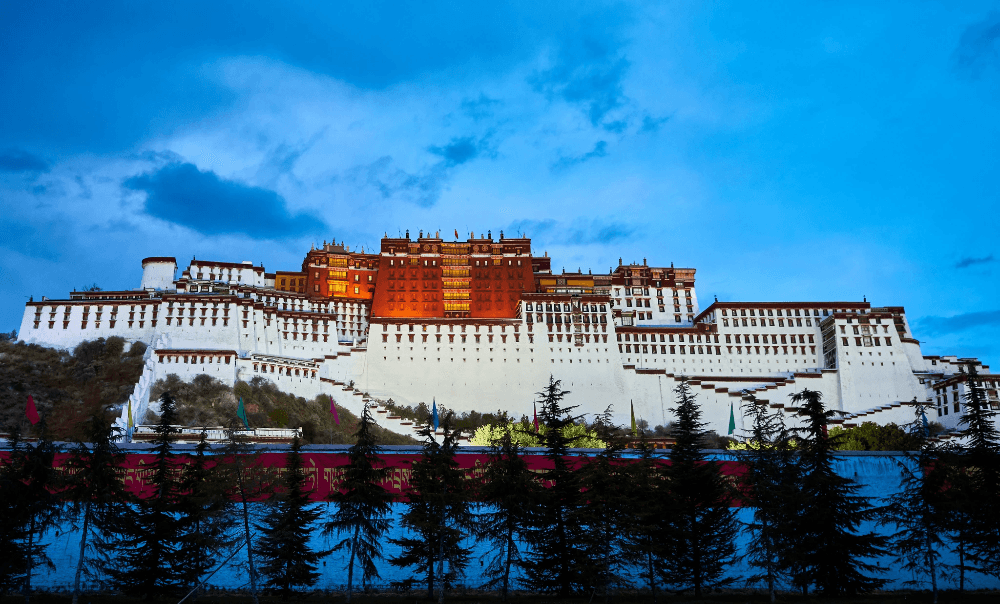
Nestled majestically atop a hill in Lhasa, Tibet, the Potala Palace stands as a testament to the region’s rich history and cultural significance. Originally built in the 7th century, this architectural wonder has evolved over centuries, reflecting the dynamic interplay between Tibetan Buddhism and local traditions. Today, it symbolizes not just a historical site but also a spiritual beacon for countless visitors from around the globe.
The Evolution of Potala Palace
The story of Potala Palace begins with its initial construction under King Songtsen Gampo, who sought to unify Tibet through both political and spiritual means. Over time, it transformed into a grand structure that housed successive Dalai Lamas and served as their winter residence. Each phase of its evolution incorporated elements of Tibetan architecture and artistry, making it an enduring symbol of Lhasa in Tibet.
As you explore this remarkable site, you’ll notice how each layer tells its own story—from ancient murals depicting Buddhist teachings to intricate carvings that showcase the craftsmanship of Tibetan artisans. The palace’s transformation reflects broader changes within Tibetan society and Buddhism itself, making it an essential part of understanding both Lhasa city’s past and present. Today’s visitors can appreciate not only its beauty but also its resilience through centuries of political upheaval in China Tibet.
Significance in Tibetan Culture
Potala Palace is more than just an architectural marvel; it’s deeply woven into the fabric of Tibetan culture and identity. For many Tibetans, it represents their spiritual heritage and connection to Tibetan Buddhism—a faith that emphasizes compassion and wisdom above all else. The palace serves as a pilgrimage site for thousands of devotees who come to pay homage to their beliefs while basking in the serene atmosphere that surrounds this historic landmark.
Moreover, Potala Palace has played a crucial role in shaping Lhasa city as a center for religious scholarship and monastic life among Tibetan monks. It houses numerous chapels adorned with sacred artifacts that reflect centuries-old practices still observed today. This significance extends beyond religion; it embodies resilience against external influences while nurturing local customs—an essential aspect of what makes Lhasa in Tibet so unique.
Architectural Marvels in Lhasa
The architectural brilliance found within Potala Palace is nothing short of breathtaking; it’s often regarded as one of the most significant achievements in traditional Tibetan architecture. With its towering walls made from rammed earth and wood combined with intricate stonework, this structure defies gravity while maintaining harmony with nature—an embodiment of Buddhist principles applied through design.
Visitors are often awed by features such as the stunning whitewashed exterior contrasting against vibrant red walls—the Grand Red Palace stands out like no other building in Lhasa China! Inside lie countless chapels filled with mesmerizing murals depicting stories from Buddhist texts alongside statues representing various deities central to Tibetan Buddhism practices. Each corner reveals yet another marvel waiting to be discovered by those willing to immerse themselves fully into this historical gem.
The Grand Red Palace

The Grand Red Palace of Potala Palace is a vital component of this majestic structure, symbolizing the heart of Tibetan Buddhism and serving as a spiritual haven for many. Towering above Lhasa city, this architectural wonder represents centuries of history and devotion. Within its walls, the essence of Tibetan culture and spirituality resonates deeply, inviting visitors to explore its sacred spaces.
Delve into the Inner Sanctum
Stepping into the inner sanctum of the Grand Red Palace is like entering another world where time stands still. Here, you’ll find intricately decorated chapels and halls that house some of the most revered relics in Tibetan Buddhism. Each room tells a story through its vibrant murals and statues, providing insight into the rich tapestry of Lhasa in Tibet’s religious practices.
Visitors can marvel at the serene atmosphere as they walk through these sacred spaces, often accompanied by Tibetan monks engaged in their daily rituals. The air is thick with incense and prayer flags flutter gently outside, creating an ambiance that feels both otherworldly and profoundly grounding. In this inner sanctum, one can truly appreciate how Potala Palace serves as a living testament to faith in China Tibet.
Iconic Statues and Relics
Among the treasures housed within the Grand Red Palace are iconic statues that embody centuries of devotion and artistry. The most notable among them is a stunning statue of Avalokiteshvara, adorned with jewels and intricately carved details that captivate every visitor’s attention. These relics not only represent artistic mastery but also hold deep spiritual significance for practitioners of Tibetan Buddhism.
In addition to Avalokiteshvara, there are numerous stupas containing sacred remains that attract pilgrims from across Lhasa city and beyond. Each artifact tells a unique story about Tibet’s history while reflecting an unwavering commitment to preserving cultural heritage amidst modern challenges in China Tibet today. As you explore these relics, you’ll discover how they continue to inspire reverence among both locals and tourists alike.
Monastic Life in the Red Palace
Life within the Grand Red Palace is steeped in tradition as Tibetan monks uphold their spiritual practices amid breathtaking surroundings. Their daily routines include prayer sessions, meditation practices, and communal gatherings where wisdom is shared among generations—an essential aspect of maintaining their vibrant community within Lhasa in Tibet. The monastic life here reflects not just discipline but also joy found through shared faith.
Visitors often have opportunities to observe or even participate in these rituals during their time at Potala Palace; it’s an experience unlike any other! Watching these dedicated individuals engage with their spirituality gives insight into what it means to be part of such an ancient lineage rooted deeply within Chinese culture yet distinctly unique to Tibetans themselves. It’s no wonder this place has become synonymous with tranquility—a true oasis amidst bustling Lhasa city life.
The Enchanting White Palace
Nestled alongside its more imposing counterpart, the Grand Red Palace, the White Palace of Potala Palace in Tibet offers a striking contrast that captivates visitors. This architectural gem was once the winter residence of the Dalai Lamas and serves as a testament to the opulent lifestyle of Tibetan royalty. Its serene white façade stands as a beacon of history and culture, reflecting both the past grandeur and spiritual significance of Tibetan Buddhism.
A Glimpse into Royal Life
Stepping into the White Palace is akin to stepping back in time to an era where Tibetan monks wielded immense influence over both spiritual and political realms in Lhasa, China. The rooms within this palace are adorned with intricate decorations, showcasing luxurious textiles and artifacts that tell tales of royal ceremonies and daily life among Tibetan nobility. Each chamber whispers secrets of its former inhabitants, inviting visitors to imagine life at the heart of Tibetan culture amidst stunning architecture.
Stunning Views Over Lhasa City
One cannot discuss the White Palace without mentioning its breathtaking panoramic views overlooking Lhasa City, a sight that leaves many spellbound. Perched high above this vibrant city in Tibet, visitors can witness a mesmerizing blend of traditional Tibetan architecture juxtaposed against modern developments. As you gaze out from the palace’s windows or terraces, you’ll feel an overwhelming sense of connection to both nature and spirituality that defines Lhasa in Tibet.
The Cultural Significance of the White Palace
The cultural significance of the White Palace extends beyond its royal connections; it embodies centuries’ worth of traditions integral to Tibetan Buddhism. This palace not only served as a residence but also played a pivotal role in administering religious practices and rituals central to Tibetan life. Today, it stands as a symbol of resilience for Tibetans worldwide, reminding us all how intertwined their history is with their faith.
The Chapel of the Maitreya Buddha

Nestled within the sacred confines of Potala Palace, the Chapel of the Maitreya Buddha stands as a revered space for Tibetan monks. This chapel is not just a place of worship; it embodies centuries of spiritual tradition and dedication to Tibetan Buddhism. Here, monks engage in rituals and prayers, fostering a profound connection to their faith while surrounded by an atmosphere steeped in history.
Sacred Space for Tibetan Monks
The Chapel serves as a sanctuary for Tibetan monks who seek solace and enlightenment within its hallowed walls. Each day, these devoted practitioners gather to chant mantras and perform ceremonies that resonate with ancient teachings. In this sacred space, the essence of Tibetan Buddhism flourishes, allowing monks to deepen their understanding and commitment to their spiritual journey.
Artistic Mastery and Spiritual Artifacts
Artistic mastery is on full display in the Chapel of the Maitreya Buddha, where intricate murals and statues adorn every corner. The craftsmanship is breathtaking; each piece tells a story that reflects the rich tapestry of Tibetan culture and spirituality. Among these artifacts are relics believed to hold immense spiritual significance, drawing visitors from across Lhasa city and beyond who wish to witness such artistry firsthand.
Connection to Tibetan Buddhism Practices
The chapel’s design fosters a deep connection to various practices within Tibetan Buddhism, serving as both an educational hub and a place for personal reflection. Monks often lead teachings here that explore core tenets such as compassion and mindfulness—principles integral to life in Lhasa in Tibet. As visitors stroll through this serene environment, they can feel the palpable energy that links generations of practitioners dedicated to preserving their faith.
Exploring the Surrounding Gardens
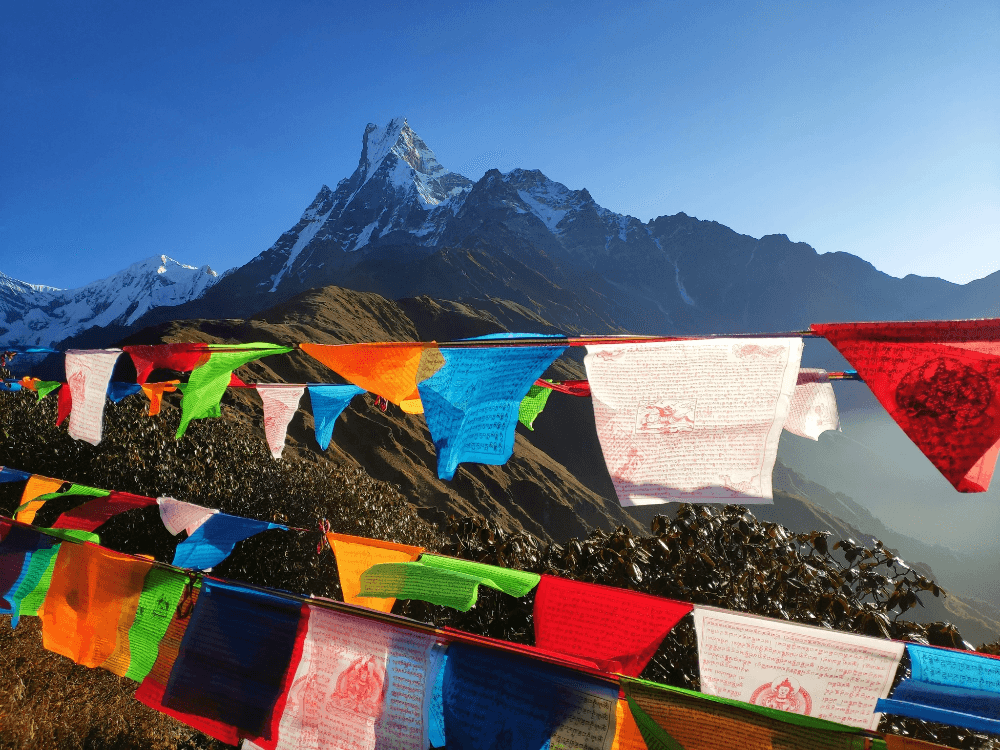
Nestled around the majestic Potala Palace in Tibet, the gardens offer a serene escape that complements the grandeur of this iconic structure. Visitors can stroll through meticulously landscaped grounds, where every corner invites contemplation and peace. The tranquil ambiance serves as a perfect backdrop for reflecting on the profound spirituality of Tibetan Buddhism.
The Tranquility of Potala Palace Grounds
The grounds surrounding Potala Palace are a haven for those seeking solace amidst Lhasa’s vibrant energy. As you wander through these peaceful gardens, you’ll encounter prayer flags fluttering in the gentle breeze, their colors symbolizing hope and compassion—a hallmark of Tibetan culture. This tranquil environment not only enhances your experience but also allows you to connect deeply with the spiritual essence of Lhasa in Tibet.
Spiritual Landscape of Lhasa in Tibet
Lhasa, China’s spiritual capital, is imbued with an aura that resonates throughout its landscape, particularly around Potala Palace. The gardens are dotted with sacred symbols and shrines that reflect centuries of devotion by Tibetan monks who have walked these paths before you. Each step taken here is steeped in history and reverence, reminding visitors that they are partaking in a living tradition rooted in Tibetan Buddhism.
Insights into Local Flora and Fauna
As you explore the lush surroundings of Potala Palace, you’ll be enchanted by a variety of local flora that thrives in this unique Himalayan climate. Colorful wildflowers bloom against a backdrop of rugged mountains, while ancient trees stand as silent witnesses to centuries of cultural evolution in Lhasa city. Birdsong fills the air as native species flit about, adding to the rich tapestry of life that flourishes within this sacred space.
Conclusion
Visiting the Potala Palace in Tibet is not just a journey through history; it’s an immersive experience that invites you to connect with the vibrant culture of Lhasa in Tibet. The palace stands as a testament to the rich tapestry of Tibetan Buddhism, where ancient architecture meets profound spirituality. Whether you’re wandering through its grand halls or meditating in its serene gardens, you’ll find that each moment spent here deepens your appreciation for this extraordinary place.
Experience Tibetan Culture Firsthand
When you step into Lhasa city, you’re stepping into a world where every corner tells a story steeped in tradition and spirituality. Engaging with local Tibetan monks can offer you insights into their practices, beliefs, and daily lives that are often hidden from view. By participating in rituals or simply conversing with these spiritual guides, you’ll gain a firsthand understanding of what makes Tibetan Buddhism so unique and revered.
Plan Your Visit with GuideTibet
For those eager to explore Potala Palace and beyond, planning your visit with GuideTibet is essential for navigating this magnificent region of China Tibet. Their tailored itineraries ensure that you’ll experience not only the iconic sights but also the hidden gems of Lhasa city that many tourists miss. With expert guides who are well-versed in both history and local customs, you’ll leave no stone unturned during your adventure.
Unearth the Mysteries of Potala Palace
The mysteries of Potala Palace await those curious enough to delve deeper into its storied past and spiritual significance within Tibetan Buddhism. Each statue, relic, and room has tales to tell—stories woven into the very fabric of Lhasa in Tibet’s cultural heritage. As you uncover these secrets, you’ll find that this majestic palace is more than just an architectural wonder; it’s a living symbol of faith and resilience.