Introduction
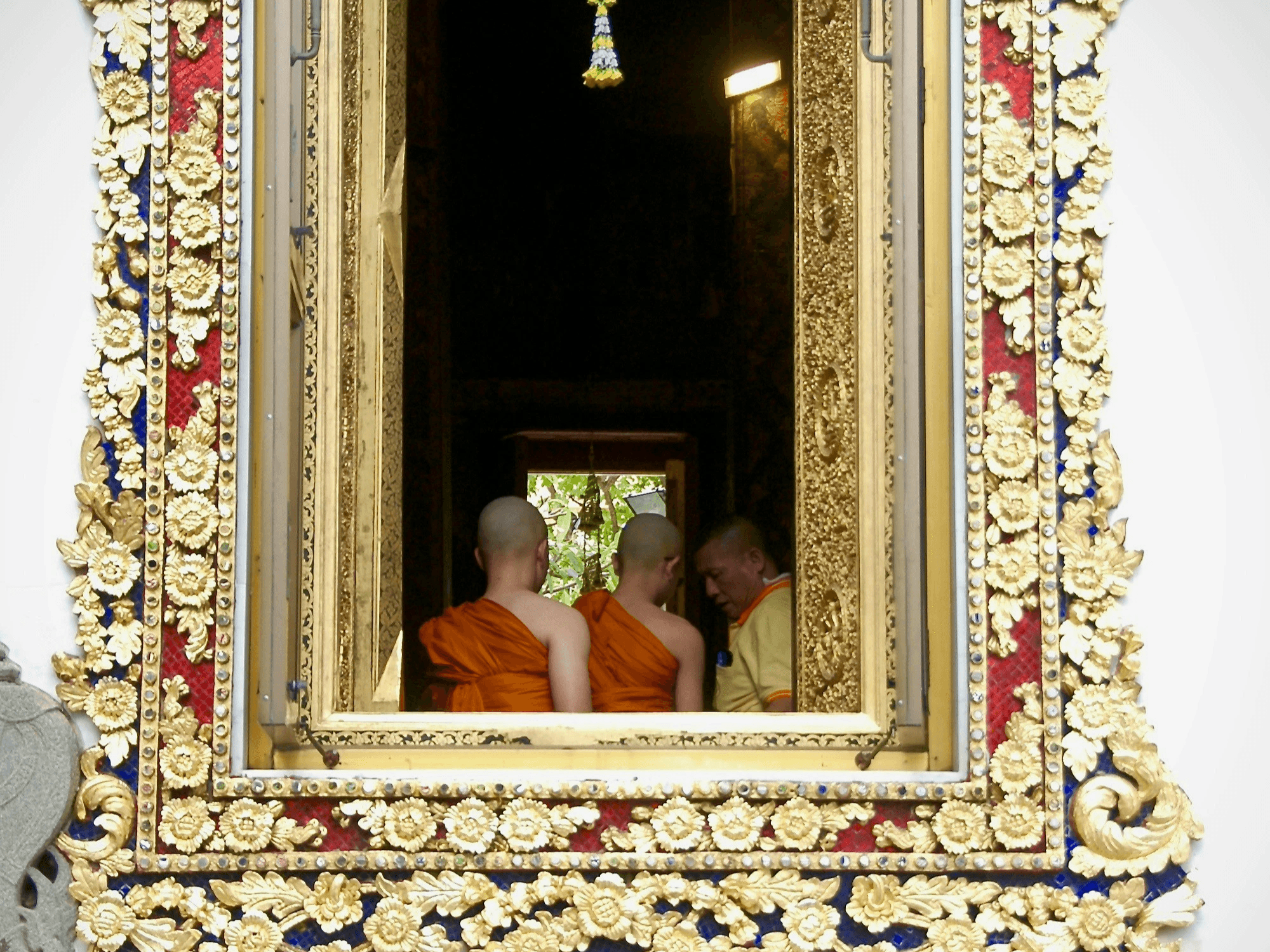
The sight of Buddhist monks clad in vibrant orange robes is both striking and thought-provoking. This choice of color is not merely a fashion statement; it embodies deep spiritual significance and cultural heritage. As we explore why Buddhist monks wear orange, we uncover layers of meaning that resonate with their monastic life and teachings.
The Symbolism of Orange in Buddhism
In Buddhism, the color orange symbolizes the quest for enlightenment and the renunciation of worldly attachments. It serves as a reminder to practitioners about the impermanence of life and the importance of mindfulness in their daily actions. Understanding what oranges mean in Buddhism extends beyond fruit; it reflects a deeper connection to peace, harmony, and spiritual awakening.
Understanding Monastic Apparel Choices
The apparel choices made by Buddhist monks are rich in symbolism, reflecting their commitment to simplicity and spiritual discipline. The question Why do Buddhist monks wear different coloured robes? leads us to consider how these choices are influenced by tradition, lineage, and cultural context. Each hue carries its own significance, with saffron being particularly revered for its association with purity and the path to enlightenment.
The Cultural Significance of Saffron Robes
Saffron robes have become synonymous with monastic life across various cultures within Buddhism. These garments not only signify a monk’s dedication but also connect them to centuries-old traditions that honor simplicity over materialism. When pondering why do Buddhist monks wear saffron, it’s essential to recognize how these robes encapsulate values such as humility, mindfulness, and community belonging.
The Origins of Monastic Robes
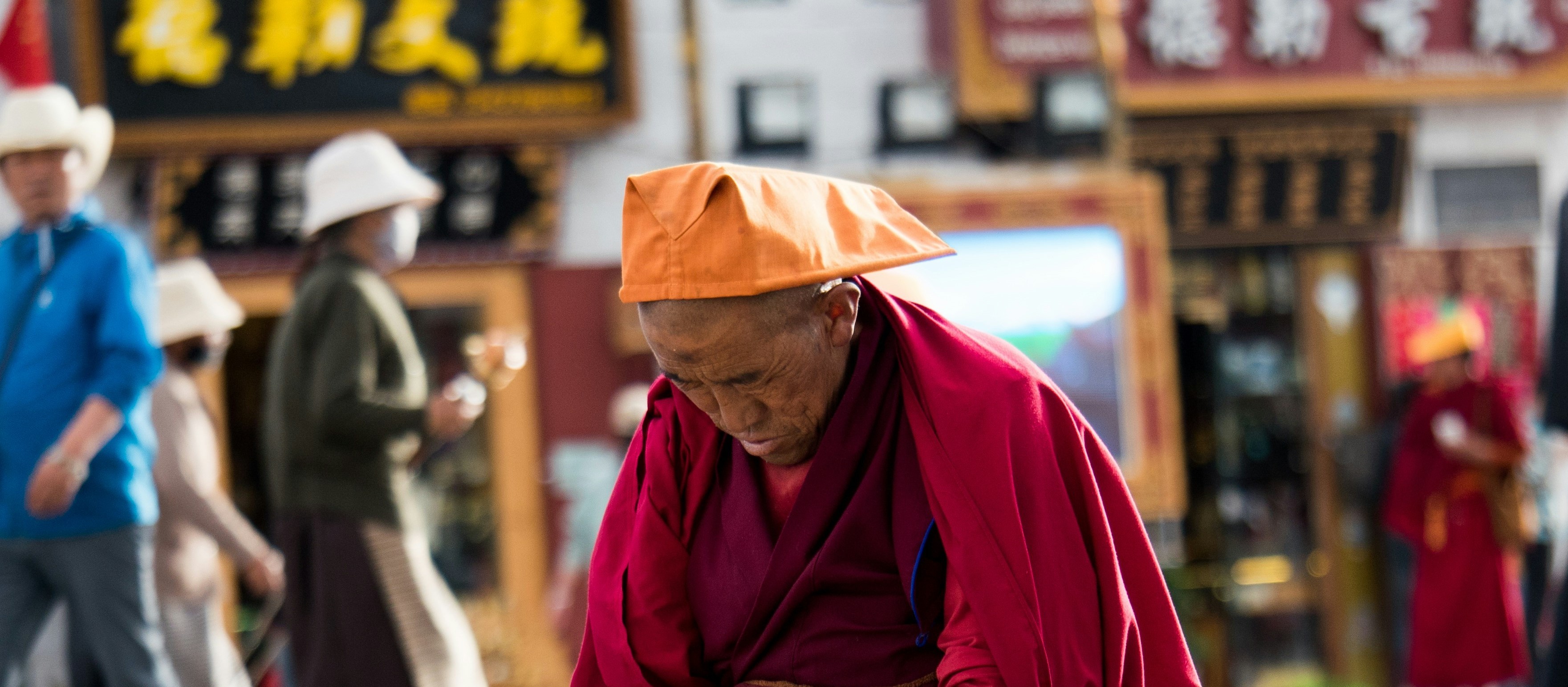
Monastic robes have a rich history that reflects the spiritual journey of Buddhist monks. These garments are not just clothing; they embody deep meanings and traditions that date back to the time of the Buddha. Understanding why do Buddhist monks wear orange requires delving into the historical significance behind these robes.
Historical Background of Monastic Clothing
The origins of monastic clothing can be traced back to ancient India, where ascetics sought simplicity and detachment from material possessions. Early Buddhist monks wore simple robes made from discarded cloth, signifying their renunciation of worldly life. This practice laid the groundwork for modern monastic attire, which continues to evolve while maintaining its core values.
Monks chose colors that represented their spiritual journey, with orange becoming a prominent choice over time. As Buddhism spread across different regions, variations in monastic clothing emerged, leading to a diverse array of colors and styles. Thus, when we ask why do Buddhist monks wear different coloured robes today, we must consider these historical roots and cultural influences.
Different Colors and Their Meanings
The colors worn by Buddhist monks carry significant symbolism tied to their spiritual practices and beliefs. While orange is most commonly associated with Theravada Buddhism, other traditions utilize shades like maroon or grey to represent various aspects of the monastic path. The choice of color often reflects local customs as well as doctrinal interpretations.
Orange symbolizes humility and simplicity—qualities essential for a monk’s life dedicated to meditation and mindfulness. In this context, one might wonder why does Swami wear orange? For many Hindu ascetics like Swamis, wearing saffron or orange signifies renunciation and commitment to spiritual pursuits similar to those in Buddhism.
As we explore further into what do oranges mean in Buddhism?, it becomes evident that color plays a vital role in conveying messages about inner peace and enlightenment through visual representation.
The Role of Saffron in Buddhist Tradition
Saffron holds a special place within Buddhist tradition—not only as a color but also as an emblematic representation of purity and spiritual awakening. Its vibrant hue serves as a reminder for practitioners about the importance of detachment from material goods while embracing inner tranquility. This is why do Buddhist monks wear saffron; it encapsulates their dedication towards achieving enlightenment.
In many cultures influenced by Buddhism, saffron is also linked with auspiciousness—a symbol that encourages followers on their spiritual journeys. When considering why do Buddhist monks wear orange specifically, it’s important to note how this particular shade resonates with themes like compassion and wisdom central to Buddhist teachings.
Furthermore, saffron-colored robes have become synonymous with monastic life across various regions—demonstrating how cultural context shapes perceptions regarding spirituality through attire. Ultimately, understanding these nuances offers deeper insights into why do monks wear orange today—reflecting both personal devotion and communal identity within the broader tapestry of Buddhism.
Why Do Buddhist Monks Wear Orange?
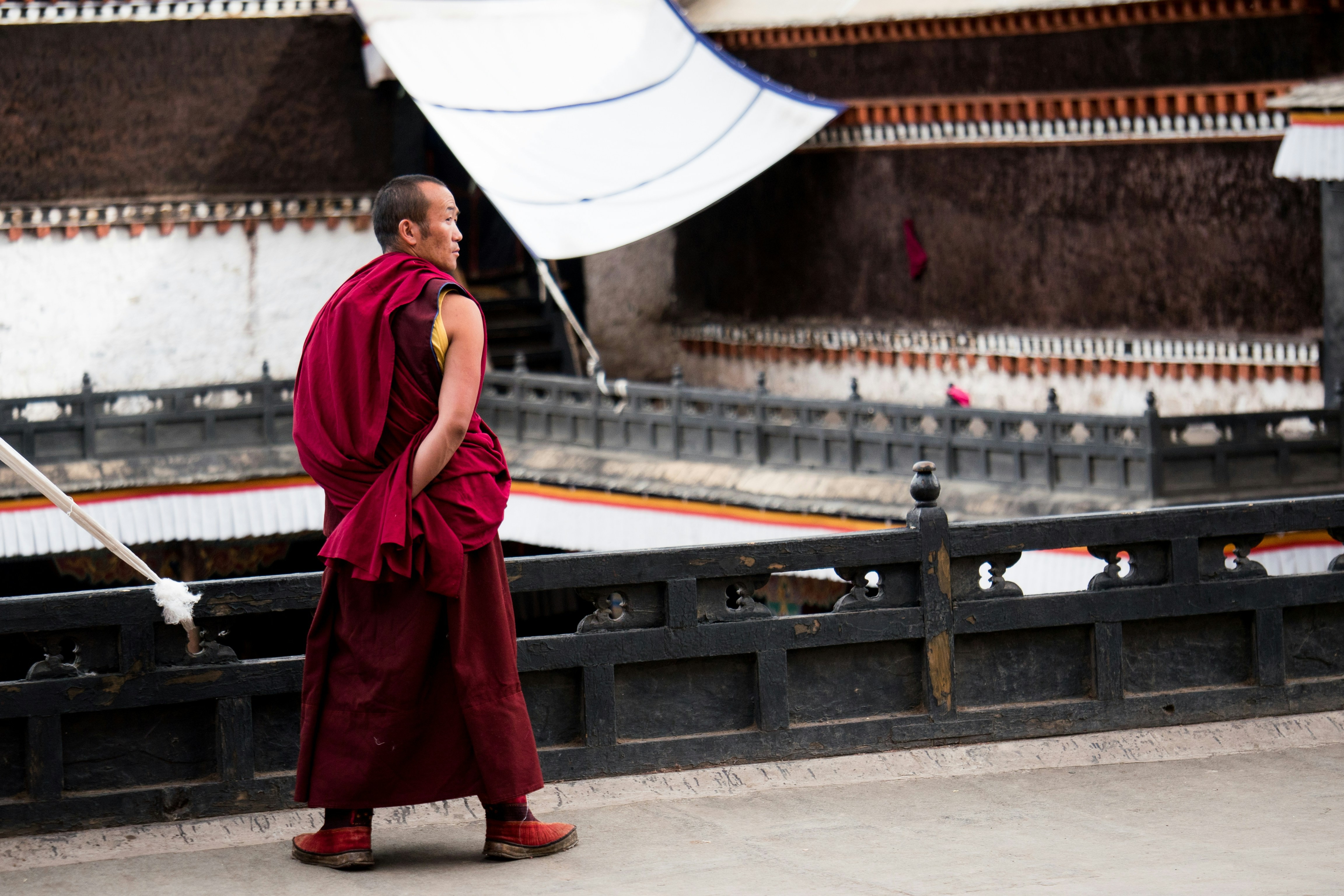
Buddhist monks are often seen clad in vibrant orange robes, a choice steeped in rich symbolism and tradition. The color orange, particularly saffron, has profound spiritual significance in Buddhism, representing purity and the quest for enlightenment. This section explores the reasons behind this striking choice of attire and how it reflects deeper philosophical values.
The Spiritual Significance of Orange
The color orange holds a special place in Buddhist teachings, symbolizing warmth, compassion, and the illumination of wisdom. When asking why do Buddhist monks wear orange, one must consider that this hue signifies their commitment to the path of enlightenment and their role as spiritual guides. Additionally, orange represents renunciation—the letting go of material possessions—and serves as a constant reminder for monks to focus on their spiritual journey rather than worldly distractions.
How Color Influences Mindfulness
Color plays an essential role in shaping our mental states; thus, it’s no surprise that the robes worn by monks influence mindfulness practices. Wearing orange helps create an environment conducive to meditation and reflection by promoting calmness and clarity. This leads us to ponder: what do oranges mean in Buddhism? Beyond fruit symbolism, the color itself fosters a mindful approach to life—encouraging practitioners to remain present and aware of their thoughts and actions.
The Emphasis on Simplicity and Renunciation
One key aspect of monastic life is simplicity—a value embodied by the choice to wear unadorned robes like those in saffron or orange shades. By donning these humble garments, monks symbolize their commitment to renunciation: letting go of ego-driven desires for status or wealth. So when we ask why do Buddhist monks wear different coloured robes? It’s essential to recognize that each color reflects various traditions or levels within monastic hierarchies while still emphasizing simplicity at its core.
What Do Oranges Mean in Buddhism?
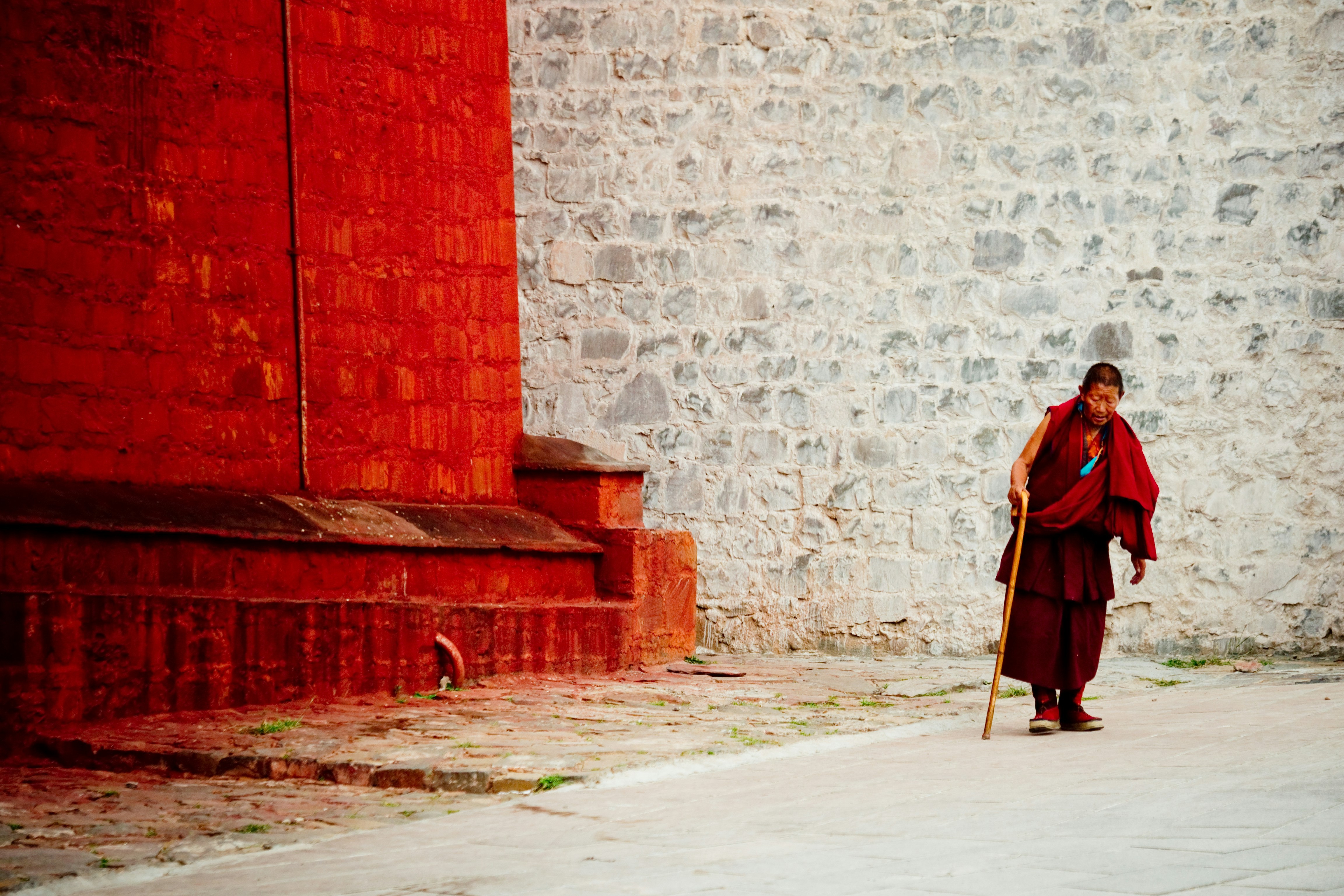
In Buddhism, the color orange, particularly in the form of saffron robes worn by monks, carries deep significance. It symbolizes a state of tranquility and peace that is integral to Buddhist practice and philosophy. This connection between color and peace is not just aesthetic; it reflects a profound understanding of how visual stimuli can influence our mental states.
The Connection Between Color and Peace
The calming nature of orange resonates with the Buddhist pursuit of inner peace and enlightenment. When we ponder why do Buddhist monks wear orange, it becomes clear that this vibrant hue serves as a reminder of their commitment to serenity amidst life’s chaos. The color acts as an anchor for mindfulness, inviting practitioners to cultivate calmness within themselves.
Moreover, orange is often associated with warmth and positivity, qualities that are essential for fostering compassion—a core tenet in Buddhism. By wearing this color, monks embody these values daily, reinforcing their dedication to living harmoniously with others. In essence, the connection between color and peace in Buddhism goes beyond mere aesthetics; it embodies a spiritual philosophy.
Symbolism of Orange in Buddhist Teachings
In Buddhist teachings, orange symbolizes renunciation and the quest for enlightenment—key themes that are echoed throughout various texts and practices. When we ask ourselves what do oranges mean in Buddhism? we discover that they represent a departure from worldly attachments toward spiritual liberation. This symbolism extends beyond just clothing; it permeates many aspects of monastic life.
Orange also signifies joy and vitality within the context of spiritual growth. For instance, when monks don saffron robes—why do Buddhist monks wear saffron?—they are visually affirming their journey towards wisdom while embracing simplicity over materialism. Thus, the symbolism of orange serves as an ever-present reminder for practitioners to stay focused on their spiritual path.
The Impact of Color on Meditation Practices
Color plays a crucial role in meditation practices among Buddhists, influencing both mood and mindset during sessions aimed at achieving clarity or insight. Why do monks wear orange? This choice impacts their meditative experience by creating an environment conducive to reflection and tranquility. The vibrancy of orange can invigorate practitioners while simultaneously calming restless thoughts.
Furthermore, incorporating specific colors into meditation spaces can enhance one’s practice by invoking certain feelings or intentions—whether it’s peace from soft hues or energy from bright tones like orange. As such, understanding why do Buddhist monks wear different colored robes reveals how each shade contributes uniquely to their spiritual journey through meditation practices tailored to enhance focus.
Why Do Buddhist Monks Wear Different Coloured Robes?
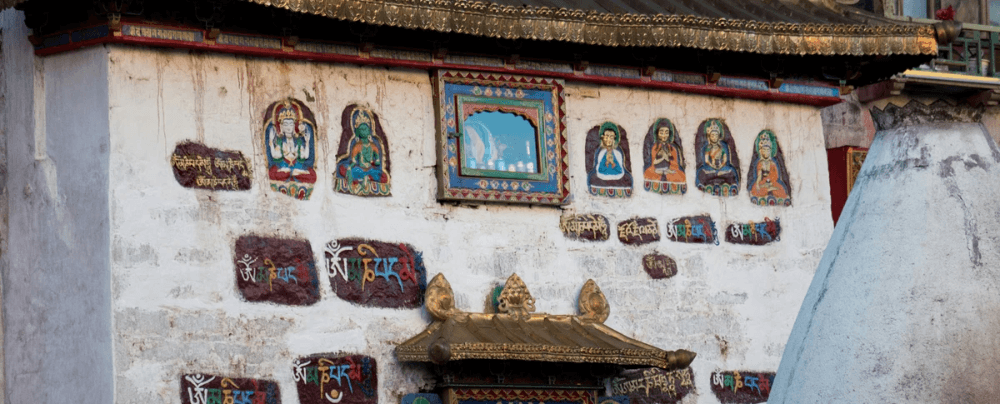
Buddhist monastic robes come in a variety of colors, each symbolizing different aspects of the monk’s spiritual journey and cultural background. The question of why do Buddhist monks wear orange? is just one part of a larger tapestry that includes various hues and their meanings across traditions. From saffron to maroon, the colors worn by monks reflect their lineage, teachings, and even geographical influences.
The Variations Among Different Traditions
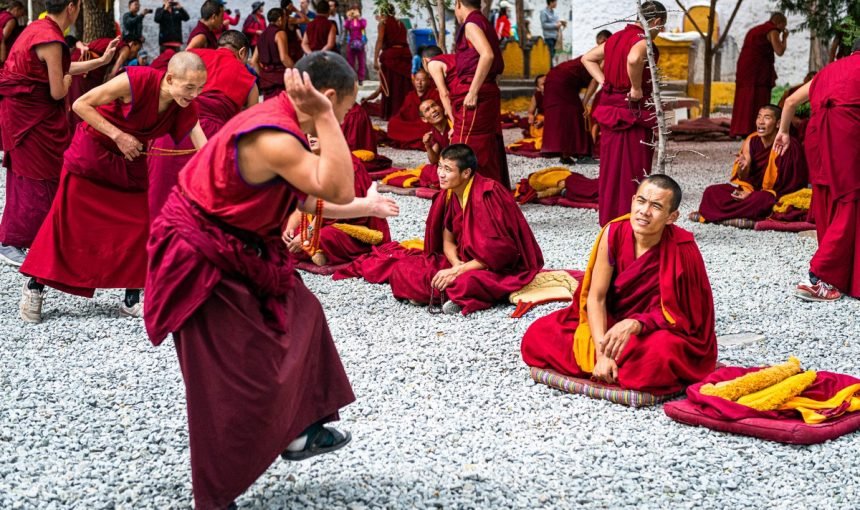
In Theravada Buddhism, for instance, monks typically wear saffron or ochre robes, which are deeply rooted in the tradition’s historical context. In contrast, Tibetan monks may opt for maroon or crimson robes adorned with yellow accents. These variations raise the question: why do Buddhist monks wear different coloured robes? Each color serves as a visual representation of the monk’s sect and its unique interpretations of Buddhist teachings.
The Influence of Cultural Context
Cultural context plays a significant role in determining why Buddhist monks wear orange or other shades. For example, in Southeast Asia, orange symbolizes purity and renunciation; thus, it has become a standard color for many Theravada monks. Conversely, in regions like Tibet or Mongolia, local customs influence robe colors—highlighting how culture intertwines with spirituality to create distinct practices around monastic attire.
Color as a Reflection of Spiritual Status
The choice of robe color can also indicate a monk’s spiritual status within their community or tradition. Novice monks might wear simpler shades while fully ordained monks don more vibrant hues like saffron or deep maroon to signify their advanced training and commitment to the path. This leads us back to questions like why do Buddhist monks wear saffron?—the answer lies not only in its aesthetic appeal but also in what it represents within the hierarchy of monastic life.
The Role of GuideTibet in Understanding Monastic Life

GuideTibet plays a crucial role in bridging the gap between curious travelers and the intricate world of monastic life in Tibet. By providing insightful tours, they help visitors explore not just the stunning landscapes but also the spiritual essence that permeates this region. Understanding why Buddhist monks wear orange and how this color reflects their commitment to simplicity and renunciation becomes an enriching part of the journey.
Exploring the Spiritual Landscape of Tibet
When you venture into Tibet, you’re stepping into a spiritual landscape where every mountain, monastery, and saffron robe tells a story. The vibrant orange worn by Buddhist monks is more than just a fashion statement; it symbolizes their dedication to mindfulness and peace. Discovering why do Buddhist monks wear orange becomes an enlightening experience as you witness firsthand how these colors influence their daily practices.
Authentic Experiences with Local Monks
GuideTibet offers unique opportunities to interact with local monks who embody the teachings of Buddhism through their lifestyle choices, including their distinctive robes. Engaging with these spiritual guides allows travelers to deeply understand what do oranges mean in Buddhism and how such symbolism is woven into everyday life. You’ll find that learning why do Buddhist monks wear different coloured robes can lead to fascinating discussions about tradition, culture, and individual paths within Buddhism.
Immersing in Tibetan Culture Through Travel
Traveling with GuideTibet isn’t just about sightseeing; it’s about immersing yourself in Tibetan culture through authentic experiences that resonate on a spiritual level. From participating in meditation sessions to exploring monasteries adorned with saffron-hued decor, every moment is infused with meaning—revealing why does Swami wear orange too! As you navigate this rich cultural tapestry, you’ll gain insights into why Buddhist monks wear saffron and how color serves as both a reflection of spiritual status and an expression of inner peace.
Conclusion
In the vibrant tapestry of Buddhist monastic life, color plays a pivotal role in shaping spiritual journeys. The question of why do Buddhist monks wear orange is not merely about aesthetics; it encapsulates deeper meanings tied to mindfulness, simplicity, and renunciation. Embracing these colors can guide practitioners on their path to enlightenment, reinforcing the idea that every hue carries its own significance.
Embracing the Spiritual Journey through Color
The choice of saffron robes is steeped in tradition and symbolism, prompting many to ponder why do Buddhist monks wear saffron? This distinctive orange hue signifies purity and detachment from worldly desires, inviting followers to embrace a life focused on spiritual growth rather than material possessions. When monks don these robes, they are not just dressing; they are making a statement about their commitment to a peaceful existence and inner tranquility.
Colors like orange also evoke feelings of warmth and compassion—qualities essential in Buddhist teachings. As practitioners meditate or engage with their communities, the vibrant shades serve as constant reminders of their purpose: to cultivate love and understanding among all beings. Thus, what do oranges mean in Buddhism? They represent this very harmony between self-discipline and compassion.
The Lasting Impact of Monastic Attire
The impact of monastic attire goes beyond visual appeal; it serves as a powerful tool for identity within various traditions. Why do Buddhist monks wear different coloured robes? The answer lies in cultural diversity—each color reflects unique teachings, regional customs, or levels of spiritual attainment among monks around the world. For instance, while saffron is prevalent in Theravada Buddhism, other traditions may adopt different shades that symbolize distinct philosophical beliefs.
Moreover, these garments foster a sense of unity among practitioners while allowing individual expression within established frameworks. From novice monks dressed in lighter hues to senior figures adorned in deeper tones, each robe tells a story about one’s spiritual journey—a narrative woven through time and tradition. This interplay between color and spirituality invites us all to reflect on our personal paths.
Insights into the Life of a Buddhist Monk
Understanding why does Swami wear orange offers additional insights into monastic life beyond mere clothing choices. Just like other Buddhist monks who wear saffron robes as symbols of renunciation and service to others, Swamis embody similar values while often embracing broader philosophies that include elements from Hinduism as well. Their attire signifies an unwavering commitment to spiritual practice and community service—a visual cue for all who encounter them.
Furthermore, exploring why do Buddhist monks wear orange reveals layers upon layers of meaning embedded within their daily lives—these choices echo centuries-old traditions aimed at fostering peace within oneself before extending it outwardly towards others. By immersing ourselves in these practices or even visiting places like Tibet with organizations such as GuideTibet we can gain firsthand experience into this rich culture steeped in spirituality.
In conclusion, whether through vibrant colors or meticulously chosen attire reflecting diverse traditions around the world—Buddhist monastic clothing serves as both an external expression and internal compass guiding individuals toward greater understanding along their spiritual journeys.