
Introduction

Tibetan Tara Buddha holds a special place in the hearts and minds of practitioners, embodying the essence of compassion and wisdom. As a significant figure in Tibetan Buddhism, Tara represents not only spiritual guidance but also the transformative power of feminine energy. With her various forms, such as White Tara and Green Tara, she serves as a beacon for those seeking solace and strength on their spiritual journey.
Understanding the Significance of Tibetan Tara Buddha
Why is Tara important in Buddhism? This question resonates deeply within the community as she symbolizes liberation from suffering and fear. The name Tara itself means star in Sanskrit, signifying guidance and enlightenment; thus, her presence is both grounding and uplifting for practitioners. In essence, Tibetan Tara Buddha embodies qualities that inspire countless devotees to embrace compassion while navigating life’s challenges.
The Artistic Appeal of Tara Buddha Statues
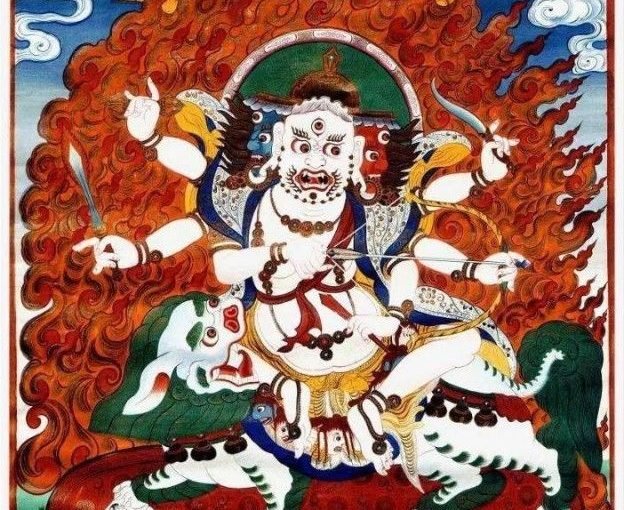
The artistic appeal of Tara Buddha statues is undeniable; each piece tells a unique story through intricate craftsmanship and vibrant symbolism. Artists often depict her in various forms—like White Tara representing purity or Green Tara symbolizing action—capturing her multifaceted nature through art. These statues not only beautify spaces but also serve as focal points for meditation, allowing individuals to connect with the divine energy that she represents.
Tara Buddha in Spiritual Practices
Incorporating the image of Tara Buddha into spiritual practices can elevate one’s experience significantly. Many practitioners engage with her through mantra recitation or visualization techniques during meditation sessions, enhancing their connection to her compassionate energy. Ultimately, whether one seeks healing or empowerment, invoking the presence of this powerful goddess can lead to profound insights and transformations on their spiritual path.
The Essence of Tibetan Buddhism
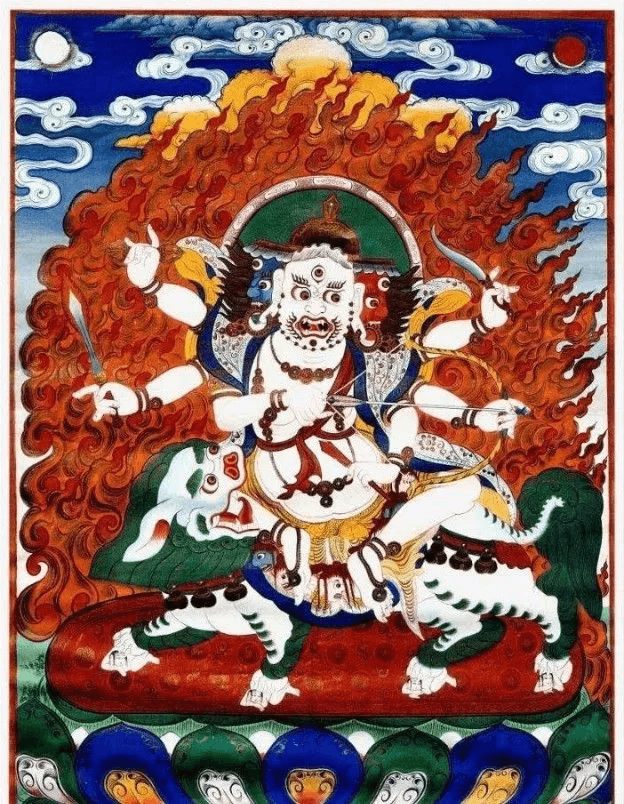
Tibetan Buddhism is a rich tapestry woven from ancient traditions and profound spiritual insights. At its core, it emphasizes the pursuit of enlightenment through compassion, wisdom, and the transformative power of meditation. Central to this practice is Tara Buddha, a revered figure embodying these ideals and serving as a guiding light on the path to spiritual awakening.
Core Beliefs and Practices
Tibetan Buddhism is deeply rooted in the belief that all beings possess the potential for enlightenment, which can be realized through dedicated practice. Meditation, rituals, and mindfulness are essential components that help practitioners cultivate compassion and insight. The teachings often highlight figures like Tara Buddha to inspire followers in their quest for spiritual growth and understanding.
Why is Tara important in Buddhism? She represents not only compassion but also active engagement in alleviating suffering. Practicing with Tara encourages devotees to embrace her qualities—wisdom, protection, and nurturing—thus reinforcing core beliefs within Tibetan Buddhist philosophy.
Role of Tara Buddha in the Pantheon
In the vast pantheon of Tibetan deities, Tara Buddha holds a unique position as a manifestation of feminine energy and divine wisdom. Often depicted in two primary forms—White Tara and Green Tara—each embodies different aspects of her essence; White Tara symbolizes purity and longevity while Green Tara represents action and protection against obstacles. This duality illustrates why she is celebrated across various practices within Tibetan Buddhism.
Who is the female Tara in Buddhism? She transcends gender boundaries by embodying both nurturing qualities as well as fierce protectiveness when needed. Thus, her role extends beyond mere representation; she serves as an essential guide for practitioners navigating their spiritual journeys.
The Blessings of Compassion and Wisdom
The blessings associated with Tara Buddha are profound; they encompass both compassion for oneself and others alongside deep wisdom that guides decision-making. Practitioners often invoke her name during meditation or rituals to receive her guidance on overcoming challenges while fostering loving-kindness towards all beings. In essence, what does the Goddess Tara represent? She personifies an ideal balance between strength and gentleness—a reminder that true power lies in compassionate action.
Through connecting with White Tara or Green Tara during meditation practices or daily rituals, individuals can cultivate these blessings within their lives. By embracing these teachings from the heart of Tibetan Buddhism, one can journey toward greater awareness while weaving compassion into every aspect of existence.
Tara Buddha and Feminine Energy
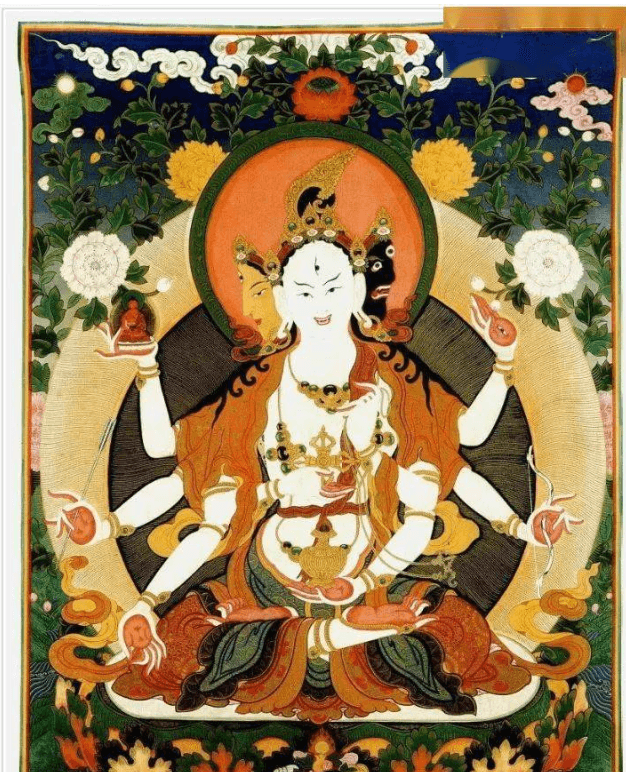
Tara Buddha embodies a profound connection to feminine energy within Tibetan Buddhism, representing compassion, wisdom, and protection. As a revered figure, Tara is not just a deity but also symbolizes the nurturing aspects of spirituality. Her significance transcends mere worship; she invites practitioners to embrace qualities traditionally associated with femininity, which are vital in achieving balance on the spiritual path.
Significance of the Goddess Tara
Why is Tara important in Buddhism? This question resonates deeply within the hearts of practitioners who seek her blessings. The goddess Tara represents both active compassion and serene wisdom, acting as a guiding light for those navigating life’s challenges. She is often called upon for protection and assistance in overcoming fears and obstacles, embodying the nurturing spirit that many seek in their spiritual journey.
In Tibetan culture, Tara’s presence signifies empowerment through feminine energy. The name Tara itself means star, illuminating the path toward enlightenment while reminding us of our inherent potential. This duality—being both a source of strength and comfort—makes her an essential figure for both men and women alike.
The Various Forms of Tara
The goddess Tara manifests in several forms, each representing different aspects of her divine nature. White Tara symbolizes purity and longevity, often depicted with seven eyes to represent her all-seeing wisdom; she offers healing and tranquility to those who call upon her. On the other hand, Green Tara embodies action and protection; she is swift in granting help to those in need and is particularly revered for dispelling fear.
These forms highlight what does Tara goddess represent: an array of qualities that cater to various human experiences. Practitioners may choose to connect with either White or Green Tara depending on their personal needs at any given moment—be it healing or courage—that makes engaging with these deities particularly enriching.
Embracing Feminine Spirituality
Embracing feminine spirituality through figures like the tara buddha allows individuals to explore deeper layers of their own existence. By recognizing the importance of traits such as compassion, intuition, and collaboration—often associated with femininity—spiritual seekers can cultivate a more balanced approach to their practice. It encourages breaking down traditional gender roles within spirituality while empowering everyone to tap into these qualities.
Moreover, connecting with White Tara or Green Tara can inspire individuals not only spiritually but also emotionally; they serve as reminders that vulnerability can coexist with strength in one’s journey towards enlightenment. Thus, exploring these aspects enriches one’s understanding of what it means to be truly whole within oneself—a goal that resonates deeply across cultures.
Craftsmanship Behind Tara Statues

Creating Tara Buddha statues is a meticulous process steeped in tradition and reverence. The craftsmanship reflects not just artistic skill but also the spiritual significance of the figure being represented. Each statue serves as a conduit for the blessings of Tara, embodying her compassion and wisdom.
Traditional Materials Used
Tara Buddha statues are typically crafted from various materials, each chosen for its unique properties and symbolic meanings. Common materials include bronze, clay, and precious metals like gold and silver, which enhance the statue’s spiritual energy. Additionally, artisans may use colorful paints to depict different aspects of Tara, such as White Tara representing purity or Green Tara symbolizing action and protection.
The choice of material often reflects local traditions; for instance, Tibetan artisans may prefer specific types of clay found in their region to create durable yet beautiful statues. This connection to the earth not only grounds the artwork but also honors the natural world that is integral to Buddhist beliefs. In this way, each piece becomes a blend of artistry and spirituality.
Artistic Techniques in Statue Making
The artistic techniques employed in crafting Tara Buddha statues are as diverse as they are intricate. Traditional methods involve hand-sculpting with tools passed down through generations, ensuring that every detail resonates with authenticity and devotion. Artists often begin by creating a clay model before casting it in metal or refining it further with fine detailing.
In addition to sculpting, gilding plays a significant role in enhancing the visual appeal of these statues; gold leaf adds a layer of sacredness while reflecting light beautifully during rituals or meditation practices. The colors used can signify various aspects of Tara’s nature—such as White Tara’s serene presence or Green Tara’s dynamic energy—making each statue unique both visually and spiritually.
Importance of Authenticity in Tara Buddha Statues
Authenticity is paramount when it comes to Tibetan art; genuine Tara Buddha statues carry an essence that mass-produced replicas simply cannot replicate. An authentic statue not only represents the goddess herself but also embodies the intentions and prayers infused into its creation by skilled artisans who understand why Tara is important in Buddhism.
Collectors and practitioners alike seek out authentic pieces because they resonate more deeply within their spiritual practices, whether that be meditation or creating sacred spaces at home adorned with representations like White Tara or Green Tara. In this respect, authenticity transcends mere aesthetics—it becomes a vital link connecting individuals to centuries-old traditions that celebrate feminine energy through figures like the goddess Tara.
Incorporating Tara Buddha in Daily Life
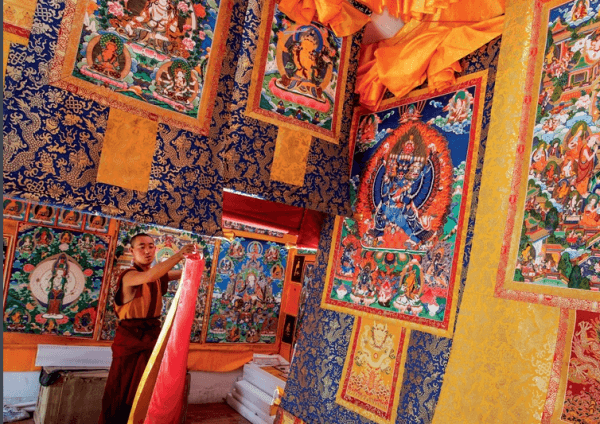
Incorporating the essence of Tara Buddha into daily life can enrich your spiritual journey, deepen your meditation practices, and create a harmonious living environment. By understanding the significance of Tara in Buddhism and embracing her qualities, you can cultivate a sense of peace and connection to the divine feminine. Whether through meditation, creating sacred spaces at home, or engaging in rituals, the presence of Tara Buddha can transform everyday experiences into profound moments of reflection.
Meditation Practices with Tara Buddha
Meditation practices centered around Tara Buddha offer a pathway to inner peace and clarity. Why is Tara important in Buddhism? She embodies compassion and wisdom, serving as a guiding light for practitioners seeking solace from life’s challenges. Engaging with White Tara or Green Tara during meditation allows individuals to tap into specific energies; White Tara represents healing and longevity while Green Tara symbolizes protection and swift action.
To practice effectively, find a quiet space where you can sit comfortably. Visualize the form of the goddess as you breathe deeply, inviting her qualities into your mind and heart. As thoughts arise during meditation, gently return your focus to the image of Tara Buddha—this practice fosters an atmosphere conducive to mindfulness and spiritual growth.
Creating Sacred Spaces at Home
Creating sacred spaces at home is an excellent way to incorporate the energy of Tara Buddha into your daily life. Begin by designating an area that feels peaceful—a corner adorned with soft lighting or natural elements like plants or crystals works wonders. In this space, place a statue or image of the goddess; this serves as a focal point for your spiritual practice.
Why is it essential to have such spaces? They provide an environment where one can connect with their inner self while reflecting on what does the Tara goddess represent—compassion, wisdom, and protection among others. Enhance this sacred area by including items that resonate with you personally: incense for purification or candles representing enlightenment; these elements will strengthen your connection to both Tibetan spirituality and personal intention.
The Role of Tara Buddha in Rituals
The role of Tara Buddha in rituals cannot be overstated; she serves as both protector and guide during various ceremonies within Tibetan Buddhism. Engaging with her through ritual can invoke blessings that enhance compassion while dispelling negativity—qualities central to who is the female Tara in Buddhism? Rituals may involve chanting mantras associated with White or Green Tara, allowing practitioners to align themselves more closely with her energies.
Participating in group rituals amplifies these effects as collective intentions merge towards a common goal—a beautiful demonstration of community spirit rooted in shared beliefs about what is the meaning of the name Tara. Additionally, incorporating offerings such as flowers or fruits dedicated to her further enriches these experiences; it symbolizes gratitude for her guidance along our paths.
Exploring Tibetan Culture and Spirituality

Tibetan culture is a vibrant tapestry woven with threads of spirituality, art, and tradition. At the heart of this rich heritage lies the figure of Tara Buddha, an embodiment of compassion and wisdom that resonates deeply within Tibetan Buddhism. To truly appreciate the significance of Tara, one must delve into the unique lifestyle and artistic expressions that define this captivating region.
GuideTibet: Your Gateway to Tibet
For those eager to explore the wonders of Tibet, GuideTibet serves as an invaluable resource. This platform offers insights into not only the breathtaking landscapes but also the spiritual significance of figures like Tara Buddha. By understanding why Tara is important in Buddhism, travelers can connect more profoundly with local customs and practices while experiencing authentic Tibetan hospitality.
The name Tara itself means star, symbolizing guidance and illumination on one’s spiritual path. With various forms such as Green Tara and White Tara, each aspect represents different qualities—Green Tara embodies swift action while White Tara signifies purity and healing. Engaging with these narratives enriches one’s journey through Tibet’s majestic mountains and serene monasteries.
Experiencing the High Plateau Lifestyle
Living on the high plateau provides a unique glimpse into a way of life steeped in spirituality and tradition. The people here often engage in practices that honor deities like the goddess Tara, reflecting their deep-rooted beliefs in compassion and benevolence. Observing daily rituals centered around Tara Buddha offers visitors an opportunity to witness how these values manifest in everyday life.
In rural villages or bustling towns alike, you’ll find altars adorned with images of White Tara or Green Tara, serving as focal points for prayer and meditation. These sacred spaces are not just decorative; they are essential for fostering a sense of community and shared faith among locals. As you immerse yourself in this lifestyle, you’ll discover firsthand what it means to embrace feminine spirituality through figures like Tara.
Engaging with Tibetan Art and Traditions
Art plays a pivotal role in expressing Tibetan spirituality, particularly through intricate depictions of deities such as the tara buddha. From thangka paintings to meticulously crafted statues, each piece tells a story that resonates with both cultural heritage and spiritual significance. Understanding what does the goddess Tara represent allows art enthusiasts to appreciate these works on multiple levels—historical context combined with profound meaning.
Visitors can participate in workshops where artisans share their techniques for creating representations of Green Tara or White Tara using traditional materials such as clay or metal alloys. Engaging directly with these artists not only fosters appreciation but also highlights the importance of authenticity when it comes to tara buddha statues—a true testament to their craftsmanship skills passed down through generations.
By connecting deeply with Tibetan culture through its art forms, rituals surrounding tara buddha become even more meaningful—transforming mere observation into genuine engagement with a living tradition that continues to inspire countless souls worldwide.
Conclusion

In wrapping up our exploration of the Tibetan Tara Buddha, it’s clear that her significance permeates various aspects of Tibetan Buddhism and culture. From her embodiment of compassion and wisdom to her artistic representations, Tara Buddha offers a profound connection to spirituality for practitioners and admirers alike. The lasting impact of Tara is evident in how she inspires individuals to cultivate inner peace and embrace the feminine divine.
The Lasting Impact of Tara Buddha
Why is Tara important in Buddhism? Simply put, she represents a bridge between the human experience and spiritual enlightenment. Her various forms, including White Tara and Green Tara, symbolize different aspects of life—compassion, healing, and protection—making her accessible to all who seek guidance. As practitioners chant her mantras or meditate on her image, they invite the blessings of compassion into their lives, fostering a deep sense of connection with both themselves and the universe.
Embracing Spirituality Through Art
The artistic appeal of Tara Buddha statues invites us to reflect on what does the Tara goddess represent? Beyond mere aesthetics, these sculptures embody spiritual principles that resonate deeply within us. Each intricate detail tells a story; from the serene expression on her face to the vibrant colors that adorn her form—these elements work together to create not just art but a spiritual experience that encourages contemplation and connection with the divine feminine energy.
Journeying into Tibetan Heritage with GuideTibet
Engaging with Tibetan culture through platforms like GuideTibet allows for an immersive journey into understanding who is the female Tara in Buddhism. By exploring traditional practices surrounding Tara Buddha, one can appreciate how she has been revered over centuries as a source of strength and inspiration for many devotees. The meaning of the name Tara itself translates to star, symbolizing guidance—a fitting metaphor for those seeking illumination along their spiritual paths.

