

Introduction
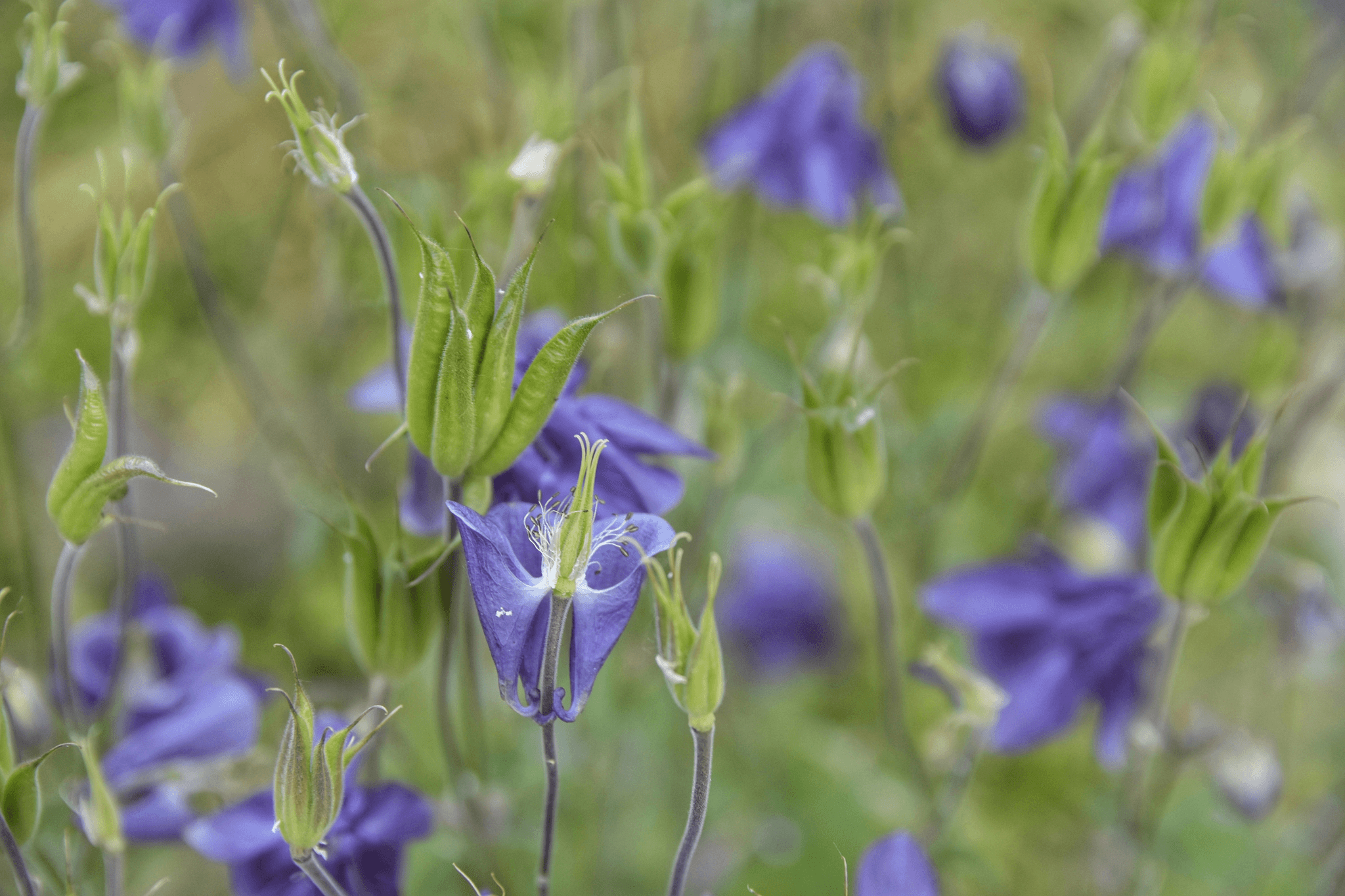
The Tibetan Plateau is a haven for nature enthusiasts, boasting an array of breathtaking wild flowers that are native to this majestic region. From the enchanting Tibetan bell flowers to the vibrant Himalayan Edelweiss, exploring the floral wonders of Tibet is a truly magical experience. Embracing the diversity of wild flowers on the Roof of the World allows visitors to immerse themselves in the natural splendor and rich biodiversity that this unique landscape has to offer.
Discovering the Beauty of Tibetan Plateau Wild Flowers
Tibetan bell flowers, also known as Meconopsis horridula, are one of the most iconic and beautiful wild flowers found in Tibet. These delicate blooms can be found in various shades of blue and purple, adding a touch of ethereal beauty to the rugged terrain.
Exploring the Native Floral Wonders of Tibet
Tibet is home to an impressive variety of native wild flowers, each with its own unique charm and significance. From the majestic Tibetan blue poppy to the graceful Saussurea involucrata, exploring these floral wonders offers a glimpse into the rich botanical heritage of this ancient land.
Embracing the Diversity of Wild Flowers on the Roof of the World
As you wander through Tibet’s high-altitude meadows and alpine slopes, you’ll encounter an array of common wild flowers that add vibrant splashes of color to this awe-inspiring landscape. From cheerful gentiana scabra to resilient Himalayan edelweiss, embracing this diversity is a testament to nature’s creativity and resilience.
The Enchanting Tibetan Bell Flowers
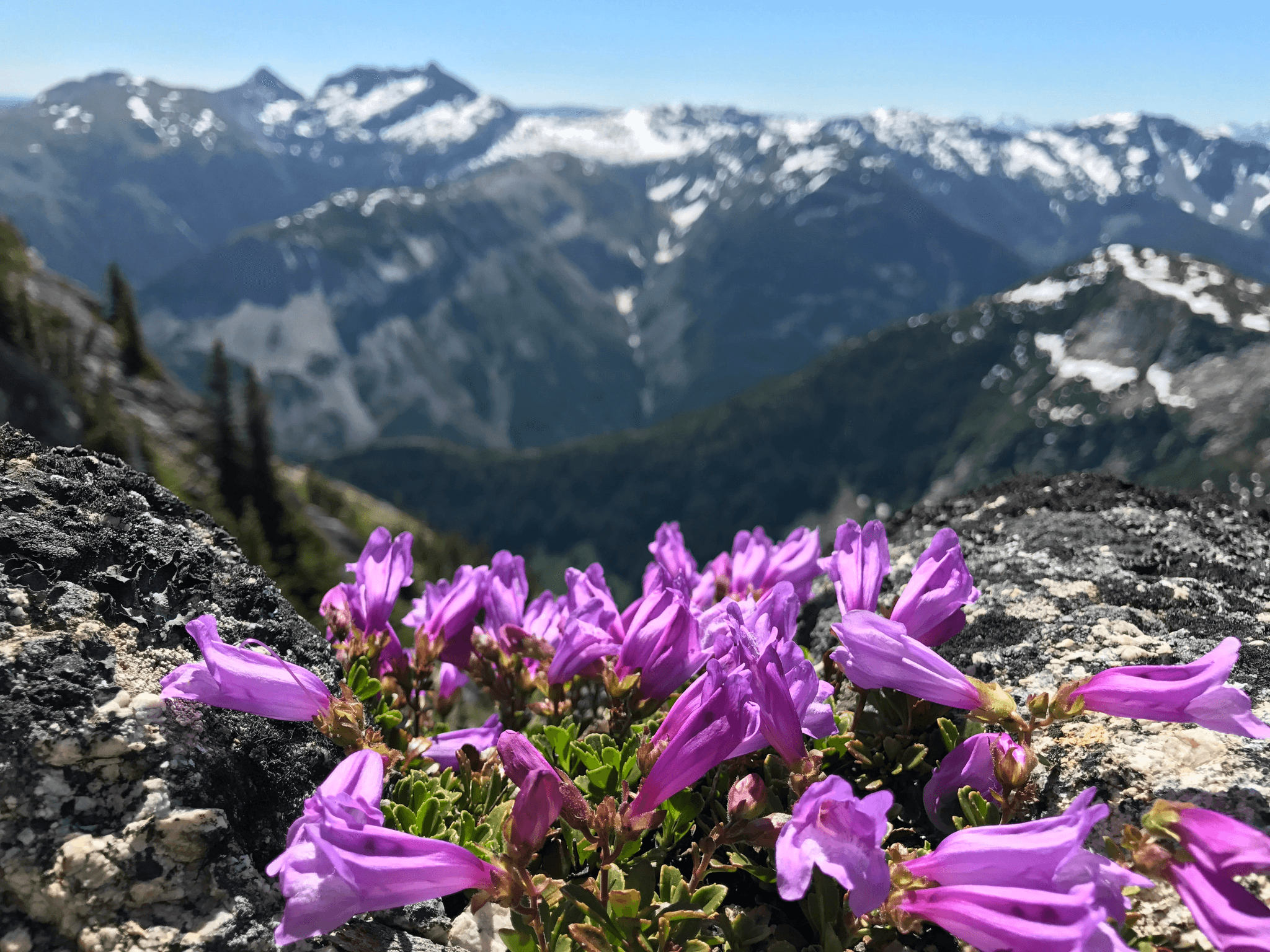
Tibetan bell flowers, also known as Meconopsis horridula, are a sight to behold with their striking blue-purple hues and delicate bell-like shape. These exquisite flowers are native to Tibet, thriving in the high altitudes and cool climate of the region. Their ethereal beauty has captured the hearts of many nature enthusiasts and horticulturists around the world.
An Overview of the Exquisite Tibetan Bell Flowers
The Tibetan bell flowers are renowned for their enchanting appearance, boasting large, papery petals that resemble delicate bells swaying in the mountain breeze. These stunning blooms can reach heights of up to 3 feet, adding a touch of elegance to the rugged terrain of Tibet. Their unique coloration and form make them a coveted addition to alpine gardens and floral arrangements.
The Tibetan bell flowers are not only visually stunning but also hold cultural significance in Tibetan folklore. These blooms are often used in traditional ceremonies and rituals, symbolizing purity, beauty, and spirituality. The delicate bells of the flowers are believed to bring good luck and ward off negative energy, making them a cherished part of Tibetan culture. Their presence in gardens and floral arrangements serves as a reminder of the deep-rooted traditions and beliefs of the Tibetan people.
Understanding the Significance of Tibetan Bell Flowers
In Tibetan culture, these bell-shaped blossoms hold special significance as symbols of purity and spirituality. They are often associated with peace and tranquility, embodying the serene essence of the Himalayan landscape. The national flower of Tibet, these iconic blooms are deeply cherished for their ethereal beauty and cultural importance.
Tibetan bell flowers can be found in various regions of Tibet, including the foothills of the Himalayas and the valleys of the Tibetan Plateau. Their delicate petals and soothing fragrance make them a popular choice for gardens and landscapes in these areas. Whether growing wild or cultivated in gardens, these blossoms are a delightful sight to behold, adding a touch of elegance to their surroundings.
Where to Find the Delicate Tibetan Bell Flowers
To witness these delicate wonders in all their glory, one must venture into the remote alpine meadows and rocky slopes that dot the Tibetan Plateau. The best time to catch a glimpse of these elusive blooms is during late spring and early summer when they blanket the high-altitude landscapes with their vibrant colors.
Venturing into the remote alpine meadows and rocky slopes of the Tibetan Plateau is not only a treat for the eyes but also a chance to experience the unique ecosystem that supports these delicate bell flowers. The rugged terrain and high altitude create the perfect conditions for these elusive blooms to thrive, making it a truly special sight for those who make the journey. Late spring and early summer offer the best opportunity to witness these vibrant flowers in full bloom, adding an extra layer of magic to an already enchanting landscape.
The Majestic Tibetan Blue Poppy
Uncovering the Allure of the Indigenous Tibetan Blue Poppy
The Tibetan Blue Poppy, also known as Meconopsis, is a rare and breathtaking flower native to Tibet. Its vibrant blue petals and delicate appearance make it a sought-after sight for nature enthusiasts. These stunning flowers can be found in alpine meadows and rocky slopes, adding a touch of magic to the already enchanting Tibetan landscape.
The Myth and Legend Surrounding the Tibetan Blue Poppy
According to local folklore, the Tibetan Blue Poppy is believed to bring good luck and prosperity to those who encounter it. It is also said to symbolize purity and strength, making it an important cultural emblem in Tibetan traditions. The mystique surrounding this flower adds an extra layer of wonder to its already captivating presence.
Tips for Observing the Rare Tibetan Blue Poppy in its Natural Habitat
To catch a glimpse of the elusive Tibetan Blue Poppy in its natural habitat, head to higher elevations in Tibet such as the Yarlung Zangbo Grand Canyon or Namtso Lake. These areas provide ideal conditions for these majestic flowers to thrive. Keep your eyes peeled during late spring and early summer when they are in full bloom for your best chance of spotting them.
The Vibrant Himalayan Edelweiss
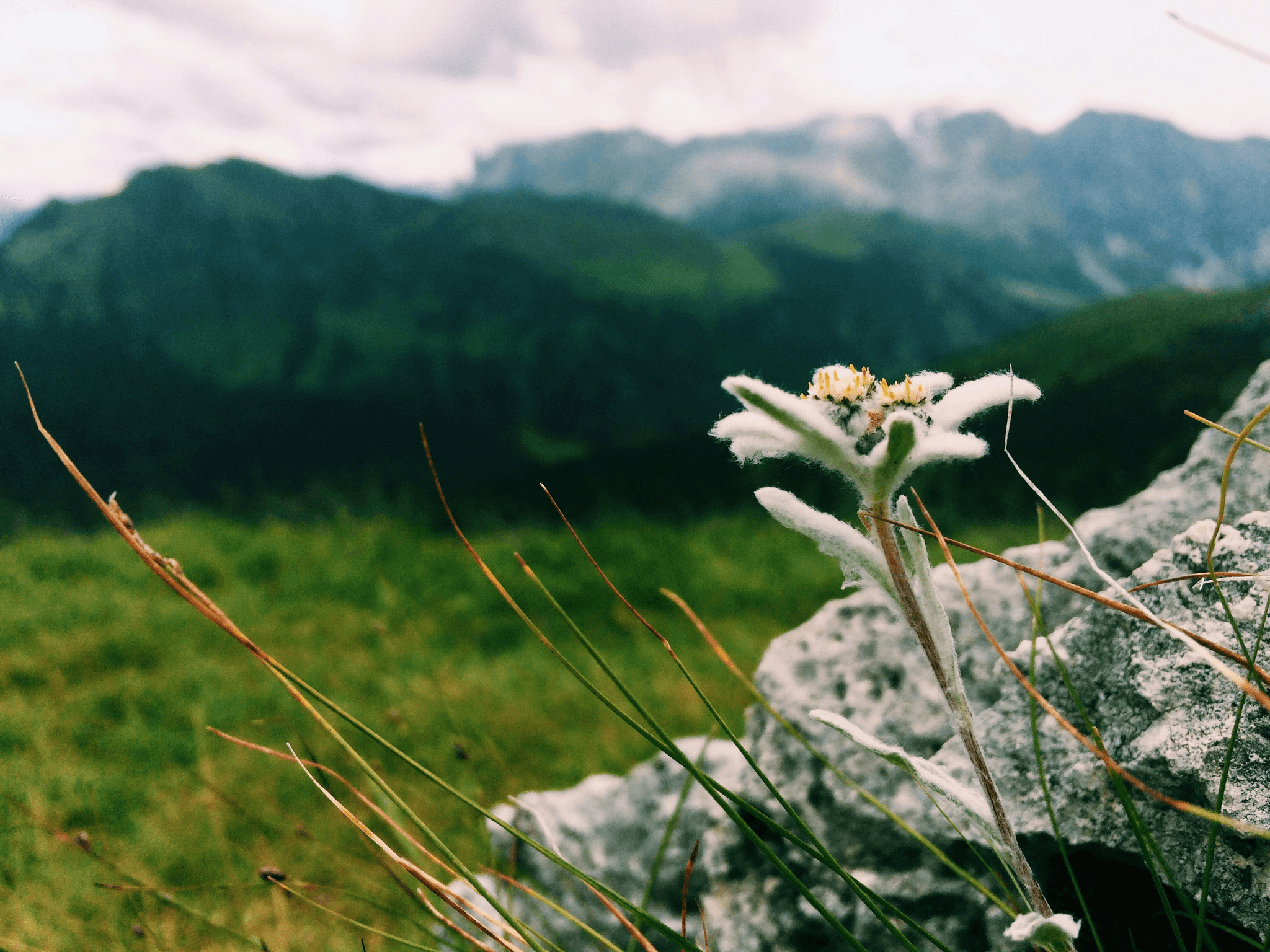
The Himalayan Edelweiss is a stunning and resilient flower that thrives in the harsh conditions of the Tibetan Plateau. Its vibrant white petals and fuzzy appearance make it a standout among the native flora of Tibet. This beautiful flower is known for its ability to withstand extreme weather conditions, symbolizing strength and resilience in Tibetan culture.
Admiring the Beauty and Resilience of the Himalayan Edelweiss
The Himalayan Edelweiss, also known as Leontopodium nivale, is a sight to behold with its velvety white petals and silver-gray foliage. This flower’s ability to bloom in high altitudes and rocky terrain showcases its remarkable resilience, making it a beloved symbol of endurance in Tibetan folklore. Its unique beauty has captured the hearts of nature enthusiasts and botanists alike, drawing admiration from around the world.
The Symbolism and Cultural Importance of the Himalayan Edelweiss
In Tibetan culture, the Himalayan Edelweiss holds great significance as a symbol of purity, perseverance, and protection. It is often associated with love, loyalty, and courage, making it a cherished emblem in traditional Tibetan ceremonies and celebrations. The graceful presence of this flower has inspired poets, artists, and storytellers throughout history, cementing its place as an enduring cultural icon.
Exploring the High Altitude Habitats of the Himalayan Edelweiss
The high altitude habitats of Tibet provide an ideal environment for the Himalayan Edelweiss to thrive. From rocky slopes to alpine meadows, these resilient flowers can be found adorning some of the most breathtaking landscapes on the Roof of the World. Exploring these remote regions offers a rare opportunity to witness firsthand the natural beauty and tenacity of this remarkable floral species.
The Charming Gentiana Scabra
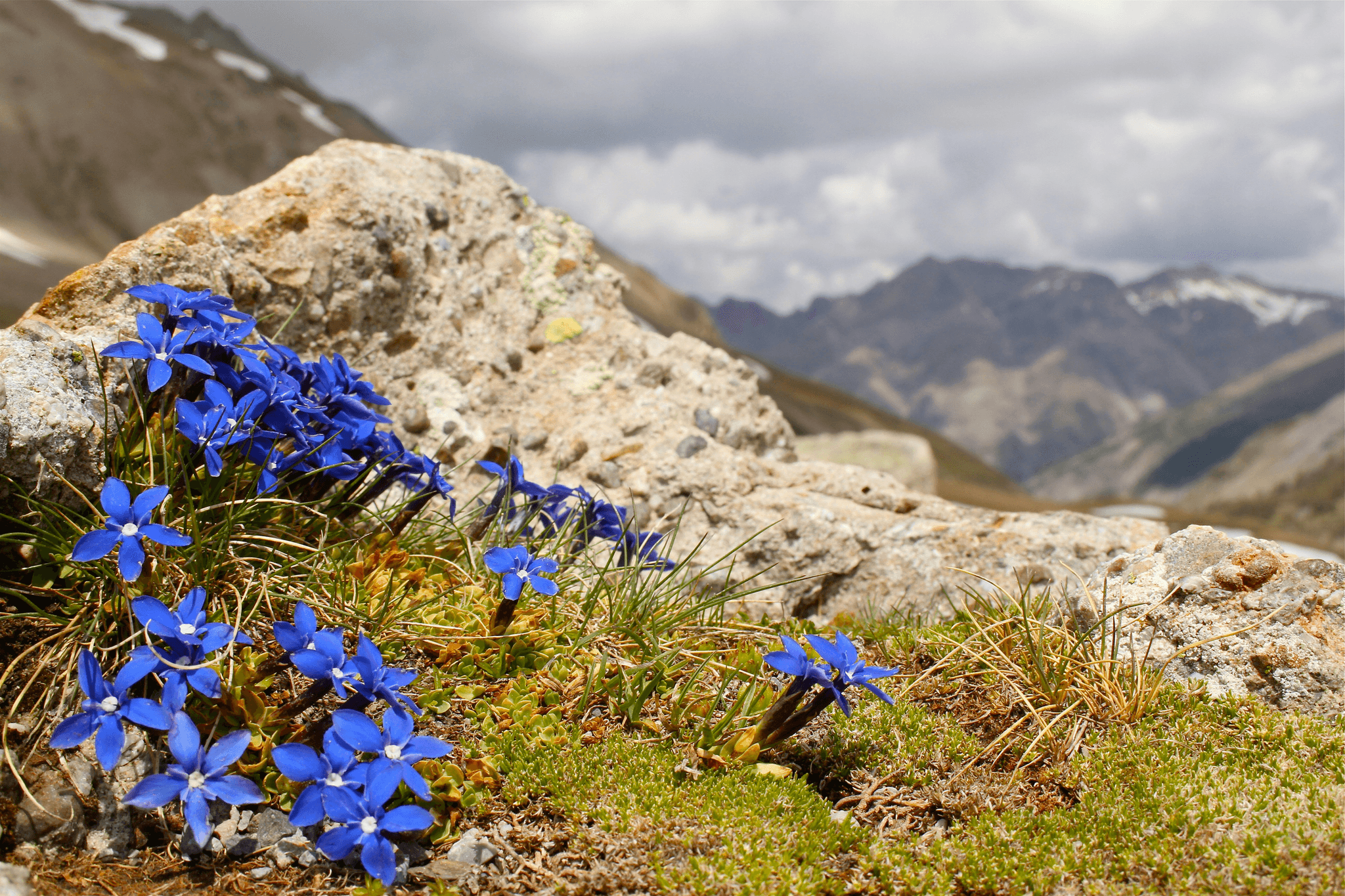
Gentiana Scabra, also known as the Tibetan bell flower, is a stunning native wildflower that graces the meadows and alpine slopes of Tibet with its vibrant blue hues. This enchanting flower is celebrated for its unique trumpet-shaped blooms and its ability to thrive in the harsh high altitude conditions of the Tibetan Plateau.
Appreciating the Unique Traits of the Gentiana Scabra
The Gentiana Scabra is renowned for its striking blue flowers that resemble delicate bells, hence its nickname as the Tibetan bell flower. Its elegant trumpet-shaped blooms can be found in shades ranging from deep cobalt to sky blue, adding a pop of color to the rugged landscapes of Tibet. These resilient flowers are also known for their ability to withstand extreme weather conditions, making them a symbol of strength and endurance.
Where to Spot the Gorgeous Gentiana Scabra in Tibet
To witness the breathtaking beauty of Gentiana Scabra in Tibet, head to high altitude meadows and alpine regions where these striking wildflowers thrive. Some popular spots for spotting these gorgeous blooms include Yarlung Tsangpo Grand Canyon and Namtso Lake, where they carpet the landscape with their vibrant hues during the summer months.
The Medicinal and Spiritual Uses of the Gentiana Scabra
In addition to their aesthetic appeal, Gentiana Scabra holds significant medicinal value in traditional Tibetan medicine. The roots of this exquisite flower are used to create herbal remedies that aid in digestion and promote overall well-being. Furthermore, these bell-shaped blossoms hold spiritual significance in Tibetan culture, often symbolizing purity and enlightenment.
The Graceful Saussurea Involucrata
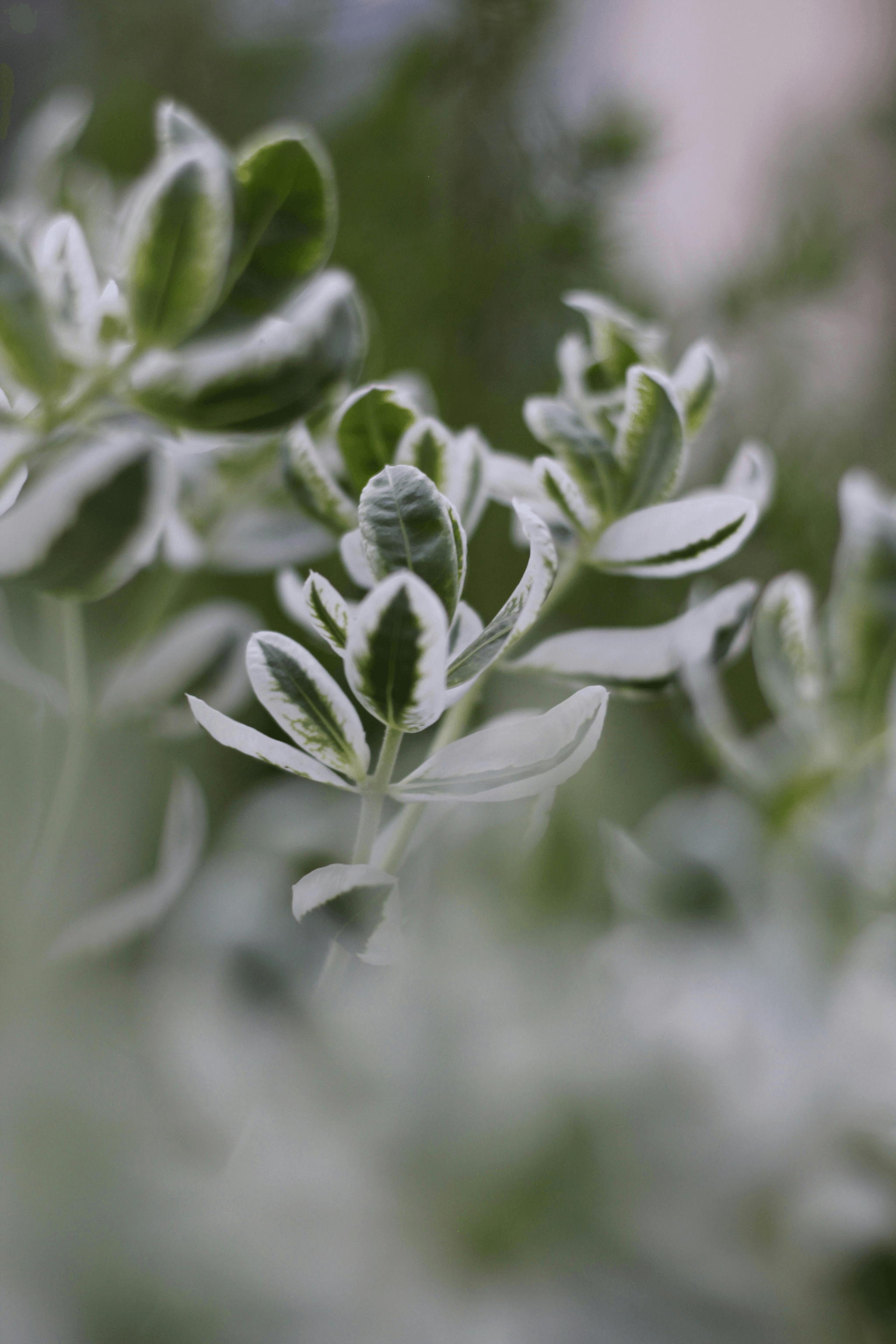
The Saussurea Involucrata, also known as the Snow Lotus, is a stunning native flower of Tibet that thrives in the high altitudes of the Himalayas. Its delicate, white petals and silver-green leaves make it a sight to behold amidst the rugged terrain of the Tibetan Plateau.
An Introduction to the Stunning Saussurea Involucrata
The Saussurea Involucrata is a symbol of purity and resilience in Tibetan culture, often used in traditional medicine for its healing properties. Its name Snow Lotus perfectly captures its ethereal beauty and its ability to bloom even in harsh, snowy conditions at altitudes above 4,000 meters.
The Ecological Importance and Conservation of Saussurea Involucrata
This exquisite flower plays a crucial role in maintaining the fragile ecosystem of Tibet, providing food for wildlife and helping to prevent soil erosion in the mountainous region. Due to over-harvesting for medicinal purposes and climate change threatening its habitat, conservation efforts are essential to protect this precious species.
How to Experience the Beauty of Saussurea Involucrata with GuideTibet
To witness the enchanting beauty of the Snow Lotus firsthand, join GuideTibet on an unforgettable trek through remote valleys and alpine meadows where these rare flowers bloom. Our experienced guides will lead you on an immersive journey into the heart of Tibet’s wilderness, allowing you to marvel at this exquisite floral wonder.
Conclusion
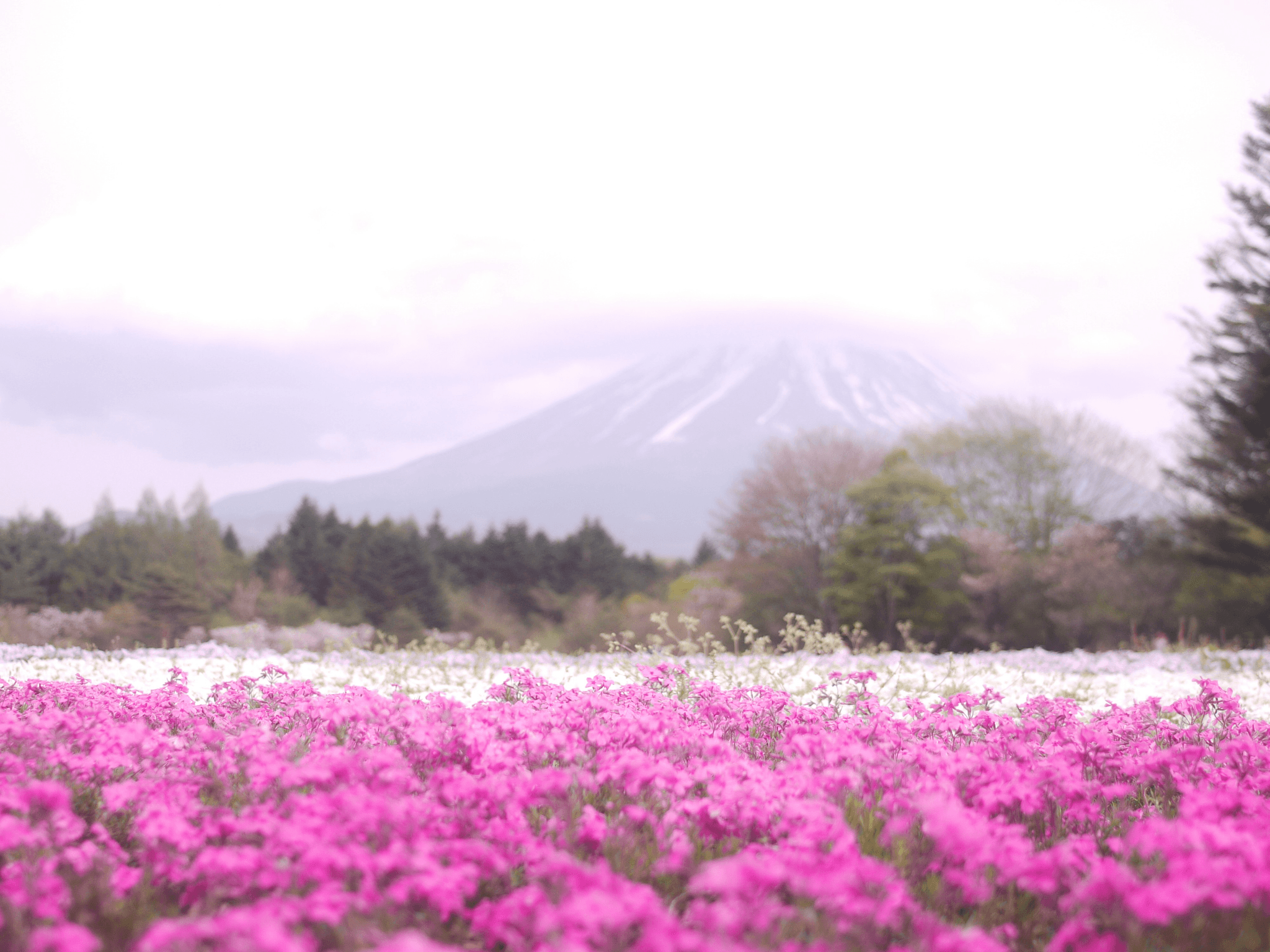
The Tibetan Plateau is home to a stunning array of wild flowers, including the enchanting Tibetan bell flowers. These native floral wonders add to the natural splendor of Tibet, making it a paradise for nature lovers and flower enthusiasts alike. Whether you’re admiring the majestic Tibetan blue poppy or embracing the wilderness with GuideTibet, there’s no shortage of beauty to discover on the roof of the world.
Embracing the Wilderness: Top 5 Common Wild Flowers of Tibet
From the vibrant Himalayan edelweiss to the charming Gentiana scabra, Tibet boasts an abundance of common wild flowers that are sure to captivate your imagination. With their unique traits and cultural significance, these flowers add a touch of magic to the high-altitude landscapes of Tibet, making them a must-see for any visitor.
Preserving the Floral Treasures of the Tibetan Plateau
As we celebrate the beauty of Tibetan bell flowers and other native flora, it’s important to remember the need for conservation efforts. By preserving these floral treasures and their natural habitats, we can ensure that future generations will have the opportunity to experience their splendor firsthand.
Experiencing the Natural Splendor of Tibet with GuideTibet
Whether you’re a seasoned traveler or a first-time visitor, exploring Tibet’s natural splendor with GuideTibet is an experience like no other. With expert guides and immersive tours, you’ll have the chance to witness these stunning wild flowers in their element while gaining a deeper understanding of their ecological importance.


