Introduction
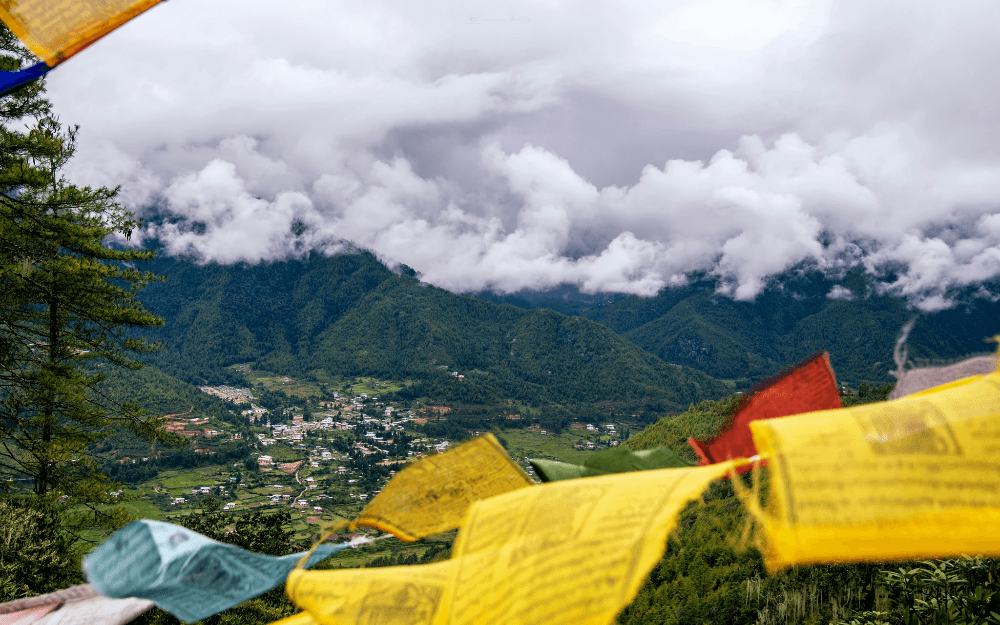
The Tibet Autonomous Region, often simply referred to as Tibet, is a region steeped in history, culture, and spiritual significance. Nestled high in the Himalayas, the Tibetan region boasts breathtaking landscapes and a rich tapestry of traditions that have shaped its identity over centuries. Understanding what defines this unique area is crucial for appreciating its complexities and the challenges it faces today.
Understanding the Tibet Autonomous Region
To grasp the essence of the Tibet Autonomous Region, we must delve into its historical context and geographical features. This vast tibet area is not just a collection of mountains and valleys; it is a living testament to a culture that has thrived despite external pressures. The Tibetan autonomous region reflects a blend of ancient customs and modern influences, making it an intriguing subject for exploration.
Significance of the Tibetan Region
The significance of the Tibetan region extends far beyond its stunning scenery; it serves as a spiritual heartland for millions around the globe. Home to Tibetan Buddhism and numerous sacred sites, this tibet province attracts pilgrims and tourists alike who seek enlightenment or adventure in its majestic landscapes. The cultural richness found here underscores why understanding this area is essential for anyone interested in global heritage.
What Defines an Autonomous Region
When discussing what defines an autonomous region, it’s important to consider both governance structures and cultural autonomy. An autonomous region typically enjoys certain freedoms regarding local governance while still being part of a larger political framework—such as China in this case with the tibetan autonomous region. This duality raises questions about identity, rights, and representation within regions like Tibet that have distinct cultural identities yet operate under broader national policies.
What is the Tibet Autonomous Region?
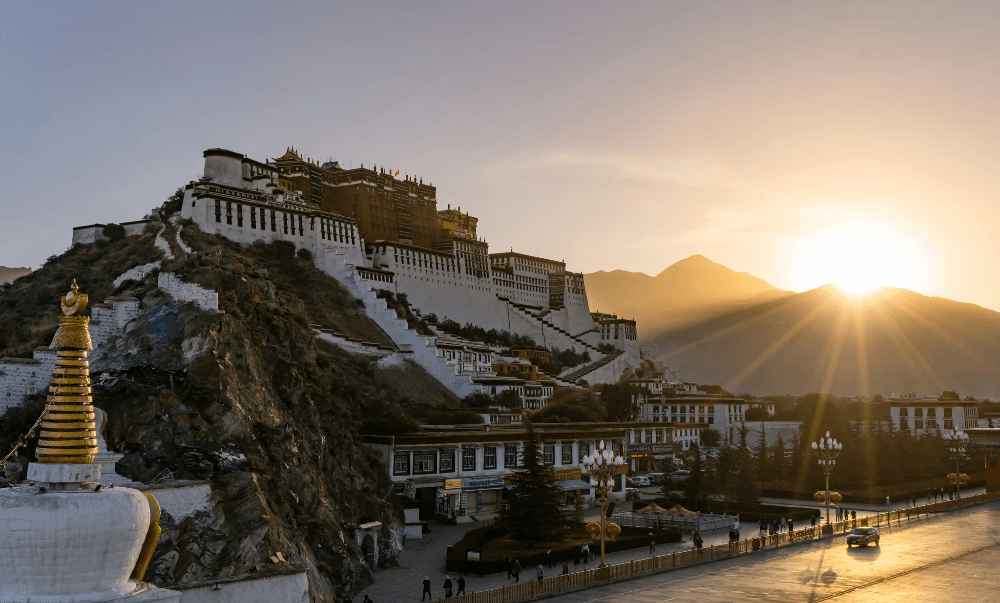
The Tibet Autonomous Region (TAR) is a unique area within China, distinguished by its rich history, stunning geography, and vibrant culture. Often referred to simply as the Tibetan region, this province has been a focal point of interest for scholars, travelers, and political analysts alike. But what exactly defines it as an autonomous region?
Historical Overview of Tibet
The history of the Tibet Autonomous Region stretches back thousands of years, with roots in ancient Tibetan kingdoms that flourished in the region. The TAR was formally established in 1965 after a tumultuous period marked by political upheaval and cultural transformation. Understanding this historical context is crucial for grasping the complexities surrounding the current status of the Tibetan province.
Throughout its history, Tibet has experienced significant influences from both neighboring cultures and foreign powers. The introduction of Buddhism played a pivotal role in shaping Tibetan identity and governance structures over centuries. This rich tapestry of history contributes to what many consider to be an enduring spirit among its people today.
Geography and Climate of the Tibet Area
Nestled on the roof of the world, the geography of the Tibet area is nothing short of breathtaking. Characterized by towering mountain ranges like the Himalayas and vast plateaus, it boasts some of Earth’s highest elevations—including Mount Everest—making it a geographical marvel. The unique climate varies significantly across regions; while some areas experience harsh winters with heavy snowfall, others enjoy milder summers that attract visitors year-round.
This diverse landscape not only offers stunning vistas but also supports various ecosystems that are home to rare wildlife species found nowhere else on Earth. Rivers originating from glaciers provide essential water resources for agriculture in lower elevations within this high-altitude terrain. The interplay between geography and climate creates a distinctive environment that shapes life in this remarkable autonomous region.
Cultural Significance of the Tibetan Region
The cultural significance of the Tibetan region cannot be overstated; it’s steeped in traditions that have persisted through centuries despite external pressures. From colorful festivals celebrating Buddhist teachings to intricate art forms like thangka painting, every aspect reflects deep-rooted beliefs and practices unique to Tibetan society. This cultural richness offers insight into how residents maintain their identity amid challenges faced by their autonomous region.
Moreover, language plays an essential role in preserving Tibetan culture; despite modernization efforts, many locals continue to speak their native tongue fluently while passing down stories through generations orally or via literature written in classical Tibetan script. The importance placed on communal rituals further strengthens social bonds among community members who share these cherished customs together.
In summary, exploring what constitutes an autonomous region like TAR reveals layers upon layers—historical depth intertwined with geographical wonders alongside vibrant cultural expressions—all contributing factors defining life within this extraordinary corner known as the Tibet Autonomous Region.
The Concept of an Autonomous Region
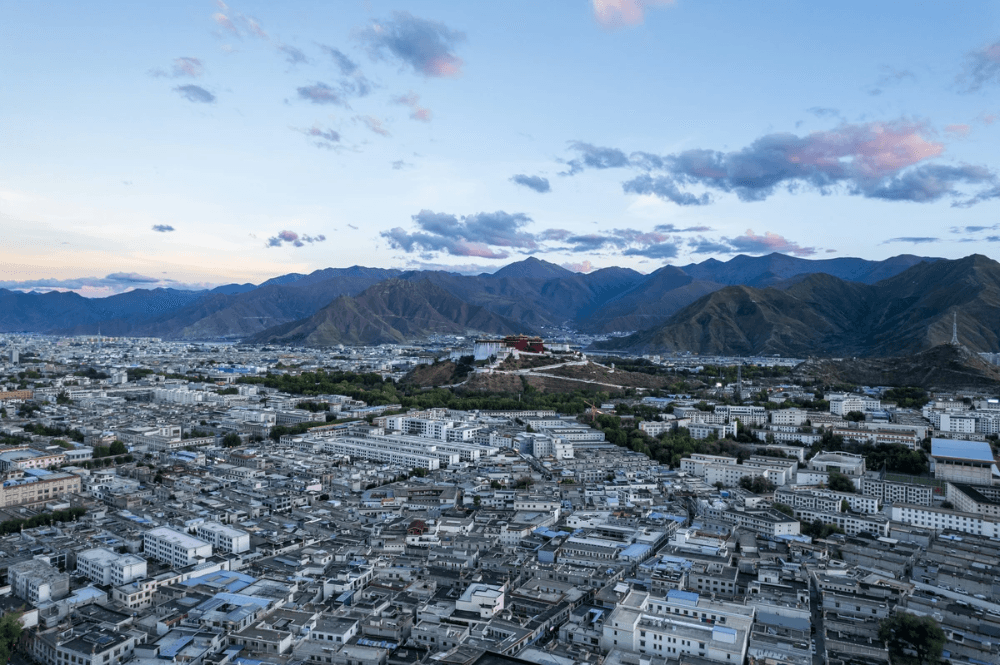
When discussing the Tibet Autonomous Region, it’s crucial to understand what an autonomous region is. An autonomous region is a designated area within a country that has some degree of self-governance, allowing for local customs and governance structures to coexist alongside national laws. This definition highlights the unique political status of the Tibet region, where local traditions and cultural practices play a significant role in governance.
Autonomous Region Definition Explained
The term autonomous region refers to areas that possess a certain level of independence from central government control, particularly in cultural and administrative matters. In the case of the Tibetan Autonomous Region, it signifies that while it falls under the jurisdiction of China, there are provisions for local governance that reflect Tibetan culture and identity. However, it’s important to note that this autonomy can be limited by national policies and regulations, leading to ongoing debates about what true autonomy means for regions like Tibet.
Examples of Other Autonomous Regions
Several other regions around the world share similarities with the Tibetan Autonomous Region in terms of their governance structure and cultural significance. For instance, Hong Kong and Macau are both special administrative regions in China with distinct legal systems and cultural identities. Similarly, places like Catalonia in Spain or Scotland in the United Kingdom have their own forms of autonomy while still being part of larger nations—highlighting how diverse autonomous regions can be globally.
Governance Structure in the Tibet Province
The governance structure within the Tibet province is characterized by a blend of Chinese administrative frameworks and traditional Tibetan leadership roles. The regional government operates under China’s constitution but is also expected to consider local customs when making decisions pertinent to the Tibetan area. This duality creates an intricate balance between maintaining national unity while respecting Tibetan culture—though many argue whether this balance truly exists given ongoing political tensions.
The Tibetan Autonomous Region Today
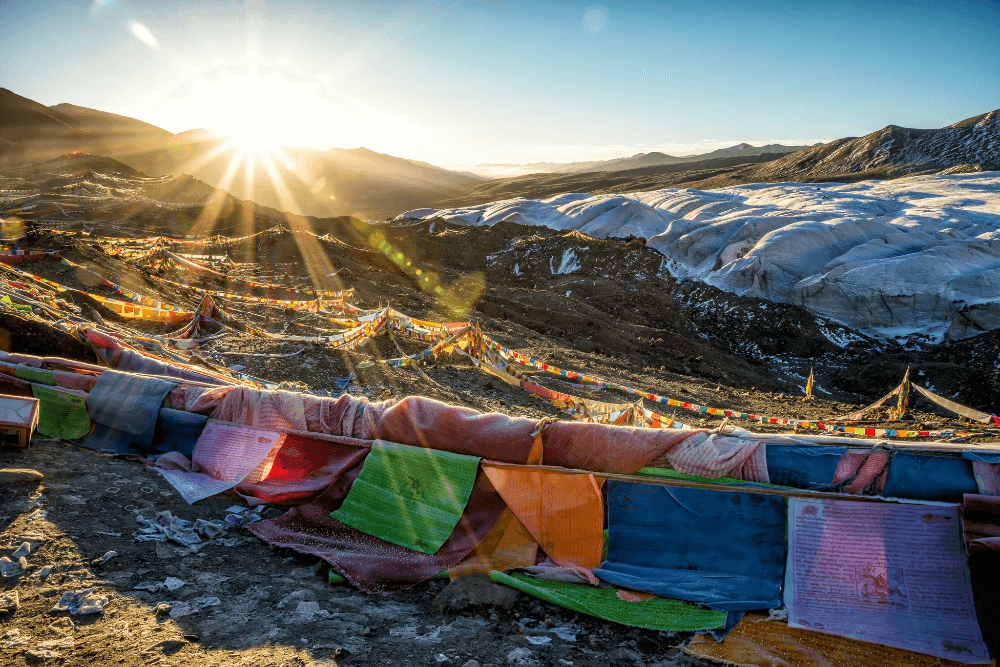
The Tibetan Autonomous Region (TAR) is a unique blend of ancient traditions and modern governance, shaped by its rich history and cultural significance. Understanding the current political framework of the Tibet region is essential to grasping how it operates within the larger context of China. This autonomous region definition reflects both the challenges and opportunities that come with managing such a diverse area.
Current Political Framework
The political framework in the Tibet Autonomous Region is characterized by a blend of local governance and overarching control from Beijing. The government structure includes officials appointed by the central government, which leads to questions about local autonomy in decision-making processes. This raises an important question: what is an autonomous region if it operates under strict central oversight? Despite this, there are local leaders who strive to address community needs, navigating between traditional practices and modern demands.
Economic Activities in the Tibet Area
Economic activities in the Tibet area have evolved significantly over recent decades, moving from subsistence farming and pastoralism to more diversified sectors like tourism and mining. The Tibetan region boasts a wealth of natural resources, including minerals and precious metals, which are increasingly being tapped for economic development. However, this rapid growth often conflicts with traditional lifestyles and raises concerns about environmental sustainability in this fragile ecosystem.
Social Dynamics in the Tibetan Region
Social dynamics within the Tibetan region are complex, reflecting a tapestry woven from various ethnic groups and cultural influences. While many locals maintain their traditional customs, younger generations are increasingly exposed to global ideas through education and technology. This cultural exchange can lead to both enrichment and tension as communities navigate their identities within the broader narrative of Chinese sovereignty over the Tibet province.
Tourism in the Tibet Autonomous Region

Tourism in the Tibet Autonomous Region is a vibrant tapestry woven from its breathtaking landscapes, rich cultural heritage, and spiritual significance. Visitors flock to this unique area not only for its stunning natural beauty but also to experience the deep-rooted traditions of the Tibetan people. The allure of the Tibet region lies in its ability to offer both adventure and introspection, making it a must-visit destination for travelers seeking something extraordinary.
Attractions of the Tibet Area
The attractions of the Tibet area are as diverse as they are captivating, ranging from majestic mountains to ancient monasteries. The iconic Potala Palace in Lhasa stands as a testament to Tibetan architecture and history, drawing visitors who wish to explore its grand halls and sacred relics. Additionally, places like Mount Everest Base Camp provide thrill-seekers with unparalleled trekking experiences amidst some of the highest peaks on Earth.
Beyond natural wonders, cultural festivals such as Losar (Tibetan New Year) showcase traditional music, dance, and cuisine that truly embody what is an autonomous region steeped in history. The serene landscapes of Namtso Lake and Yamdrok Lake offer tranquil escapes for those looking to connect with nature while soaking in the spiritual ambiance that defines this Tibetan region. Ultimately, these attractions paint a vivid picture of life within the Tibetan Autonomous Region.
Role of GuideTibet in Tourism
GuideTibet plays an essential role in facilitating tourism within this remarkable area by offering tailored travel experiences that cater specifically to individual interests and needs. Their knowledgeable guides not only navigate visitors through complex terrains but also share insights into local customs and traditions that enhance understanding of what it means to explore an autonomous region like Tibet. This personalized approach ensures travelers can immerse themselves fully in both adventure and culture.
Moreover, GuideTibet emphasizes responsible tourism practices that respect local communities while promoting sustainable travel methods throughout the Tibet province. By partnering with local businesses and encouraging eco-friendly initiatives, they help preserve both nature and culture—ensuring that future generations can enjoy this unique landscape just as much as those today do. In essence, GuideTibet serves as a bridge connecting tourists with authentic experiences while safeguarding the integrity of Tibetan society.
Responsible Travel in the Tibetan Region
Responsible travel is crucial when exploring the Tibetan region; it fosters respect for local cultures while minimizing environmental impact—a delicate balance indeed! Tourists are encouraged to engage thoughtfully with their surroundings by following guidelines set forth by local authorities or organizations like GuideTibet that prioritize sustainability within tourism practices across this remarkable province. Simple actions such as minimizing waste or supporting local artisans can make significant differences.
Additionally, understanding cultural sensitivities is paramount when visiting sacred sites or participating in traditional ceremonies; respectful behavior helps maintain harmony between visitors and residents alike within this autonomous region definition framework. By embracing responsible travel principles during their adventures through Tibet’s enchanting landscapes—travelers contribute positively toward preserving not just natural beauty but also time-honored traditions intrinsic to life here.
Challenges Facing the Tibet Autonomous Region

The Tibet Autonomous Region faces a multitude of challenges that threaten its environment, culture, and political stability. Understanding these issues is crucial for anyone interested in the complexities of this unique region. From environmental degradation to cultural preservation and political tensions, the Tibetan region is at a crossroads that demands attention and action.
Environmental Issues in the Tibet Province
The Tibet province is often referred to as the Roof of the World, but its breathtaking landscapes are under siege from various environmental issues. Climate change has led to melting glaciers, impacting water supply for millions downstream, while deforestation and mining activities threaten local ecosystems in this delicate area. The consequences of these environmental challenges are not just local; they have far-reaching effects on biodiversity and the livelihoods of those who call the Tibetan region home.
Moreover, rapid urbanization and infrastructure development aimed at boosting tourism in the tibet area often come at a high environmental cost. Increased road construction can lead to soil erosion and habitat destruction, exacerbating existing ecological problems. As we consider what is an autonomous region like Tibet, it becomes clear that sustainable practices must be prioritized to protect this invaluable natural heritage.
Cultural Preservation Concerns
Cultural preservation remains a pressing concern within the Tibetan autonomous region as globalization continues to exert influence over traditional ways of life. The rich tapestry of Tibetan culture—including language, art, and religious practices—is at risk due to external pressures that promote homogenization rather than diversity. Many fear that without concerted efforts to safeguard their heritage, future generations may lose touch with their unique identity.
In addition to external pressures, internal policies within China have also contributed to cultural erosion in the tibetan region. Restrictions on religious practices and language education can stifle expressions of Tibetan identity—an essential aspect of what defines an autonomous region like Tibet. This struggle highlights a critical question: how can we balance modernity with tradition in a way that respects both?
Political Tensions and Human Rights
Political tensions surrounding the tibet autonomous region are complex and deeply rooted in history. The relationship between Tibetan people and Chinese authorities has been fraught with conflict since China’s incorporation of Tibet in 1950-51—a topic laden with emotion on both sides. Allegations regarding human rights abuses continue to surface, raising concerns about freedom of expression and assembly within this sensitive area.
Many activists argue that true autonomy for the tibetan autonomous region would require significant changes in governance structures currently imposed by Beijing—a matter illustrating what is an autonomous region should ideally represent: self-determination for its people while maintaining national integrity. However, achieving such autonomy remains contentious amid ongoing political struggles between local aspirations for independence or greater autonomy versus central government control.
In conclusion, addressing these challenges—environmental degradation, cultural preservation concerns, and political tensions—is vital for ensuring a sustainable future for both residents and visitors alike in this extraordinary tibet province.
Conclusion
The Tibet Autonomous Region is a unique area with a rich tapestry of history, culture, and challenges that shape its identity today. As we look towards the future, it becomes essential to consider how this autonomous region can navigate its complexities while preserving its distinct heritage and addressing pressing issues. The ongoing dialogue about what it means to be an autonomous region will play a pivotal role in determining the trajectory of the Tibetan region.
The Future of the Tibet Autonomous Region
The future of the Tibet Autonomous Region hinges on balancing development with cultural preservation. As economic activities expand in the Tibet area, there is a growing need for sustainable practices that respect both the environment and Tibetan traditions. The question remains: how can this Tibetan autonomous region thrive without compromising its unique identity amidst globalization?
Embracing Tibetan Culture and Traditions
Embracing Tibetan culture and traditions is vital for fostering a sense of community and identity within the Tibetan region. From traditional festivals to spiritual practices, these cultural elements are not just relics but living expressions of resilience and pride among Tibetans. By promoting awareness and appreciation for these traditions, we can support efforts to maintain their vibrancy in an ever-changing world.
Exploring the Tibet Province with GuideTibet
When exploring the Tibet Province, travelers are encouraged to engage responsibly with both nature and local communities through platforms like GuideTibet. This organization plays a crucial role in promoting sustainable tourism while ensuring visitors gain authentic experiences in this breathtaking landscape. By choosing responsible travel options, explorers can contribute positively to both the economy of the tibet region and its cultural preservation efforts.