
Introduction
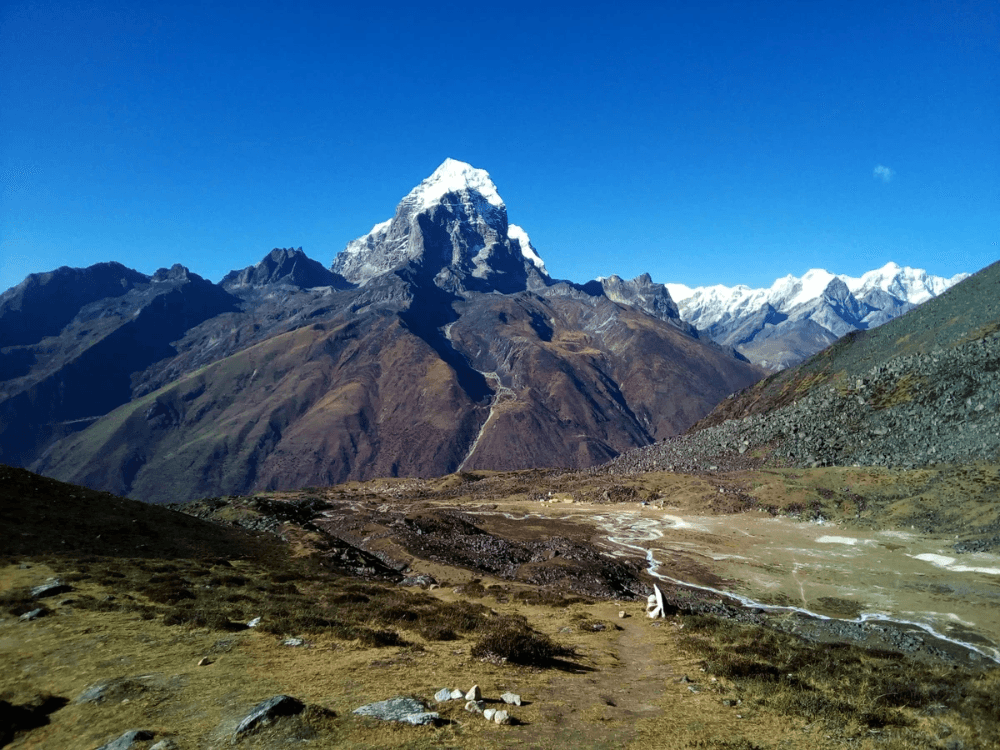
Trekking to the base camp of Everest is not just a hike; it’s a pilgrimage to one of the most iconic peaks on the planet. The journey offers adventurers an unparalleled opportunity to experience breathtaking landscapes, unique cultures, and the thrill of standing at the foot of the world’s highest mountain. With its rich history and stunning vistas, it’s no wonder that trekking to Everest from Tibet has become legendary among outdoor enthusiasts.
Why Trekking to Everest Base Camp is Legendary
The allure of reaching the base camp of Everest transcends mere physical challenge; it embodies a quest for adventure that many dream about. It’s not just about how tall Mount Everest is or even how high you’ll climb; it’s about immersing yourself in an environment where nature reigns supreme. Trekkers often describe their experiences as transformative, filled with moments that inspire awe and reflection amidst towering glaciers and rugged terrain.
The Allure of Mount Everest from Tibet
Is Mt Everest in Tibet? Absolutely! The Tibetan side offers a unique perspective on this majestic giant, with views that are often less crowded than those from Nepal. Standing at Tibet Mt Everest Base Camp provides trekkers with striking panoramas and an intimate connection to both nature and culture, making it an unforgettable experience for anyone daring enough to undertake this journey.
What to Expect on Your Journey
When embarking on your trek to Tibet Everest Base Camp, prepare for days filled with adventure and discovery. You’ll traverse diverse landscapes ranging from lush valleys to stark mountain passes while encountering friendly locals who add warmth to your journey through their vibrant culture. Keep in mind that acclimatization will be key as you navigate the altitude of Everest Base Camp, ensuring your trek remains safe and enjoyable throughout this incredible expedition.
Understanding the Everest Base Camp

The Everest Base Camp is a legendary destination for trekkers and adventurers alike, serving as the gateway to the world’s highest peak. Nestled in the stunning landscapes of Tibet, this base camp offers a unique perspective on Mount Everest that is both breathtaking and humbling. To fully appreciate what awaits you at this iconic site, it’s crucial to understand its characteristics and significance.
Overview of Base Camp of Everest
The base camp of Everest is not just a stopping point; it’s an experience that encapsulates the spirit of adventure. Located at an elevation of approximately 5,364 meters (17,598 feet), it serves as the launchpad for climbers aiming to conquer Tibet Mt Everest. Here, you’ll find a mix of climbers preparing for their ascent, trekkers soaking in the views, and locals offering insights into their rich culture and traditions.
At this altitude, you’ll encounter a vibrant community filled with stories from those who have dared to take on Mount Everest. The atmosphere is electric with excitement and determination as adventurers from around the globe gather at this historic site. Whether you’re planning to climb or simply trek for the views, the base camp provides an unforgettable experience steeped in both challenge and beauty.
The Altitude of Everest Base Camp Explained
Understanding the altitude of Everest Base Camp is essential for anyone considering this trek. At around 5,364 meters above sea level, it sits high enough to pose challenges like altitude sickness if proper precautions aren’t taken. It’s important to note that acclimatization plays a critical role in your journey; taking time to adjust can make all the difference between enjoying your trek and feeling overwhelmed by altitude effects.
How tall is Mount Everest Base Camp compared to other trekking destinations? Well, it’s significantly higher than most peaks around the world! This unique elevation allows trekkers not only to witness awe-inspiring landscapes but also gives them firsthand experience with high-altitude trekking challenges that few other places can offer.
The Route to Tibet Mount Everest Base Camp
The route leading up to Tibet Mount Everest Base Camp is nothing short of spectacular—a true feast for nature lovers! Starting from Lhasa or Shigatse, trekkers typically travel through picturesque Tibetan villages and stunning valleys before reaching their ultimate destination. Along this journey, you’ll encounter everything from yak herders tending their livestock to ancient monasteries perched precariously on cliff edges.
As you make your way towards Tibet Everest Base Camp, each step brings new sights and experiences that add layers to your adventure story. The trail winds through rugged terrain with breathtaking views that will leave you spellbound—perfect for capturing those Instagram-worthy shots! Remember that while reaching base camp might be exhilarating; it’s also about enjoying every moment along this incredible route.
Preparing for Your Trek

If you’re gearing up for an adventure to the base camp of Everest, preparation is key. The journey to Tibet Mount Everest is not just about breathtaking views; it requires careful planning and the right gear. Let’s dive into what you need to ensure a safe and enjoyable trek.
Essential Gear for Everest from Tibet
When trekking to the altitude of Everest Base Camp, having the right equipment can make or break your experience. First and foremost, invest in high-quality trekking boots that provide support and grip on rugged terrain—trust us, your feet will thank you! Additionally, layering is crucial; a moisture-wicking base layer, an insulating mid-layer, and a waterproof outer shell will help you adapt to the unpredictable Tibetan climate.
Don’t forget about accessories like a warm hat, gloves, and sunglasses—after all, at such heights (how tall is Mount Everest Base Camp? It’s around 5,364 meters!), you’ll need protection against the cold and UV rays. A good backpack with ample space for snacks and water will keep you fueled along your journey through Tibet Everest Base Camp’s stunning landscapes. Lastly, consider packing a first-aid kit; it’s always better to be safe than sorry when venturing into remote areas!
Physical Training for High Altitude
Preparing your body for high altitude is essential when tackling Tibet Mt Everest. Start training at least three months before your trek with cardiovascular exercises like hiking or running—this builds endurance needed for those long days on the trail. Don’t forget strength training; focus on leg muscles with squats and lunges to power through steep ascents.
Incorporating interval training can also help simulate the physical demands of fluctuating altitudes while trekking towards the base camp of Everest. Remember that acclimatization isn’t just about preparing mentally; it’s also about being fit enough to handle exertion at high elevations without succumbing to fatigue or altitude sickness symptoms. By building stamina now, you’ll enjoy every step of this unforgettable journey!
Acclimatization Tips for Safe Trekking
Acclimatization is crucial when exploring the altitude of Everest Base Camp since rapid ascent can lead to altitude sickness—a serious concern at these elevations! To combat this risk while trekking in Tibet Mount Everest region, plan for gradual elevation increases during your trek; allowing your body time to adjust is vital. Aim for rest days where you can simply enjoy the breathtaking views rather than pushing yourself too hard.
Hydration plays a significant role in acclimatization as well—drink plenty of water throughout your trek! Staying hydrated helps reduce symptoms associated with high altitudes while keeping energy levels up during those challenging climbs toward Tibet Everest Base Camp. Lastly, listen closely to your body: if you’re feeling unwell or overly fatigued, don’t hesitate to take it easy or descend slightly until you’re feeling better.
Choosing the Right Trekking Company
When it comes to trekking to the base camp of Everest, selecting the right company can make all the difference between a memorable adventure and a challenging ordeal. With numerous options available, it’s essential to consider local expertise, package comparisons, and what qualities to seek in a trekking guide. A well-chosen trekking company will not only enhance your experience but also ensure your safety as you navigate the altitude of Everest Base Camp.
Benefits of Local Expertise with GuideTibet
Opting for a local trekking company like GuideTibet offers distinct advantages that can elevate your journey to Tibet Mount Everest. These guides possess an intimate knowledge of the terrain, weather patterns, and cultural nuances that can enrich your experience while minimizing risks associated with high-altitude treks. Their insights into local customs and traditions provide an authentic perspective that enhances every step toward Tibet Everest Base Camp.
Local expertise also means better acclimatization strategies tailored specifically for the altitude of Everest Base Camp. Guides familiar with this region understand how to pace treks effectively and identify signs of altitude sickness early on, ensuring trekkers are always in safe hands. With their support, you’ll be able to focus more on soaking in breathtaking views rather than worrying about logistics.
Comparing Packages for Everest from Tibet
When comparing packages for Everest from Tibet, it’s crucial to evaluate what each itinerary includes beyond just transportation and meals. Some companies may offer basic packages that cover only essential services while others provide comprehensive experiences featuring cultural tours or additional acclimatization days at key points along the trek. Be sure to scrutinize what’s offered—more inclusions often translate into a more enriching adventure.
Additionally, consider group sizes and guide-to-trekker ratios when evaluating different packages; smaller groups often result in personalized attention and a more enjoyable atmosphere on the trail towards Tibet Mt Everest. Look out for reviews from past trekkers as they can provide valuable insights into which companies deliver on their promises regarding service quality and overall experience at base camp of Everest.
Lastly, inquire about flexibility within these packages—some companies might allow you to customize your trek based on your preferences or physical condition as you approach how tall is Mount Everest Base Camp in elevation challenges ahead!
What to Look for in a Trekking Guide
Finding an exceptional trekking guide is paramount when embarking on such an epic journey as reaching the base camp of Everest. First off, ensure they have extensive experience navigating high-altitude terrains like those found en route to Tibet Mount Everest; familiarity with potential hazards makes all the difference in ensuring safety against altitude sickness symptoms or unexpected weather changes.
Moreover, effective communication skills should top your list when evaluating potential guides; they must be able not only to convey important information but also inspire confidence among trekkers during challenging moments along this demanding trek towards Tibet everest base camp. A good guide should also be personable—after all, you’ll want someone who makes each day enjoyable while sharing fascinating stories about local culture!
Lastly, don’t hesitate to ask about their emergency preparedness plans before committing; knowing they have protocols established can ease any apprehensions about tackling such heights! Remember: Your journey toward one of nature’s most iconic wonders deserves nothing less than expert guidance!
The Trekking Experience
Embarking on the journey to the base camp of Everest is not just about reaching a destination; it’s about immersing yourself in an experience that is both challenging and breathtaking. Each day unfolds a new chapter, where the rhythm of trekking becomes a part of daily life. From early morning starts to evenings spent under starry skies, every moment is filled with adventure and discovery.
Daily Life on the Trail to Everest Base Camp
Life on the trail to Tibet Mount Everest is a blend of physical exertion and serene moments of reflection. Mornings begin with a hearty breakfast, often featuring local delicacies like porridge or Tibetan bread, fueling trekkers for the day ahead. As you traverse through picturesque landscapes and charming villages, you’ll find that each step brings you closer not just to altitude but also to an understanding of the unique culture surrounding you.
As you climb higher towards the altitude of Everest Base Camp, you’ll notice how your body adjusts to the changing environment. Daily routines include acclimatization hikes that help ease your body into higher elevations while allowing for stunning views along the way. Evenings are spent sharing stories with fellow trekkers and guides around cozy fires, creating bonds that last long after you’ve returned from Tibet Everest Base Camp.
Captivating Views: A Photographer’s Paradise
The trek to Tibet Mt Everest offers some of the most captivating views imaginable — it truly is a photographer’s paradise! The majestic peaks stand tall against azure skies, while valleys draped in lush greenery create stunning contrasts perfect for any camera lens. Whether it’s sunrise casting golden hues over snow-capped mountains or sunset painting dramatic shadows across rugged terrain, every moment presents an opportunity for awe-inspiring photography.
As you approach base camp of Everest, iconic landmarks like Kala Patthar come into view, offering unparalleled panoramas that will leave you breathless — literally and figuratively! Capture images that showcase not only the grandeur of Mt Everest but also intimate shots reflecting local culture and daily life in this remote region. Remember: every snapshot tells a story; make yours unforgettable as you document your journey at high altitudes.
Cultural Encounters: Meet the Locals
One of the most enriching aspects of trekking towards Tibet Everest Base Camp is encountering local communities along your route. Villagers often greet trekkers with warm smiles and traditional greetings, inviting you into their world steeped in rich cultural heritage. Engaging with locals offers insights into their way of life — from their customs to their incredible resilience against harsh mountain conditions.
Visiting monasteries nestled among towering peaks provides another layer of cultural immersion; here you’ll witness age-old rituals performed by monks clad in vibrant robes amidst tranquil settings. Don’t miss opportunities to savor authentic Tibetan cuisine served by hospitable families who take pride in sharing their culinary delights with visitors from around the globe! These interactions enhance your journey as much as reaching Mt Everest itself does.
Health and Safety Considerations
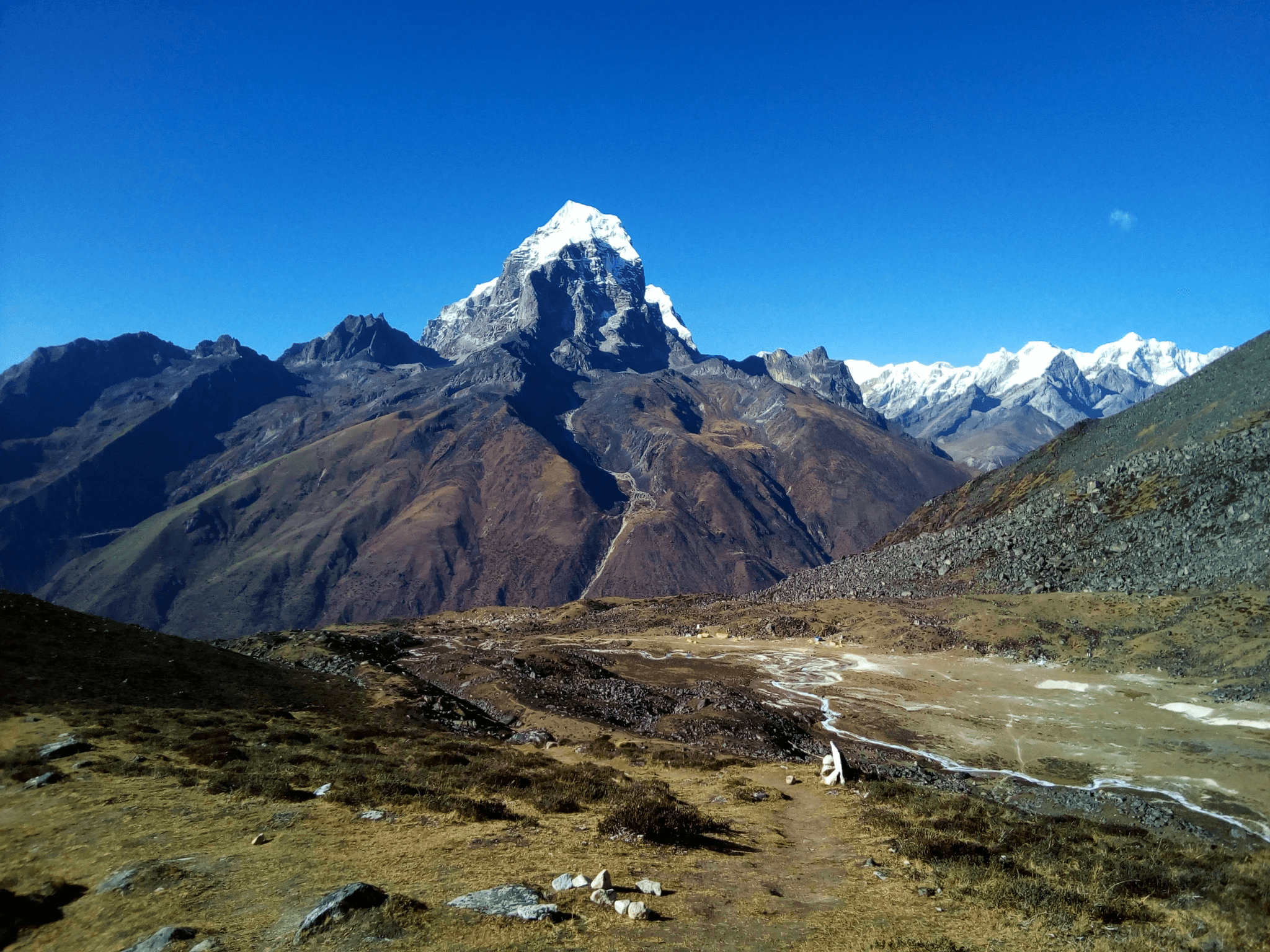
When embarking on an adventure to the base camp of Everest, health and safety should be at the forefront of your planning. The altitude of Everest Base Camp poses unique challenges that require preparation and awareness. Understanding potential risks can make the difference between a memorable trek and a dangerous situation.
Understanding Altitude Sickness Symptoms
Altitude sickness is a common concern for trekkers heading to Tibet Mount Everest, especially given the high elevation. Symptoms can range from mild headaches and dizziness to severe nausea and shortness of breath, usually manifesting above 2,500 meters (8,200 feet). Recognizing these symptoms early is crucial; if you experience them, it’s essential to descend immediately to avoid more serious complications.
As you approach the altitude of Everest Base Camp—sitting at approximately 5,364 meters (17,598 feet)—your body will need time to acclimatize. This means you may feel tired or have trouble sleeping initially; however, these are normal reactions as your body adjusts to thinner air. Always listen to your body; if something feels off, don’t hesitate to communicate with your trekking group or guide.
Medical Preparedness for Your Trek
Being medically prepared for your trek is just as important as packing the right gear for Everest from Tibet. Before setting out on this incredible journey, consider consulting with a healthcare professional who specializes in travel medicine. They can provide valuable advice on vaccinations and medications that may help prevent altitude sickness or treat other ailments during your trip.
In addition to personal medications like pain relievers or altitude sickness pills (like Acetazolamide), it’s wise to carry a well-stocked first aid kit tailored for high-altitude treks. Include items such as blister treatment supplies, antiseptics, bandages, and any specific medical needs based on personal history. Remember that access to medical facilities will be limited once you’re on the trail towards Tibet Everest Base Camp.
Emergency Procedures and Rescue Plans
While no one wants to think about emergencies during their trek toward Tibet Mt Everest, having a solid plan in place can provide peace of mind. Before beginning your adventure, ensure that your trekking company has clear emergency procedures established for situations like severe altitude sickness or injury while en route to base camp of Everest.
Familiarize yourself with evacuation routes and understand how communication works in remote areas where mobile service may be unreliable or nonexistent. Many trekking companies now equip guides with satellite phones or radios for emergencies; confirm these details before setting off so you know help is just a call away if needed.
Ultimately, being prepared not only enhances safety but also allows you to fully enjoy this breathtaking journey through one of nature’s most awe-inspiring landscapes.
Conclusion

The journey to the base camp of Everest is not just a trek; it’s an unforgettable adventure that beckons adventurers from all corners of the globe. Each step brings you closer to the majestic heights of Tibet Mount Everest, where the air is thin and the views are breathtaking. As you prepare for this epic journey, remember that what awaits you is more than just a destination—it’s an experience that will stay with you for a lifetime.
The Unforgettable Adventure Awaits
Imagine standing at the altitude of Everest Base Camp, surrounded by towering peaks and glistening glaciers, feeling like you’ve reached the top of the world—even if you’re still miles away from summiting. This trek offers not only stunning landscapes but also personal triumphs as you push your limits and embrace challenges along the way. With each day on the trail, you’ll create memories that will make your heart race long after you’ve returned home.
Embrace the Beauty of Tibet and Everest
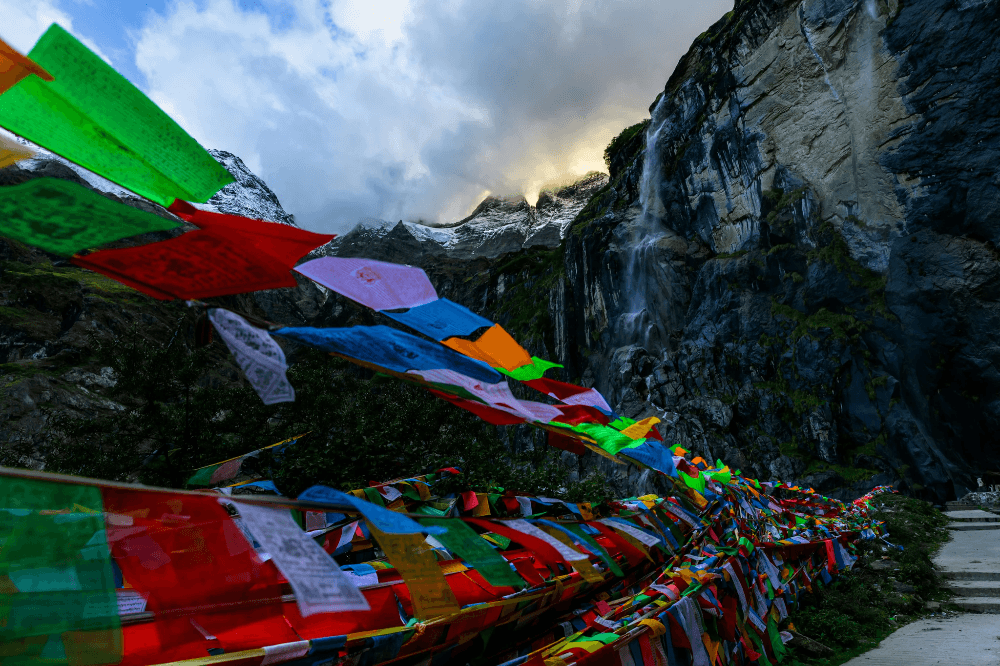
Tibet is a land steeped in rich culture and natural beauty, making your journey to Tibet Everest Base Camp even more enchanting. The vibrant prayer flags fluttering in the wind, ancient monasteries dotting the landscape, and friendly locals sharing their stories all contribute to an unforgettable atmosphere. Soak in every moment as you traverse this remarkable terrain; it’s not just about reaching your destination but embracing every aspect of this magical place.
Your Journey to the Roof of the World
As you set out on your trek towards Tibet Mt Everest, remember that each step brings you closer not only to one of nature’s greatest wonders but also to discovering your own strength and resilience. How tall is Mount Everest Base Camp? While it may be lower than its towering summit, its significance lies in being a gateway to adventure and self-discovery amidst stunning vistas. The experience of trekking everest from tibet will transform how you view both nature and yourself—an adventure worth taking!

