Introduction
Understanding Monastic Attire
Monastic attire is more than just fabric; it reflects a lifestyle dedicated to simplicity and mindfulness. In various Buddhist traditions, what do female Buddhists wear? While they often opt for modest garments that align with their spiritual values, monks typically wear the kasaya—a robe that signifies renunciation and detachment from material possessions. Understanding these choices helps us appreciate how traditional Buddhist clothing embodies the principles of Buddhism itself.
The Tradition Behind Orange Robes
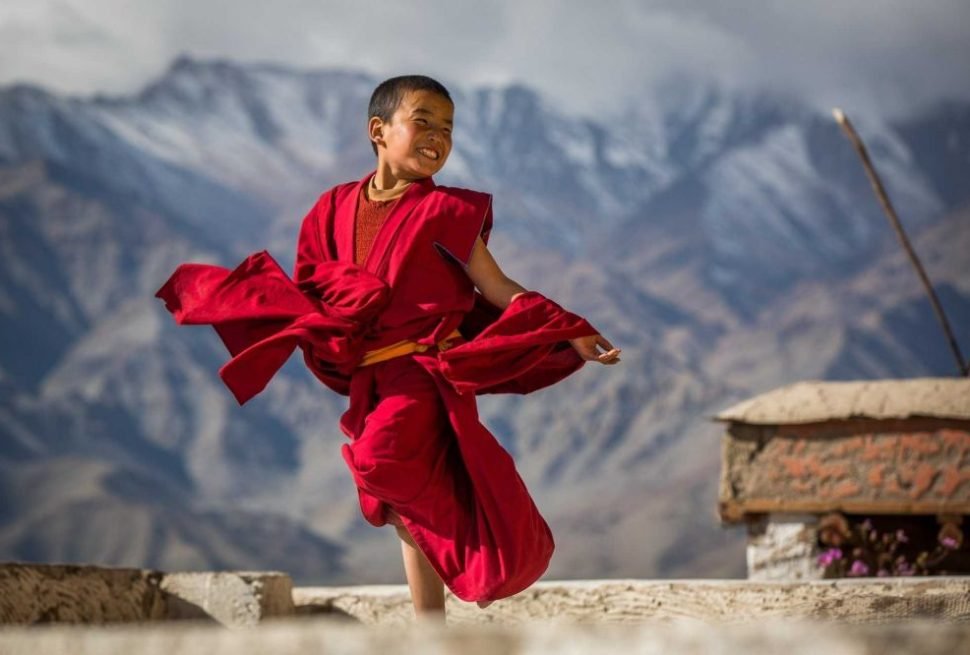
The iconic orange robe worn by many monks is steeped in history and tradition, symbolizing humility and renunciation. Why do monks wear kasaya? This garment not only signifies their commitment to the monastic life but also serves as a reminder to practice compassion and mindfulness in all actions. The color orange has its roots in ancient dyeing techniques, making it both practical and symbolic—an emblem of enlightenment shining brightly against the backdrop of worldly distractions.
The Significance of Shaved Heads
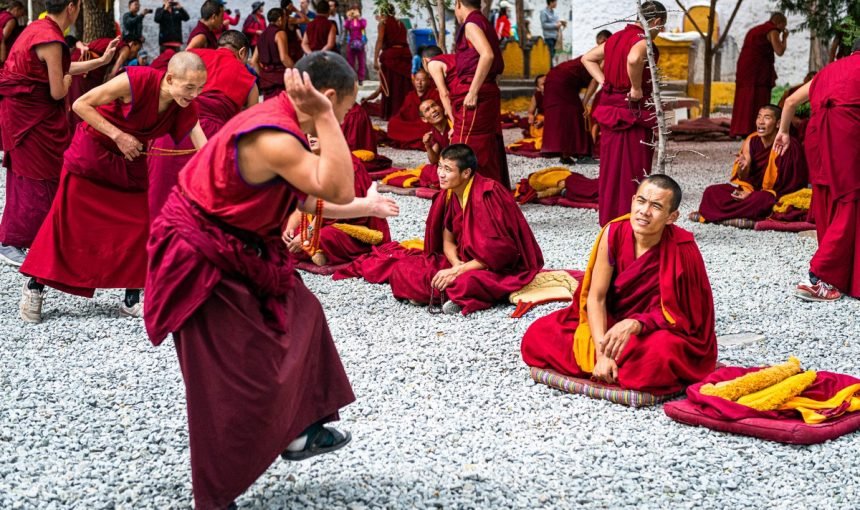
In many Buddhist cultures, shaving one’s head is a rite of passage that symbolizes renunciation of ego and attachment. This practice raises questions about what is Buddhism dress code? It’s not merely about clothing rules but extends into how one presents oneself spiritually—stripped down to essentials without adornment or excess. Shaved heads can evoke various psychological impacts too; they often foster a sense of community among practitioners while reinforcing their dedication to spiritual growth.
The Roots of Buddhist Clothing

Buddhist clothing has a rich and diverse history that reflects the spiritual journey of its practitioners. Traditional Buddhist clothing varies significantly across regions, influenced by local customs and cultural practices. Today, modern Buddhist clothing adaptations continue to honor these traditions while also embracing contemporary styles.
History of Traditional Buddhist Clothing
The roots of traditional Buddhist clothing can be traced back to the time of the Buddha, who advocated simplicity and humility in dress. Early monks wore robes made from discarded cloth, symbolizing their renunciation of worldly possessions. Over centuries, these garments evolved into what we now recognize as the kasaya, which monks wear as a reminder of their commitment to the monastic life.
Different Styles Across Regions
Different regions have developed unique styles when it comes to traditional Buddhist clothing. In Southeast Asia, for example, monks often wear bright orange or saffron robes that signify their dedication to Buddhism; this leads us to ponder: why do monks wear kasaya? Meanwhile, Tibetan Buddhists sport more elaborate attire with intricate patterns and colors that reflect their rich cultural heritage. Female Buddhists also have distinct garments; what do female Buddhists wear? Their attire often includes long skirts or dresses paired with shawls that resonate with modesty and grace.
Modern Buddhist Clothing Adaptations
As society evolves, so too does traditional Buddhist clothing adapt to modern sensibilities while retaining its core values. Many practitioners now blend elements of traditional attire with contemporary fashion trends—think stylish yet modest outfits that still respect the essence of Buddhism’s dress code. However, it’s essential to remember that there are specific Buddhist clothing rules that guide how one should dress within various contexts—whether in a temple setting or during meditation retreats.
Why Do Monks Wear Kasaya?

In the world of traditional Buddhist clothing, the kasaya robe holds a special place of honor and significance. This simple yet profound garment is more than just a piece of fabric; it embodies the core values of Buddhism, such as humility, detachment, and spiritual commitment. By donning the kasaya, monks express their dedication to a life of simplicity and renunciation.
Symbolism of the Kasaya Robe
The kasaya robe symbolizes the monk’s journey towards enlightenment and serves as a reminder of their vows. Traditionally made from patched cloth, it represents the idea that monks should not be attached to material possessions or status. This symbolism resonates deeply within Buddhist teachings, reinforcing that true liberation comes from letting go rather than accumulating wealth or power.
The Color Orange and Its Meaning
The vibrant orange color of the kasaya is particularly significant in Buddhist culture. It is often associated with warmth, compassion, and illumination—qualities that are essential for those on a spiritual path. In addition to its spiritual connotations, this hue also stands out in nature, serving as a visual reminder for lay followers about what it means to live according to Buddhist principles.
Variations of the Kasaya
While all kasayas share common elements rooted in tradition, variations exist across different regions and sects within Buddhism. For instance, some monks may wear longer robes while others prefer shorter styles depending on local customs or climate considerations. Despite these differences in design, each variation still adheres to overarching Buddhist clothing rules that emphasize modesty and simplicity—principles upheld by both male and female Buddhists alike.
What Is Buddhism Dress Code?

When it comes to Buddhist attire, the dress code is steeped in tradition and meaning. The principles guiding what monks and lay followers wear reflect their spiritual commitments, cultural heritage, and community values. Understanding these clothing rules can offer insights into the broader Buddhist way of life.
Key Principles of Buddhist Attire
The key principles of Buddhist attire revolve around modesty, simplicity, and functionality. Traditional Buddhist clothing often consists of loose-fitting garments that allow for ease of movement during meditation and daily practices. Monks typically wear the kasaya robe, which symbolizes their renunciation of worldly attachments; this is a prime example of how what do female Buddhists wear also adheres to similar principles—favoring modesty without sacrificing comfort.
In many regions, modern adaptations have emerged while still respecting these core values. For instance, while traditional robes are prevalent in monasteries, younger generations may incorporate contemporary styles that align with their personal expression yet remain respectful to the essence of Buddhism. Ultimately, the dress code serves as a reminder of one’s commitment to spiritual development and community harmony.
Influence on Female Buddhists’ Clothing Choices
What do female Buddhists wear? Similar to their male counterparts, women in Buddhism often choose attire that reflects humility and respect for their practice. In many traditions, this includes long skirts or dresses paired with shawls or scarves that cover the shoulders—an embodiment of modesty that aligns with Buddhist teachings.
However, female Buddhists also face unique cultural influences when it comes to clothing choices. In some regions, local customs dictate specific styles or colors associated with femininity or spirituality; thus modern Buddhist clothing can vary widely across cultures while still adhering to fundamental tenets like simplicity and respectfulness. The interplay between tradition and personal expression allows women within Buddhism to navigate their identities while honoring their faith.
Clothing Rules for Lay Followers
For lay followers in Buddhism, clothing rules are generally less strict than those for monks but still hold significance within the community context. The emphasis is on wearing clean and presentable attire that reflects an individual’s respect for themselves as well as others during communal gatherings or ceremonies. This means avoiding overly extravagant outfits or any clothing that could be deemed distracting from spiritual practices.
Moreover, understanding why do monks wear kasaya can provide insight into why laypeople might opt for simpler styles when attending temple events or participating in rituals—it’s about creating an atmosphere conducive to mindfulness rather than materialism. Modern interpretations may include casual yet respectful outfits like plain shirts paired with trousers or skirts—always mindful not to overshadow the sacred environment they are entering into. Ultimately, both monks’ robes and lay attire contribute significantly to maintaining a sense of decorum within Buddhist spaces.
The Spiritual Significance of Hair Removal
In Buddhism, hair removal holds profound spiritual significance, serving as a potent symbol of renunciation and detachment from worldly concerns. When monks shave their heads, it represents a commitment to a life dedicated to spiritual practice rather than material pursuits. This act is not merely about aesthetics; it’s a public declaration of one’s intention to follow the path laid out by the Buddha.
Shaving Heads as a Symbol of Renunciation
Shaving heads is deeply rooted in the Buddhist tradition and signifies an important shift in identity. By removing their hair, monks demonstrate their rejection of vanity and social status, embracing humility instead. This practice aligns with the broader philosophy of traditional Buddhist clothing, which emphasizes simplicity and detachment from materialism.
For female Buddhists, the question often arises: What do female Buddhists wear? While women may not always shave their heads, many choose to adopt simpler hairstyles or cover their heads as an expression of modesty and respect for their spiritual path. The idea remains that shedding one’s hair—whether fully or partially—is about focusing inward rather than outward.
Cultural Practices in Different Buddhist Traditions
Cultural interpretations of hair removal vary widely among different Buddhist traditions, yet the underlying message remains consistent: it symbolizes renunciation. In Theravada Buddhism, for instance, both monks and lay practitioners may shave their heads during significant religious events or personal milestones as part of adhering to what is Buddhism dress code. Conversely, Mahayana traditions might allow for more varied expressions regarding hair length among lay followers while still respecting the principle behind this practice.
Moreover, in Tibetan Buddhism, where monasticism intertwines with rich cultural heritage, shaved heads can signify both adherence to monastic rules and an embrace of Tibetan identity through traditional clothing styles like the kasaya robe. These robes serve not only practical purposes but also reinforce community ties among practitioners who share similar values regarding appearance and lifestyle.
Psychological Impacts of Shaved Heads
The psychological effects associated with shaving one’s head are noteworthy; many report feelings of liberation after shedding their locks. This transformative experience can promote mindfulness and help individuals break free from societal expectations tied to physical appearance—an essential aspect when discussing modern Buddhist clothing practices that prioritize comfort over fashion trends.
Additionally, when exploring why do monks wear kasaya alongside shaved heads within monastic life contexts, it becomes evident that these choices foster a sense of unity within communities focused on spiritual growth rather than superficial concerns about attire or grooming habits. For those observing these practices—whether they are fellow practitioners or curious outsiders—the visual impact is striking: shaved heads paired with traditional Buddhist clothing create an unmistakable image representing devotion and simplicity.
How GuideTibet Embraces Buddhist Traditions
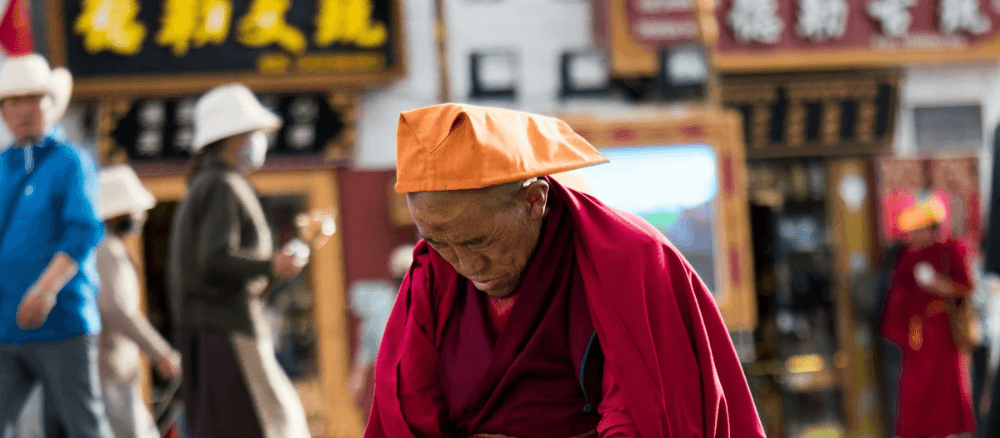
GuideTibet is dedicated to preserving and sharing the rich tapestry of Tibetan culture, particularly its Buddhist traditions. Through thoughtfully organized tours, they offer visitors an authentic glimpse into the lives of monks and the significance behind traditional Buddhist clothing. By immersing travelers in this vibrant culture, GuideTibet fosters a deeper understanding of practices like why monks wear kasaya and what it means to embrace Buddhism’s dress code.
Organizing Authentic Tibetan Tours
When you embark on a tour with GuideTibet, you’re not just seeing the sights; you’re experiencing the essence of Tibetan Buddhism firsthand. Their itineraries are designed to include visits to monasteries where you can observe monks in their traditional attire, including the iconic kasaya robes that symbolize their commitment to spiritual life. With local guides who share insights into what do female Buddhists wear and how modern Buddhist clothing has evolved, every aspect of your journey is steeped in authenticity.
Experiencing the Monastic Lifestyle
One of the highlights of traveling with GuideTibet is the opportunity to spend time within monastic communities. Here, visitors can witness daily rituals and learn about Buddhism’s dress code directly from those who embody it—monks themselves! This immersive experience allows for discussions about Buddhist clothing rules and provides context for why such attire is essential for both monks and lay followers alike.
Learning Through Cultural Immersion
Cultural immersion goes beyond just observing; it involves engaging with local customs and understanding their significance. GuideTibet encourages participants to ask questions about traditional Buddhist clothing—how it’s made, its symbolism, and even what do female Buddhists wear during ceremonies or daily life. This hands-on approach not only enriches your travel experience but also deepens your appreciation for practices like hair removal among monks as a form of renunciation.
Conclusion
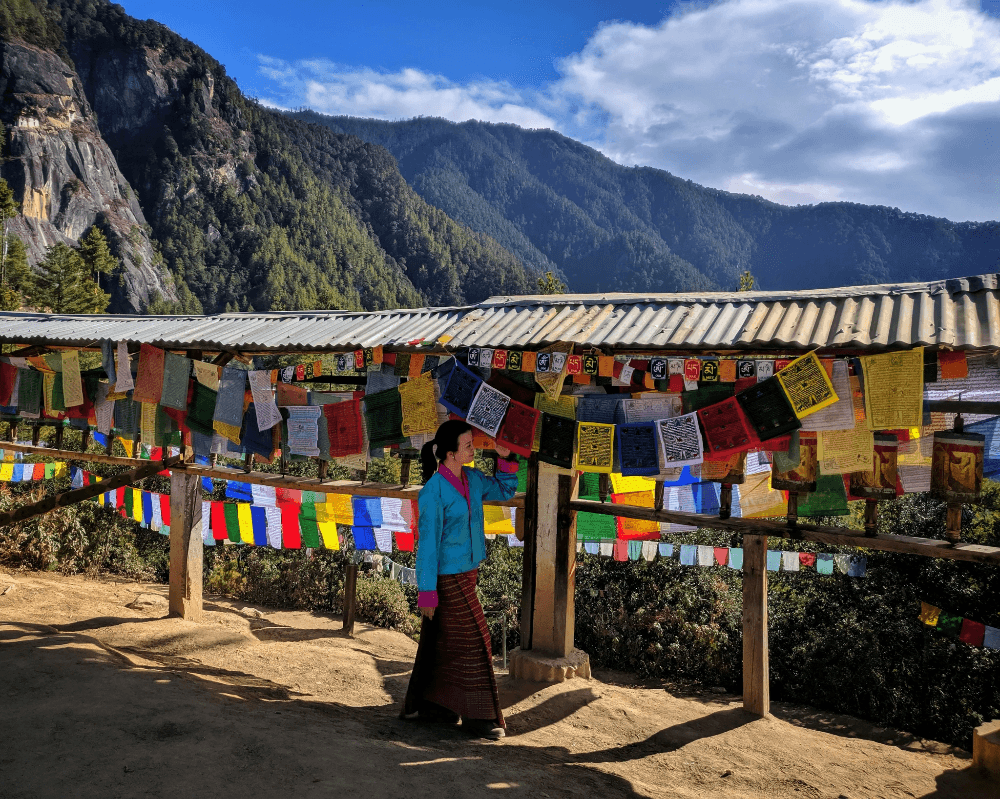
In wrapping up our exploration of monastic life, we see that traditional Buddhist clothing serves as a profound symbol of the values and teachings within Buddhism. The vibrant orange robes worn by monks, known as kasaya, are not just garments; they represent a commitment to simplicity, humility, and spiritual practice. This attire is a reminder for both monks and lay followers of the deeper significance behind every thread woven into their clothing.
A Deep Dive into Monastic Life
Monastic life offers a unique lens through which to view the core principles of Buddhism, reflecting ideals such as renunciation and mindfulness. The daily routines of monks are steeped in tradition, from meditation practices to communal living—all underscored by their distinctive attire. Traditional Buddhist clothing like the kasaya plays an integral role in this lifestyle, shaping not only how they present themselves but also how they engage with the world around them.
The Role of Clothing in Buddhism
Clothing in Buddhism is much more than mere fabric; it embodies spiritual values and cultural heritage. For instance, when we ask What do female Buddhists wear? we find that their choices often echo similar principles found in male monastic attire while allowing for personal expression within established guidelines. Understanding What is Buddhism dress code? reveals that these rules extend beyond appearance—they guide practitioners toward a mindset focused on detachment from materialism and an embrace of community.
Exploring Tibet’s Rich Traditions with GuideTibet
When you embark on a journey with GuideTibet, you step into an authentic experience where traditional Buddhist clothing comes alive through cultural immersion. Here, visitors can witness firsthand why monks wear kasaya and discover how modern Buddhist clothing adapts to contemporary life while maintaining respect for tradition. Through guided tours that highlight local customs and practices, you’ll gain insight into Buddhist clothing rules that shape everyday life in Tibet—a region rich with spiritual history waiting to be explored.